

 معاينة الحجم الحقيقي
 مشاركة
 مشاركة
 التفاصيل
 الدليل

 تحميل الملف
 قطع مشابهة
 الأشعة السينية
 عرض شرائح
 الإحصائيات
الإنشاءات على النهر


 عرض المزيد
نسخة زيتية مصنوعة يدوياً
لوحة زيتية مرسومة يدوياً على الكانفاس بالمقاس والإطار الذي تفضله، تُنفذ حسب الطلب على أيدي فنانينا. ( التحويل إلى المطبوعات الانتقال إلى الصورة الرقمية)




P118B $10

P118H $10

P118W $10

P438Z $10

P508JH $12

P508YH $12

P805H $10

P805Z $10

P919BZ $10

P919G $10

P919XJ $10

P959ZH $10

P968JZ $12

W106C $8

W218G $10

W218JH $8

W218Y $10

W307PJ $10

W316G $10

W316PJ $8

W316Y $10

W398PJ $8

W4111J $10

W500HY $15

W500JH $15

W692G $12

W849H $8

W940BG $15

W953PJ $8




اختر من بين أحجامنا المُعدّة مسبقًا والتي تتطابق مع النسب الأصلية للعمل الفني.

يمكنك إدخال أبعادك الخاصة لتناسب إطارًا معينًا أو مساحة محددة. وإذا لم يتطابق الحجم الذي اخترته مع نسب الصورة الأصلية، فسنقوم إما بقص العمل الفني أو توسيع اللوحة بإضافة عناصر مرسومة يدويًا. سيتم إرسال نموذج رقمي إليك للموافقة عليه قبل بدء الإنتاج.
يرجى ملاحظة أن المعاينة على الشاشة لا تعكس عملية القص أو التوسيع الفعلية؛ حيث إن النموذج الرقمي وحده هو الذي سيوضح التكوين النهائي بدقة.
وعلى الرغم من توفر أحجام مخصصة، إلا أننا نوصي باختيار أبعاد من القائمة المحددة مسبقًا للحفاظ على النسب الأصلية للعمل الفني.
بعد إتمام الطلب، سيرسل فريق OriginalUniqueArt.com بريداً إلكترونياً للعميل لطلب التعليمات وتزويده بمعاينة تجريبية (mockup).
توصيل عالمي إلى خلال 3 إلى 4 أسابيع بدلاً من المدة المعتادة البالغة 5 أسابيع. (21 سبتمبر). جودة لا تهاون فيها.

شحن سريع ومجاني لجميع أنحاء العالم

قماش كتان عالي الجودة

تأمين شحن شامل

ضمان استرداد الرسوم الجمركية

ضمان مطابقة الألوان الحقيقية

سياسة الإرجاع خلال 100 يوم (في حالات العيوب فقط)

ضمان استرداد نقدي بنسبة 100%

خصم عند طلب عدة قطع
 خيار الزجاج متاح فقط للمقاسات التي تقل عن 110 سم

الإنشاءات على النهر
خامة إعادة الإنتاج
مقاس النسخة المطبوعة
-


السعر الإجمالي النهائي
$ 325
The Embankment: A Symphony of Dusk and Remembrance
Jakub Schikaneder’s “The Embankment” isn't merely a depiction of Prague harbor at twilight; it’s an immersion into the melancholic beauty of fading light and the quiet contemplation of urban solitude. Painted in 1896, this artwork embodies the spirit of Impressionism—a movement that sought to capture fleeting moments of experience rather than striving for photographic realism.
- Subject Matter: The painting portrays a tranquil riverside scene dominated by the Thames Embankment, capturing the essence of Prague’s atmosphere during dusk. A solitary lighthouse stands prominently on the right, symbolizing resilience and guiding light amidst darkness – a motif frequently explored in Romantic art.
- Style & Technique: Schikaneder employs loose brushstrokes and diffused lighting—characteristic hallmarks of Impressionism—to create an ethereal effect. Thickly applied paint layers build up texture, conveying the palpable coolness of the evening air and hinting at hidden depths beneath the surface.
- Historical Context: Created during a period marked by significant social change in Bohemia, “The Embankment” reflects the artistic sensibilities of its time—a reaction against academic conventions favoring idealized landscapes. It aligns with the broader Impressionist preoccupation with capturing subjective perception and emotional resonance.
The artist’s masterful use of color contributes significantly to the artwork's emotive power. Shades of gray, beige, and delicate pink dominate the palette, mirroring the muted hues of twilight. These colors aren’t intended to represent reality precisely but rather to evoke feelings of tranquility and nostalgia—a sentiment deeply rooted in Romantic artistic traditions.
- Symbolism: The lighthouse serves as a potent symbol of hope and perseverance, reminding viewers that even amidst darkness and uncertainty, beauty and contemplation endure. Its placement on the horizon reinforces the painting’s sense of vastness and timelessness.
- Emotional Impact: “The Embankment” invites contemplation—encouraging viewers to pause and appreciate the subtle nuances of light and color. It captures a moment of stillness that speaks to the human desire for solace and connection with nature, resonating powerfully with audiences seeking artistic inspiration.
Schikaneder’s meticulous attention to detail—particularly in rendering the atmospheric haze—demonstrates his commitment to conveying not just what he sees but how he feels. This artwork stands as a testament to Impressionism's enduring legacy: its ability to transform observation into emotion and memory into visual splendor.
السيرة الذاتية للفنان
Gustave Courbet: A Revolutionary Vision of Reality
Born in Ornans, France, in 1819, Gustave Courbet’s life and art were inextricably linked to a profound rejection of academic tradition and a passionate commitment to portraying the world as he saw it – unidealized, gritty, and undeniably real. His journey from a modest upbringing to becoming one of the most influential figures in 19th-century French painting is a testament to his unwavering independence and artistic vision. Courbet’s early years were marked by a rejection of the formal art training offered at the École des Beaux-Arts, a decision that ultimately shaped his entire career trajectory. He initially studied lithography, a skill he honed during his time at the Museum of Arts and Crafts in Berlin, but it was his return to France and subsequent enrollment at the Academy of Fine Arts in Paris where he encountered figures like Paul Meyerheim and Eugen Pracht, that provided him with a foundation for his later work. However, Courbet quickly found himself disillusioned with the academy’s emphasis on historical and mythological subjects, deeming them irrelevant to his artistic aspirations.
Courbet's early works, such as “The Stone Breakers” (1849), immediately signaled a dramatic departure from prevailing artistic norms. This monumental painting, depicting two laborers engaged in the arduous task of breaking stones, was exhibited at the Salon and met with widespread outrage. The subject matter – working-class men – was considered vulgar and inappropriate for public display, while the scale of the work itself challenged the established conventions of art. Critics condemned its lack of idealization, its earthy palette, and its unflinching portrayal of poverty and hardship. Yet, it was precisely this boldness that cemented Courbet’s reputation as a revolutionary artist. He deliberately chose subjects that were ignored by the official Salon, focusing instead on the lives of ordinary people – peasants, laborers, and rural scenes – elevating them to the level of artistic subject matter.
The Painter's Studio: A Declaration of Independence
"The Painter’s Studio (L’Atelier du Peintre)"—a sprawling canvas measuring nearly 13 feet by 19 feet—represents a pivotal moment in Courbet’s career. Created between 1854 and 1855, it served as both a self-portrait and a powerful statement of artistic independence. Rejected from the official Salon exhibition of 1855, Courbet responded by organizing his own independent exhibition, dubbed “Le Pavillon des Réalistes,” alongside the official Salon display. This audacious act demonstrated his refusal to conform to academic standards and asserted his commitment to portraying reality without embellishment or romanticization. Within the painting itself, Courbet meticulously depicts his studio—a chaotic space filled with canvases, paintbrushes, models, and discarded materials—reflecting the messy, unglamorous process of artistic creation. The central figure, a nude woman, is not an idealized muse but a real model, dressed in simple clothing and engaged in mundane tasks. This deliberate choice underscored Courbet’s commitment to portraying life as it truly was, rejecting the artificiality of classical ideals.
Themes and Techniques: Realism Embodied
Courbet's artistic style is characterized by a meticulous attention to detail, a bold use of color, and a rejection of traditional techniques. He employed a direct painting method, applying paint directly to the canvas in thick, visible brushstrokes—a technique known as *alla prima*. This approach emphasized the physicality of the paint itself, creating a textured surface that conveyed the immediacy of his observations. Courbet’s landscapes, often depicting the rural scenery around Ornans, are notable for their atmospheric effects and their realistic portrayal of light and shadow. His portraits, such as “Self-Portrait with a Painter's Palette” (1854), capture the sitter’s personality and character with remarkable accuracy. Beyond his subject matter, Courbet was deeply interested in exploring themes of social injustice, poverty, and the dignity of labor. He frequently depicted scenes of rural life, highlighting the struggles of ordinary people and challenging the prevailing bourgeois values of his time.
Legacy and Influence
Gustave Courbet’s impact on 19th-century art is undeniable. His rejection of academic conventions paved the way for the Impressionists, Post-Impressionists, and other modern artists who sought to break free from traditional artistic constraints. He demonstrated that painting could be a vehicle for social commentary and political protest, inspiring generations of artists to use their work to challenge established norms and expose injustices. Despite facing criticism and censorship throughout his career, Courbet remained steadfast in his commitment to portraying the world as he saw it—a vision that continues to resonate with audiences today. His legacy extends beyond individual artworks; it represents a fundamental shift in the role of art in society – from serving as a vehicle for glorifying historical events or depicting idealized figures, to reflecting the realities of everyday life.
Further Resources
- Wikipedia: https://en.wikipedia.org/wiki/Gustave_Courbet
- Smarthistory: https://smarthistory.org/courbet-the-artists-studio/

jakub schikaneder
1855 - 1924
حقائق سريعة
- Artistic Movement Or Style: Realism
- Artists Or Movements Influenced By This Artist:
- Impressionism
- Cubism
- Artists Who Influenced This Artist:
- Jean-François Millet
- Gustave Doré
- Date Of Birth: 1855
- Date Of Death: 1924
- Full Name: Jean Désiré Gustave Courbet
- Nationality: French
- Notable Artworks:
- The Painter’s Studio
- Bonjour Monsieur Courbet
- The Death of Moses
- Place Of Birth: Ornans, France
مقالات ذات صلة
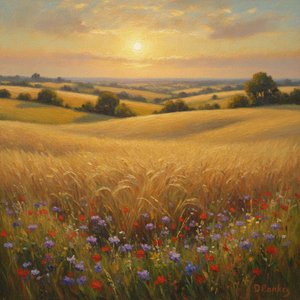
Golden Fields & Sun-Drenched Meadows: Capturing the Soul of Impressionist Landscapes
Immerse yourself in the luminous world of Impressionist landscapes. Discover how masters like Monet and Gauguin captured ephemeral light through plein air painting, and learn to bring the soul of sun-drenched meadows into your home with exquisite, hand-painted oil reproductions.

Impressionistic Landscapes: 10 Masterpieces That Changed Art & Decor
Journey into the heart of Impressionism! Explore 10 masterpieces by Monet, Renoir & Degas that revolutionized landscape art. Discover their stories, techniques & find museum-quality reproductions to elevate your home decor on OriginalUniqueArt.com.

Beyond the Horizon: A Curated Guide to Integrating Post-Impressionist Landscapes into Modern Interiors
Transform your home with the emotive power of Post-Impressionist landscapes. Discover expert tips on selecting hand-painted oil reproductions to create a soulful, vibrant interior that reflects your unique style and connection to nature.
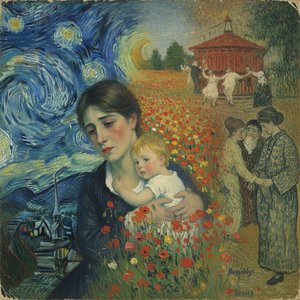
Capturing the Soul: The Most Emotionally Moving Impressionist and Post-Impressionist Masterpieces
Discover the profound emotional depth of Impressionist and Post-Impressionist masterpieces. Explore how legends like Monet, Van Gogh, and Gauguin captured light and soul through evocative landscapes and vibrant brushwork for a timeless connection to art history.

أعلى 10 لوحات طبعت "المشهد الانطباعي": رحلة فنية في عالم الفن الراقي و الديكور
اكتشفوا 10 روائع فنية رسمت "المشهد الانطباعي"! رحلة في عالم مونيه، رينوار و بيسار. استلهموا ألوان الطبيعة و تقنيات الفنانين. ديكور منزلي راقي و لوحات زيتية مميزة. تسوقوا أعمالًا فنية أصيلة على OriginalUniqueArt.com
