

 معاينة الحجم الواقعي
 إرسال
إرسال مشاركة
 عرض التفاصيل
 دليل الأعمال الفنية للطلاب

 تحميل
تحميل
 قطع مشابهة
 الأشعة السينية
 عرض شرائح متتابع
 الإحصائيات
Tea
 Oil On Canvas
- WallArt
- Contemporary Realism
 1872
1872 66.0 x 48.0 cm
 اقرأ المزيد
نسخة زيتية مصنوعة يدوياً
لوحة زيتية مرسومة يدوياً على الكانفاس بالمقاس والإطار الذي تفضله، تُنفذ حسب الطلب على أيدي فنانينا. ( التبديل إلى المطبوعات التحويل إلى الصورة الرقمية)




P118B E£10

P118H E£10

P118W E£10

P438Z E£10

P508JH E£12

P508YH E£12

P805H E£10

P805Z E£10

P919BZ E£10

P919G E£10

P919XJ E£10

P959ZH E£10

P968JZ E£12

W106C E£8

W218G E£10

W218JH E£8

W218Y E£10

W307PJ E£10

W316G E£10

W316PJ E£8

W316Y E£10

W398PJ E£8

W4111J E£10

W500HY E£15

W500JH E£15

W692G E£12

W849H E£8

W940BG E£15

W953PJ E£8




اختر من بين أحجامنا المُعدّة مسبقاً والتي تتوافق مع النسب الأصلية للعمل الفني.

أدخل العرض والارتفاع اللذين تحتاجهما، ليتناسب العمل مع إطارك أو جدارك. وبما أن هذه اللوحة مرسومة يدوياً، ففي حال اختيار مقاس بشكل مختلف، يمكن للفنان رسم مساحة إضافية حول الصورة أو تقليصها قليلاً — الخيار لك. سنرسل لك نموذجاً رقمياً تجريبياً لاعتماده قبل البدء في الرسم. علماً بأن الصورة المعروضة في هذه الصفحة لا تعكس النتيجة النهائية الحقيقية — فالنموذج التجريبي هو الوحيد الذي يوضح ذلك بدقة.
بعد إتمام الطلب، سيرسل فريق OriginalUniqueArt.com بريداً إلكترونياً للعميل لطلب التعليمات وتزويده بمعاينة تجريبية (mockup).
توصيل عالمي إلى خلال 3 إلى 4 أسابيع بدلاً من المدة المعتادة البالغة 5 أسابيع. (23 أكتوبر). جودة لا تهاون فيها.

شحن سريع ومجاني لجميع أنحاء العالم

قماش كتان فاخر

تأمين شامل على الشحن

ضمان استرداد الرسوم الجمركية

ضمان دقة مطابقة الألوان

سياسة الإرجاع خلال 100 يوم (في حالات العيوب فقط)

ضمان استرداد نقدي بنسبة 100%

عرض خصم الكميات
 خيار الزجاج متاح فقط للمقاسات التي تقل عن 110 سم

Tea
وسيط إعادة الإنتاج
مقاس النسخة المطبوعة
-


إجمالي السعر
E£ 15509
Tea by James Tissot: A Glimpse into Victorian Elegance
James Jacques Joseph Tissot's "Tea," created in 1872, is more than just a painting; it’s a window into the refined social customs and aesthetic sensibilities of the Victorian era. This oil on wood masterpiece, now residing within the esteemed collection of the Metropolitan Museum of Art in New York, exemplifies Tissot's signature style – meticulous detail combined with an insightful portrayal of human interaction.
Subject and Composition
The painting depicts a woman elegantly dressed, seated at a table laden with delicate tea cups and saucers. She is engaged in the act of sipping tea, creating a scene of quiet domesticity and leisure. The composition centers around her figure, drawing the viewer's attention to her attire and demeanor. Several other teacups are present on the table, hinting at a possible gathering or social event. The background features a blurred cityscape visible through a window, suggesting an outdoor setting like a veranda or balcony. This juxtaposition of interior tranquility with exterior activity adds depth and intrigue to the scene.
Style and Technique
Tissot’s style is characterized by its realism and attention to detail. He masterfully employs light and shadow to create a sense of depth and atmosphere, highlighting the textures of the silver tea service and the intricate patterns on the woman's gown. The use of thin glazes of oil paint builds up color and luminosity, resulting in a rich and layered visual experience. Lines are predominantly straight and precise, defining architectural elements like columns and window frames, contrasting with the softer curves of the woman’s dress. The technique showcases Tissot’s skill in capturing not only physical appearances but also subtle psychological nuances.
Historical Context and Symbolism
"Tea" is deeply rooted in the Victorian era's social dynamics. Tea drinking was a significant ritual, symbolizing hospitality, refinement, and social connection. The painting reflects the period's emphasis on fashion and interior design, showcasing the elegance of Victorian clothing and furnishings. The blurred cityscape outside the window serves as a poignant reminder of the passage of time and the changing nature of life. Symbolically, the silver tea service represents domesticity and refinement, while the woman’s attire speaks to her social standing and taste. Tissot's work provides valuable insight into the values and aesthetics of 19th-century British society.
Emotional Impact
Beyond its historical significance, "Tea" evokes a sense of quiet contemplation and understated elegance. The woman’s expression is enigmatic, inviting viewers to interpret her thoughts and emotions. The warm lighting creates a comforting atmosphere, while the meticulous detail draws the eye and encourages close observation. The painting's overall effect is one of serene beauty and timeless appeal, making it a captivating work for art lovers and collectors alike.
الأسئلة والأجوبة
ما هي الاستخدامات الموصى بها لنسخة مطبوعة من "Tea"؟
يُنصح باستخدام نسخة مُعاد إنتاجها من "Tea" للفنان جاك جوزيف تيسوت لغرض Accent؛ حيث يأتي هذا الاقتراح تماشياً مع موضوع العمل الفني وأجوائه وألوانه.
ما هو الحجم المقترح لـ "Tea" في Living Room؟
في Living Room، يُقترح طباعة "Tea" بحجم Medium.
ما مدى حدة الألوان في "Tea" للفنان جاك جوزيف تيسوت؟
تتميز الألوان في "Tea" للفنان جاك جوزيف تيسوت بكثافة Balanced.
نبذة عن الفنان
Early Life and Artistic Beginnings
Jacques Joseph Tissot, born October 15, 1836, in Nantes, France, was destined for a life steeped in artistic passion from his earliest years. His father, a drapery merchant, instilled in him an appreciation for craftsmanship and detail—qualities that would profoundly shape his artistic vision. Simultaneously, his mother, a milliner, nurtured his sensitivity to beauty and fashion, exposing him to the vibrant world of Parisian society. Despite familial responsibilities, Tissot relentlessly pursued his artistic ambitions, enrolling at the École des Beaux-Arts in Paris where he honed his skills under the tutelage of luminaries like Ingres, Flandrin, and Lamothe. This formative period cemented his commitment to painting as a vocation and established him firmly within the influential Parisian art milieu.The Salon Years and Recognition
Tissot’s debut at the Paris Salon in 1861 marked a pivotal moment—the unveiling of “The Meeting of Faust and Marguerite,” a dramatic tableau that captivated audiences and garnered considerable acclaim from critics. Purchased by the state for inclusion in the Luxembourg Gallery, this ambitious undertaking signaled Tissot's burgeoning reputation as a painter capable of capturing complex narratives and conveying profound emotion. Subsequent Salon exhibitions solidified his position within the artistic establishment, showcasing his evolving style and attracting commissions from prominent patrons. His early successes fueled confidence and propelled him toward exploring new subjects and techniques—a trajectory that would ultimately define his illustrious career.Genre Painting and Parisian Society
Tissot’s artistic breakthrough arrived with his series “La Femme à Paris,” a meticulously observed depiction of the demi-mondaine world of late Victorian London. These paintings, characterized by their luminous color palettes and masterful rendering of textures—particularly fabrics—became synonymous with capturing the allure and dynamism of Parisian high society. Tissot's meticulous attention to detail extended beyond mere visual representation; he sought to convey not only appearances but also psychological nuances, reflecting the anxieties and aspirations of his subjects. His work stands as a testament to Impressionistic influences blended with realism, offering an unparalleled glimpse into the social customs and artistic sensibilities of the Belle Époque.Biblical Themes and Japonisme
Throughout his prolific output, Tissot embraced diverse artistic inspirations—ranging from medieval narratives to biblical scenes—demonstrating remarkable versatility. His depictions of religious subjects, imbued with spiritual depth and emotional resonance, showcased his ability to elevate visual storytelling into profound contemplation. Simultaneously, he was captivated by Japonisme—the fascination with Japanese art and aesthetics that swept across Europe during the Victorian era—evident in compositions infused with asymmetrical arrangements and subtle color harmonies reminiscent of Japanese prints. This stylistic fusion underscored Tissot’s intellectual curiosity and his willingness to experiment with innovative artistic approaches.Later Years and Legacy
Tissot's life took a dramatic turn when he enlisted in the Franco-Prussian War, serving on the French side—an experience that undoubtedly shaped his worldview. Following the war’s conclusion, he relocated to London where he pursued etching alongside Sir Seymour Haden and honed his artistic skills through portrait commissions and caricatures for Vanity Fair. His relationship with Kathleen Newton blossomed into a passionate companionship, providing him with enduring inspiration for numerous paintings. Tragically, Newton succumbed to tuberculosis in 1882—a profound loss that deeply affected Tissot’s creative output. Despite this sorrowful chapter, he continued to produce exceptional artwork until his death in 1902. Today, Jacques Joseph Tissot's legacy resides in museums across Europe and North America—most notably the Musée National Jean-Jacques Henner in Paris—where his celebrated paintings continue to inspire admiration for their artistic brilliance and evocative portrayal of Victorian life and faith. His enduring influence on genre painting and Impressionism secures his place as one of France’s most distinguished artists of the 19th century.
جاك جوزيف تيسوت
1836 - 1902 , فرنسا
لمحة سريعة
- Artistic Movement Or Style: الرسم الجوهري
- Artists Who Influenced This Artist: ['جان أغسطس إنجرس"، "جاستاف كوبريت']
- Date Of Birth: 1836
- Date Of Death: 1902
- Full Name: Jacques Joseph Tissot
- Nationality: فرنسي
- Notable Artworks: ['المواعدة بين فوست ومارغريت"، "المرأة في باريس']
- Place Of Birth: نANTES، فرنسا
مقالات ذات صلة

أعمال جيمس أبتون ماكنيل ويستلر الـ 25 الأكثر شهرة: تحف فنية لتزيين منزلك
اكتشف 25 تحفة فنية لجيمس أبتون ماكنيل ويستلر، رائد حركة التجميل. نوكتورن، بورتريهات أيقونية وأكثر! قصص ملهمة وتقنيات فنية رائعة لتزيين منزلك بأناقة. استكشف المجموعة الكاملة على OriginalUniqueArt.com
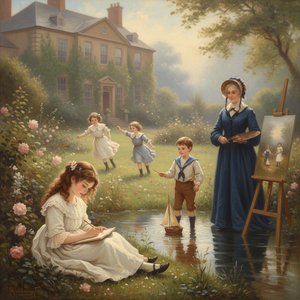
James Sant: Capturing Victorian Childhood & the Evolving Landscape of British Genre Painting
Explore the life & art of James Sant (1820-1916), renowned Victorian portraitist to Queen Victoria. Discover his captivating depictions of childhood, landscapes, and aristocratic society. Learn about his legacy & find fine art reproductions.

The Gaze of a Changing World: Victorian Realism & Modern Life
Explore the captivating world of Victorian Realism! Discover genre painting's rise, social commentary in art, & masters like Fedotov and Wilkie. Expert analysis & high-quality reproductions at OriginalUniqueArt.

Sir Alfred Munnings' Masterpieces: 25 Paintings That Define Equine Art | OriginalUniqueArt
Explore 25 iconic Sir Alfred Munnings paintings! Discover the beauty of British Impressionism, equine art & rural England. Find museum-quality reproductions and elevate your home decor with OriginalUniqueArt. Explore the full collection online.
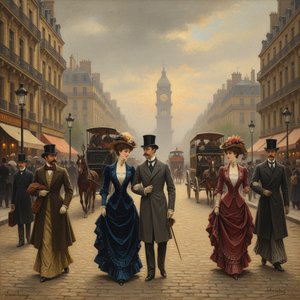
Jacques Joseph Tissot: A Chronicle of Parisian Life & Narrative Evolution
Explore the captivating world of Jacques Joseph Tissot, a master painter of Belle Époque society. Discover his realism, Impressionistic style, and lasting influence on art history. Learn more at OriginalUniqueArt.