

 معاينة الحجم الواقعي
 إرسال
إرسال مشاركة
 عرض التفاصيل
 دليل الأعمال الفنية للطلاب

 تحميل
تحميل
 قطع مشابهة
 الأشعة السينية
 عرض شرائح متتابع
 الإحصائيات
Interlude in the Medici Theater
 Etching
- WallArt
- Baroque etching
 1617
1617 273.0 x 200.0 cm
 غاليريا أوفيزي
 اقرأ المزيد
طباعة جيلي / مطبوعات فنية
طباعة جيكلي أو كانفاس بجودة المتاحف، مع سرعة في التنفيذ وخيارات متنوعة للتشطيب. ( اطلب نسخة مرسومة يدويًا التحويل إلى الصورة الرقمية)




P118B $10

P118H $10

P118W $10

P438Z $10

P508JH $12

P508YH $12

P805H $10

P805Z $10

P919BZ $10

P919G $10

P919XJ $10

P959ZH $10

P968JZ $12

W106C $8

W218G $10

W218JH $8

W218Y $10

W307PJ $10

W316G $10

W316PJ $8

W316Y $10

W398PJ $8

W4111J $10

W500HY $15

W500JH $15

W692G $12

W849H $8

W940BG $15

W953PJ $8




اختر من بين أحجامنا المُعدّة مسبقاً والتي تتوافق مع النسب الأصلية للعمل الفني.

يمكنك إدخال أبعاد خاصة لتناسب إطاراً أو مساحة معينة. وفي حال عدم تطابق الحجم المختار مع نسب الصورة الأصلية، سنقوم إما بقص العمل الفني أو تمديد الصورة باستخدام حافة معكوسة أو لون مصمت. وسيتم إرسال نموذج تجريبي رقمي لاعتمادك قبل بدء عملية الإنتاج.
يرجى ملاحظة أن المعاينة على الشاشة لا تعكس عملية القص أو التمديد الفعلية؛ حيث سيوضح النموذج التجريبي فقط التكوين النهائي بدقة.
وعلى الرغم من توفر أحجام مخصصة، إلا أننا نوصي باختيار أبعاد من القائمة المحددة مسبقاً للحفاظ على النسب الأصلية.
توصيل عالمي إلى خلال أسبوعين بدلاً من المدة القياسية البالغة 4/5 أسابيع. (26 سبتمبر)

شحن سريع ومجاني لجميع أنحاء العالم

قماش كتان فاخر

تأمين شامل على الشحن

ضمان استرداد الرسوم الجمركية

ضمان دقة مطابقة الألوان

سياسة الإرجاع خلال 100 يوم (في حالات العيوب فقط)

ضمان استرداد نقدي بنسبة 100%

عرض خصم الكميات
 خيار الزجاج متاح فقط للمقاسات التي تقل عن 110 سم

Interlude in the Medici Theater
طباعة جيلي / مطبوعات فنية
مقاس النسخة المطبوعة
-


إجمالي السعر
$ 80
A Window Into Renaissance Spectacle: Jacques Callot’s “Interlude in the Medici Theater”
Jacques Callot's "Interlude in the Medici Theater," etched in 1617, isn’t merely a depiction of a theatrical performance; it’s a meticulously crafted portal into the vibrant and often turbulent world of Renaissance Florence. This remarkable print, now housed within the Galleria degli Uffizi, offers a breathtakingly detailed glimpse into the opulent spectacle of the Medici Theater, capturing a moment brimming with energy, social interaction, and the sheer grandeur of court entertainment. More than just a visual record, it’s a testament to Callot's revolutionary etching techniques and his profound ability to convey both the outward splendor and underlying complexities of 17th-century life.
The composition immediately draws the eye towards the central stage, where dancers and musicians engage in lively performance. The scene unfolds with remarkable breadth, extending outwards into a teeming audience – a microcosm of Florentine society itself. Aristocrats mingle with commoners, nobles observe from their elevated positions, and the overall impression is one of controlled chaos, a carefully orchestrated display of wealth, power, and artistic expression. Notice how Callot masterfully uses perspective; figures diminish in size as they recede into the background, creating an illusion of depth that anchors the viewer within this bustling space.
The Alchemy of Etching: Technique and Innovation
What truly distinguishes “Interlude in the Medici Theater” is Callot’s unparalleled mastery of etching. He didn't simply reproduce a scene; he sculpted it with lines, employing an array of techniques that pushed the boundaries of printmaking at the time. The most significant innovation was his development of the ‘échoppe,’ a specialized etching needle featuring an oval section – a tool that allowed him to create swelling, organic lines mimicking those produced by engravers. This technique dramatically expanded the range of tonal and expressive possibilities within etching.
- Cross-Hatching: Callot’s extensive use of cross-hatching creates a remarkable sense of texture and depth, simulating the feel of velvet costumes, polished wood, and the shimmering fabric of the theater's ceiling.
- Burin & Drypoint: He skillfully combined burin (a smooth-edged tool) with drypoint (creating lines by scratching into the metal plate), layering these techniques to achieve both precise detail and subtle tonal variations.
- Multiple Impressions: The print was likely created through multiple impressions, allowing Callot to refine details and adjust tones with each iteration – a testament to his meticulous approach.
The absence of color further emphasizes the intricacy of the lines and textures, forcing the viewer to engage with the image on a purely visual level. The monochromatic palette—ranging from deep blacks to delicate whites—creates a dramatic contrast that highlights the forms and adds to the print’s overall sense of theatricality.
A Window into a World: Context and Symbolism
"Interlude in the Medici Theater" offers more than just a visual spectacle; it provides a valuable window into the social and cultural landscape of Renaissance Florence. The theater itself was a central hub of Florentine life, serving as a venue for entertainment, political discourse, and social interaction. The figures depicted—the dancers, musicians, nobles, and commoners—represent a cross-section of Florentine society, reflecting its wealth, power, and artistic sensibilities.
Symbolism subtly permeates the scene. The elaborate costumes and opulent décor speak to the extravagance of the Medici court, while the lively performance suggests a celebration of art and culture. The sheer density of figures hints at the social dynamics within the theater—the hierarchies, rivalries, and alliances that shaped Florentine society. It’s important to remember this was created during the tumultuous Thirty Years' War, and Callot’s work often reflected the anxieties and realities of conflict.
A Legacy in Print: Influence and Enduring Appeal
Jacques Callot’s “Interlude in the Medici Theater” stands as a pivotal work in the history of printmaking. His innovative techniques—particularly the ‘échoppe’—influenced generations of artists, including Rembrandt, who recognized his genius and championed his artistic vision. The print's dramatic intensity, meticulous detail, and evocative portrayal of human experience continue to captivate viewers today, solidifying Callot’s legacy as one of the most important and influential printmakers of all time. Reproductions of this masterpiece offer a remarkable opportunity to bring this vibrant scene into any space, transporting the viewer back to the heart of Renaissance Florence.
نبذة عن الفنان
سيد الخط المحفور: حياة وإرث جاك كالوت
في النسيج المهيب لعصر الباروك، تبرز خيوط قليلة بدقة متناهية وتفاصيل ثاقبة مثل تلك التي غزلها جاك كالوت. لقد كان فنانًا بارعًا آثر الابتعاد عن الضربات العريضة للرسم الزيتي لصالح الإبرة الدقيقة واللاذعة لأداة الحفر، ليحول فن الطباعة من مجرد حرفة ثانوية إلى وسيط عميق للنقد الاجتماعي والبراعة التقنية. ولد في منطقة لورين حوالي عام 1592، وكانت رحلته رحلة انتقال وتحول، حملته من القاعات المترفة لنشأته النبيلة إلى شوارع روما وفلورنسا النابضة بالحياة والفوضوية في آن واحد. لم يكتفِ بتدوين التاريخ فحسب، بل حفر روحه على ألواح النحاس، مقتنصًا الظلال العابرة للمعاناة الإنسانية والبذخ الطاغي لحياة البلاط بذات القدر من الكثافة.
تأثر التطور الفني لكالوت بعمق برحلاته عبر أوروبا، مما سمح له باستيعاب الأنسجة المتنوعة للقرن السابع عشر. وفر تدريبه المبكر في نانسي أساسًا من الانضباط، لكن فترته في إيطاليا هي التي أشعلت عبقريته حقًا. وتحت إشراف أساتذة مثل فيليب تيسمان في روما، ولاحقًا داخل الورش المرموقة في فلورنسا، تعلم كالوت كيفية الجمع بين القيم الإنسانية لعصر النهضة والثقل العاطفي والدرامي لعصر الباروك. وقد منحته خدمته في بلاط ميديتشي وصولاً لا مثيل له إلى قمم الثقافة الأرستقراطية، ومع ذلك ظل مراقبًا دقيقًا للعالم القابع تحت السطح المذهب، موثقًا قسوة وغبار الوجود الحضري بعين لا تعرف التراجع.
الثورة التقنية وإبرة الإيكوب
إن ما ميز كالوت حقًا عن معاصريه هو نهجه الثوري تجاه الوسيط الفني نفسه. فقبل ظهوره، كان الحفر يفتقر غالبًا إلى العمق اللوني وتفاوت وزن الخطوط الذي يميز النقش التقليدي. وقد جسر هذه الفجوة من خلال ابتكار تقني عبقري: ابتكار إبرة الإيكوب (échoppe). هذه الإبرة المتخصصة، التي تتميز برأس بيضاوي الشكل، سمحت له بالتحكم في ضغط الضربة لإنشاء خطوط متضخمة وتدريجية. هذا الاختراق مكنه من محاكاة العرض المتغير والأنيق لأدوات النقاش، مما أضفى مستوى جديدًا من البعد النحتي والحركة الانسيابية على مطبوعاته. ومن خلال هذه البراعة، حقق مستوى من التفاصيل يمكنه من تجسيد الدانتيل الرقيق لأكمام النبلاء أو الأنسجة المتعرجة والمروعة لساحة المعركة بدقة متساوية.
سمحت هذه القدرة التقنية بنطاق غير مسبوق من الموضوعات، لا سيما في سلسلته الشهيرة التي توثق الجانب المظلم من الإنسانية. غالبًا ما تعمل أعماله كنافذة حسية على مآسي الحرب، حيث التقط العنف الخام والفوضوي للصراعات. وفي روائع مثل النهب (Le Pillage)، يجد المشاهد نفسه مندفعًا إلى عالم من الفوضى والدمار، حيث تنقل الخطوط الدقيقة لإبرته الطاقة المحمومة لمشهد طبيعي في حالة اضطراب. وعلى العكس من ذلك، تتجلى قدرته على التقاط الضوء والمسرحية في أعمال مثل فاصل في مسرح ميديتشي، حيث تثير التكوينات المعقدة السحر المسرحي النابض لعروض عصر النهضة.
بصمة خالدة في تاريخ الفن
تتجاوز الأهمية التاريخية لجاك كالوت حدود القرن السابع عشر بكثير. فقد كان رائدًا لما نعرفه الآن بـ "مطبوعات الأساتذة القدامى"، واضعًا معيارًا للتعقيد السردي والتنفيذ التقني الذي ألهم أجيالًا من فناني الطباعة. يمكن تتبع تأثيره عبر القرون، لا سيما في أعمال فرانسيسكو غويا، الذي شارك كالوت القدرة على استخدام الوسيط الغرافيكي لاستكشاف الجوانب الأكثر قتامة وغرابة في الحالة الإنسانية. ومن خلال رفع إبرة الحفر لتصبح أداة ذات عمق نفسي واجتماعي غائر، ضمن كالوت أن رؤيته ستظل خالدة.
في نهاية المطاف، تظل أعمال كالوت مفارقة جميلة ومؤثرة: فهي سجل دقيق للوحشية التاريخية واحتفاء بالبراعة الفنية في آن واحد. وسواء كان يصور الواقع المرير لـ العجلة (La Roue) أو النعمة الرقيقة لرقصة بلاطية، فإن مطبوعاته تمتلك جودة خالدة تتجاوز عصرها. يظل صوتاً فريداً في سجل الباروك—سيدًا وجد اللانهائي داخل المتناهي في الصغر، ليثبت أن حتى أصغر خط محفور يمكنه أن يحمل ثقل العالم بأكمله.

جاك كالوت
1592 - 1635 , فرنسا
لمحة سريعة
- Artistic Movement Or Style: النقش الباروكي
- Artists Or Movements Influenced By This Artist: ['رامبرانت']
- Artists Who Influenced This Artist: ['فيليب توماسين']
- Date Of Birth: حوالي 1592
- Date Of Death: 1635
- Full Name: جاك كالوت
- Nationality: فرنسي
- Notable Artworks:
- العائلة المقدسة على المائدة
- مشهد من مآسي الحرب الكبرى
- منظر طبيعي
- Place Of Birth: لورين، فرنسا
مقالات ذات صلة

The Intricate World of Etching: A Historical Survey of Technique, Aesthetic Evolution, and Enduring Artistic Impact
Explore the rich history of etching, from its origins to modern practice. Discover techniques, key artists like Rembrandt, and insights for collectors. A comprehensive guide by OriginalUniqueArt.

Dark Masterpieces: 10 Iconic Paintings Dominated by Black Tones |
Explore 10 iconic paintings dominated by black tones, from Rembrandt’s chiaroscuro to Goya's dark expressions. Discover the stories behind these masterpieces & find museum-quality art reproductions for your home at .
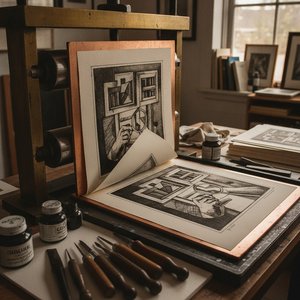
Etching Unlocked: The Sharp, High-Impact Art of Line and Shadow for the Modern Collector
Master the high-impact world of etching. Explore the transformative power of line and shadow through the intaglio tradition, from its armor-making origins to modern collecting strategies for the sophisticated art enthusiast.
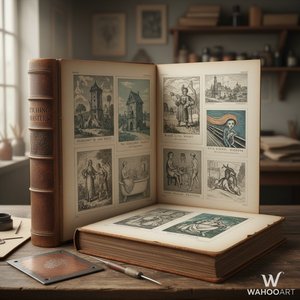
Etching Masters: 10 Legendary Prints That Revolutionized Art | OriginalUniqueArt
Journey through 10 legendary etching masterpieces by Rembrandt, Dürer & Goya. Explore the history of printmaking and discover timeless art for your home. Find museum-quality reproductions at OriginalUniqueArt.com.

Etching: A Historical Survey of Technique, Aesthetic Qualities & Enduring Artistic Significance
Explore the rich history of etching, from its origins to Rembrandt's masterful innovations. Discover the technique, aesthetic qualities & enduring legacy of this captivating art form. Expert insights for collectors and enthusiasts.