التبديل إلى نسخة مطبوعة
 عرض المزيد







































 بالنسبة للأعمال الفنية أو النسخ المطبوعة التي يتجاوز طول أي من أضلاعها 105 سم (حوالي 41 بوصة)، سيتم شحن الإطار كمجموعة مفككة؛ حيث تضمن هذه الطريقة سلامة التوصيل وتمنع حدوث أي أضرار أثناء النقل.


Danaë by Tintoretto
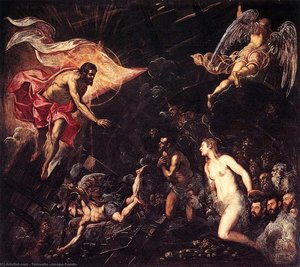
Tintoretto’s Danaë is more than just a depiction of myth; it's a masterful demonstration of Venetian Baroque artistry—a visual symphony orchestrated with dramatic chiaroscuro and imbued with profound symbolic resonance. Created in 1580, this monumental oil painting resides at the Musée des Beaux-Arts in Lyon, France, offering visitors an unparalleled opportunity to experience the grandeur of Renaissance technique elevated to breathtaking heights.The Mythical Narrative
The painting recounts the tale of Danaë, a princess of Argos whose father, Acrisius, fearing prophecy—specifically Zeus’s impending son—imposed upon her a cruel seclusion within a bronze chamber. Despite his efforts to prevent conception, Zeus captivated Danaë's spirit through golden rain, resulting in the miraculous birth of Perseus, destined to slay Medusa and liberate Andromeda. Tintoretto skillfully captures this pivotal moment, portraying Danaë reclining on her back while Zeus stands above her, showering her with divine radiance—a visual representation of divine intervention and the triumph of fate over mortal anxieties.Technical Brilliance: Chiaroscuro and Texture
Tintoretto’s genius lies in his unparalleled command of chiaroscuro – the artful manipulation of light and dark – which dominates the canvas. Deep shadows envelop Danaë's body, emphasizing her vulnerability yet simultaneously highlighting the luminous glow emanating from Zeus’s figure. This dramatic contrast creates an illusionistic depth that draws the viewer into the scene, mirroring the turbulent emotions underlying the narrative. Furthermore, Tintoretto employs meticulous brushstrokes to build up textured surfaces—particularly on Danaë’s skin and drapery—adding palpable realism and conveying a sense of movement and dynamism. The artist's attention to detail is evident in every nuance of expression and gesture, elevating the painting beyond mere representation into an immersive experience for the eye.Symbolic Objects: A Language of Imagery
Beyond the central figures, Tintoretto incorporates several symbolic objects that enrich the painting’s meaning. A dog positioned on Danaë's left symbolizes loyalty and protection—a poignant reminder of Zeus's unwavering devotion to his beloved princess. Conversely, a cat nestled near Danaë’s feet represents femininity and nurturing—suggesting Danaë’s role as vessel for divine grace. The presence of two bowls – one centrally placed and the other slightly elevated – adds visual complexity and subtly reinforces themes of fertility and abundance. Notably, a clock dominates the upper right corner, symbolizing time's relentless passage and highlighting the inescapable influence of destiny. Finally, a vase on Danaë’s left side contributes to the overall composition while hinting at purity and grace.A Legacy of Artistic Innovation
Danaë stands as a testament to Tintoretto’s pioneering spirit—a painter who dared to challenge conventions and forge his own distinctive style. His influence extended far beyond Venice, inspiring generations of artists and cementing his place among the titans of Baroque art. To appreciate Tintoretto's artistic vision fully, consider visiting the Musée du Louvre in Paris where you can admire “Self-Portrait,” showcasing his remarkable self-awareness and stylistic experimentation. For a deeper understanding of Tintoretto’s oeuvre, explore “Paradise” also housed at the Musée du Louvre—a breathtaking depiction of biblical grandeur that exemplifies his mastery of color and composition.- To delve into Tintoretto's artistic legacy, visit Tintoretto (Jacopo Comin): Danaë for a high-quality reproduction at OriginalUniqueArt
- Discover more about Tintoretto’s other masterpieces: Jacopo Tintoretto, Paradise
- Admire Tintoretto's Self-Portrait at Musée du Louvre: Jacopo Tintoretto, Self-Portrait
Explore the Musée des Beaux-Arts in Lyon: Discover the Masterpieces of Musée Municipal des Beaux-Arts (Lyon, France)
الأسئلة والأجوبة
هل يتوفر "Danaë" كنسخة مطبوعة فنية فاخرة؟
يمكن طلب نسخة مطبوعة من "Danaë" للفنان تنتوريتو مباشرة عبر صفحة مطبوعة فنية فاخرة الخاصة بها: مطبوعة فنية فاخرة على قماش قطني أو ورق كانفاس أرشيفي.
في أي عام وأي مدرسة فنية أُنجز العمل "Danaë"؟
يعود تاريخ "Danaë" للفنان تنتوريتو إلى عام 1580 وينتمي إلى Baroque.
هل "Danaë" للفنان تنتوريتو لوحة شخصية، أم طبيعية، أم ذات تكوين مربع؟
تأتي لوحة "Danaë" للفنان تنتوريتو بتنسيق أفقي، وهو التنسيق الذي يحدد أبعاد التكوين الفني.
 معاينة الحجم الواقعي
 مشاركة
 مشاركة
 التفاصيل
 دليل
دليل

 تحميل الملف
 قطع مشابهة
 الأشعة السينية
 عرض شرائح
 الأسئلة والأجوبة
 الإحصائيات