

 معاينة الحجم الواقعي
 إرسال
إرسال مشاركة
 عرض التفاصيل
 دليل الأعمال الفنية للطلاب

 تحميل
تحميل
 قطع مشابهة
 الأشعة السينية
 عرض شرائح متتابع
 الإحصائيات
Ten thousand martyrs
 Oil On Canvas
- WallArt
- Mannerist Expression
 1529
1529 65.0 x 73.0 cm
 غاليريا أوفيزي
 اقرأ المزيد
طباعة جيلي / مطبوعات فنية
طباعة جيكلي أو كانفاس بجودة المتاحف، مع سرعة في التنفيذ وخيارات متنوعة للتشطيب. ( اطلب نسخة مرسومة يدويًا التحويل إلى الصورة الرقمية)




P118B E£10

P118H E£10

P118W E£10

P438Z E£10

P508JH E£12

P508YH E£12

P805H E£10

P805Z E£10

P919BZ E£10

P919G E£10

P919XJ E£10

P959ZH E£10

P968JZ E£12

W106C E£8

W218G E£10

W218JH E£8

W218Y E£10

W307PJ E£10

W316G E£10

W316PJ E£8

W316Y E£10

W398PJ E£8

W4111J E£10

W500HY E£15

W500JH E£15

W692G E£12

W849H E£8

W940BG E£15

W953PJ E£8




اختر من بين أحجامنا المُعدّة مسبقاً والتي تتوافق مع النسب الأصلية للعمل الفني.

أدخل العرض والارتفاع اللذين تحتاجهما، ليتناسب مع إطارك أو جدارك. يمكن قص المطبوعة فقط، ولا يمكن أبداً جعلها أكبر من الصورة الأصلية، لذا فإن أي مقاس بشكل مختلف سيؤدي إلى فقدان جزء من الصورة. سنرسل لك نموذجاً رقمياً تجريبياً لاعتماده قبل البدء في عملية الطباعة. الصورة المعروضة في هذه الصفحة لا توضح القص الفعلي — النموذج التجريبي فقط هو ما يظهر ذلك.
توصيل عالمي إلى خلال أسبوعين بدلاً من المدة القياسية البالغة 4/5 أسابيع. (26 أكتوبر)

شحن سريع ومجاني لجميع أنحاء العالم

قماش كتان فاخر

تأمين شامل على الشحن

ضمان استرداد الرسوم الجمركية

ضمان دقة مطابقة الألوان

سياسة الإرجاع خلال 100 يوم (في حالات العيوب فقط)

ضمان استرداد نقدي بنسبة 100%

عرض خصم الكميات
 خيار الزجاج متاح فقط للمقاسات التي تقل عن 110 سم

Ten thousand martyrs
طباعة جيلي / مطبوعات فنية
مقاس النسخة المطبوعة
-


إجمالي السعر
E£ 4137
The Harrowing Vision: Jacopo Pontormo’s “Ten Thousand Martyrs”
Jacopo Pontormo's "Ten Thousand Martyrs," painted in 1529, is not merely a depiction of historical suffering; it’s a visceral plunge into the heart of religious trauma and defiant resistance. This monumental fresco, now rendered in exquisite detail as a hand-painted reproduction by OriginalUniqueArt.com, captures a pivotal moment from early Christian history – the brutal execution of ten thousand soldiers who had converted to Christianity during the reign of Emperor Decius. Far removed from the idealized serenity often associated with Renaissance art, Pontormo’s masterpiece confronts us with an unsettling realism and a profound sense of human drama.
The scene unfolds outdoors, against a backdrop of a brooding sky and a distant, almost mournful hill. At the center stands a single figure – a martyr, identifiable by his flag held aloft in a gesture of unwavering defiance. This isn’t a heroic portrait; he is stripped bare, exposed to the elements and the impending violence. Around him, a vast crowd watches with varying expressions: some filled with horrified pity, others with detached curiosity, and a few with a chilling anticipation of the bloodshed to come. The inclusion of horses amongst the onlookers adds an element of primal chaos, reflecting the brutal nature of the event.
A Bridge Between Styles: Pontormo’s Mannerist Innovation
Born in Pontorme, Tuscany, around 1494, Jacopo Pontormo was a pivotal figure bridging the High Renaissance and the burgeoning Baroque era. Trained under the tutelage of masters like Domenico del Pollaiuolo and Michelangelo Buonarroti – artists known for their anatomical precision and sculptural forms – Pontormo deliberately pushed beyond these established conventions. He embraced emotional intensity and psychological complexity, prioritizing expressive distortion and unsettling perspectives over classical harmony and balance. This is most evident in “Ten Thousand Martyrs,” where figures are elongated, faces contorted with anguish, and spatial relationships deliberately skewed to heighten the dramatic effect.
Pontormo’s use of color is equally striking. He employs a palette dominated by somber browns, deep reds, and muted blues – colors that evoke both the darkness of death and the resilience of faith. The vibrant flag held by the martyr provides a crucial focal point, a symbol of hope and resistance against the overwhelming force of imperial power. The painting’s dynamism is further enhanced through his masterful manipulation of light and shadow, creating an atmosphere of palpable tension and impending doom.
Symbolism and Historical Context
The story depicted in “Ten Thousand Martyrs” draws upon a medieval legend – the tale of Roman soldiers who, after embracing Christianity, were crucified on Mount Ararat. While the historical accuracy of this event is debated, it served as a potent symbol of unwavering faith in the face of persecution. Pontormo’s painting powerfully conveys the emotional weight of this narrative, transforming a potentially dry historical account into a deeply moving meditation on sacrifice and endurance.
The flag itself holds significant symbolic weight. It represents not just individual defiance but also the collective spirit of resistance against tyranny. It's a visual declaration that even in the face of certain death, faith and conviction remain unyielding. The scene resonates with broader themes of religious persecution throughout history, offering a timeless reminder of the human cost of intolerance.
A Reproduction for the Soul
OriginalUniqueArt.com’s hand-painted reproduction captures the essence of Pontormo's original masterpiece with breathtaking fidelity. Every detail – from the tormented expressions on the faces to the dramatic lighting and unsettling spatial arrangements – is meticulously recreated, allowing you to experience the painting’s emotional power firsthand. This isn’t simply a print; it’s an immersive encounter with one of the most compelling works of the Italian Renaissance. Whether displayed in a grand salon or a smaller study, this reproduction will undoubtedly serve as a poignant reminder of human resilience and the enduring power of faith.
Explore the full detail and artistry of “Ten Thousand Martyrs” at https://en.OriginalUniqueArt.com/en/art/jacopo-carucci-ten-thousand-martyrs-dewjfc-en/ and bring this extraordinary work of art into your home.
الأسئلة والأجوبة
متى تم إنجاز "Ten thousand martyrs"؟
أُبدع العمل الفني "Ten thousand martyrs" للفنان جاكوبو بونتورمو في عام 1529.
هل يتوفر عرض مسبق بتقنية الواقع المعزز لـ "Ten thousand martyrs"؟
يمكنك معاينة "Ten thousand martyrs" للفنان جاكوبو بونتورمو على جدارك الخاص عبر صفحة معاينة الواقع المعزز الخاصة بالعمل الفني، وذلك باستخدام تقنية الواقع المعزز على جهاز متوافق.
هل يُعد "Ten thousand martyrs" أحد أكثر أعمال جاكوبو بونتورمو شهرة؟
مستوى الشهرة المسجل لـ "Ten thousand martyrs" للفنان جاكوبو بونتورمو هو Iconic.
نبذة عن الفنان
جاكوبو بونتورمو: جسر بين عصر النهضة والباروك
ولد جاكوبو بونتورمو، واسمه الأصلي جاكوبو كاروتشي في مدينة بونتورمو بتوسكانا حوالي عام 1494، وهو شخصية فريدة في حركة المانييريزمو الفلورنسية. كان رسامًا تحدى الأعراف وفتح لنفسه طريقًا جديدًا نحو الابتكار الفني. على عكس العديد من معاصريه الذين سعوا إلى الجمال المثالي المتجذر في المثل الكلاسيكية، تبنى بونتورمو الشدة العاطفية والتعقيد النفسي، مما جعله حلقة وصل مهمة بين عظمة عصر النهضة وهدوءه وبين الديناميكية الدرامية لعصر الباروك. كانت حياته مليئة بالموهبة الفذة والمأساة الشخصية، مما شكّل أعماله لتصبح شهادة على الرؤية الفنية المتوازنة بالحزن العميق.التدريب المبكر والتأثيرات
قضى بونتورمو سنواته التكوينية تحت إشراف دومينيكو ديل بولايولو ومايكل أنجلو بووناروتي – فنانين أثرت براعتهما في الواقعية التشريحية والشكل النحتي بعمق في تطوره الأسلوبي. بينما كان يعترف بإرث عصر النهضة، سرعان ما ابتعد عن شكليته الصارمة، وانجذب نحو نهج أكثر تعبيرًا مستوحى من تقاليد الفن الأوروبي الشمالي. ولاحظ بشكل خاص نقوش ألبرخت دورر، واستوعب التقنيات المستخدمة لنقل المشاعر من خلال الصور الأسلوبية والابتكار التركيبي. وقد ثبت أن هذا التعرض للمانييريزمو الشمالي كان له أهمية كبيرة في تشكيل لغته البصرية المميزة.أسلوب المانييريزمو
جاء الاختراق الفني لبونتورمو حوالي عام 1515 مع تكليف لوحة "الزيارة"، وهي قطعة ضخمة للمذبح لكنيسة سانتيسيما آنونزياتا في أريتزو – وهي لوحة رسخته على الفور كبطل لجمالية المانييريزمو. يتميز أسلوبه بالشخصيات الممدودة والمنظورات المسطحة والستائر المتدفقة المشبعة بألوان نابضة بالحياة، مما رفض هوس عصر النهضة بالدقة التشريحية والتناسب المتناغم. بدلاً من ذلك، أعطى الأولوية لنقل الحالات النفسية – اليأس والحزن والنشوة – من خلال الأشكال المشوهة والعلاقات المكانية الغامضة. أشار هذا الانحراف المتعمد عن الاتفاقيات الراسخة إلى إعادة تفكير جذري في التمثيل الفني، متوقعًا الابتكارات الدرامية التي ستحدد عصر الباروك.أعمال بارزة وإرث
شمل إنتاج بونتورمو مجموعة متنوعة من الموضوعات – المشاهد الدينية والصور الأسطورية والتركيبات الأسطورية – وكلها مشبعة بحساسيته المانييريزمو المميزة. من بين لوحاته الأكثر شهرة "وشاح يوسف المباع للمصريين" و "النزول عن الصليب" و "القديس فرنسيس يتلقى وصمات العذاب" – وهي أعمال تجسد إتقانه في التلاعب بالألوان والضوء والملمس لإثارة صدى عاطفي عميق. تكشف صوره، وخاصة تلك التي تصور أفرادًا من محكمة ميديشي في فلورنسا، عن فهم دقيق للفروق النفسية ومشاركة دقيقة مع الاتفاقيات الأسلوبية للمانييريزمو. امتد تأثير بونتورمو إلى ما هو أبعد من إنجازاته الفنية الفردية؛ فقد قام بتوجيه الفنانين الأصغر سنًا – بما في ذلك أنجيلو برونزينو – الذين حملوا رؤيته المبتكرة إلى الجيل التالي من الرسامين الفلورنسيين. يكمن إرثه ليس فقط في روائعه الفردية ولكن أيضًا في دوره كمحفز للتجريب الفني ونذير التغيير الأسلوبي – شهادة على مساهمته الدائمة في تاريخ الفن الأوروبي.استكشاف أعمق
تستمر أعمال بونتورمو في إثارة فضول العلماء والخبراء على حد سواء، مما يثير نقاشات مستمرة حول طبيعة جمالية المانييريزمو وعلاقتها بالاتجاهات الثقافية الأوسع. تعرض المتاحف في جميع أنحاء العالم نسخًا من لوحاته – بما في ذلك تلك الموجودة في معرض أوفيزي في فلورنسا – مما يسمح للزوار بتجربة القوة التحويلية لرؤيته الفنية بشكل مباشر. للحصول على فهم أعمق لحياة وعمل بونتورمو، راجع الموارد مثل OriginalUniqueArt.com/jacopo carucci و Wikipedia: Jacopo.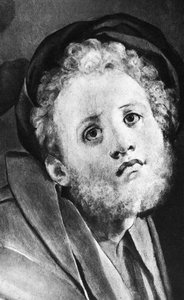
جاكوبو بونتورمو
1494 - 1557 , إيطاليا
لمحة سريعة
- الأعمال البارزة:
- زيارة العذراء
- تنزيل المسيح
- الاسم الكامل: جاكوبو بونتورمو
- الجنسية: إيطالي
- الحركة الفنية: مانيريزم
- الفنانون المؤثرون: ['ليوناردو دافنشي']
- الفنانون المتأثرون: ['روسو فيورنتينو']
- تاريخ الميلاد: 1494
- مكان الميلاد: بونتورمي، إيطاليا
مقالات ذات صلة

Drama & Distortion: The High-Voltage Energy of Baroque Mannerism
Dive into the high-voltage world of Baroque Mannerism. Explore how artists traded Renaissance harmony for dramatic distortion, intense light, and pure visual energy. Discover the masters of tension and learn to bring this bold, cinematic aesthetic into your modern space.

Mannerism: Bridging Renaissance Harmony & Baroque Drama – A Study of Style & Affectation
Explore the fascinating world of Mannerism! Discover its key characteristics, pioneering artists like Pontormo & Bronzino, and its pivotal role in bridging Renaissance harmony to Baroque drama. A comprehensive guide for art enthusiasts.
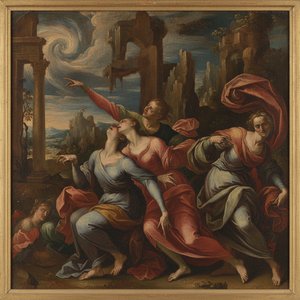
Drama & Distortion: A Journey Through the Captivating World of Baroque Mannerism
Explore the dramatic tension of Mannerism and the opulent grandeur of Baroque art. Discover how masters used light, shadow, and distortion to redefine European history through a captivating journey of emotional intensity and spiritual fervor.

دراما الباروك: إحياء الفخامة والعاطفة في الدواخل المعاصرة
اكتشف سحر الباروك! دليل شامل حول الحركة الفنية، عناصرها الجمالية، وكيفية دمج فخامتها وعاطفتها في الدواخل المعاصرة. نصائح من خبراء OriginalUniqueArt لإضفاء لمسة باروكية على منزلك.

Drama and Distortion: A Definitive Guide to the Mastery of Mannerism and Baroque Art
Explore the dramatic evolution from Mannerist distortion to Baroque grandeur. Discover how light, shadow, and emotion redefined art history through a masterclass in technical mastery and religious fervor.

