

 معاينة الحجم الحقيقي
 مشاركة
 مشاركة
 التفاصيل

 تحميل الملف
 قطع مشابهة
 الأشعة السينية
 عرض شرائح
Madonna and Child
 Oil On Panel
- Renaissance
 1450
1450 111.0 x 62.0 cm
 غاليريا أوفيزي
 عرض المزيد
طباعة جيلي / مطبوعات فنية
طباعة جيكلي أو كانفاس بجودة المتاحف، مع سرعة في التنفيذ وخيارات متنوعة للتشطيب. ( اشترِ لوحة مرسومة يدويًا اشترِ الصورة)




P118B $10

P118H $10

P118W $10

P438Z $10

P508JH $12

P508YH $12

P805H $10

P805Z $10

P919BZ $10

P919G $10

P919XJ $10

P959ZH $10

P968JZ $12

W106C $8

W218G $10

W218JH $8

W218Y $10

W307PJ $10

W316G $10

W316PJ $8

W316Y $10

W398PJ $8

W4111J $10

W500HY $15

W500JH $15

W692G $12

W849H $8

W940BG $15

W953PJ $8




اختر من بين أحجامنا المُعدّة مسبقًا والتي تتطابق مع النسب الأصلية للعمل الفني.

يمكنك إدخال أبعادك الخاصة لتناسب إطاراً أو مساحة معينة. وإذا لم يتطابق الحجم الذي اخترته مع نسب الصورة الأصلية، فسنقوم إما بقص العمل الفني أو تمديد الصورة باستخدام حافة معكوسة أو بلون مصمت. سيتم إرسال نموذج تجريبي رقمي لاعتمادك قبل بدء الإنتاج.
يرجى ملاحظة أن المعاينة على الشاشة لا تعكس عملية القص أو التمديد الفعلية؛ حيث سيوضح النموذج التجريبي فقط التكوين النهائي بدقة.
وعلى الرغم من توفر أحجام مخصصة، إلا أننا نوصي باختيار أبعاد من القائمة المحددة مسبقاً للحفاظ على النسب الأصلية.
توصيل عالمي إلى خلال أسبوعين بدلاً من المدة القياسية البالغة 4/5 أسابيع. 29 أغسطس

شحن سريع ومجاني لجميع أنحاء العالم

قماش كتان عالي الجودة

تأمين شحن شامل

ضمان استرداد الرسوم الجمركية

ضمان مطابقة الألوان الحقيقية

سياسة الإرجاع خلال 60 يومًا (في حالات العيوب فقط)

ضمان استرداد نقدي بنسبة 100%

خصم عند طلب عدة قطع
 خيار الزجاج متاح فقط للمقاسات التي تقل عن 110 سم

Madonna and Child
طباعة جيلي / مطبوعات فنية
مقاس النسخة المطبوعة
-


السعر الإجمالي النهائي
$ 80
Madonna and Child - A Renaissance Masterpiece
Jacopo Bellini’s *Madonna and Child*, painted around 1450, stands as an emblem of Venetian Renaissance artistic achievement—a testament to meticulous observation and masterful execution that continues to captivate viewers centuries later. More than just a depiction of the Virgin Mary cradling Jesus, it embodies the burgeoning humanist spirit of its time, reflecting a profound engagement with classical ideals while simultaneously forging new paths in artistic expression. Its survival as one of Bellini’s few extant paintings is remarkable, offering invaluable insight into his creative process and cementing his position as a pivotal figure in shaping Venetian art history.Historical Context & Artistic Influences
The painting emerged during a period of significant cultural transformation in Venice—a city experiencing rapid economic growth fueled by trade with the East and increasingly receptive to intellectual currents originating from Florence. Bellini’s artistic sensibilities were profoundly shaped by these developments, particularly by the influence of Masolino da Panicale, who had resided in Lucca during Bellini's formative years. Masolino’s pioneering use of linear perspective—a technique previously largely absent from Venetian painting—served as a catalyst for Bellini’s own experimentation with spatial representation. This embrace of perspective wasn’t merely a stylistic innovation; it represented a fundamental shift toward portraying the world in greater accuracy and realism, mirroring the broader humanist preoccupation with understanding nature through mathematical principles. Furthermore, Bellini absorbed elements of Flemish art, evident in the luminous color palette and atmospheric haze characteristic of his style—a stylistic convergence that exemplifies the dynamism of Venetian artistic culture during this era.Style & Technique – The Venetian Renaissance Touch
Bellini’s *Madonna and Child* exemplifies the Venetian Renaissance aesthetic with its serene composition and subtle emotional depth. Unlike earlier Gothic depictions, which often prioritized symbolic grandeur over psychological realism, Bellini achieved a remarkable balance between formal elegance and expressive nuance. He skillfully employed tempera on panel—a technique favored by Venetian artists—resulting in a surface finish that is remarkably smooth and luminous. The artist’s meticulous attention to detail—particularly in rendering the drapery of Mary’s robes—demonstrates an unparalleled mastery of brushwork, creating folds and contours that imbue the painting with palpable texture and dimensionality. Bellini's use of color is equally noteworthy; he eschewed the harsh hues of earlier styles, opting instead for muted browns, reds, and golds that convey a sense of solemn reverence and spiritual contemplation. The pyramidal composition—a compositional device borrowed from classical sculpture—further reinforces the painting’s stability and grandeur, directing the viewer's gaze toward the central figures with unwavering focus.Symbolism & Emotional Impact
Beyond its formal achievements, *Madonna and Child* resonates deeply with viewers on an emotional level—expressing a profound reverence for motherhood and divine grace. The halo surrounding Jesus’ head symbolizes his divinity, while Mary’s serene expression embodies her role as protector of faith and compassion. The inclusion of the fruit held by Christ represents his status as the New Adam—the embodiment of humanity redeemed from original sin—underscoring the painting's theological significance. Bellini’s masterful depiction of gesture—particularly Mary’s blessing—captures a moment of profound tenderness and spiritual communion, inviting contemplation on themes of faith, love, and humility. The overall atmosphere is one of tranquility and ethereal beauty—a testament to Bellini’s ability to convey complex emotions through subtle visual cues.Conclusion
Jacopo Bellini's *Madonna and Child* remains an enduring masterpiece—a cornerstone of Venetian Renaissance art that continues to inspire admiration for its technical brilliance and expressive power. Its legacy extends far beyond the confines of the Uffizi Gallery, where it resides today; it serves as a poignant reminder of the transformative potential of artistic innovation and the capacity of art to communicate profound spiritual truths across centuries.السيرة الذاتية للفنان
رائد المنظور في عصر النهضة البندقي
يبرز اسم ياكوبو بيليني كشخصية محورية في أسلوب الرسم الناشئ لعصر النهضة الذي ازدهر في البندقية وشمال إيطاليا. لم يكن مجرد رسام عادي، بل كان أحد المبتكرين التأسيسيين لهذا الفن، حيث صاغ الذائقة الفنية من خلال ملاحظته الدقيقة للطبيعة ودمجه المتقن للمنظور الخطي—وهي تقنية كانت غائبة إلى حد كبير عن الفن البندقي في ذلك الوقت. ورغم أن القليل من لوحات بيليني الأصلية قد صمدت حتى يومنا هذا لتُشاهد في كامل بهائها، إلا أن إرثه العميق يكمن بشكل أساسي في دفاتر رسوماته الرائعة، مثل تلك الموجودة في المتحف البريطاني ومتحف اللوفر. وتكشف هذه الرسومات عن شغف عميق بالمناظر الطبيعية الشاسعة والتصاميم المعمارية المعقدة، مما يقدم رؤية لا تقدر بثمن لعملية فنية مهدت الطريق للثورات الأسلوبية في القرون التالية.
ولد ياكوبو في البندقية حوالي عام 1396، وكانت سنوات تكوينه الأولى غارقة في التقاليد الزخرفية الغنية للفترة القوطية المتأخرة. وتشير بدايات تدريبه إلى أنه كان تلميذاً للفنان الشهير جينتيلي دا فابريانو، الذي أنتجت ورشته بعضاً من أكثر اللوحات الجدارية طموحاً وزخرفة في ذلك العصر. ولا شك أن هذا الارتباط المرموق قد غرس في بيليني تقديراً مدى الحياة للتفاصيل الدقيقة، وتناغم الألوان، والتعقيد الزخرفي الفريد. كما شهدت بدايات مسيرته نشاطاً في فولينيو بين عامي 1411 و1412، حيث تعاون في تنفيذ اللوحات الجدارية الضخمة في قصر ترينشي، عاكساً مهارات كبار الأساتذة الذين حددوا معالم الأسلوب القوطي الدولي.
رحلة عبر قلب عصر النهضة
جاءت نقطة التحول الكبرى عندما سافر بيليني إلى فلورنسا حوالي عام 1423. وضعت هذه الرحلة بيليني في قلب فترة مكثفة من التجريب الفني بقيادة عمالقة مثل برونليسكي، ودوناتيلو، ومازاتشو. وفي فلورنسا، التقى بعلم المنظور الخطي الناشئ، وهو الاكتشاف الذي سيغير نهجه تجاه المساحة والعمق بشكل جذري. ومن خلال مزج الأناقة الغنائية والزخرف التراثي لجذوره البندقية مع الصرامة الهيكلية والوضوح المكاني للمبتكرين الفلورنسيين، بدأ بيليني في صياغة لغة بصرية فريدة؛ حيث سمح له هذا المزيج بالتجاوز من المستويات الرمزية المسطحة للعصور الوسطى نحو تصوير أكثر انغماساً للعالم، وكأنه نافذة مفتوحة على الواقع.
ومع تقدم مسيرته المهنية، أصبح بيليني شخصية مركزية في تأسيس سلالة عائلية هيمنت على الفن البندقي لأجيال. ولم يكن تأثيره شخصياً فحسب، بل كان تعليمياً أيضاً، حيث نقل ابتكاراته إلى ابنيه، جينتي وجيوفاني. ومن خلالهما، أزهرت بذور تجاربه مع الضوء والمناظر الطبيعية والمنظور لتتحول إلى ألق عصر النهضة العالي المرتبط باسم عائلة بيليني. لقد كان عمله بمثابة جسر يربط بين التقاليد الزخرفية للماضي والواقعية الإنسانية للمستقبل، مما جعله حلقة لا غنى عنها في تطور الفن الإيطالي.
الإرث والأهمية التاريخية
تكمن الأهمية التاريخية لياكوبو بيليني في دوره كمحفز للتغيير. ورغم أن الكثير من نتاجه الفني لا يزال محصوراً في الوسيط الحميم للحبر والقلم، إلا أن تلك الرسومات تعمل بمثابة مخطط أساسي لعصر النهضة البندقي. إن قدرته على تصور مناظر طبيعية معقدة ومتعددة الطبقات وعمارة متماسكة رياضياً قد وضعت حجر الأساس لخلفائه لاستكشاف الجمال الأثيري للبحيرة البندقية. إن دراسة بيليني هي بمثابة شهادة على اللحظة التي بدأت فيها عين الفنان تتقن حقاً خداع العمق، مما غير إلى الأبد كيفية إدراك البشرية للعالم المرسوم.
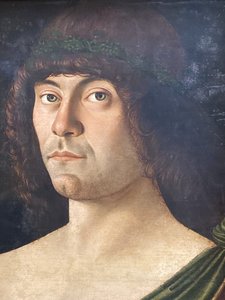
ياكوبو بيليني
1396 - 1470 , إيطاليا
حقائق سريعة
- Artistic Movement Or Style: عصر النهضة
- Artists Or Movements Influenced By This Artist: ['مازاتشو']
- Artists Who Influenced This Artist: ['جنتيلي دا فابريانو']
- Date Of Birth: البندقية، إيطاليا (139ca)
- Date Of Death: حوالي 1470
- Full Name: ياكوبو بيليني
- Nationality: إيطالي
- Notable Artworks:
- صلب المسيح في كاتدرائية فيرونا
- العذراء والطفل
- Place Of Birth: البندقية
مقالات ذات صلة

أعمال جاكوبو تينتوريتو الخالدة: 25 تحفة فنية تزين منزلك بجمال عصر النهضة
اكتشف 25 تحفة فنية لجاكوبو تينتوريتو، رائد فن عصر النهضة الإيطالي. استمتع بقصص لوحاته الرائعة وألوانه الزيتية المعبرة. احصل على إعادة إنتاج عالية الجودة لديكور منزلك الفاخر على OriginalUniqueArt.com

The Enduring Legacy of Oil on Canvas: Technique, History & Aesthetic Impact
Explore the rich history & techniques of oil painting – from Renaissance masters to Impressionism. Discover pigments, layering methods, and why this timeless medium endures. Expert insights for artists & art enthusiasts.
أروع 25 لوحة لرافائيل: تحف فنية تزين منزلك بجمال عصر النهضة
اكتشف أروع 25 لوحة لرافائيل، فنان عصر النهضة العظيم. استمتع بقصص ملهمة وتقنيات فنية رائعة في عالم الفن الإيطالي الكلاسيكي. احصل على نسخ عالية الجودة من تحف رافائيل لتزيين منزلك بجمال لا يضاهى. اكتشف المجموعة الكاملة الآن على OriginalUniqueArt.com!

Oil on Canvas: A Historical & Technical Exploration of a Timeless Artistic Medium
Explore the rich history & enduring techniques of oil painting on canvas. Discover the science behind its longevity, conservation practices, and contemporary relevance. Expert insights for art enthusiasts.

The Enduring Power of Painting: A Historical & Contemporary Exploration of Form and Emotion
Explore the rich history & enduring techniques of oil painting with OriginalUniqueArt. Discover masterpieces, learn about art collecting, and find authentic handmade reproductions crafted by skilled artists.

