

 معاينة الحجم الحقيقي
 مشاركة
 مشاركة
 التفاصيل

 تحميل الملف
 قطع مشابهة
 الأشعة السينية
 عرض شرائح
Flagellation
 Acrylic On Canvas
- WallArt
- Early Renaissance Italian
 1450
1450 426.0 x 286.0 cm
 متحف اللوفر
 عرض المزيد
نسخة زيتية مصنوعة يدوياً
لوحة زيتية مرسومة يدوياً على الكانفاس بالمقاس والإطار الذي تفضله، تُنفذ حسب الطلب على أيدي فنانينا. ( اشترِ نسخة مطبوعة اشترِ الصورة)




P118B $10

P118H $10

P118W $10

P438Z $10

P508JH $12

P508YH $12

P805H $10

P805Z $10

P919BZ $10

P919G $10

P919XJ $10

P959ZH $10

P968JZ $12

W106C $8

W218G $10

W218JH $8

W218Y $10

W307PJ $10

W316G $10

W316PJ $8

W316Y $10

W398PJ $8

W4111J $10

W500HY $15

W500JH $15

W692G $12

W849H $8

W940BG $15

W953PJ $8




اختر من بين أحجامنا المُعدّة مسبقًا والتي تتطابق مع النسب الأصلية للعمل الفني.

يمكنك إدخال أبعادك الخاصة لتناسب إطارًا معينًا أو مساحة محددة. وإذا لم يتطابق الحجم الذي اخترته مع نسب الصورة الأصلية، فسنقوم إما بقص العمل الفني أو توسيع اللوحة بإضافة عناصر مرسومة يدويًا. سيتم إرسال نموذج رقمي إليك للموافقة عليه قبل بدء الإنتاج.
يرجى ملاحظة أن المعاينة على الشاشة لا تعكس عملية القص أو التوسيع الفعلية؛ حيث إن النموذج الرقمي وحده هو الذي سيوضح التكوين النهائي بدقة.
وعلى الرغم من توفر أحجام مخصصة، إلا أننا نوصي باختيار أبعاد من القائمة المحددة مسبقًا للحفاظ على النسب الأصلية للعمل الفني.
بعد إتمام الطلب، سيرسل فريق OriginalUniqueArt.com بريداً إلكترونياً للعميل لطلب التعليمات وتزويده بمعاينة تجريبية (mockup).
توصيل عالمي إلى خلال 3 إلى 4 أسابيع بدلاً من المدة المعتادة البالغة 5 أسابيع. (14 أغسطس). جودة لا تهاون فيها.

شحن سريع ومجاني لجميع أنحاء العالم

قماش كتان عالي الجودة

تأمين شحن شامل

ضمان استرداد الرسوم الجمركية

ضمان مطابقة الألوان الحقيقية

سياسة الإرجاع خلال 60 يومًا (في حالات العيوب فقط)

ضمان استرداد نقدي بنسبة 100%

خصم عند طلب عدة قطع
 خيار الزجاج متاح فقط للمقاسات التي تقل عن 110 سم

Flagellation
خامة إعادة الإنتاج
مقاس النسخة المطبوعة
-


السعر الإجمالي النهائي
$ 650
وصف العمل الفني
A Study in Divine Order: Jacopo Bellini’s Flagellation
Jacopo Bellini's "Flagellation," painted circa 1450, isn’t merely a depiction of a biblical scene; it’s a profound meditation on human suffering, civic duty, and the nascent principles of Renaissance perspective. This remarkable drawing, now residing within the British Museum’s collection, offers a tantalizing glimpse into the mind of one of Venice's most influential artists – a man who was quietly revolutionizing how images were conceived and rendered in his time. Far removed from the grand, opulent frescoes that dominated Venetian art, Bellini’s preparatory sketch possesses an intimate quality, inviting us to witness the genesis of a masterpiece and contemplate the artist’s meticulous process.
The scene itself is both dramatic and restrained. A vast architectural complex dominates the composition – a towering structure of arches, balconies, and intricate detailing that speaks to the power and order of the Venetian Republic. Within this meticulously constructed space, figures are engaged in a brutal act: the scourging of Christ. The arrangement isn’t chaotic; rather, it adheres to a strict geometric logic, reflecting Bellini's deep understanding and application of linear perspective. The receding lines of the building create an illusion of depth, drawing the viewer into the scene while simultaneously emphasizing the figures’ vulnerability within this imposing framework. This careful orchestration of space is a hallmark of Renaissance art, signaling a shift away from the flattened perspectives of earlier periods.
Early Renaissance Innovation and Venetian Sensibility
Bellini's work stands as a crucial bridge between the Gothic traditions of his predecessors and the groundbreaking innovations of the High Renaissance. He inherited the rich color palettes and decorative tendencies of Venetian painting, but he also embraced the emerging principles of linear perspective championed by artists like Brunelleschi and Masaccio. Unlike many of his contemporaries who focused on grand narratives or religious iconography, Bellini’s preparatory sketches reveal a fascination with architectural studies – a testament to his belief that understanding form and structure was essential for creating compelling images. The drawing's focus isn’t on the emotional impact of Christ’s suffering, but rather on the precise rendering of the building itself, suggesting an underlying concern with civic order and the representation of power.
The monochrome palette – a carefully calibrated range of grays – contributes significantly to the artwork’s solemn mood. Bellini masterfully employs hatching and cross-hatching techniques to create subtle variations in tone and texture, lending a remarkable sense of volume and depth to the architectural elements. The delicate lines delineate every archway, column, and window frame with painstaking detail, demonstrating Bellini's exceptional draftsmanship. This meticulous approach reflects not only his artistic skill but also his deep respect for the subject matter – a reverence that is palpable in every stroke of the pen.
Symbolism and Historical Context
While the immediate narrative of "Flagellation" is rooted in the Passion of Christ, it’s important to consider the broader historical context within which Bellini was working. Venice during the mid-15th century was a thriving center of commerce, art, and political intrigue. The city's wealth and power were reflected in its magnificent architecture, and its citizens took great pride in their civic identity. Bellini’s drawing can be interpreted as an allegory for this civic ethos – a visual representation of the Republic’s strength, order, and commitment to justice. The act of scourging, though undeniably painful, is presented within a framework of architectural grandeur, suggesting that suffering is an inevitable part of the human experience but one that must be endured with dignity and fortitude.
Furthermore, the drawing's scale – measuring 426 x 286 cm – suggests its intended role as a preparatory study for a larger work, possibly a monumental fresco or tapestry. The level of detail evident in this sketch indicates Bellini’s meticulous planning and his commitment to achieving a truly immersive visual experience. It is a testament to the artist's vision that he could translate such complex ideas into a single drawing, demonstrating both technical mastery and artistic insight.
A Legacy of Precision and Vision
Jacopo Bellini’s “Flagellation” stands as a pivotal work in the development of Renaissance art. It exemplifies his innovative approach to perspective, his meticulous draftsmanship, and his deep understanding of Venetian culture. More than just a depiction of a biblical scene, it is a profound meditation on human suffering, civic duty, and the enduring power of artistic vision. Reproductions of this drawing offer a unique opportunity to appreciate Bellini’s genius and to connect with one of the most influential artists of the Renaissance.
السيرة الذاتية للفنان
رائد المنظور في عصر النهضة البندقي
يبرز اسم ياكوبو بيليني كشخصية محورية في أسلوب الرسم الناشئ لعصر النهضة الذي ازدهر في البندقية وشمال إيطاليا. لم يكن مجرد رسام عادي، بل كان أحد المبتكرين التأسيسيين لهذا الفن، حيث صاغ الذائقة الفنية من خلال ملاحظته الدقيقة للطبيعة ودمجه المتقن للمنظور الخطي—وهي تقنية كانت غائبة إلى حد كبير عن الفن البندقي في ذلك الوقت. ورغم أن القليل من لوحات بيليني الأصلية قد صمدت حتى يومنا هذا لتُشاهد في كامل بهائها، إلا أن إرثه العميق يكمن بشكل أساسي في دفاتر رسوماته الرائعة، مثل تلك الموجودة في المتحف البريطاني ومتحف اللوفر. وتكشف هذه الرسومات عن شغف عميق بالمناظر الطبيعية الشاسعة والتصاميم المعمارية المعقدة، مما يقدم رؤية لا تقدر بثمن لعملية فنية مهدت الطريق للثورات الأسلوبية في القرون التالية.
ولد ياكوبو في البندقية حوالي عام 1396، وكانت سنوات تكوينه الأولى غارقة في التقاليد الزخرفية الغنية للفترة القوطية المتأخرة. وتشير بدايات تدريبه إلى أنه كان تلميذاً للفنان الشهير جينتيلي دا فابريانو، الذي أنتجت ورشته بعضاً من أكثر اللوحات الجدارية طموحاً وزخرفة في ذلك العصر. ولا شك أن هذا الارتباط المرموق قد غرس في بيليني تقديراً مدى الحياة للتفاصيل الدقيقة، وتناغم الألوان، والتعقيد الزخرفي الفريد. كما شهدت بدايات مسيرته نشاطاً في فولينيو بين عامي 1411 و1412، حيث تعاون في تنفيذ اللوحات الجدارية الضخمة في قصر ترينشي، عاكساً مهارات كبار الأساتذة الذين حددوا معالم الأسلوب القوطي الدولي.
رحلة عبر قلب عصر النهضة
جاءت نقطة التحول الكبرى عندما سافر بيليني إلى فلورنسا حوالي عام 1423. وضعت هذه الرحلة بيليني في قلب فترة مكثفة من التجريب الفني بقيادة عمالقة مثل برونليسكي، ودوناتيلو، ومازاتشو. وفي فلورنسا، التقى بعلم المنظور الخطي الناشئ، وهو الاكتشاف الذي سيغير نهجه تجاه المساحة والعمق بشكل جذري. ومن خلال مزج الأناقة الغنائية والزخرف التراثي لجذوره البندقية مع الصرامة الهيكلية والوضوح المكاني للمبتكرين الفلورنسيين، بدأ بيليني في صياغة لغة بصرية فريدة؛ حيث سمح له هذا المزيج بالتجاوز من المستويات الرمزية المسطحة للعصور الوسطى نحو تصوير أكثر انغماساً للعالم، وكأنه نافذة مفتوحة على الواقع.
ومع تقدم مسيرته المهنية، أصبح بيليني شخصية مركزية في تأسيس سلالة عائلية هيمنت على الفن البندقي لأجيال. ولم يكن تأثيره شخصياً فحسب، بل كان تعليمياً أيضاً، حيث نقل ابتكاراته إلى ابنيه، جينتي وجيوفاني. ومن خلالهما، أزهرت بذور تجاربه مع الضوء والمناظر الطبيعية والمنظور لتتحول إلى ألق عصر النهضة العالي المرتبط باسم عائلة بيليني. لقد كان عمله بمثابة جسر يربط بين التقاليد الزخرفية للماضي والواقعية الإنسانية للمستقبل، مما جعله حلقة لا غنى عنها في تطور الفن الإيطالي.
الإرث والأهمية التاريخية
تكمن الأهمية التاريخية لياكوبو بيليني في دوره كمحفز للتغيير. ورغم أن الكثير من نتاجه الفني لا يزال محصوراً في الوسيط الحميم للحبر والقلم، إلا أن تلك الرسومات تعمل بمثابة مخطط أساسي لعصر النهضة البندقي. إن قدرته على تصور مناظر طبيعية معقدة ومتعددة الطبقات وعمارة متماسكة رياضياً قد وضعت حجر الأساس لخلفائه لاستكشاف الجمال الأثيري للبحيرة البندقية. إن دراسة بيليني هي بمثابة شهادة على اللحظة التي بدأت فيها عين الفنان تتقن حقاً خداع العمق، مما غير إلى الأبد كيفية إدراك البشرية للعالم المرسوم.
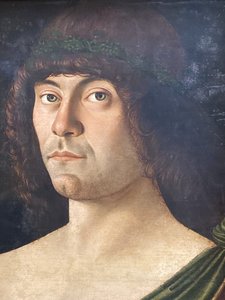
ياكوبو بيليني
1396 - 1470 , إيطاليا
حقائق سريعة
- Artistic Movement Or Style: عصر النهضة
- Artists Or Movements Influenced By This Artist: ['مازاتشو']
- Artists Who Influenced This Artist: ['جنتيلي دا فابريانو']
- Date Of Birth: البندقية، إيطاليا (139ca)
- Date Of Death: حوالي 1470
- Full Name: ياكوبو بيليني
- Nationality: إيطالي
- Notable Artworks:
- صلب المسيح في كاتدرائية فيرونا
- العذراء والطفل
- Place Of Birth: البندقية
مقالات ذات صلة

The Enduring Legacy of Architecture in Art: A Historical Survey of Representation & Meaning
Explore the rich history of architecture in art, from Renaissance theory to 19th-century reconstructions. Discover key artists & movements shaping visual representation – a guide for discerning collectors.
The Enduring Legacy of Architecture in Art: A Historical Survey of Representation & Aesthetic Influence
Explore the rich history of architecture's influence on art! Discover Renaissance perspective techniques, symbolism, & iconic masterpieces. Enhance your understanding with our expert analysis.

Piero della Francesca: Renaissance Perspective, Divine Proportion & the Pursuit of Ideal Form
Explore the revolutionary art of Piero della Francesca – master of perspective, divine proportion & Renaissance humanism. Discover his iconic paintings & lasting influence on art history.

The Flourishing of Humanism: A Comprehensive Exploration of the Italian Renaissance Art Movement
Explore the Italian Renaissance! Discover humanist ideals, iconic masterpieces by Leonardo, Michelangelo & Raphael, and lasting artistic innovations. A comprehensive guide for art enthusiasts.
Acrylic Canvas Masters: 10 Paintings That Redefined Modern Art |
Explore 10 legendary 'Acrylic On Canvas' masterpieces by artists like Rothko, Warhol & Frankenthaler. Discover the stories behind these iconic paintings and their impact on modern art. Find museum-quality reproductions at – elevate your home with timeless beauty.

