

 معاينة الحجم الواقعي
 إرسال
إرسال مشاركة
 عرض التفاصيل
 دليل الأعمال الفنية للطلاب

 تحميل
تحميل
 قطع مشابهة
 الأشعة السينية
 عرض شرائح متتابع
 الإحصائيات
The Spearman


 اقرأ المزيد
إن العمل الفني المعروض في هذه الصفحة محمي بموجب قوانين حقوق الطبع والنشر، مما يعني أنه لا يحق لنا قانوناً إنشاء أو بيع نسخ مطابقة له. وتُطبق هذه الحماية بموجب الاتفاقيات الدولية مثل الـ اتفاقية برن ووفقاً للقوانين الوطنية، بما في ذلك تلك المنصوص عليها في قانون حقوق الطبع والنشر في الولايات المتحدة - الباب 17.
تتوافق هذه الطريقة تماماً مع لوائح حقوق النشر لأنها لا تتضمن نسخ أو تكرار العمل الفني المحمي، بل هي إعادة تفسير إبداعية؛ أي أنها لوحة جديدة مستوحاة من الأصل ولكنها ليست مطابقة له.
طباعة جيلي / مطبوعات فنية
طباعة جيكلي أو كانفاس بجودة المتاحف، مع سرعة في التنفيذ وخيارات متنوعة للتشطيب. ( اطلب نسخة مرسومة يدويًا التحويل إلى الصورة الرقمية)




































اختر من بين أحجامنا المُعدّة مسبقاً والتي تتوافق مع النسب الأصلية للعمل الفني.

أدخل العرض والارتفاع اللذين تحتاجهما، ليتناسب مع إطارك أو جدارك. يمكن قص المطبوعة فقط، ولا يمكن أبداً جعلها أكبر من الصورة الأصلية، لذا فإن أي مقاس بشكل مختلف سيؤدي إلى فقدان جزء من الصورة. سنرسل لك نموذجاً رقمياً تجريبياً لاعتماده قبل البدء في عملية الطباعة. الصورة المعروضة في هذه الصفحة لا توضح القص الفعلي — النموذج التجريبي فقط هو ما يظهر ذلك.
توصيل عالمي إلى خلال أسبوعين بدلاً من المدة القياسية البالغة 4/5 أسابيع. (25 أكتوبر)

شحن سريع ومجاني لجميع أنحاء العالم

قماش كتان فاخر

تأمين شامل على الشحن

ضمان استرداد الرسوم الجمركية

ضمان دقة مطابقة الألوان

سياسة الإرجاع خلال 100 يوم (في حالات العيوب فقط)

ضمان استرداد نقدي بنسبة 100%

عرض خصم الكميات
 خيار الزجاج متاح فقط للمقاسات التي تقل عن 110 سم

The Spearman
طباعة جيلي / مطبوعات فنية
مقاس النسخة المطبوعة
-


إجمالي السعر
E£ 4140
The Spearman by Ivan Meštrović: A Symbol of Strength and Nobility
An Introduction to "The Spearman"
- Artist: Ivan Meštrović
- Year: 1928
- Style: Art Deco, Classical Sculpture
- Medium: Bronze
"The Spearman" is a striking bronze sculpture by Croatian artist Ivan Meštrović, created in 1928. This powerful work depicts a warrior on horseback, embodying themes of strength, courage, and nobility. Originally commissioned for Chicago's Congress Plaza, it stands as a testament to Meštrović’s mastery of form and his ability to capture the essence of heroic figures.
Artistic Style and Technique
- Classical Influence: Meštrović draws heavily from classical sculptural traditions, evident in the idealized forms of both the rider and the horse. The anatomical accuracy and dynamic pose reflect a deep understanding of ancient Greek and Roman sculpture.
- Art Deco Elements: While rooted in classicism, "The Spearman" also incorporates elements of Art Deco, characterized by its streamlined shapes and emphasis on geometric forms. This blend creates a unique aesthetic that is both timeless and reflective of the 1920s era.
- Bronze Casting Technique: The sculpture itself was created using the lost-wax bronze casting technique, a complex process that allows for intricate detail and durability. The slightly rough texture on the bronze surface is a hallmark of this method, adding to the sculpture's tactile appeal.
Historical Context and Symbolism
- Commissioned for Chicago: "The Spearman" was commissioned as part of a larger project to enhance Congress Plaza in Chicago. The sculptures were intended to serve as gatekeepers, welcoming visitors to the parkway.
- Native American Representation: While initially envisioned as depicting conquering pioneers, Meštrović ultimately chose to portray Native American figures on horseback, adding layers of complexity and cultural significance to the work.
- Themes of Strength and Courage: The sculpture embodies universal themes of strength, courage, and determination. The dynamic pose of the rider and horse conveys a sense of action and forward momentum, symbolizing the pursuit of noble goals.
- Absence of Weapons: Notably, both "The Spearman" and its companion piece, "The Bowman," lack their respective weapons (spear and bow). Meštrović intentionally omitted these details to focus attention on the figures' musculature and the linear patterns of their forms, encouraging viewers to imagine the action rather than being distracted by specific weaponry.
Emotional Impact and Legacy
- Nobility and Heroism: "The Spearman" evokes feelings of nobility, heroism, and a sense of timeless grandeur. The sculpture's imposing size and dynamic composition command attention and inspire awe.
- Subdued Elegance: Despite its powerful subject matter, the sculpture possesses a certain subdued elegance, thanks to Meštrović’s masterful handling of form and texture.
- A Lasting Legacy: Ivan Meštrović is considered one of Croatia's most important sculptors, and "The Spearman" stands as one of his most iconic works. Its enduring appeal lies in its ability to transcend cultural boundaries and resonate with audiences across generations.
الأسئلة والأجوبة
ما مدى حدة الألوان في "The Spearman" للفنان Ivan Meštrović؟
تتميز الألوان في "The Spearman" للفنان Ivan Meštrović بكثافة Monochromatic.
ما سبب الوضع الحالي لحقوق الطبع والنشر لـ "The Spearman"؟
تعتمد حالة حقوق الطبع والنشر لـ "The Spearman" - لا تزال محمية بموجب حقوق الطبع والنشر - على تاريخ وفاة الفنان في 1962.
أين يمكنني شراء نسخة مطبوعة من "The Spearman" للفنان Ivan Meštrović؟
تتوفر نسخة مطبوعة من "The Spearman" عبر مطبوعة فنية فاخرة على قماش قطني أو ورق كانفاس أرشيفي. يمكن تقديم الطلبات من خلال صفحة مطبوعة فنية فاخرة، بالحجم الذي تختارونه.
نبذة عن الفنان
Ivan Meštrović: Life and Legacy
Early Life and Education
Ivan Meštrović was born on August 14, 1883, in Vrbovec, Croatia (then part of Austria-Hungary). From a young age, he displayed a remarkable talent for sculpting. He began his artistic training at the stone workshop of Pavle Bilinić in Split, where he honed his skills in stonemasonry and sculpture. He continued his education at the Academy of Fine Arts Vienna, immersing himself in the Secessionist movement and its emphasis on modern aesthetics.
Influences and Artistic Development
Meštrović’s artistic development was profoundly shaped by his travels throughout Europe. He studied the works of ancient Greek and Roman sculptors, as well as Renaissance masters like Michelangelo. He also admired the work of French sculptors such as Auguste Rodin, Antoine Bourdelle, and Aristide Maillol. These influences are evident in his blend of classical forms with a modern sensibility.
- Early Works: His early sculptures often reflected national-romantic themes, inspired by Croatian folklore and heroic songs. He was a key figure in the Medulić group, advocating for art that celebrated Croatian identity.
- Monumental Style: Meštrović gradually developed a monumental style characterized by powerful figures and dynamic compositions.
Major Achievements and Works
Throughout his career, Meštrović created an extensive body of work encompassing sculpture, architecture, and writing. Some of his most notable achievements include:
- Sculptures: The Well of Life, Pieta, The Bowman, Dositej Obradović, and numerous portraits are among his most celebrated sculptures.
- Architectural Projects: He designed several significant buildings in Croatia and the United States, including the Archbishop’s Palace in Zagreb and the Shrine of Our Lady of Montserrat at the University of Notre Dame.
- Writing: Meštrović also authored several books on art and philosophy, reflecting his intellectual depth and artistic vision.
World Wars and Emigration
The First World War disrupted Meštrović’s career, forcing him into emigration. After the war, he returned to Croatia and continued his prolific work. However, political turmoil during World War II led to another period of exile. He emigrated to Italy in 1942, then Switzerland in 1943, and finally settled in the United States in 1947.
Later Life and Legacy
In the United States, Meštrović held professorships at Syracuse University and the University of Notre Dame. He continued to create art and share his knowledge with students until his death on January 16, 1962, in South Bend, Indiana.
Ivan Meštrović’s legacy as Croatia's most prominent modern sculptor remains secure. His work continues to inspire artists and captivate audiences worldwide. He is remembered for his masterful technique, powerful imagery, and profound exploration of human themes. His sculptures are testaments to the enduring power of art to express national identity, religious faith, and universal values.

Ivan Meštrović
1883 - 1962 , Croatia
لمحة سريعة
- Name: Ivan Meštrović
- Movement: Art Nouveau, Modernism
- Birth Date: 1883
- Death Date: 1962
- Birth Place: Vrbovec, Croatia
- Nationality: Croatian, Yugoslav
- Date Of Birth: 1883
- Date Of Death: 1962
- Influenced By:
- Michelangelo
- Auguste Rodin
- Antoine Bourdelle
- Aristide Maillol
- Notable Works:
- Well of Life
- Pieta
- The Bowman
- Place Of Birth: Vrbovec, Croatia
مقالات ذات صلة

The Enduring Legacy of Bronze: A Historical & Artistic Exploration for the Collector
Explore the rich history & enduring appeal of bronze sculpture with expert insights for collectors at OriginalUniqueArt. Learn about casting techniques, iconic artists, collecting tips & contemporary interpretations.
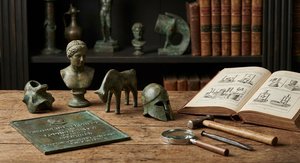
The Enduring Legacy of Bronze: History, Technique & Artistic Expression for the Collector
Explore the rich history & enduring appeal of bronze sculpture with expert insights for collectors at OriginalUniqueArt. Learn about casting techniques, iconic artists, and collecting tips.

Bronze Sculptures That Defined Art History | OriginalUniqueArt
Journey through art history with our Top 10 bronze sculptures! Explore masterpieces by Rodin, Michelangelo & more. Discover stories behind iconic statues and find museum-quality reproductions for your home decor at OriginalUniqueArt.com.

Bronze Age to Modern Masters: 10 Sculptures That Redefined Art | OriginalUniqueArt
Journey through art history with 10 legendary bronze sculptures – from Michelangelo's David to Rodin’s Thinker. Explore the stories, techniques & timeless beauty of these masterpieces. Find museum-quality reproductions & elevate your home decor on OriginalUniqueArt.com.

The Enduring Legacy of Bronze Sculpture: A Collector's Guide to Form & Cultural Significance
Explore the rich history & enduring appeal of bronze sculpture with expert insights for collectors at OriginalUniqueArt. Learn about casting techniques, iconic artists, and collecting tips to build a discerning art collection.