
 معاينة الحجم الحقيقي
 مشاركة
 مشاركة
 التفاصيل

 تحميل الملف
 قطع مشابهة
 الأشعة السينية
 عرض شرائح
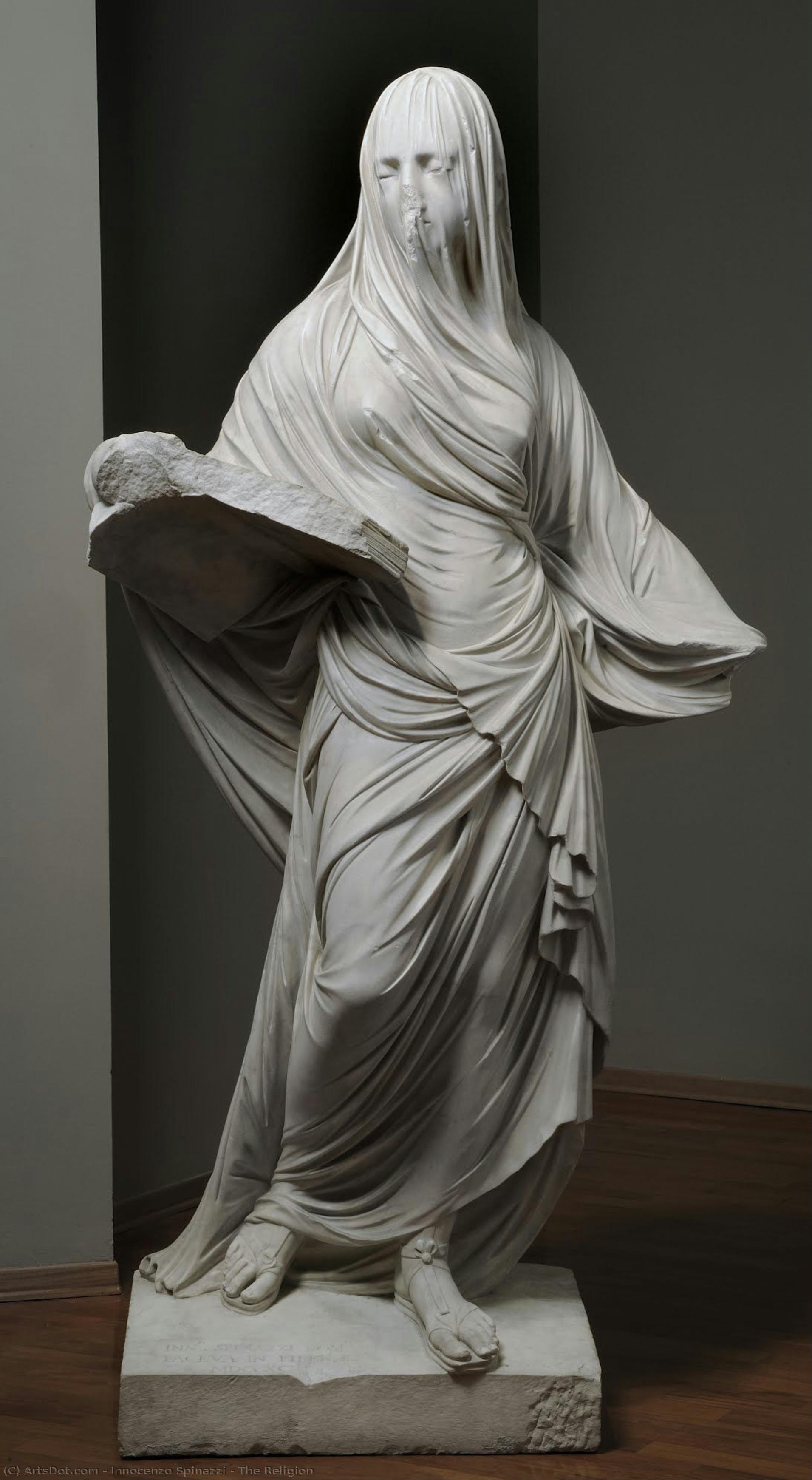
The Religion
 Neoclassicism
 115.0 x 215.0 cm
 Galleria Civica di Arte Moderna e Contemporanea Torino
 عرض المزيد
نسخة زيتية مصنوعة يدوياً
لوحة زيتية مرسومة يدوياً على الكانفاس بالمقاس والإطار الذي تفضله، تُنفذ حسب الطلب على أيدي فنانينا. ( اشترِ نسخة مطبوعة اشترِ الصورة)




































اختر من بين أحجامنا المُعدّة مسبقًا والتي تتطابق مع النسب الأصلية للعمل الفني.

يمكنك إدخال أبعادك الخاصة لتناسب إطارًا معينًا أو مساحة محددة. وإذا لم يتطابق الحجم الذي اخترته مع نسب الصورة الأصلية، فسنقوم إما بقص العمل الفني أو توسيع اللوحة بإضافة عناصر مرسومة يدويًا. سيتم إرسال نموذج رقمي إليك للموافقة عليه قبل بدء الإنتاج.
يرجى ملاحظة أن المعاينة على الشاشة لا تعكس عملية القص أو التوسيع الفعلية؛ حيث إن النموذج الرقمي وحده هو الذي سيوضح التكوين النهائي بدقة.
وعلى الرغم من توفر أحجام مخصصة، إلا أننا نوصي باختيار أبعاد من القائمة المحددة مسبقًا للحفاظ على النسب الأصلية للعمل الفني.
بعد إتمام الطلب، سيرسل فريق OriginalUniqueArt.com بريداً إلكترونياً للعميل لطلب التعليمات وتزويده بمعاينة تجريبية (mockup).
توصيل عالمي إلى خلال 3 إلى 4 أسابيع بدلاً من المدة المعتادة البالغة 5 أسابيع. (17 أغسطس). جودة لا تهاون فيها.

شحن سريع ومجاني لجميع أنحاء العالم

قماش كتان عالي الجودة

تأمين شحن شامل

ضمان استرداد الرسوم الجمركية

ضمان مطابقة الألوان الحقيقية

سياسة الإرجاع خلال 60 يومًا (في حالات العيوب فقط)

ضمان استرداد نقدي بنسبة 100%

خصم عند طلب عدة قطع
 خيار الزجاج متاح فقط للمقاسات التي تقل عن 110 سم

The Religion
خامة إعادة الإنتاج
مقاس النسخة المطبوعة
-


السعر الإجمالي النهائي
$ 300
وصف العمل الفني
السيرة الذاتية للفنان
Innocenzo Spinazzi: Florentine Rococo and the Legacy of Antiquity
Innocenzo Spinazzi (1726–1798) stands as a towering figure in Florentine Baroque sculpture, embodying the artistic fervor of Enlightenment Italy while simultaneously honoring the traditions of classical antiquity. Born into a family of silversmiths in Rome, Spinazzi’s formative years instilled within him an appreciation for meticulous craftsmanship and refined aesthetics—qualities that would define his entire oeuvre. His training under Giovanni Battista Maini provided him with foundational knowledge of sculptural technique and artistic theory, setting the stage for his remarkable ascent to prominence as Florence's foremost sculptor.- Early Career in Rome: Spinazzi’s initial success stemmed from his monumental statue of St Joseph Calasanctius (1755) commissioned for the nave of St Peter’s Basilica, a project that showcased his mastery of marble carving and demonstrated an understanding of Baroque grandeur. This commission solidified his reputation as a sculptor capable of tackling ambitious undertakings and conveying profound spiritual themes.
- Arrival in Florence & Court Patronage: Recognizing the artistic dynamism of Florence under Leopold II, Spinazzi relocated to the city in 1769, swiftly securing the prestigious position of official court sculptor—a role that afforded him unparalleled access to influential patrons and fueled his creative output.
- Monumental Sculpture: Spinazzi's most celebrated works are undoubtedly his sculptures for Santa Croce—particularly the monumental figures representing jurist Giovanni Lami, Angelo Tavanti and Niccolò Machiavelli. These sculptures embody the humanist spirit of the Enlightenment, reflecting a fascination with classical ideals of beauty and proportion.
- Religious Sculpture: Spinazzi’s artistic vision found its fullest expression in his religious commissions, notably *Faith* (1781) and *Religion* (from the tomb of Varvara Jakovlevna), which drew inspiration from Antonio Corradini's Neapolitan sculptures—a testament to his engagement with contemporary artistic trends.

Innocenzo Spinazzi
1726 - 1798 , Italy
حقائق سريعة
- Artistic Movement Or Style: Rococo
- Artists Or Movements Influenced By This Artist: ['Antonio Corradini']
- Artists Who Influenced This Artist:
- Giovanni Battista Maini
- Gian Lorenzo Bernini
- Date Of Birth: Rome, Italy (1726)
- Date Of Death: Florence, Italy (1798)
- Full Name: Innocenzo Spinazzi
- Nationality: Italian
- Notable Artworks:
- Faith
- The Religion
- Place Of Birth: Rome
مقالات ذات صلة

The Enduring Allure of Marble in Art History: From Classical Sculpture to Modern Abstraction
Explore the captivating history of marble sculpture from ancient Greece to modern art. Discover renowned artists like Canova & Michelangelo, carving techniques, and investment insights at OriginalUniqueArt.

Bronze Sculptures That Defined Art History | OriginalUniqueArt
Journey through art history with our Top 10 bronze sculptures! Explore masterpieces by Rodin, Michelangelo & more. Discover stories behind iconic statues and find museum-quality reproductions for your home decor at OriginalUniqueArt.com.
Timeless Elegance: A Complete Guide to the Sublime Beauty and Artistry of Marble Sculpture
Discover the sublime beauty of marble art through an expert exploration of Renaissance and Neoclassical masterpieces. From the delicate textures of Carpeaux to the grandeur of Sansovino, immerse yourself in a guide to timeless elegance and sculptural perfection.

The Enduring Form: Exploring Themes & Techniques in Sculpture Across Historical Periods
Explore the rich history of sculpture from ancient masterpieces to contemporary innovations. Discover key techniques, influential artists & investment potential for discerning art collectors.
The Enduring Form: Sculpture Across History, Technique & Emotional Resonance
Explore the rich history of sculpture with OriginalUniqueArt. Discover key techniques, influential artists & investment potential for discerning collectors. Expert insights into valuing and collecting timeless masterpieces.

