

 معاينة الحجم الواقعي
 إرسال
إرسال مشاركة
 عرض التفاصيل
 دليل الأعمال الفنية للطلاب

 تحميل
تحميل
 قطع مشابهة
 الأشعة السينية
 عرض شرائح متتابع
 الإحصائيات
Rubber Plant 3
 Acrylic On Canvas
- WallArt
- Group f/64
 1929
1929 50.0 x 40.0 cm
 Dulwich Picture Gallery
 اقرأ المزيد
احصل على صورة رقمية عالية الدقة ومعزّزة، بجودة تفوق بكثير المعاينة عبر الإنترنت.
يتم إعداد كل ملف بعناية فائقة على أيدي متخصصينا باستخدام أدوات متقدمة ولمسات يدوية خبيرة، لضمان تمتع كل صورة بوضوح استثنائي، ودقة لونية متناهية، وتفاصيل دقيقة.
يتم تسليم الملف النهائي عبر البريد الإلكتروني في غضون 72 ساعة، وهو مُحسَّن للاستخدام الفوري في المجالات المهنية والتحريرية ومجالات الطباعة؛ وهي ذات الجودة التي تعتمد عليها كبرى استوديوهات التصميم ودور النشر والمعارض الفنية المرموقة.
صورة رقمية
حمّل ملفاً عالي الدقة للعرض الشخصي، والطباعة، والمشاريع الإبداعية. ( التبديل إلى المطبوعات اطلب نسخة مرسومة يدويًا)
مزايا مُضمّنة مع كل طلب صورة رقمية
خدمة تسليم رقمي احترافية ومضمونة
عندما تختار OriginalUniqueArt.com، فأنت لا تحصل على مجرد صورة فحسب، بل ستحصل على عمل فني رقمي مُحسّن باحترافية، صُمم بدقة متناهية ومصحوب بضمان الرضا. إليك كل ما يتضمنه طلبك تلقائياً:

تسليم سريع عبر البريد الإلكتروني
ستصلك ملفات صورك الرقمية عالية الدقة عبر البريد الإلكتروني في غضون 72 ساعة من إتمام الطلب - لتكون جاهزة للاستخدام الفوري.

ملف رقمي مُعزز بالذكاء الاصطناعي
يتم تحسين عملك الفني باحترافية باستخدام أدوات الذكاء الاصطناعي المتقدمة والتحرير اليدوي، لضمان أقصى درجات التفاصيل والوضوح ودقة الألوان.

إعادة إرسال مجانية مدى الحياة
هل حذفت ملفك أو فقدته عن طريق الخطأ؟ لا تقلق - سنعيد إرساله إليك في أي وقت، مجاناً.

بدون رسوم استيراد - على الإطلاق
استمتع بأعمالك الفنية فوراً دون أي رسوم جمركية أو ضرائب أو مصاريف شحن - فالتحميلات الرقمية دائماً ما تكون معفاة من الضرائب.

ضمان دقة الألوان
نضمن لك دقة انعكاس الألوان الأصلية في صورتك الرقمية بأقصى قدر ممكن، وذلك باستخدام أدوات احترافية وتقنيات متطورة لإدارة الألوان.

ضمان الرضا لمدة 100 يوم
إذا لم تكن راضياً عن صورتك الرقمية، فسنقوم بتعديلها أو استرداد 100% من قيمتها خلال 100 يوم - دون طرح أي أسئلة.

ضمان استعادة الأموال بنسبة 100%
لم تكن راضياً؟ استرد كامل المبلغ خلال 100 يوم من استلام ملفك الرقمي - دون طرح أي أسئلة.

خصومات الطلبات الكبيرة
اشتري 3 صور، ووفر 10% - اشتري 5، ووفر 15% - اشتري +10، ووفر 20%. مثالية للمشاريع الإبداعية، والمعارض، والوكالات.
Imogen Cunningham’s Botanical Reverie: “Rubber Plant 3”
The photograph "Rubber Plant 3," created by Imogen Cunningham in 1929, stands as a testament to the artist's unwavering dedication to capturing the quiet beauty of the natural world—a cornerstone of Group f/64’s ethos. More than just an image of a plant bud unfolding, it embodies Cunningham’s masterful manipulation of light and form, resulting in a piece that transcends mere documentation and delves into profound contemplation. This striking composition isn't merely aesthetically pleasing; it represents a deliberate choice to elevate the commonplace to the extraordinary through meticulous observation and artistic sensitivity.- Subject Matter: Cunningham’s focus is singularly botanical—specifically, the delicate blossom bud of a rubber plant. She eschewed grand landscapes or portraits for this intimate study, prioritizing the subtle intricacies of organic life.
- Style & Technique: Employing Group f/64's signature technique of using a medium format camera and employing a shallow depth of field, Cunningham achieved remarkable clarity and textural detail. The resulting image leans toward realism but is imbued with an artistic treatment through selective lighting—a dramatic chiaroscuro that emphasizes the plant’s sculptural qualities against a velvety dark background.
- Historical Context: Created during the burgeoning modernist movement, “Rubber Plant 3” aligns perfectly with Group f/64's rejection of traditional photographic conventions. This group championed simplicity and directness, rejecting elaborate retouching and prioritizing honest representation of the subject matter. Cunningham’s work reflects a broader artistic impulse to distill beauty into its purest form.
- Symbolism & Emotion: The photograph evokes feelings of serene stillness and quiet appreciation for nature's rhythms—a deliberate response to the anxieties of the era. The unfolding bud symbolizes potential, growth, and transformation—themes central to Cunningham’s broader artistic vision.
Compositional Mastery: Light and Shadow as Narrative Tools
Cunningham’s compositional choices are crucial to conveying the artwork's emotional resonance. Primarily vertical in orientation, the photograph draws the viewer upwards along the curve of the blossoming bloom, creating a sense of upward movement and aspiration. The shallow depth of field concentrates attention on the flower itself—a deliberate tactic that isolates it from its surroundings and amplifies its visual impact. Equally important is the masterful use of negative space; the dark background serves as an active element, enhancing the luminosity of the foreground and contributing to the overall feeling of elegance and restraint.Material & Craftsmanship: A Legacy of Photographic Precision
Printed on archival photographic paper using traditional darkroom techniques—a method favored by Cunningham and her contemporaries—the print demonstrates unwavering commitment to preserving the artwork's integrity over time. The glossy surface captures subtle textures within the plant’s leaves and petals, adding depth and visual interest. Furthermore, the photograph is mounted on a thin board mount, ensuring stability and protecting it from environmental degradation. This meticulous attention to detail underscores Cunningham’s belief in honoring the inherent beauty of her subject matter through skillful execution.A Timeless Reflection: “Rubber Plant 3” Today
“Rubber Plant 3” continues to captivate viewers with its understated grandeur and profound connection to the natural world. Its enduring appeal speaks to a universal desire for contemplation and appreciation—qualities that resonate powerfully in our contemporary context. As a masterful exemplar of Group f/64’s aesthetic principles, it serves as an inspiring reminder that beauty can be found in simplicity and that artistic vision transcends temporal boundaries.الأسئلة والأجوبة
هل تُعد "Rubber Plant 3" للفنان إيموجين كانينغهام من بين الأعمال الفنية المرغوبة ضمن حركة Group f/64؟
تُصنف لوحة "Rubber Plant 3" على أنها Iconic ضمن أعمال Group f/64 في الكتالوج.
ما هي الموضوعات التي تظهر في "Rubber Plant 3" للفنان إيموجين كانينغهام؟
تتمثل موضوعات "Rubber Plant 3" في botanical study, floral detail, plant formality, black and white art, natural beauty, contrasting light, abstract shape.
كيف يرتبط موضوع "Rubber Plant 3" بالمواضيع المعتادة لدى إيموجين كانينغهام؟
تتضمن الثيمات المتكررة لدى إيموجين كانينغهام موضوع botanical realism, group f/64 clarity, early 20th century, nature's beauty", precision & detail, sharp detail emphasis, american modernism؛ بينما يركز عمل "Rubber Plant 3" على botanical study, floral detail, plant formality, black and white art, natural beauty, contrasting light, abstract shape.
سيرة الفنان
البدايات المبكرة واليقظة الفنية
وُلدت إيموجين كونينغهام، تلك القوة الرائدة في عالم التصوير الفوتوغرافي الأمريكي، في 12 أبريل 1883 بمدينة بورتلاند بولاية أوريغون، ضمن عائلة كبيرة مكونة من عشرة أبناء. وقد ساهمت طفولتها، التي شهدت انتقالاً إلى سياتل عام 1889، في صقل روحها المستقلة ومنحها عيناً ثاقبة للملاحظة. ورغم أن التعليم الفني الرسمي لم يكن ضمن أولوياتها خلال نشأتها، إلا أن كونينغهام سعت لتعلم الدروس بشكل مستقل، مظهرةً ميلاً فنياً فطرياً منذ نعومة أظفارها. وجاءت اللحظة الحاسمة في عام 1901 عندما استحوذت، وهي في الثامنة عشرة من عمرها، على أول كاميرا لها؛ وهي كاميرا منظار مقاس 4×5 بوصة تم شراؤها عبر البريد. أشعل هذا الاقتناء شغفاً استمر مدى الحياة، وأدى إلى إنشاء غرفة تحميض داخل مستودع الأخشاب الخاص بالعائلة، وهو الفضاء الذي بدأت فيه استكشاف ذلك الفن الناشئ الذي سيحدد مسيرة حياتها المهنية. وتكشف مسيرتها الأكاديمية في جامعة واشنطن، والتي توجت بالحصول على درجة في الكيمياء عام 1907 بأطروحة ركزت على العمليات الفوتوغرافية، عن فهم مبكر للأسس العلمية للوسيط الذي اختارته؛ حيث أصبح هذا المزيج بين الحساسية الفنية والمعرفة التقنية سمة مميزة لأعمالها. كما كان للقائها العميق مع صور جيرترود كاسبيير أثر بالغ في تثبيت عزم كونينغهへام على ممارسة التصوير الفوتوغرافي كرسالة تتجاوز مجرد الهواية.من الفن التصويري إلى الرؤية الحداثية
تضمنت أولى خطوات كونينغهام في عالم التصوير الاحترافي فترة تدريب مع إدوارد إس كورتيس في سياتل، حيث صقلت مهاراتها في فن البورتريه وأتقنت تقنية الطباعة المعقدة بالبلاتين أثناء مساهمتها في مشروعه الضخم لتوثيق ثقافات السكان الأصليين لأمريكا. لاحقاً، أسست استوديوها الخاص، متبنيةً في البداية الجمالية "التصويرية" (Pictorialist) السائدة آنذاك، وهو أسلوب تميز بالتركيز الناعم، والتكوينات المشهدية، ومحاولة محاكاة اللوحات الزيتية. ورغم أن أعمالها خلال هذه الفترة حظيت بإشادة نقدية واسعة، إلا أن مسارها الفني لم يكن مستقراً بعد؛ إذ ساهمت فترة دراستها في درسدن بألمانيا عام 1909 تحت إشراف البروفيسور روبرت لوثر في صقل خبرتها التقنية، لا سيما في كيمياء التصوير. ومع ذلك، شهدت العقود التالية تحولاً جذرياً في نهجها؛ فمع زواجها من روي بارتريج عام ˡ١٥ وتربية ثلاثة أطفال، تزامن انتقالها إلى سان فرانسيسكو عام 1920 ليشكل نقطة تحول في حياتها الشخصية والفنية على حد سواء. وبينما استمرت في أعمال البورتريه، بدأت كونينغهام في استكشاف التصوير النباتي، مأخوذةً بالتفاصيل الدقيقة للزهور والنباتات. وتطور هذا الشغف إلى استكشاف المناظر الصناعية، حيث وثقت المصانع والمشاهد الحضرية مع تركيز متزايد على الحدة والوضوح والصور غير المتلاعب بها. ووصلت اللحظة الحاسمة بانضمامها إلى "مجموعة f/64" في الثلاثينيات – جنباً إلى جنب مع أعلام مثل أنسيل آدمز وإدوارد ويستون – وهي جماعة كرست نفسها لـ "التصوير المباشر"، معطية الأولوية للوضوح والدقة ورفض التلاعبات الفنية التي ميزت المدرسة التصويرية القديمة.إرث من الموضوعات المتنوعة والبراعة التقنية
طوال مسيرتها الطويلة والحافلة، أظهرت إيموجين كونينغهام قدرة استثنائية على التلون، حيث انتقلت بسلاسة بين موضوعات متنوعة مع الحفاظ على التزام ثابت بالتميز التقني. عادت إلى فن البورتريه، واشتهرت بتصوير أيدي الفنانين والموسيقيين، فلم تكتفِ بنقل الملامح فحسب، بل كشفت عن جوهر الشخصية من خلال الإيماءات والشكل. كما أتاحت لها أعمالها لمجلة *Vanity Fair* تصوير المشاهير دون زيف، مقدمةً إياهم في حالتهم الطبيعية. ومع ذلك، ربما كانت دراساتها النباتية هي التي رسخت سمعتها كمصورة بارعة؛ فصور مثل "نبات المطاط 3" (1929) و"نبات المال" (1956) تعد أمثلة أيقونية على قدرتها على تحويل الموضوعات العادية إلى أعمال فنية استثنائية، كاشفةً عن الجمال المتأصل والتعقيد في العالم الطبيعي من خلال التفاصيل الدقيقة والإضاءة الدرامية. تميز أسلوب كونينغهام بالسيطرة المتقنة على الضوء والظل، والعين الثاقبة للتكوين، والتفاني الذي لا يتزعزع في تحقيق الحدة والوضوح؛ فهي لم تكن مجرد مسجلة لما تراه، بل كانت مفسرة له، مما أضفى على صورها صدى عاطفياً وعمقاً فكرياً.الأهمية التاريخية والتأثير الخالد
إن إسهامات إيموجين كونينغهام في التصوير الفوتوغرافي الأمريكي هائلة وبعيدة المدى؛ فهي مبتكرة حقيقية استطاعت التنقل في المشهد المتطور لهذا الفن، متبنيةً الطموحات الفنية للمدرسة التصويرية ومبادئ الحداثة في التصوير المباشر. لقد تحدت أعمالها المفاهيم التقليدية للجمال ووسعت حدود التعبير الفوتوغرافي. وقد أكد تأسيس "صندوق إيموجين كونينغهام" عام 1975 على التزامها بالحفاظ على إرثها وترويجه للأجيال القادمة. ورغم رحيلها في عام 1976، إلا أن تأثيرها لا يزال يتردد صداه لدى المصورين اليوم؛ فهي تقف كشاهد على قوة الرؤية الفنية، والمهارة التقنية، والتفاني المطلق – شخصية رائدة ساعدت في تشكيل تطور فن التصوير وتركت بصمة لا تُمحى في تاريخ الثقافة البصرية. إن قدرتها على إيجاد الجمال في المألوف، والكشف عن الاستثنائي في العادي، تظل مصدراً للإلهام للفنانين والمتلقين على حد سواء. إن أعمال كونينغهام لا تتعلق ببساطة بما قامت بتصويره؛ بل بكيفية رؤيتها للعالم.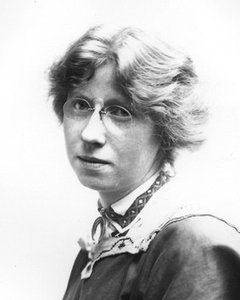
إيموجين كانينغهام
1883 - 1976
حقائق سريعة
- أعمال فنية بارزة:
- صورة ذاتية
- نبات المال
- نبات المطاط 3
- الاسم الكامل: إيموجين كونينغهام
- الجنسية: أمريكية
- الحركة الفنية أو الأسلوب: التصويرية، الحداثة
- تاريخ الميلاد: 12 أبريل 1883
- تاريخ الوفاة: 1976
- فنانون أثروا في هذا الفنان: ['جيرترود كاسبيير']
- فنانون أو حركات تأثرت بهذا الفنان: ['مجموعة f/64']
- مكان الميلاد: بورتلاند، الولايات المتحدة الأمريكية