

 معاينة الحجم الواقعي
 إرسال
إرسال مشاركة
 عرض التفاصيل
 دليل الأعمال الفنية للطلاب

 تحميل
تحميل
 قطع مشابهة
 الأشعة السينية
 عرض شرائح متتابع
 الإحصائيات
View of Ripetta
 Oil On Canvas
- WallArt
- Romantic Landscape Painting
 1766
1766- Early Modern
 119.0 x 145.0 cm
 École Nationale Supérieure des Beaux-Arts
 اقرأ المزيد
طباعة جيلي / مطبوعات فنية
طباعة جيكلي أو كانفاس بجودة المتاحف، مع سرعة في التنفيذ وخيارات متنوعة للتشطيب. ( اطلب نسخة مرسومة يدويًا التحويل إلى الصورة الرقمية)




P118B E£10

P118H E£10

P118W E£10

P438Z E£10

P508JH E£12

P508YH E£12

P805H E£10

P805Z E£10

P919BZ E£10

P919G E£10

P919XJ E£10

P959ZH E£10

P968JZ E£12

W106C E£8

W218G E£10

W218JH E£8

W218Y E£10

W307PJ E£10

W316G E£10

W316PJ E£8

W316Y E£10

W398PJ E£8

W4111J E£10

W500HY E£15

W500JH E£15

W692G E£12

W849H E£8

W940BG E£15

W953PJ E£8




اختر من بين أحجامنا المُعدّة مسبقاً والتي تتوافق مع النسب الأصلية للعمل الفني.

أدخل العرض والارتفاع اللذين تحتاجهما، ليتناسب مع إطارك أو جدارك. يمكن قص المطبوعة فقط، ولا يمكن أبداً جعلها أكبر من الصورة الأصلية، لذا فإن أي مقاس بشكل مختلف سيؤدي إلى فقدان جزء من الصورة. سنرسل لك نموذجاً رقمياً تجريبياً لاعتماده قبل البدء في عملية الطباعة. الصورة المعروضة في هذه الصفحة لا توضح القص الفعلي — النموذج التجريبي فقط هو ما يظهر ذلك.
توصيل عالمي إلى خلال أسبوعين بدلاً من المدة القياسية البالغة 4/5 أسابيع. (21 أكتوبر)

شحن سريع ومجاني لجميع أنحاء العالم

قماش كتان فاخر

تأمين شامل على الشحن

ضمان استرداد الرسوم الجمركية

ضمان دقة مطابقة الألوان

سياسة الإرجاع خلال 100 يوم (في حالات العيوب فقط)

ضمان استرداد نقدي بنسبة 100%

عرض خصم الكميات
 خيار الزجاج متاح فقط للمقاسات التي تقل عن 110 سم

View of Ripetta
طباعة جيلي / مطبوعات فنية
مقاس النسخة المطبوعة
-


إجمالي السعر
E£ 4131
A Window into Lost Glory – Hubert Robert's View of Ripetta
Hubert Robert, a name synonymous with evocative landscapes and the romantic allure of ruins, stands apart in 18th-century French art. Born in Paris in 1733, his life unfolded amidst shifting artistic currents—from Rococo’s playful exuberance to Neoclassicism's austere grandeur—yet he forged an indelible path through these transformations. Robert wasn’t merely documenting decay; he was crafting visions, skillfully blending observation with imagination to conjure scenes that resonated with both nostalgic longing for the past and anticipatory wonder at the future. His artistic journey began within the disciplined framework of formal training under Michel-Ange Slodtz, who recognized Robert's prodigious talent but wisely steered him toward painting, perceiving his true vocation lay in capturing light, atmosphere, and the subtle poetry inherent in form.The Landscape as Memory – Style and Technique
Robert’s distinctive style—known as ‘capriccio’—was revolutionary for its time. Unlike traditional topographical paintings focused on precise accuracy, Robert prioritized creating dramatic illusions of space and perspective. He achieved this masterful feat through meticulous layering of brushstrokes, employing a technique that prioritizes atmospheric haze and chiaroscuro – the interplay of light and shadow – to imbue his canvases with an ethereal quality. The painting’s palette is dominated by muted tones of ochre, grey, and lavender, reflecting the melancholic beauty associated with ruined grandeur. Robert meticulously rendered architectural details—the Pantheon, crumbling columns, and ornate facades—creating a composite scene that feels simultaneously timeless and fleeting.Rome Revisited – Historical Context and Narrative
“View of Ripetta,” completed in 1766, is more than just a landscape; it’s a carefully constructed narrative steeped in Roman history and mythology. Robert captures the Porta di Ripetta, a monumental gateway overlooking the Tiber River, transforming it into a stage for an imagined drama. The scene depicts a bustling cityscape populated by figures engaged in everyday activities—pedestrians traversing cobblestone streets, boats gliding along the river’s surface—adding dynamism to the overarching stillness of the composition. Notably, Robert incorporates elements of classical sculpture and architecture, subtly referencing Roman ideals of beauty and order. The inclusion of a horse adds an element of grandeur and reinforces the painting's connection to imperial Rome.Symbolism of Decay – Romantic Antiquarianism
Robert’s fascination with ruins wasn’t merely aesthetic; it carried profound symbolic weight within the Romantic movement. Ruins represented not just physical deterioration but also the passage of time, loss, and the inevitable triumph of nature over human ambition. By portraying Ripetta in its ruined state—a deliberate departure from Neoclassical conventions—Robert championed a vision of beauty found in imperfection and decay. The swirling clouds enveloping the cityscape symbolize the unpredictable forces shaping history and reminding viewers of the ephemeral nature of earthly existence. This artwork embodies Robert’s belief that art could transcend mere representation, conveying emotions and ideas beyond literal depiction.A Legacy of Illusion – Emotional Impact
Ultimately, “View of Ripetta” succeeds in transporting the viewer to a bygone era—a realm of faded splendor and poetic contemplation. Robert's masterful manipulation of light and color evokes feelings of melancholy and nostalgia, prompting reflection on themes of mortality and beauty. The painting’s grandeur inspires awe while simultaneously conveying a sense of vulnerability before the inexorable march of time. It remains a testament to Robert’s artistic genius—a captivating demonstration of how art can capture not just what is seen but also what is felt.الأسئلة والأجوبة
ما هو الطابع الذي سيضفيه "View of Ripetta" على المكان؟
تتناغم الأجواء Romantic للوحة "View of Ripetta" للفنان هوبرت روبرت مع المساحة المقترحة لها: Living Room.
هل يمكنني رؤية عرض بالأشعة السينية لـ "View of Ripetta" للفنان هوبرت روبرت؟
تتوفر رؤية الأشعة السينية لـ "View of Ripetta" للفنان هوبرت روبرت عبر صفحة الأشعة السينية الخاصة بالعمل الفني: وهي بمثابة فحص تفاعلي للصورة من خلال إحدى عشرة طبقة بصرية.
ما هو الشعور الذي ينقله "View of Ripetta" للفنان هوبرت روبرت؟
ينقل عمل "View of Ripetta" للفنان هوبرت روبرت نبرة عاطفية Nostalgic.
نبذة عن الفنان
رسام الأطلال والرؤى: عالم هوبير روبرت
هوبير روبرت، اسم مرادف للمناظر الطبيعية الخلابة وسحر الأطلال الرومانسي، يحتل مكانة فريدة في الفن الفرنسي للقرن الثامن عشر. ولد في باريس عام 1733، وتكشفت حياته على خلفية تحولات فنية هائلة وأحداث تاريخية ضخمة – من أناقة الروكوكو المرحة إلى فجر الكلاسيكية الجديدة، وفي نهاية المطاف، خلال سنوات الثورة الفرنسية المضطربة. لم يكن مجرد توثيق للدمار؛ بل كان يصنع رؤى، ويمزج الملاحظة بالخيال لخلق مشاهد resonated مع كل من الحنين إلى الماضي وتوقع المستقبل. بدأت رحلته في عالم التدريب الفني المنظم، تحت إشراف النحات ميشيل أنجيه سلوتز، الذي أدرك موهبة روبرت بحكمة وجهه نحو الرسم، مدركًا أن دعوته الحقيقية تكمن في التقاط الضوء والجو والشعر الخفي للشكل.أحلام روما: تشكيل الهوية الفنية
جاء التحول المحوري في التطور الفني لروبرت مع إقامته المطولة في روما عام 1754. برفقة إتيان فرانسوا دي شوازيل، انغمس في عالم غارق في التاريخ والعظمة المعمارية. لمدة أحد عشر عامًا، أصبحت المدينة القديمة استوديو الهواء الطلق الخاص به، حيث غذت معابده المتداعية وأقواسه المهيبة والحدائق المورقة خياله. لم يكن الأمر يتعلق ببساطة بتكرار ما رآه؛ بل كان يتعلق بتفسيره وإعادة تصوره وملئه بإحساس من الجمال الحزين. عمل جنبًا إلى جنب مع جيوفاني باولو بانيني، وتظهر تأثيراته في تكوينات *capriccio* المبكرة لروبرت – تلك المشاهد الخيالية التي جمعت بين الأطلال الكلاسيكية والحياة المعاصرة. ومع ذلك، سرعان ما تجاوز روبرت التقليد، وطور أسلوبه المتميز الذي يتميز بالتفاصيل الدقيقة والمنظور الجوي وحساسية عميقة للعب الضوء والظل. لم يكن يرسم الأطلال فحسب؛ بل كان يرسم الزمن نفسه، ويلتقط جمال الزوال وقوة الذاكرة الدائمة. تعتبر دفاتر رسمه من هذه الفترة سجلات لا تقدر بثمن لملاحظاته، ومليئة بدراسات مفصلة للمعالم الرومانية مثل فيلا ديستي وكابرارولا، مما يدل على عين حادة للتفاصيل المعمارية وتكوين المناظر الطبيعية.التقدير الباريسي والرعاية الملكية
عودة روبرت إلى باريس عام 1765 كانت نقطة تحول في حياته المهنية. اكتسب بسرعة اعترافًا داخل المؤسسة الفنية، وحصل على قبول في أكاديمية رويال دي بيانتور إت سكولبتور مع لوحة "ميناء روما، مزين بمعالم معمارية مختلفة، قديمة وحديثة". أثارت عروضه اللاحقة في الصالون إعجابًا واسع النطاق، وأسر الجمهور بتصويراته المثيرة للأطلال والمناظر الطبيعية الخلابة. دينيس ديدرو، شخصية بارزة في عصر التنوير، أشاد بشكل خاص بالعظمة التي استدعتها لوحات روبرت، معترفًا بقدرته على نقل المشاهدين إلى زمن ومكان آخر. أدى هذا النجاح إلى الرعاية الملكية، مع تكليفات لمشاريع زخرفية وتعيينات كـ "مصمم حدائق الملك" و لاحقًا، "حارس صور الملك". أصبح فنانًا مطلوبًا، ليس فقط من أجل لوحاته القماشية ولكن أيضًا لتصاميمه المبتكرة للحدائق والداخلات الفخمة. resonated عمله مع الذوق السائد في *capriccio* – وهو نوع نال إعجاب هواة جمع التحف المهتمين بالتاريخ وعلم الآثار والمناظر الطبيعية الخلابة – لكن روبرت غرس فيه حساسية فريدة، ورفعه إلى ما هو أبعد من مجرد الفن الزخرفي.الثورة والمرونة والإرث الدائم
قدمت الثورة الفرنسية تحديًا غير مسبوق لروبرت. بينما كافح العديد من الفنانين للتنقل في المناخ السياسي المضطرب، وجد نفسه محاصرًا بين التيارات المتغيرة. حتى أنه واجه السجن خلال عهد الإرهاب، وهي تجربة مرعبة ألهمت سلسلة من الرسومات توثق وقته في السجن. بشكل ملحوظ، استمر في الرسم بكثرة طوال هذه الفترة، مما يدل على التزامه الثابت بفنه. بعد الثورة، تم تعيين روبرت أمينًا للمتحف المركزي للفنون الذي تم إنشاؤه حديثًا – متحف اللوفر المستقبلي – وهو شهادة على خبرته وتكريسه للحفاظ على التراث الثقافي. لعب دورًا حاسمًا في تنظيم و فهرسة مجموعة المتحف، مما يضمن الحفاظ على كنوز فرنسا الفنية للأجيال القادمة. توفي هوبير روبرت في باريس عام 1808، تاركًا وراءه عملاً استثنائيًا يستمر في إلهام الرهبة والإعجاب. لا يكمن إرثه فقط في براعته الفنية ولكن أيضًا في قدرته الفريدة على مزج الدقة التاريخية بالرؤية الخيالية. رائد نوعًا من الرسم احتفل بجمال التدهور والقوة الدائمة للإبداع البشري، مما عزز مكانته كشخصية محورية تربط بين فترتي الروكوكو والكلاسيكية الجديدة، وتتوقع جوانب الرومانسية باهتمامه بالتاريخ والخيال.- التأثيرات الرئيسية: جيوفاني باولو بانيني، بيرانزي، المشهد المعماري لروما.
- الموضوعات الرئيسية: الأطلال والمناظر الطبيعية ولوحات *capriccio* والذاكرة التاريخية ومرور الوقت.
- الأسلوب الفني: التفاصيل الدقيقة والمنظور الجوي والإضاءة المثيرة والتوفيق بين الملاحظة والخيال.
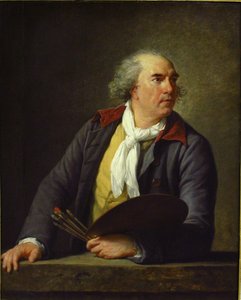
هوبرت روبرت
1733 - 1808 , فرنسا
لمحة سريعة
- أعمال بارزة:
- ميناء روما
- رحلة جالاتيا
- معرض اللوفر
- الاسم الكامل: هوبرت روبرت
- الجنسية: فرنسي
- الحركة الفنية: رومانسية، كلاسيكية جديدة
- تاريخ الميلاد: 22 مايو 1733
- تاريخ الوفاة: 15 أبريل 1808
- فنانون مؤثرون:
- جيوفاني بانيني
- بيرانيزي
- فنانون متأثرون: ['الرومانسية']
- مكان الميلاد: باريس، فرنسا
مقالات ذات صلة

أفضل 10 لوحات طبيعية رومانسية غيرت مسار الفن وجمّلت الديكور | OriginalUniqueArt
اكتشف 10 روائع فنية رسمت مسار الفن الرومانسي! استكشف لوحات فريدريش، مالارد وأكثر. قصص الفنانين، تقنيات الرسم، وجمال المناظر الطبيعية الخلابة. احصل على أعمال فنية عالية الجودة من OriginalUniqueArt.com!

أفضل 25 لوحة لجون كونستابل: روعة الطبيعة الإنجليزية في OriginalUniqueArt
اكتشف روعة الطبيعة الإنجليزية مع أفضل 25 لوحة لجون كونستابل. قصص فنية آسرة وتقنيات زيتية فريدة في OriginalUniqueArt.com. اشترِ نسخًا عالية الجودة وديكور منزلي فاخر. استكشف المجموعة الكاملة الآن!

Evocations of Place: A Historical Journey Through Landscape Art
Explore the rich history of landscape art with OriginalUniqueArt. Discover renowned artists, movements like Impressionism & Romanticism, and expert guidance for collecting timeless pieces. Find your perfect serene escape today!

Hubert Robert: Picturing Ruins, Preserving Memory – A Study of Romantic Antiquarianism & Artistic Innovation
Explore the captivating world of Hubert Robert, master of Romantic landscape painting & 'capriccio' ruins. Discover his historical context, artistic innovations, and collecting insights with OriginalUniqueArt.

Evocations of Place: A Historical Journey Through Landscape Art
Explore the rich history of landscape art with OriginalUniqueArt. Discover renowned artists, movements like Impressionism & tonalism, and expert guidance for collecting timeless pieces. Find your perfect serene escape today!