

 معاينة الحجم الواقعي
 إرسال
إرسال مشاركة
 عرض التفاصيل
 دليل الأعمال الفنية للطلاب

 تحميل
تحميل
 قطع مشابهة
 الأشعة السينية
 عرض شرائح متتابع
 الإحصائيات
Ruin Capriccio
 Acrylic On Canvas
- WallArt
- Romanticism
 1786
1786- 19th Century
 41.0 x 31.0 cm
 Academy of Fine Arts Vienna
 اقرأ المزيد
طباعة جيلي / مطبوعات فنية
طباعة جيكلي أو كانفاس بجودة المتاحف، مع سرعة في التنفيذ وخيارات متنوعة للتشطيب. ( اطلب نسخة مرسومة يدويًا التحويل إلى الصورة الرقمية)




P118B E£10

P118H E£10

P118W E£10

P438Z E£10

P508JH E£12

P508YH E£12

P805H E£10

P805Z E£10

P919BZ E£10

P919G E£10

P919XJ E£10

P959ZH E£10

P968JZ E£12

W106C E£8

W218G E£10

W218JH E£8

W218Y E£10

W307PJ E£10

W316G E£10

W316PJ E£8

W316Y E£10

W398PJ E£8

W4111J E£10

W500HY E£15

W500JH E£15

W692G E£12

W849H E£8

W940BG E£15

W953PJ E£8




اختر من بين أحجامنا المُعدّة مسبقاً والتي تتوافق مع النسب الأصلية للعمل الفني.

Type the width and the height you need, to fit your frame or your wall. A print can only be cut, never made bigger than the picture, so a size with a different shape loses a part of the image. We send you a digital mockup to approve before we print anything. The picture shown on this page does not show the real cut — only the mockup does.
توصيل عالمي إلى خلال أسبوعين بدلاً من المدة القياسية البالغة 4/5 أسابيع. (14 أكتوبر)

شحن سريع ومجاني لجميع أنحاء العالم

قماش كتان فاخر

تأمين شامل على الشحن

ضمان استرداد الرسوم الجمركية

ضمان دقة مطابقة الألوان

سياسة الإرجاع خلال 100 يوم (في حالات العيوب فقط)

ضمان استرداد نقدي بنسبة 100%

عرض خصم الكميات
 خيار الزجاج متاح فقط للمقاسات التي تقل عن 110 سم

Ruin Capriccio
طباعة جيلي / مطبوعات فنية
مقاس النسخة المطبوعة
-


إجمالي السعر
E£ 4165
Hubert Robert: The Poet of Ruins
Hubert Robert (1733-1808) stands as an emblem of the Romantic spirit—a painter who transcended mere documentation, transforming observation into visionary imagination to conjure scenes imbued with both nostalgic longing and anticipatory wonder. Born in Paris amidst a period of dramatic artistic upheaval—from the opulent Rococo’s playful frivolity to the burgeoning Neoclassicism—Robert navigated these stylistic currents, ultimately establishing himself as a pivotal figure in shaping the aesthetic landscape of his era. He wasn't merely depicting decay; he was crafting narratives of time and memory, elevating ruins into symbols of grandeur lost and beauty enduring.- Early Life & Artistic Training: Robert’s formative years were marked by exposure to influential artistic mentors like Michel-Ange Slodtz, who recognized his innate talent but skillfully steered him toward painting—a decision that proved decisive in unlocking Robert's true creative potential. This guidance instilled a foundational understanding of perspective and composition, skills he would hone throughout his prolific career.
- Roman Reveries: Robert’s journey to Rome in 1754 represented more than just a geographical relocation; it signified an immersion into the intellectual fervor of the Enlightenment and a profound fascination with the vestiges of antiquity. His time amongst fellow artists, notably Giovanni Paolo Panini and Giovanni Battista Piranesi—whose techniques he meticulously studied—fueled his artistic vision and cemented his reputation as a master of architectural capricci.
- The Capriccio Genre: Robert’s signature style resided in the genre of capriccio—a technique that deliberately juxtaposed disparate elements—ancient ruins, fantastical landscapes, and idealized figures—to evoke an atmosphere of sublime beauty and melancholy contemplation. This approach distinguished him from his contemporaries who favored more restrained representations of nature, prioritizing emotional resonance over literal accuracy.
- A Painter of Emotion: Robert’s paintings are characterized by a masterful manipulation of light and color, capturing fleeting moments of atmospheric drama with breathtaking sensitivity. He sought to convey not just what he saw but how he felt—a profound awareness of the passage of time and the inevitability of decay—themes that resonated deeply with the Romantic sensibility.
- Legacy & Influence: Robert’s enduring legacy extends beyond his individual artworks; he profoundly impacted subsequent generations of painters, inspiring them to embrace imaginative storytelling and to explore the expressive power of landscape painting. His influence can be discerned in the works of Eugène Delacroix and Caspar David Friedrich—artists who similarly championed the Romantic ideal of sublime beauty and emotional intensity.
Ruin Capriccio: A Study in Light and Memory
“Ruin Capriccio,” executed circa 1786, exemplifies Robert’s artistic philosophy with remarkable clarity. The painting depicts a monumental stone building—likely inspired by the grandeur of Roman ruins—dominated by towering columns and arches bathed in ethereal light. This dramatic illumination serves not merely to illuminate the architectural structure but also to imbue it with an aura of timelessness and melancholy beauty. Scattered throughout the scene are figures—primarily human forms—who appear dwarfed by the scale of the ruin, emphasizing the insignificance of human existence against the backdrop of geological time.Robert’s meticulous attention to detail—evident in the rendering of textures, drapery folds, and atmospheric haze—underscores his commitment to capturing not just visual appearances but also emotional impressions. The artist skillfully employs chiaroscuro—the interplay between light and shadow—to heighten dramatic tension and to create a sense of depth that draws the viewer into the scene’s contemplative mood.
Symbolism & Context: Echoes of Antiquity and Romantic Idealism
The choice of ruins as subject matter was deliberate, reflecting Robert's fascination with the vestiges of classical civilization—a preoccupation that mirrored the broader intellectual currents of the Enlightenment. Ruins served as potent symbols of grandeur lost, reminding viewers of the impermanence of earthly achievements and prompting reflection on mortality. Simultaneously, Robert’s depiction aligns perfectly with the tenets of Romantic idealism—a movement characterized by an emphasis on emotion, imagination, and the sublime—values that championed the beauty of untamed nature and the contemplation of profound spiritual truths.Technical Mastery & Artistic Innovation
Robert's technique was distinguished by its virtuosity—particularly his command of perspective and atmospheric effects. He achieved remarkable realism through painstaking observation, meticulously recreating textures and colors with unparalleled accuracy. Yet, he never sacrificed artistic expression for mere imitation; rather, he skillfully manipulated visual elements to convey emotional resonance and to evoke a sense of wonder. His innovative approach to landscape painting solidified Robert’s position as one of the foremost artists of his time—a testament to his unwavering dedication to pushing the boundaries of artistic convention.الأسئلة والأجوبة
ما هو حجم الطباعة الموصى به لـ "Ruin Capriccio" للفنان هوبرت روبرت؟
يُقترح طباعة نسخة بحجم Large لعمل "Ruin Capriccio" للفنان هوبرت روبرت. ويمكن تعديل الحجم مع الحفاظ على التناسب.
هل يمكن إعادة إنتاج "Ruin Capriccio" للفنان هوبرت روبرت، الموجود في Academy of Fine Arts Vienna، بشكل قانوني؟
تُعد لوحة "Ruin Capriccio" للفنان هوبرت روبرت، والمحفوظة في Academy of Fine Arts Vienna، من الأعمال التي تندرج ضمن ملك عام - انتهت مدة حماية حقوق الطبع والنشر الخاصة به. وتحدد هذه الحالة مدى إمكانية إنتاج نسخ مكررة من الصورة.
ما هو تاريخ إبداع "Ruin Capriccio" للفنان هوبرت روبرت؟
يعود تاريخ إبداع "Ruin Capriccio" للفنان هوبرت روبرت إلى عام 1786.
نبذة عن الفنان
رسام الأطلال والرؤى: عالم هوبير روبرت
هوبير روبرت، اسم مرادف للمناظر الطبيعية الخلابة وسحر الأطلال الرومانسي، يحتل مكانة فريدة في الفن الفرنسي للقرن الثامن عشر. ولد في باريس عام 1733، وتكشفت حياته على خلفية تحولات فنية هائلة وأحداث تاريخية ضخمة – من أناقة الروكوكو المرحة إلى فجر الكلاسيكية الجديدة، وفي نهاية المطاف، خلال سنوات الثورة الفرنسية المضطربة. لم يكن مجرد توثيق للدمار؛ بل كان يصنع رؤى، ويمزج الملاحظة بالخيال لخلق مشاهد resonated مع كل من الحنين إلى الماضي وتوقع المستقبل. بدأت رحلته في عالم التدريب الفني المنظم، تحت إشراف النحات ميشيل أنجيه سلوتز، الذي أدرك موهبة روبرت بحكمة وجهه نحو الرسم، مدركًا أن دعوته الحقيقية تكمن في التقاط الضوء والجو والشعر الخفي للشكل.أحلام روما: تشكيل الهوية الفنية
جاء التحول المحوري في التطور الفني لروبرت مع إقامته المطولة في روما عام 1754. برفقة إتيان فرانسوا دي شوازيل، انغمس في عالم غارق في التاريخ والعظمة المعمارية. لمدة أحد عشر عامًا، أصبحت المدينة القديمة استوديو الهواء الطلق الخاص به، حيث غذت معابده المتداعية وأقواسه المهيبة والحدائق المورقة خياله. لم يكن الأمر يتعلق ببساطة بتكرار ما رآه؛ بل كان يتعلق بتفسيره وإعادة تصوره وملئه بإحساس من الجمال الحزين. عمل جنبًا إلى جنب مع جيوفاني باولو بانيني، وتظهر تأثيراته في تكوينات *capriccio* المبكرة لروبرت – تلك المشاهد الخيالية التي جمعت بين الأطلال الكلاسيكية والحياة المعاصرة. ومع ذلك، سرعان ما تجاوز روبرت التقليد، وطور أسلوبه المتميز الذي يتميز بالتفاصيل الدقيقة والمنظور الجوي وحساسية عميقة للعب الضوء والظل. لم يكن يرسم الأطلال فحسب؛ بل كان يرسم الزمن نفسه، ويلتقط جمال الزوال وقوة الذاكرة الدائمة. تعتبر دفاتر رسمه من هذه الفترة سجلات لا تقدر بثمن لملاحظاته، ومليئة بدراسات مفصلة للمعالم الرومانية مثل فيلا ديستي وكابرارولا، مما يدل على عين حادة للتفاصيل المعمارية وتكوين المناظر الطبيعية.التقدير الباريسي والرعاية الملكية
عودة روبرت إلى باريس عام 1765 كانت نقطة تحول في حياته المهنية. اكتسب بسرعة اعترافًا داخل المؤسسة الفنية، وحصل على قبول في أكاديمية رويال دي بيانتور إت سكولبتور مع لوحة "ميناء روما، مزين بمعالم معمارية مختلفة، قديمة وحديثة". أثارت عروضه اللاحقة في الصالون إعجابًا واسع النطاق، وأسر الجمهور بتصويراته المثيرة للأطلال والمناظر الطبيعية الخلابة. دينيس ديدرو، شخصية بارزة في عصر التنوير، أشاد بشكل خاص بالعظمة التي استدعتها لوحات روبرت، معترفًا بقدرته على نقل المشاهدين إلى زمن ومكان آخر. أدى هذا النجاح إلى الرعاية الملكية، مع تكليفات لمشاريع زخرفية وتعيينات كـ "مصمم حدائق الملك" و لاحقًا، "حارس صور الملك". أصبح فنانًا مطلوبًا، ليس فقط من أجل لوحاته القماشية ولكن أيضًا لتصاميمه المبتكرة للحدائق والداخلات الفخمة. resonated عمله مع الذوق السائد في *capriccio* – وهو نوع نال إعجاب هواة جمع التحف المهتمين بالتاريخ وعلم الآثار والمناظر الطبيعية الخلابة – لكن روبرت غرس فيه حساسية فريدة، ورفعه إلى ما هو أبعد من مجرد الفن الزخرفي.الثورة والمرونة والإرث الدائم
قدمت الثورة الفرنسية تحديًا غير مسبوق لروبرت. بينما كافح العديد من الفنانين للتنقل في المناخ السياسي المضطرب، وجد نفسه محاصرًا بين التيارات المتغيرة. حتى أنه واجه السجن خلال عهد الإرهاب، وهي تجربة مرعبة ألهمت سلسلة من الرسومات توثق وقته في السجن. بشكل ملحوظ، استمر في الرسم بكثرة طوال هذه الفترة، مما يدل على التزامه الثابت بفنه. بعد الثورة، تم تعيين روبرت أمينًا للمتحف المركزي للفنون الذي تم إنشاؤه حديثًا – متحف اللوفر المستقبلي – وهو شهادة على خبرته وتكريسه للحفاظ على التراث الثقافي. لعب دورًا حاسمًا في تنظيم و فهرسة مجموعة المتحف، مما يضمن الحفاظ على كنوز فرنسا الفنية للأجيال القادمة. توفي هوبير روبرت في باريس عام 1808، تاركًا وراءه عملاً استثنائيًا يستمر في إلهام الرهبة والإعجاب. لا يكمن إرثه فقط في براعته الفنية ولكن أيضًا في قدرته الفريدة على مزج الدقة التاريخية بالرؤية الخيالية. رائد نوعًا من الرسم احتفل بجمال التدهور والقوة الدائمة للإبداع البشري، مما عزز مكانته كشخصية محورية تربط بين فترتي الروكوكو والكلاسيكية الجديدة، وتتوقع جوانب الرومانسية باهتمامه بالتاريخ والخيال.- التأثيرات الرئيسية: جيوفاني باولو بانيني، بيرانزي، المشهد المعماري لروما.
- الموضوعات الرئيسية: الأطلال والمناظر الطبيعية ولوحات *capriccio* والذاكرة التاريخية ومرور الوقت.
- الأسلوب الفني: التفاصيل الدقيقة والمنظور الجوي والإضاءة المثيرة والتوفيق بين الملاحظة والخيال.
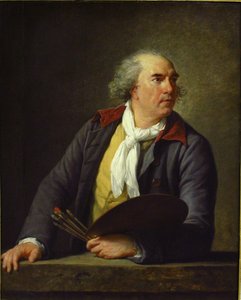
هوبرت روبرت
1733 - 1808 , فرنسا
لمحة سريعة
- أعمال بارزة:
- ميناء روما
- رحلة جالاتيا
- معرض اللوفر
- الاسم الكامل: هوبرت روبرت
- الجنسية: فرنسي
- الحركة الفنية: رومانسية، كلاسيكية جديدة
- تاريخ الميلاد: 22 مايو 1733
- تاريخ الوفاة: 15 أبريل 1808
- فنانون مؤثرون:
- جيوفاني بانيني
- بيرانيزي
- فنانون متأثرون: ['الرومانسية']
- مكان الميلاد: باريس، فرنسا
مقالات ذات صلة

أفضل 10 لوحات طبيعية رومانسية غيرت مسار الفن وجمّلت الديكور | OriginalUniqueArt
اكتشف 10 روائع فنية رسمت مسار الفن الرومانسي! استكشف لوحات فريدريش، مالارد وأكثر. قصص الفنانين، تقنيات الرسم، وجمال المناظر الطبيعية الخلابة. احصل على أعمال فنية عالية الجودة من OriginalUniqueArt.com!

Hubert Robert: Picturing Ruins, Preserving Memory – A Study of Romantic Antiquarianism & Artistic Innovation
Explore the captivating world of Hubert Robert, master of Romantic landscape painting & 'capriccio' ruins. Discover his historical context, artistic innovations, and collecting insights with OriginalUniqueArt.

Evocations of Place: A Historical Journey Through Landscape Art
Explore the rich history of landscape art with OriginalUniqueArt. Discover renowned artists, movements like Impressionism & Romanticism, and expert guidance for collecting timeless pieces. Find your perfect serene escape today!

The Sublime and the Picturesque: Exploring Emotion & Nature in Romantic Landscape Painting
Explore the emotional power of Romantic landscape painting! Discover the sublime & picturesque traditions, key artists like Friedrich & Cole, and find your perfect artwork at OriginalUniqueArt.
The Sublime and the Picturesque: Exploring Emotion & Nature in Romantic Landscape Painting
Explore the emotional power of Romantic landscape painting! Discover the sublime & picturesque aesthetics, key artists like Friedrich & Cole, and lasting influence on art history. Find your perfect piece at OriginalUniqueArt.