

 معاينة الحجم الواقعي
 إرسال
إرسال مشاركة
 عرض التفاصيل
 دليل الأعمال الفنية للطلاب

 تحميل
تحميل
 قطع مشابهة
 الأشعة السينية
 عرض شرائح متتابع
 الإحصائيات
Roman Ruins


 اقرأ المزيد
طباعة جيلي / مطبوعات فنية
طباعة جيكلي أو كانفاس بجودة المتاحف، مع سرعة في التنفيذ وخيارات متنوعة للتشطيب. ( اطلب نسخة مرسومة يدويًا التحويل إلى الصورة الرقمية)




P118B E£10

P118H E£10

P118W E£10

P438Z E£10

P508JH E£12

P508YH E£12

P805H E£10

P805Z E£10

P919BZ E£10

P919G E£10

P919XJ E£10

P959ZH E£10

P968JZ E£12

W106C E£8

W218G E£10

W218JH E£8

W218Y E£10

W307PJ E£10

W316G E£10

W316PJ E£8

W316Y E£10

W398PJ E£8

W4111J E£10

W500HY E£15

W500JH E£15

W692G E£12

W849H E£8

W940BG E£15

W953PJ E£8




اختر من بين أحجامنا المُعدّة مسبقاً والتي تتوافق مع النسب الأصلية للعمل الفني.

أدخل العرض والارتفاع اللذين تحتاجهما، ليتناسب مع إطارك أو جدارك. يمكن قص المطبوعة فقط، ولا يمكن أبداً جعلها أكبر من الصورة الأصلية، لذا فإن أي مقاس بشكل مختلف سيؤدي إلى فقدان جزء من الصورة. سنرسل لك نموذجاً رقمياً تجريبياً لاعتماده قبل البدء في عملية الطباعة. الصورة المعروضة في هذه الصفحة لا توضح القص الفعلي — النموذج التجريبي فقط هو ما يظهر ذلك.
توصيل عالمي إلى خلال أسبوعين بدلاً من المدة القياسية البالغة 4/5 أسابيع. (22 أكتوبر)

شحن سريع ومجاني لجميع أنحاء العالم

قماش كتان فاخر

تأمين شامل على الشحن

ضمان استرداد الرسوم الجمركية

ضمان دقة مطابقة الألوان

سياسة الإرجاع خلال 100 يوم (في حالات العيوب فقط)

ضمان استرداد نقدي بنسبة 100%

عرض خصم الكميات
 خيار الزجاج متاح فقط للمقاسات التي تقل عن 110 سم

Roman Ruins
طباعة جيلي / مطبوعات فنية
مقاس النسخة المطبوعة
-


إجمالي السعر
E£ 4113
A Symphony of Decay and Eternal Beauty
In the quietude of Hubert Robert’s Roman Ruins, one finds more than a mere depiction of crumbling stone; one encounters a profound meditation on the relentless passage of time. Created around 1760, this masterpiece serves as a window into the heart of the Romantic imagination, where the grandeur of antiquity meets the soft, persistent embrace of nature. The canvas invites the viewer to wander through a landscape where monumental architecture—once the pride of an empire—now yields to the slow, rhythmic pulse of vegetation and light. It is a scene that captures a fleeting moment of ethereal beauty, frozen in the amber of oil on canvas, offering a sense of pastoral tranquility that resonates deeply with the modern soul seeking refuge from the frenetic pace of contemporary life.
The composition is masterfully orchestrated to draw the eye deep into a world of architectural wonder and quiet human drama. A majestic, weathered archway stands as the central protagonist, its heavy columns and fractured masonry framing a vista that stretches toward an infinite horizon. Through this portal, the viewer perceives a vast, open space where the boundaries between man-made structures and the wild landscape begin to blur. The foreground is alive with the gentle rhythms of everyday existence: figures engaged in quiet contemplation, a woman tending to livestock, and children playing amidst the rocky outcrops. This juxtaposition—the monumental scale of the ruins against the intimate, humble activities of life—establishes a poignant dialogue between historical glory and the enduring continuity of the human spirit.
The Artistry of the Romantic Capriccio
Robert’s technical prowess is most evident in his command of light and texture, elements that elevate this work from a topographical study to a capriccio—a genre of imaginative fantasy. Utilizing the rich, versatile medium of oil paint, the artist achieves a remarkable tonal range that breathes life into the scene. Warm ochres, deep browns, and radiant golds dominate the palette, bathing the ruins in a sun-drenched glow that evokes a sense of nostalgic warmth. His brushwork is both deliberate and expressive; while the architectural elements are defined by structured lines, the foliage and distant clouds are rendered with a looser, more spontaneous touch. This interplay of precision and fluidity creates a dynamic atmosphere, where the light seems to dance across the textured surfaces of stone and leaf alike.
For the discerning collector or interior designer, Roman Ruins offers an unparalleled emotional depth that transcends mere decoration. The painting functions as a symbolic vessel, carrying themes of memory, loss, and the sublime power of nature. It evokes a sense of "melancholic grandeur"—a feeling of being moved by the beauty of what has passed while finding peace in the persistence of life. Integrating such a high-quality reproduction into a curated space provides more than just a visual focal point; it introduces a narrative of timelessness and sophistication. Whether placed in a sunlit library or a grand salon, Robert’s vision of the Roman past serves as an enduring inspiration, reminding us that even amidst decay, there is a profound and lasting splendor to be found.
الأسئلة والأجوبة
إلى أي مرحلة من مسيرة هوبرت روبرت الفنية ينتمي العمل "Roman Ruins"؟
ضمن مسيرة هوبرت روبرت المهنية، تندرج لوحة "Roman Ruins" ضمن مرحلة Mature Period. وتساعد هذه المرحلة في مقارنتها بأعمال الفنان الأخرى.
كيف يرتبط موضوع "Roman Ruins" بالمواضيع المعتادة لدى هوبرت روبرت؟
من بين الثيمات المسجلة لـ هوبرت روبرت - وهي landscape mastery, serene composition, romantic idealism, classical antiquity, romantic landscape, french painting tradition, historical reflection, civilization's decline - يركز عمل "Roman Ruins" بشكل خاص على roman ruins, pastoral scene, landscape art, classical architecture, time & decay, european history, sunlit landscape.
ما هو الانطباع العام لـ "Roman Ruins" للفنان هوبرت روبرت؟
تتمتع لوحة "Roman Ruins" بأجواء Romantic.
نبذة عن الفنان
رسام الأطلال والرؤى: عالم هوبير روبرت
هوبير روبرت، اسم مرادف للمناظر الطبيعية الخلابة وسحر الأطلال الرومانسي، يحتل مكانة فريدة في الفن الفرنسي للقرن الثامن عشر. ولد في باريس عام 1733، وتكشفت حياته على خلفية تحولات فنية هائلة وأحداث تاريخية ضخمة – من أناقة الروكوكو المرحة إلى فجر الكلاسيكية الجديدة، وفي نهاية المطاف، خلال سنوات الثورة الفرنسية المضطربة. لم يكن مجرد توثيق للدمار؛ بل كان يصنع رؤى، ويمزج الملاحظة بالخيال لخلق مشاهد resonated مع كل من الحنين إلى الماضي وتوقع المستقبل. بدأت رحلته في عالم التدريب الفني المنظم، تحت إشراف النحات ميشيل أنجيه سلوتز، الذي أدرك موهبة روبرت بحكمة وجهه نحو الرسم، مدركًا أن دعوته الحقيقية تكمن في التقاط الضوء والجو والشعر الخفي للشكل.أحلام روما: تشكيل الهوية الفنية
جاء التحول المحوري في التطور الفني لروبرت مع إقامته المطولة في روما عام 1754. برفقة إتيان فرانسوا دي شوازيل، انغمس في عالم غارق في التاريخ والعظمة المعمارية. لمدة أحد عشر عامًا، أصبحت المدينة القديمة استوديو الهواء الطلق الخاص به، حيث غذت معابده المتداعية وأقواسه المهيبة والحدائق المورقة خياله. لم يكن الأمر يتعلق ببساطة بتكرار ما رآه؛ بل كان يتعلق بتفسيره وإعادة تصوره وملئه بإحساس من الجمال الحزين. عمل جنبًا إلى جنب مع جيوفاني باولو بانيني، وتظهر تأثيراته في تكوينات *capriccio* المبكرة لروبرت – تلك المشاهد الخيالية التي جمعت بين الأطلال الكلاسيكية والحياة المعاصرة. ومع ذلك، سرعان ما تجاوز روبرت التقليد، وطور أسلوبه المتميز الذي يتميز بالتفاصيل الدقيقة والمنظور الجوي وحساسية عميقة للعب الضوء والظل. لم يكن يرسم الأطلال فحسب؛ بل كان يرسم الزمن نفسه، ويلتقط جمال الزوال وقوة الذاكرة الدائمة. تعتبر دفاتر رسمه من هذه الفترة سجلات لا تقدر بثمن لملاحظاته، ومليئة بدراسات مفصلة للمعالم الرومانية مثل فيلا ديستي وكابرارولا، مما يدل على عين حادة للتفاصيل المعمارية وتكوين المناظر الطبيعية.التقدير الباريسي والرعاية الملكية
عودة روبرت إلى باريس عام 1765 كانت نقطة تحول في حياته المهنية. اكتسب بسرعة اعترافًا داخل المؤسسة الفنية، وحصل على قبول في أكاديمية رويال دي بيانتور إت سكولبتور مع لوحة "ميناء روما، مزين بمعالم معمارية مختلفة، قديمة وحديثة". أثارت عروضه اللاحقة في الصالون إعجابًا واسع النطاق، وأسر الجمهور بتصويراته المثيرة للأطلال والمناظر الطبيعية الخلابة. دينيس ديدرو، شخصية بارزة في عصر التنوير، أشاد بشكل خاص بالعظمة التي استدعتها لوحات روبرت، معترفًا بقدرته على نقل المشاهدين إلى زمن ومكان آخر. أدى هذا النجاح إلى الرعاية الملكية، مع تكليفات لمشاريع زخرفية وتعيينات كـ "مصمم حدائق الملك" و لاحقًا، "حارس صور الملك". أصبح فنانًا مطلوبًا، ليس فقط من أجل لوحاته القماشية ولكن أيضًا لتصاميمه المبتكرة للحدائق والداخلات الفخمة. resonated عمله مع الذوق السائد في *capriccio* – وهو نوع نال إعجاب هواة جمع التحف المهتمين بالتاريخ وعلم الآثار والمناظر الطبيعية الخلابة – لكن روبرت غرس فيه حساسية فريدة، ورفعه إلى ما هو أبعد من مجرد الفن الزخرفي.الثورة والمرونة والإرث الدائم
قدمت الثورة الفرنسية تحديًا غير مسبوق لروبرت. بينما كافح العديد من الفنانين للتنقل في المناخ السياسي المضطرب، وجد نفسه محاصرًا بين التيارات المتغيرة. حتى أنه واجه السجن خلال عهد الإرهاب، وهي تجربة مرعبة ألهمت سلسلة من الرسومات توثق وقته في السجن. بشكل ملحوظ، استمر في الرسم بكثرة طوال هذه الفترة، مما يدل على التزامه الثابت بفنه. بعد الثورة، تم تعيين روبرت أمينًا للمتحف المركزي للفنون الذي تم إنشاؤه حديثًا – متحف اللوفر المستقبلي – وهو شهادة على خبرته وتكريسه للحفاظ على التراث الثقافي. لعب دورًا حاسمًا في تنظيم و فهرسة مجموعة المتحف، مما يضمن الحفاظ على كنوز فرنسا الفنية للأجيال القادمة. توفي هوبير روبرت في باريس عام 1808، تاركًا وراءه عملاً استثنائيًا يستمر في إلهام الرهبة والإعجاب. لا يكمن إرثه فقط في براعته الفنية ولكن أيضًا في قدرته الفريدة على مزج الدقة التاريخية بالرؤية الخيالية. رائد نوعًا من الرسم احتفل بجمال التدهور والقوة الدائمة للإبداع البشري، مما عزز مكانته كشخصية محورية تربط بين فترتي الروكوكو والكلاسيكية الجديدة، وتتوقع جوانب الرومانسية باهتمامه بالتاريخ والخيال.- التأثيرات الرئيسية: جيوفاني باولو بانيني، بيرانزي، المشهد المعماري لروما.
- الموضوعات الرئيسية: الأطلال والمناظر الطبيعية ولوحات *capriccio* والذاكرة التاريخية ومرور الوقت.
- الأسلوب الفني: التفاصيل الدقيقة والمنظور الجوي والإضاءة المثيرة والتوفيق بين الملاحظة والخيال.
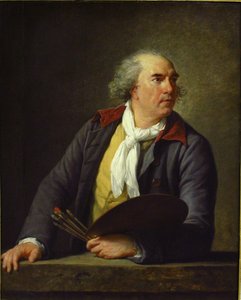
هوبرت روبرت
1733 - 1808 , فرنسا
لمحة سريعة
- أعمال بارزة:
- ميناء روما
- رحلة جالاتيا
- معرض اللوفر
- الاسم الكامل: هوبرت روبرت
- الجنسية: فرنسي
- الحركة الفنية: رومانسية، كلاسيكية جديدة
- تاريخ الميلاد: 22 مايو 1733
- تاريخ الوفاة: 15 أبريل 1808
- فنانون مؤثرون:
- جيوفاني بانيني
- بيرانيزي
- فنانون متأثرون: ['الرومانسية']
- مكان الميلاد: باريس، فرنسا
مقالات ذات صلة

أفضل 10 لوحات طبيعية رومانسية غيرت مسار الفن وجمّلت الديكور | OriginalUniqueArt
اكتشف 10 روائع فنية رسمت مسار الفن الرومانسي! استكشف لوحات فريدريش، مالارد وأكثر. قصص الفنانين، تقنيات الرسم، وجمال المناظر الطبيعية الخلابة. احصل على أعمال فنية عالية الجودة من OriginalUniqueArt.com!

Evocations of Place: A Historical Journey Through Landscape Art
Explore the rich history of landscape art with OriginalUniqueArt. Discover renowned artists, movements like Impressionism & Romanticism, and expert guidance for collecting timeless pieces. Find your perfect serene escape today!

The Sublime and the Picturesque: Exploring Emotion & Nature in Romantic Landscape Painting
Explore the emotional power of Romantic landscape painting! Discover the sublime & picturesque traditions, key artists like Friedrich & Cole, and find your perfect artwork at OriginalUniqueArt.

Hubert Robert: Picturing Ruins, Preserving Memory – A Study of Romantic Antiquarianism & Artistic Innovation
Explore the captivating world of Hubert Robert, master of Romantic landscape painting & 'capriccio' ruins. Discover his historical context, artistic innovations, and collecting insights with OriginalUniqueArt.
Evoking Emotion & Transcendence: Romantic Landscape Painting (18th-19th Century)
Explore the emotional depth of Romantic landscape painting (18th-19th century). Discover key artists like Friedrich & Cole, and the concepts of the sublime. Expert insights for art lovers & collectors.