

 معاينة الحجم الحقيقي
 مشاركة
 مشاركة
 التفاصيل

 تحميل الملف
 قطع مشابهة
 الأشعة السينية
 عرض شرائح
Le temple en ruines. Paysans autour d'une marmite


 عرض المزيد
طباعة جيلي / مطبوعات فنية
طباعة جيكلي أو كانفاس بجودة المتاحف، مع سرعة في التنفيذ وخيارات متنوعة للتشطيب. ( اشترِ لوحة مرسومة يدويًا اشترِ الصورة)




P118B $10

P118H $10

P118W $10

P438Z $10

P508JH $12

P508YH $12

P805H $10

P805Z $10

P919BZ $10

P919G $10

P919XJ $10

P959ZH $10

P968JZ $12

W106C $8

W218G $10

W218JH $8

W218Y $10

W307PJ $10

W316G $10

W316PJ $8

W316Y $10

W398PJ $8

W4111J $10

W500HY $15

W500JH $15

W692G $12

W849H $8

W940BG $15

W953PJ $8




اختر من بين أحجامنا المُعدّة مسبقًا والتي تتطابق مع النسب الأصلية للعمل الفني.

يمكنك إدخال أبعادك الخاصة لتناسب إطاراً أو مساحة معينة. وإذا لم يتطابق الحجم الذي اخترته مع نسب الصورة الأصلية، فسنقوم إما بقص العمل الفني أو تمديد الصورة باستخدام حافة معكوسة أو بلون مصمت. سيتم إرسال نموذج تجريبي رقمي لاعتمادك قبل بدء الإنتاج.
يرجى ملاحظة أن المعاينة على الشاشة لا تعكس عملية القص أو التمديد الفعلية؛ حيث سيوضح النموذج التجريبي فقط التكوين النهائي بدقة.
وعلى الرغم من توفر أحجام مخصصة، إلا أننا نوصي باختيار أبعاد من القائمة المحددة مسبقاً للحفاظ على النسب الأصلية.
توصيل عالمي إلى خلال أسبوعين بدلاً من المدة القياسية البالغة 4/5 أسابيع. 22 أغسطس

شحن سريع ومجاني لجميع أنحاء العالم

قماش كتان عالي الجودة

تأمين شحن شامل

ضمان استرداد الرسوم الجمركية

ضمان مطابقة الألوان الحقيقية

سياسة الإرجاع خلال 60 يومًا (في حالات العيوب فقط)

ضمان استرداد نقدي بنسبة 100%

خصم عند طلب عدة قطع
 خيار الزجاج متاح فقط للمقاسات التي تقل عن 110 سم

Le temple en ruines. Paysans autour d'une marmite
طباعة جيلي / مطبوعات فنية
مقاس النسخة المطبوعة
-


السعر الإجمالي النهائي
$ 80
وصف القطعة الفنية
Hubert Robert’s Ruined Reverie: A Journey Through Time and Imagination
Hubert Robert's "Le temple en ruines. Paysans autour d'une marmite" (The Ruined Temple. Peasants Around a Kettle) is more than just a landscape painting; it’s a carefully constructed meditation on time, memory, and the enduring power of nature. Painted in 1783, this captivating work transports us to a world where classical grandeur meets rustic simplicity, offering a poignant glimpse into the evolving relationship between humanity and its past. Robert, a master of the "capriccio" – a genre characterized by fantastical or semi-fictitious scenes often featuring ruins – expertly blends observation with imaginative embellishment, creating an atmosphere both nostalgic and subtly unsettling.
The scene unfolds within a verdant Italian landscape, dominated by the skeletal remains of a Roman temple. The architecture, rendered with meticulous detail and informed by his extensive travels throughout Italy, speaks to a deep appreciation for classical forms. However, these imposing columns and arches are not presented as symbols of absolute power or permanence; instead, they’re draped in ivy, partially obscured by trees, and subtly integrated into the surrounding wilderness. This deliberate juxtaposition immediately establishes the central theme: decay is not an ending but a transformation, a return to the earth from which all things originate.
A Symphony of Light, Line, and Texture
Robert’s technical skill is evident in every brushstroke. The painting employs a sophisticated use of linear perspective, drawing the viewer's eye deep into the scene and creating a convincing illusion of depth. Lines are not merely structural; they guide our gaze across the composition, highlighting the grandeur of the ruins while simultaneously emphasizing the organic forms of the foliage. The artist’s layering technique – visible in the slightly rough texture of the paint – suggests a deliberate effort to capture the weathered appearance of stone and the dappled light filtering through the trees. Notice how directional lighting dramatically sculpts the foreground, casting long shadows that accentuate volume and create a sense of drama.
The color palette is restrained yet evocative, dominated by muted earth tones—ochres, browns, and greens—that evoke the timelessness of the landscape. Subtle highlights of white and pale blue in the sky provide a touch of ethereal beauty, contrasting with the somber hues of the ruins. The inclusion of the peasants around the fire adds a vital human element, suggesting a continuity of life amidst the vestiges of the past. Their simple activities—resting, tending to the flames—offer a counterpoint to the monumental scale of the ruined temple, reminding us that even in the face of decay, everyday life continues.
Symbolism and Historical Context
“Le temple en ruines” resonates with profound symbolic meaning. Ruins, as Robert frequently depicted, represent not just physical deterioration but also the fleeting nature of human ambition and power. The Roman temple, once a symbol of imperial authority, now stands as a testament to the passage of time and the inevitable decline of civilizations. Yet, it’s precisely in this decay that beauty resides – nature reclaiming what was once hers, suggesting an ultimate triumph over earthly vanity.
Robert's work emerged during a period of significant artistic and social change in France. The Rococo style, with its emphasis on frivolity and ornamentation, was giving way to the Neoclassical movement’s focus on reason, order, and classical ideals. Robert skillfully navigated this transition, incorporating elements of both styles into his paintings. His fascination with ruins reflects a broader cultural interest in antiquity, fueled by archaeological discoveries and a renewed appreciation for Roman history. Furthermore, the painting can be interpreted as a subtle commentary on the French Revolution – the crumbling temple mirroring the fall of the monarchy and the disruption of established order.
Bringing Robert’s Vision Home
OriginalUniqueArt offers meticulously crafted hand-painted reproductions of “Le temple en ruines. Paysans autour d'une marmite,” allowing you to experience the artistry and emotional depth of this iconic painting in your own space. These reproductions capture not only the visual details but also the atmospheric quality and evocative mood that define Robert’s masterpiece. Whether adorning a grand salon or a cozy study, this artwork will serve as a timeless reminder of the beauty of decay, the power of nature, and the enduring allure of the past.
السيرة الذاتية للفنان
رسام الأطلال والرؤى: عالم هوبير روبرت
هوبير روبرت، اسم مرادف للمناظر الطبيعية الخلابة وسحر الأطلال الرومانسي، يحتل مكانة فريدة في الفن الفرنسي للقرن الثامن عشر. ولد في باريس عام 1733، وتكشفت حياته على خلفية تحولات فنية هائلة وأحداث تاريخية ضخمة – من أناقة الروكوكو المرحة إلى فجر الكلاسيكية الجديدة، وفي نهاية المطاف، خلال سنوات الثورة الفرنسية المضطربة. لم يكن مجرد توثيق للدمار؛ بل كان يصنع رؤى، ويمزج الملاحظة بالخيال لخلق مشاهد resonated مع كل من الحنين إلى الماضي وتوقع المستقبل. بدأت رحلته في عالم التدريب الفني المنظم، تحت إشراف النحات ميشيل أنجيه سلوتز، الذي أدرك موهبة روبرت بحكمة وجهه نحو الرسم، مدركًا أن دعوته الحقيقية تكمن في التقاط الضوء والجو والشعر الخفي للشكل.أحلام روما: تشكيل الهوية الفنية
جاء التحول المحوري في التطور الفني لروبرت مع إقامته المطولة في روما عام 1754. برفقة إتيان فرانسوا دي شوازيل، انغمس في عالم غارق في التاريخ والعظمة المعمارية. لمدة أحد عشر عامًا، أصبحت المدينة القديمة استوديو الهواء الطلق الخاص به، حيث غذت معابده المتداعية وأقواسه المهيبة والحدائق المورقة خياله. لم يكن الأمر يتعلق ببساطة بتكرار ما رآه؛ بل كان يتعلق بتفسيره وإعادة تصوره وملئه بإحساس من الجمال الحزين. عمل جنبًا إلى جنب مع جيوفاني باولو بانيني، وتظهر تأثيراته في تكوينات *capriccio* المبكرة لروبرت – تلك المشاهد الخيالية التي جمعت بين الأطلال الكلاسيكية والحياة المعاصرة. ومع ذلك، سرعان ما تجاوز روبرت التقليد، وطور أسلوبه المتميز الذي يتميز بالتفاصيل الدقيقة والمنظور الجوي وحساسية عميقة للعب الضوء والظل. لم يكن يرسم الأطلال فحسب؛ بل كان يرسم الزمن نفسه، ويلتقط جمال الزوال وقوة الذاكرة الدائمة. تعتبر دفاتر رسمه من هذه الفترة سجلات لا تقدر بثمن لملاحظاته، ومليئة بدراسات مفصلة للمعالم الرومانية مثل فيلا ديستي وكابرارولا، مما يدل على عين حادة للتفاصيل المعمارية وتكوين المناظر الطبيعية.التقدير الباريسي والرعاية الملكية
عودة روبرت إلى باريس عام 1765 كانت نقطة تحول في حياته المهنية. اكتسب بسرعة اعترافًا داخل المؤسسة الفنية، وحصل على قبول في أكاديمية رويال دي بيانتور إت سكولبتور مع لوحة "ميناء روما، مزين بمعالم معمارية مختلفة، قديمة وحديثة". أثارت عروضه اللاحقة في الصالون إعجابًا واسع النطاق، وأسر الجمهور بتصويراته المثيرة للأطلال والمناظر الطبيعية الخلابة. دينيس ديدرو، شخصية بارزة في عصر التنوير، أشاد بشكل خاص بالعظمة التي استدعتها لوحات روبرت، معترفًا بقدرته على نقل المشاهدين إلى زمن ومكان آخر. أدى هذا النجاح إلى الرعاية الملكية، مع تكليفات لمشاريع زخرفية وتعيينات كـ "مصمم حدائق الملك" و لاحقًا، "حارس صور الملك". أصبح فنانًا مطلوبًا، ليس فقط من أجل لوحاته القماشية ولكن أيضًا لتصاميمه المبتكرة للحدائق والداخلات الفخمة. resonated عمله مع الذوق السائد في *capriccio* – وهو نوع نال إعجاب هواة جمع التحف المهتمين بالتاريخ وعلم الآثار والمناظر الطبيعية الخلابة – لكن روبرت غرس فيه حساسية فريدة، ورفعه إلى ما هو أبعد من مجرد الفن الزخرفي.الثورة والمرونة والإرث الدائم
قدمت الثورة الفرنسية تحديًا غير مسبوق لروبرت. بينما كافح العديد من الفنانين للتنقل في المناخ السياسي المضطرب، وجد نفسه محاصرًا بين التيارات المتغيرة. حتى أنه واجه السجن خلال عهد الإرهاب، وهي تجربة مرعبة ألهمت سلسلة من الرسومات توثق وقته في السجن. بشكل ملحوظ، استمر في الرسم بكثرة طوال هذه الفترة، مما يدل على التزامه الثابت بفنه. بعد الثورة، تم تعيين روبرت أمينًا للمتحف المركزي للفنون الذي تم إنشاؤه حديثًا – متحف اللوفر المستقبلي – وهو شهادة على خبرته وتكريسه للحفاظ على التراث الثقافي. لعب دورًا حاسمًا في تنظيم و فهرسة مجموعة المتحف، مما يضمن الحفاظ على كنوز فرنسا الفنية للأجيال القادمة. توفي هوبير روبرت في باريس عام 1808، تاركًا وراءه عملاً استثنائيًا يستمر في إلهام الرهبة والإعجاب. لا يكمن إرثه فقط في براعته الفنية ولكن أيضًا في قدرته الفريدة على مزج الدقة التاريخية بالرؤية الخيالية. رائد نوعًا من الرسم احتفل بجمال التدهور والقوة الدائمة للإبداع البشري، مما عزز مكانته كشخصية محورية تربط بين فترتي الروكوكو والكلاسيكية الجديدة، وتتوقع جوانب الرومانسية باهتمامه بالتاريخ والخيال.- التأثيرات الرئيسية: جيوفاني باولو بانيني، بيرانزي، المشهد المعماري لروما.
- الموضوعات الرئيسية: الأطلال والمناظر الطبيعية ولوحات *capriccio* والذاكرة التاريخية ومرور الوقت.
- الأسلوب الفني: التفاصيل الدقيقة والمنظور الجوي والإضاءة المثيرة والتوفيق بين الملاحظة والخيال.
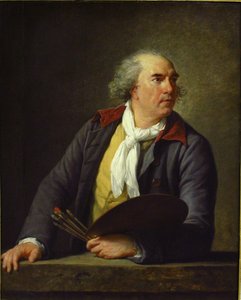
هوبرت روبرت
1733 - 1808 , فرنسا
حقائق سريعة
- أعمال بارزة:
- ميناء روما
- رحلة جالاتيا
- معرض اللوفر
- الاسم الكامل: هوبرت روبرت
- الجنسية: فرنسي
- الحركة الفنية: رومانسية، كلاسيكية جديدة
- تاريخ الميلاد: 22 مايو 1733
- تاريخ الوفاة: 15 أبريل 1808
- فنانون مؤثرون:
- جيوفاني بانيني
- بيرانيزي
- فنانون متأثرون: ['الرومانسية']
- مكان الميلاد: باريس، فرنسا
مقالات ذات صلة

Hubert Robert: Picturing Ruins, Preserving Memory – A Study of Romantic Antiquarianism & Artistic Innovation
Explore the captivating world of Hubert Robert, master of Romantic landscape painting & 'capriccio' ruins. Discover his historical context, artistic innovations, and collecting insights with OriginalUniqueArt.
Capturing Eternal Glory: Impressionist Visions of the Roman Empire's Timeless Grandeur
Explore the breathtaking intersection of Roman grandeur and Impressionist light. Discover how masters like Monet reimagined classical ruins through vibrant, emotive brushstrokes. A cultural journey for true art lovers seeking to bring eternal glory into their homes.

أفضل 10 لوحات طبيعية رومانسية غيرت مسار الفن وجمّلت الديكور | OriginalUniqueArt
اكتشف 10 روائع فنية رسمت مسار الفن الرومانسي! استكشف لوحات فريدريش، مالارد وأكثر. قصص الفنانين، تقنيات الرسم، وجمال المناظر الطبيعية الخلابة. احصل على أعمال فنية عالية الجودة من OriginalUniqueArt.com!

Evocations of Place: A Historical Journey Through Landscape Art
Explore the rich history of landscape art with OriginalUniqueArt. Discover renowned artists, movements like Impressionism & Romanticism, and expert guidance for collecting timeless pieces. Find your perfect serene escape today!

أفضل 25 لوحة لجون كونستابل: روعة الطبيعة الإنجليزية في OriginalUniqueArt
اكتشف روعة الطبيعة الإنجليزية مع أفضل 25 لوحة لجون كونستابل. قصص فنية آسرة وتقنيات زيتية فريدة في OriginalUniqueArt.com. اشترِ نسخًا عالية الجودة وديكور منزلي فاخر. استكشف المجموعة الكاملة الآن!

