معاينة الحجم الواقعي
 مشاركة
 مشاركة
 التفاصيل
 دليل
دليل

 تحميل الملف
 قطع مشابهة
 الأشعة السينية
 عرض شرائح
 الأسئلة والأجوبة
 الإحصائيات
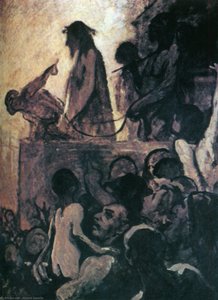
The Washerwoman

- 49.0 x 34.0 cm


 عرض المزيد
طباعة جيلي / مطبوعات فنية
طباعة جيكلي أو كانفاس بجودة المتاحف، مع سرعة في التنفيذ وخيارات متنوعة للتشطيب. ( شراء لوحة مرسومة يدويًا الانتقال إلى الصورة الرقمية)




P118B E£10

P118H E£10

P118W E£10

P438Z E£10

P508JH E£12

P508YH E£12

P805H E£10

P805Z E£10

P919BZ E£10

P919G E£10

P919XJ E£10

P959ZH E£10

P968JZ E£12

W106C E£8

W218G E£10

W218JH E£8

W218Y E£10

W307PJ E£10

W316G E£10

W316PJ E£8

W316Y E£10

W398PJ E£8

W4111J E£10

W500HY E£15

W500JH E£15

W692G E£12

W849H E£8

W940BG E£15

W953PJ E£8




اختر من بين أحجامنا المُعدّة مسبقاً والتي تتوافق مع النسب الأصلية للعمل الفني.

أدخل العرض والارتفاع المطلوبين ليتناسب المقاس مع إطارك أو جدارك. يرجى الملاحظة أن المطبوعة يمكن قصها فقط ولا يمكن تكبيرها لتتجاوز أبعاد الصورة الأصلية، لذا فإن اختيار مقاس بأبعاد مختلفة سيؤدي إلى فقدان جزء من الصورة. سنرسل لك نموذجاً رقمياً تجريبياً لاعتماده قبل البدء في عملية الطباعة. الصورة المعروضة في هذه الصفحة لا توضح شكل القص الفعلي — النموذج التجريبي فقط هو ما يظهر ذلك بدقة.
توصيل عالمي إلى خلال أسبوعين بدلاً من المدة القياسية البالغة 4/5 أسابيع. (4 نوفمبر)

شحن سريع ومجاني لجميع أنحاء العالم

قماش كتان عالي الجودة

تأمين شامل على الشحن

ضمان استرداد الرسوم الجمركية

ضمان مطابقة الألوان الحقيقية

سياسة الإرجاع خلال 100 يوم (في حالات العيوب فقط)

ضمان استرداد نقدي بنسبة 100%

خصم عند طلب كميات
 خيار الزجاج متاح فقط للمقاسات التي تقل عن 110 سم

The Washerwoman
طباعة جيلي / مطبوعات فنية
مقاس النسخة المطبوعة
-


إجمالي السعر النهائي
E£ 4237
The Washerwoman: A Study in Urban Dignity by Honoré Daumier
Honoré Daumier’s “The Washerwoman,” painted in 1863, is more than just a depiction of a woman laboring by the Seine; it's a poignant meditation on poverty, resilience, and the quiet dignity of everyday life in mid-nineteenth century Paris. This oil-on-panel work, now residing within the Metropolitan Museum of Art’s collection, offers a rare glimpse into the lives of those often overlooked by history – the working class women who sustained the city through their tireless efforts.
Daumier, a master of social commentary and caricature, employed his artistic skills not merely to entertain but to expose the injustices and inequalities prevalent in French society. He was deeply attuned to the struggles of the marginalized, frequently using his art as a platform for critique and empathy. “The Washerwoman” embodies this commitment, presenting a scene stripped of romanticism or idealization – instead, it offers a starkly realistic portrayal of a woman’s arduous existence.
A Study in Realist Detail
The painting immediately draws the viewer's attention to the central figure, a woman engaged in the repetitive task of washing clothes. Her posture is one of quiet determination, her hands firmly planted on the ground as she works with a heavy wooden beater. The composition is deliberately simple and unadorned; Daumier eschews elaborate backgrounds or dramatic lighting, focusing instead on capturing the essence of the subject’s physicality and emotional state. The muted palette – dominated by browns, grays, and ochres – reinforces this sense of realism, mirroring the drabness of her surroundings and reflecting the weariness of her labor.
Daumier's technique is characterized by a meticulous attention to detail, particularly in rendering the textures of the clothing, the rough surface of the brick wall behind her, and the worn fabric of her dress. He skillfully employs broken brushstrokes and subtle gradations of color to create a sense of depth and volume, imbuing the scene with a tangible quality. The use of light is equally deliberate; it illuminates the woman’s face and hands, highlighting her vulnerability while simultaneously casting shadows that emphasize the weight of her task.
Symbolism and Social Context
Beyond its immediate visual impact, “The Washerwoman” carries significant symbolic weight. The presence of a young child assisting his mother – a small figure perched on a chair near the left side of the painting – speaks to the cycle of poverty and the intergenerational transmission of hardship. The two handbags resting on the ground suggest a limited means of sustenance, while the bottle nearby hints at the harsh chemicals used in the cleaning process. The building behind her is not merely a backdrop; it represents the urban environment that both sustains and confines these women.
Painted during a period of significant social unrest in France – following the July Revolution and amidst growing calls for reform – Daumier’s work reflects the anxieties and tensions of the era. The painting can be interpreted as a critique of the prevailing economic system, which offered little opportunity for advancement or security to those at the bottom of the social hierarchy. It's a powerful reminder of the human cost of industrialization and the struggles faced by working-class families.
A Timeless Portrait of Resilience
Despite its bleak subject matter, “The Washerwoman” is not devoid of hope or beauty. The woman’s unwavering gaze and her steadfast commitment to her task convey a sense of dignity and resilience – qualities that transcend the limitations of her circumstances. Daumier's masterful depiction captures a moment of quiet strength in the face of adversity, offering a poignant testament to the enduring spirit of humanity. Reproductions of this iconic work continue to resonate with viewers today, prompting reflection on social justice, economic inequality, and the dignity of labor.
الأسئلة والأجوبة
أين تُعرض "The Washerwoman" للفنان أونوريه دومييه اليوم؟
تُعرض لوحة "The Washerwoman" للفنان أونوريه دومييه في متحف أورسيه, Paris, France. ويشير وصف المتحف إلى العمل الأصلي، وليس إلى النسخ المطبوعة.
هل يمكنني رؤية عرض بالأشعة السينية لـ "The Washerwoman" للفنان أونوريه دومييه؟
تُقدم صفحة الأشعة السينية الخاصة بالعمل الفني رؤية الأشعة السينية لـ "The Washerwoman" للفنان أونوريه دومييه: وهي بمثابة فحص تفاعلي للصورة عبر إحدى عشرة طبقة بصرية.
ما هو الحجم المقترح لـ "The Washerwoman" في Living Room؟
في Living Room، يُقترح طباعة "The Washerwoman" بحجم Medium.
السيرة الذاتية للفنان
حياة منقوشة بالسخرية: عالم أونوريه دومييه
ولد أونوريه-فيكتورين دومييه في مرسيليا عام 1808، وكانت رحلته متشابكة بعمق مع التيارات المضطربة لفرنسا في القرن التاسع عشر. كانت حياته المبكرة، التي تميزت بطموحات والده الشعرية وانتقاله اللاحق إلى باريس في عام 1814، غارقة في مدينة تعج بالطاقة الفنية. على الرغم من أنه كان مقدرًا له أن يخوض مهنة قانونية، إلا أن ميول دومييه الشاب انحرفت بشكل لا رجعة فيه نحو الفن. تدرب تحت إشراف ألكسندر لينوار، واستوعب التأثيرات الكلاسيكية جنبًا إلى جنب مع تقدير للكياروسكورو الدرامي لبيتر بول روبنس، وصقل مهاراته في أكاديمية سويس. سيثبت هذا التدريب الأساسي أهميته الحاسمة في تشكيل أسلوبه المتميز - مزيج قوي من الواقعية والبراعة التعبيرية. ومع ذلك، لم يكن الأسلوب الفني هو الذي حدد دومييه فحسب؛ بل كانت حساسيته العميقة للظلم الاجتماعي والتناقضات السياسية المحيطة به.القلم المشحذ: السخرية والتعليق الاجتماعي
بدأت مسيرة دومييه المهنية حقًا في أعقاب ثورة عام 1830، وهو حدث غير مجرى التاريخ الفرنسي بشكل لا رجعة فيه وفي الوقت نفسه قدم أرضًا خصبة لموهبته الساخرة المتنامية. سرعان ما أثبت نفسه كرسام كاريكاتوري بارع، حيث ساهم في البداية بشكل مجهول في منشورات مختلفة قبل أن يكتسب شهرة من خلال عمله مع *Le Charivari*، وهي مجلة هزلية مستقلة بقوة أسسها شارل فيليبون. هنا ازدهرت عبقرية دومييه حقًا. لم تكن رسوماته الكاريكاتورية مجرد تصوير فكاهي؛ بل كانت إدانات لاذعة للبرجوازية والنظام القانوني والمنشأة السياسية. لقد سخر بلا خوف من الملك لويس فيليب، وكسب لنفسه السجن لمدة ستة أشهر في عام 1832 بسبب رسم كاريكاتوري حاد بشكل خاص. لم تصمت هذه التجربة، بل عززت التزامه بفضح النفاق وتحدي السلطة من خلال الفن. أصبحت رسوماته الكاريكاتورية بمثابة بيانات مرئية، تلتقط روح المعارضة وتقدم تعليقًا نقديًا على العلل الاجتماعية لعصره. الحجم الهائل لإنتاجه خلال هذه الفترة مذهل - آلاف الرسومات الكاريكاتورية التي عملت كترفيه شعبي وبيانات سياسية قوية.ما وراء السخرية: رؤى الرسم والنحت
بينما يحتفل دومييه أكثر ما يشتهر به في رسوماته الكاريكاتورية، فإن حصره فقط في هذا المجال سيكون إهانة جسيمة. كان أيضًا رسامًا ونحاتًا متفانيًا، على الرغم من أن الاعتراف بهذه الأعمال جاء لاحقًا في الحياة. غالبًا ما تصور لوحاته مشاهد من الحياة الباريسية اليومية - عربة الدرجة الثالثة، والغسالات، والمحامين - وهي مشبعة بإحساس عميق بالواقعية والتعاطف. إنها ليست تصويرات مثالية بل تصويرات صريحة للصعوبات والنضال. استخدم ببراعة ضربات فرشاة فضفاضة وإضاءة درامية لنقل المشاعر والجو، مما يمهد الطريق لبعض التقنيات التي تبناها لاحقًا الانطباعيون. عمله النحتي، الذي تم إنشاؤه في الغالب من الطين (ظلت العديد من القطع غير مخبوزة خلال حياته)، يكشف عن التزام مماثل بالتقاط الشكل الإنساني بصدق وعمق عاطفي. تُظهر هذه المنحوتات، التي أعيد اكتشافها بعد وفاته، موهبة رائعة في النمذجة وقدرة على نقل التعقيد النفسي من خلال الإيماءات الجسدية.إرث دائم: التأثير والأهمية التاريخية
لا يمكن إنكار تأثير أونوريه دومييه على تاريخ الفن. لقد سد الفجوة بين الرومانسية والواقعية، ومهد الطريق لأجيال قادمة من الفنانين الذين سعوا إلى تصوير العالم كما هو حقًا - بكل عيوبه. أثر تعليقه الاجتماعي الذي لا يلين على فنانين مثل جوستاف كوربيه وإدوارد مانيه، بينما أحدث استخدامه المبتكر لتقنيات الطباعة ثورة في فن الطباعة. يستمر عمله في الرنين اليوم، ويذكرنا بقوة الفن في تحدي السلطة وكشف الظلم والشهادة على الحالة الإنسانية. يضم متحف أورسيه في باريس مجموعة كبيرة من لوحاته ومنحوتاته، مما يوفر للزوار لمحة عن العالم الذي صوره ببراعة. رسوماته الكاريكاتورية متاحة على نطاق واسع من خلال مجموعات مثل تلك الموجودة في OriginalUniqueArt، مما يضمن استمرار عبقريته الساخرة في إثارة التفكير وإلهام الحوار. لم يكن دومييه مجرد فنان؛ لقد كان مؤرخًا لعصره - شاعرًا بصريًا استخدم موهبته لإعطاء صوت للصامت ومحاسبة السلطة. يستمر إرثه بمثابة شهادة على الصلة الدائمة للفن كقوة للتغيير الاجتماعي.
أونوريه دومييه
1808 - 1879 , فرنسا
حقائق سريعة
- أعمال بارزة:
- شارع ترانسنونان
- شعب العدالة
- إكّيهومو
- الاسم الكامل: أونوريه فيكتورين دومييه
- الجنسية: فرنسي
- الحركة الفنية: الواقعية، السخرية
- تاريخ الميلاد: 26 فبراير 1808
- تاريخ الوفاة: 10 فبراير 1879
- فنانون مؤثرون:
- ألكسندر لينوار
- جاك لويس دافيد
- فنانون متأثرون:
- الانطباعية
- الفن الحديث
- مكان الميلاد: مارسيليا، فرنسا
مقالات ذات صلة

The Enduring Muse: Women as Subject & Symbol in Art History
Explore the rich history of women in art – from iconic muses to groundbreaking artists. Discover feminist movements, global perspectives & reclaim female narratives with OriginalUniqueArt.
American Realism: Social Commentary & Artistic Representation in Early 20th-Century Painting
Explore the powerful social commentary & artistic representation of American Realism. Discover key artists like Bellows & Sloan, and understand the movement's lasting impact on 20th-century art history.

Romantic Realism's Finest: 10 Masterpieces for Your Home | OriginalUniqueArt
Explore 10 defining masterpieces of Romantic Realism! Discover Courbet, Millet & Daumier's powerful paintings—capturing emotion and social realities. Find museum-quality reproductions for your home at OriginalUniqueArt.com.

Echoes of Society: Exploring Social Realism's Enduring Legacy in Art
Explore the powerful world of Social Realism art! Discover key artists, masterpieces & its profound social commentary. Expert insights into this influential movement's history and enduring legacy.
أعلى 10 روائع رسمت الواقعية الفنية: رحلة في الإبداع وجماليات الديكور
اكتشف روائع الواقعية الفنية! استكشف 10 أعمال خالدة من كوربيديلو، ميليه وغيرهم. تعرف على تاريخ الفن وألوانه العميقة. احصل على إعادة إنتاج فني عالي الجودة لديكور فريد. اكتشف كل التحف على OriginalUniqueArt.com