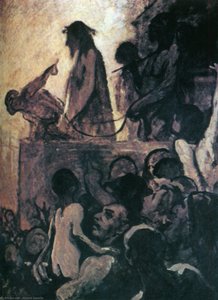
معاينة الحجم الواقعي
 إرسال
إرسال مشاركة
 عرض التفاصيل
 دليل الأعمال الفنية للطلاب

 تحميل
تحميل
 قطع مشابهة
 الأشعة السينية
 عرض شرائح متتابع
 الإحصائيات
The Third-class Carriage
 Oil On Canvas
- WallArt
- Social Realism
 1860
1860- 19th Century
 65.0 x 90.0 cm
 المتحف المتروبوليتاني للفنون
 اقرأ المزيد
طباعة جيلي / مطبوعات فنية
طباعة جيكلي أو كانفاس بجودة المتاحف، مع سرعة في التنفيذ وخيارات متنوعة للتشطيب. ( اطلب نسخة مرسومة يدويًا التحويل إلى الصورة الرقمية)




P118B E£10

P118H E£10

P118W E£10

P438Z E£10

P508JH E£12

P508YH E£12

P805H E£10

P805Z E£10

P919BZ E£10

P919G E£10

P919XJ E£10

P959ZH E£10

P968JZ E£12

W106C E£8

W218G E£10

W218JH E£8

W218Y E£10

W307PJ E£10

W316G E£10

W316PJ E£8

W316Y E£10

W398PJ E£8

W4111J E£10

W500HY E£15

W500JH E£15

W692G E£12

W849H E£8

W940BG E£15

W953PJ E£8




اختر من بين أحجامنا المُعدّة مسبقاً والتي تتوافق مع النسب الأصلية للعمل الفني.

أدخل العرض والارتفاع اللذين تحتاجهما، ليتناسب مع إطارك أو جدارك. يمكن قص المطبوعة فقط، ولا يمكن أبداً جعلها أكبر من الصورة الأصلية، لذا فإن أي مقاس بشكل مختلف سيؤدي إلى فقدان جزء من الصورة. سنرسل لك نموذجاً رقمياً تجريبياً لاعتماده قبل البدء في عملية الطباعة. الصورة المعروضة في هذه الصفحة لا توضح القص الفعلي — النموذج التجريبي فقط هو ما يظهر ذلك.
توصيل عالمي إلى خلال أسبوعين بدلاً من المدة القياسية البالغة 4/5 أسابيع. (21 أكتوبر)

شحن سريع ومجاني لجميع أنحاء العالم

قماش كتان فاخر

تأمين شامل على الشحن

ضمان استرداد الرسوم الجمركية

ضمان دقة مطابقة الألوان

سياسة الإرجاع خلال 100 يوم (في حالات العيوب فقط)

ضمان استرداد نقدي بنسبة 100%

عرض خصم الكميات
 خيار الزجاج متاح فقط للمقاسات التي تقل عن 110 سم

The Third-class Carriage
طباعة جيلي / مطبوعات فنية
مقاس النسخة المطبوعة
-


إجمالي السعر
E£ 4131
A Window into the Soul of the Working Class
In the crowded, dimly lit confines of a mid-19th-century railway carriage, Honoré Daumier captures more than just a moment in transit; he captures the very essence of human endurance. The Third-class Carriage serves as a profound window into the burgeoning urban reality of France during the Second Empire. As the industrial revolution reshaped the landscape of Europe, Daumier turned his gaze away from the gilded salons of the aristocracy and toward the weary faces of the common people. The painting invites us to step into a space defined by proximity and shared struggle, where the boundaries between strangers dissolve in the cramped, rhythmic motion of the train.
The composition is a masterclass in realism, utilizing a tight, almost claustrophobic perspective that forces the viewer to sit alongside the passengers. There is no escape from the density of the scene; we are pressed against the heavy textures of worn clothing and the weathered surfaces of the carriage walls. Daumier’s ability to evoke the atmosphere of a moving vessel is palpable, as if one can almost feel the vibration of the tracks beneath the wooden benches. This sense of enclosure does not merely depict a setting; it symbolizes the social limitations and the heavy, inescapable weight of class distinctions that defined the era.
The Artistry of Light and Shadow
Technically, Daumier employs a palette dominated by somber earth tones—deep browns, muted ochres, and shadowy blues—which lends the work an incredible sense of gravity and permanence. His use of chiaroscuro is particularly striking; light does not flood this carriage but rather seeps in, catching the edge of a forehead, the curve of a shoulder, or the texture of a bundle of belongings. This selective illumination directs our eyes through the crowd, highlighting the individual stories hidden within the collective mass. The brushwork, while grounded in realism, possesses an expressive, almost sculptural quality that gives the figures a monumental presence despite their humble status.
For the discerning collector or interior designer, this piece offers a sophisticated emotional depth that transcends mere decoration. It is a work of profound empathy. Each figure—the elderly woman, the young mother, the stoic laborer—carries an expression of quiet resignation and quiet strength. There is no melodrama here, only the dignified reality of daily life. Incorporating a high-quality reproduction of this masterpiece into a space brings with it a sense of historical weight and intellectual curiosity, making it an ideal centerpiece for a room designed to inspire reflection and conversation.
A Timeless Legacy of Social Commentary
Beyond its visual beauty, The Third-class Carriage remains a powerful piece of social commentary. Daumier, a master of satire and a keen observer of political absurdity, uses this scene to honor the fortitude of the working class. He finds beauty in the unvarnished truth, transforming a mundane journey into an epic of human resilience. The painting does not look away from poverty or fatigue; instead, it elevates these experiences through art, granting the subjects a level of importance usually reserved for kings and deities.
To own a reproduction of this work is to possess a fragment of history—a piece that speaks to the enduring human spirit amidst the tides of change. Whether placed in a contemporary gallery setting or a classic study, Daumier’s vision continues to resonate, reminding us that even in the most crowded and difficult of journeys, there is a profound, quiet dignity to be found.
الأسئلة والأجوبة
أين تقع لوحة "The Third-class Carriage" ضمن الموضوعات المتكررة لدى أونوريه دومييه؟
من بين الثيمات المسجلة لـ أونوريه دومييه - وهي classical draftsmanship, social critique, 19th-century french society woes, satirical commentary, political dissent, daumier’s biting realism”, “social injustice” - يركز عمل "The Third-class Carriage" بشكل خاص على 19th century france, carriage travel, social class, daumiers satire, urban life, daily struggle, realist painting.
أين يمكنني العثور على أعمال فنية مشابهة لـ "The Third-class Carriage" للفنان أونوريه دومييه؟
تستعرض صفحة أعمال مشابهة لعمل "The Third-class Carriage" للفنان أونوريه دومييه أعمالاً فنية ذات صلة.
ما هي لوحة الألوان واللون الطاغي الذي يميز "The Third-class Carriage"؟
الهوية اللونية لـ "The Third-class Carriage" للفنان أونوريه دومييه: لوحة ألوان Earthy، يطغى عليها لون Phthalo Green (#191415).
نبذة عن الفنان
حياة منقوشة بالسخرية: عالم أونوريه دومييه
ولد أونوريه-فيكتورين دومييه في مرسيليا عام 1808، وكانت رحلته متشابكة بعمق مع التيارات المضطربة لفرنسا في القرن التاسع عشر. كانت حياته المبكرة، التي تميزت بطموحات والده الشعرية وانتقاله اللاحق إلى باريس في عام 1814، غارقة في مدينة تعج بالطاقة الفنية. على الرغم من أنه كان مقدرًا له أن يخوض مهنة قانونية، إلا أن ميول دومييه الشاب انحرفت بشكل لا رجعة فيه نحو الفن. تدرب تحت إشراف ألكسندر لينوار، واستوعب التأثيرات الكلاسيكية جنبًا إلى جنب مع تقدير للكياروسكورو الدرامي لبيتر بول روبنس، وصقل مهاراته في أكاديمية سويس. سيثبت هذا التدريب الأساسي أهميته الحاسمة في تشكيل أسلوبه المتميز - مزيج قوي من الواقعية والبراعة التعبيرية. ومع ذلك، لم يكن الأسلوب الفني هو الذي حدد دومييه فحسب؛ بل كانت حساسيته العميقة للظلم الاجتماعي والتناقضات السياسية المحيطة به.القلم المشحذ: السخرية والتعليق الاجتماعي
بدأت مسيرة دومييه المهنية حقًا في أعقاب ثورة عام 1830، وهو حدث غير مجرى التاريخ الفرنسي بشكل لا رجعة فيه وفي الوقت نفسه قدم أرضًا خصبة لموهبته الساخرة المتنامية. سرعان ما أثبت نفسه كرسام كاريكاتوري بارع، حيث ساهم في البداية بشكل مجهول في منشورات مختلفة قبل أن يكتسب شهرة من خلال عمله مع *Le Charivari*، وهي مجلة هزلية مستقلة بقوة أسسها شارل فيليبون. هنا ازدهرت عبقرية دومييه حقًا. لم تكن رسوماته الكاريكاتورية مجرد تصوير فكاهي؛ بل كانت إدانات لاذعة للبرجوازية والنظام القانوني والمنشأة السياسية. لقد سخر بلا خوف من الملك لويس فيليب، وكسب لنفسه السجن لمدة ستة أشهر في عام 1832 بسبب رسم كاريكاتوري حاد بشكل خاص. لم تصمت هذه التجربة، بل عززت التزامه بفضح النفاق وتحدي السلطة من خلال الفن. أصبحت رسوماته الكاريكاتورية بمثابة بيانات مرئية، تلتقط روح المعارضة وتقدم تعليقًا نقديًا على العلل الاجتماعية لعصره. الحجم الهائل لإنتاجه خلال هذه الفترة مذهل - آلاف الرسومات الكاريكاتورية التي عملت كترفيه شعبي وبيانات سياسية قوية.ما وراء السخرية: رؤى الرسم والنحت
بينما يحتفل دومييه أكثر ما يشتهر به في رسوماته الكاريكاتورية، فإن حصره فقط في هذا المجال سيكون إهانة جسيمة. كان أيضًا رسامًا ونحاتًا متفانيًا، على الرغم من أن الاعتراف بهذه الأعمال جاء لاحقًا في الحياة. غالبًا ما تصور لوحاته مشاهد من الحياة الباريسية اليومية - عربة الدرجة الثالثة، والغسالات، والمحامين - وهي مشبعة بإحساس عميق بالواقعية والتعاطف. إنها ليست تصويرات مثالية بل تصويرات صريحة للصعوبات والنضال. استخدم ببراعة ضربات فرشاة فضفاضة وإضاءة درامية لنقل المشاعر والجو، مما يمهد الطريق لبعض التقنيات التي تبناها لاحقًا الانطباعيون. عمله النحتي، الذي تم إنشاؤه في الغالب من الطين (ظلت العديد من القطع غير مخبوزة خلال حياته)، يكشف عن التزام مماثل بالتقاط الشكل الإنساني بصدق وعمق عاطفي. تُظهر هذه المنحوتات، التي أعيد اكتشافها بعد وفاته، موهبة رائعة في النمذجة وقدرة على نقل التعقيد النفسي من خلال الإيماءات الجسدية.إرث دائم: التأثير والأهمية التاريخية
لا يمكن إنكار تأثير أونوريه دومييه على تاريخ الفن. لقد سد الفجوة بين الرومانسية والواقعية، ومهد الطريق لأجيال قادمة من الفنانين الذين سعوا إلى تصوير العالم كما هو حقًا - بكل عيوبه. أثر تعليقه الاجتماعي الذي لا يلين على فنانين مثل جوستاف كوربيه وإدوارد مانيه، بينما أحدث استخدامه المبتكر لتقنيات الطباعة ثورة في فن الطباعة. يستمر عمله في الرنين اليوم، ويذكرنا بقوة الفن في تحدي السلطة وكشف الظلم والشهادة على الحالة الإنسانية. يضم متحف أورسيه في باريس مجموعة كبيرة من لوحاته ومنحوتاته، مما يوفر للزوار لمحة عن العالم الذي صوره ببراعة. رسوماته الكاريكاتورية متاحة على نطاق واسع من خلال مجموعات مثل تلك الموجودة في OriginalUniqueArt، مما يضمن استمرار عبقريته الساخرة في إثارة التفكير وإلهام الحوار. لم يكن دومييه مجرد فنان؛ لقد كان مؤرخًا لعصره - شاعرًا بصريًا استخدم موهبته لإعطاء صوت للصامت ومحاسبة السلطة. يستمر إرثه بمثابة شهادة على الصلة الدائمة للفن كقوة للتغيير الاجتماعي.
أونوريه دومييه
1808 - 1879 , فرنسا
لمحة سريعة
- أعمال بارزة:
- شارع ترانسنونان
- شعب العدالة
- إكّيهومو
- الاسم الكامل: أونوريه فيكتورين دومييه
- الجنسية: فرنسي
- الحركة الفنية: الواقعية، السخرية
- تاريخ الميلاد: 26 فبراير 1808
- تاريخ الوفاة: 10 فبراير 1879
- فنانون مؤثرون:
- ألكسندر لينوار
- جاك لويس دافيد
- فنانون متأثرون:
- الانطباعية
- الفن الحديث
- مكان الميلاد: مارسيليا، فرنسا
مقالات ذات صلة

Romantic Realism's Finest: 10 Masterpieces for Your Home | OriginalUniqueArt
Explore 10 defining masterpieces of Romantic Realism! Discover Courbet, Millet & Daumier's powerful paintings—capturing emotion and social realities. Find museum-quality reproductions for your home at OriginalUniqueArt.com.
أعلى 10 روائع رسمت الواقعية الفنية: رحلة في الإبداع وجماليات الديكور
اكتشف روائع الواقعية الفنية! استكشف 10 أعمال خالدة من كوربيديلو، ميليه وغيرهم. تعرف على تاريخ الفن وألوانه العميقة. احصل على إعادة إنتاج فني عالي الجودة لديكور فريد. اكتشف كل التحف على OriginalUniqueArt.com
19th Century Masterpieces: 10 Paintings That Defined an Era | OriginalUniqueArt
Journey through 19th century art with OriginalUniqueArt! Explore 10 iconic paintings – from Monet & Renoir to Courbet – and discover the stories behind Romanticism, Realism & Impressionism. Find museum-quality reproductions for your home decor. Explore the full collection online!
The Poetic Truth of Observation: Exploring 19th-Century Realism in Painting
Explore the captivating world of 19th-century Realism! Discover key artists like Courbet & Millet, masterpieces, and the powerful social commentary behind this influential art movement. Expert insights at OriginalUniqueArt.
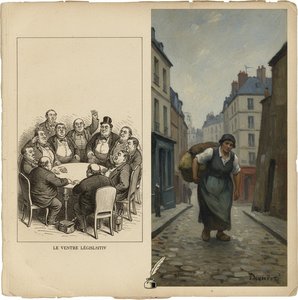
Honoré Daumier: Social Commentary & Artistic Innovation in 19th-Century France
Explore the life & work of Honoré Daumier, a master of 19th-century French realism and satire. Discover his powerful lithographs, paintings, and sculptures critiquing society – and his lasting influence on modern art.