
 معاينة الحجم الواقعي
 مشاركة
 مشاركة
 التفاصيل
 دليل
دليل

 تحميل الملف
 قطع مشابهة
 الأشعة السينية
 عرض شرائح
 الأسئلة والأجوبة
 الإحصائيات
Dancer

- 78.0 x 42.0 cm
 عرض المزيد
احصل على ملف جاهز للطباعة يتجاوز بمراحل جودة المعاينة عبر الإنترنت؛ فكل صورة رقمية نبيعها مستمدة من نسخة أصلية عالية الدقة في قاعدة بياناتنا — يتراوح عرضها عادةً بين 5,000 إلى 15,000 بكسل — مما يتيح لك الطباعة بأحجام كبيرة، أو الاقتصاص بدقة، أو إعادة إنتاج التفاصيل الدقيقة بكل ثقة.
لا تخرج أي صورة من استوديو الخاص بنا دون أن تمر بعملية معالجة دقيقة؛ حيث يقوم خبير رقمي بمطابقة الألوان مع اللوحة الأصلية وتصحيحها عند الضرورة، ثم يعمل على تحسين الوضوح والتفاصيل باستخدام أدوات ترميم احترافية — مع الحفاظ دائماً على أمانة نقل ضربات فرشاة الفنان وأسلوبه. والنتيجة هي صورة تبدو كأنها اللوحة ذاتها، وليست مجرد مسح ضوئي خاضع للفلاتر.
تتم عملية الاعتماد قبل الإتمام النهائي: حيث يرسل خبيرنا الصورة عبر البريد الإلكتروني في غضون 72 ساعة لمراجعتها من قبلك. هل لم تنل النتيجة إعجابك؟ يمكنك طلب تحسينات أو تصحيحات، أو طلب استرداد الأموال إذا لم تكن الجودة بالمستوى المطلوب.
هذه هي الجودة التي يعتمد عليها الناشرون، واستوديوهات التصميم، والمعارض، والمطابع.
صورة رقمية
حمّل ملفاً عالي الدقة للعرض الشخصي، والطباعة، والمشاريع الإبداعية. ( التبديل إلى نسخة مطبوعة شراء لوحة مرسومة يدويًا)
مزايا مُضمّنة مع كل طلب صورة رقمية
تسليم رقمي احترافي ومضمون
عندما تختار OriginalUniqueArt.com، فأنت لا تحصل على مجرد صورة فحسب، بل ستحصل على عمل فني رقمي مُحسّن باحترافية، صُمم بدقة متناهية ومصحوب بضمان الرضا. إليك كل ما يتضمنه طلبك تلقائياً:

تسليم سريع عبر البريد الإلكتروني
ستصلك ملفات صورك الرقمية عالية الدقة عبر البريد الإلكتروني في غضون 72 ساعة من إتمام الطلب - لتكون جاهزة للاستخدام الفوري.

ملف رقمي مُعزز بالذكاء الاصطناعي
يتم تحسين عملك الفني باحترافية باستخدام أدوات الذكاء الاصطناعي المتقدمة والتحرير اليدوي، لضمان أقصى درجات التفاصيل والوضوح ودقة الألوان.

إعادة إرسال مجانية مدى الحياة
هل حذفت ملفك أو فقدته عن طريق الخطأ؟ لا تقلق - سنعيد إرساله إليك في أي وقت، مجاناً.

بدون رسوم استيراد - على الإطلاق
استمتع بأعمالك الفنية فوراً دون أي رسوم جمركية أو ضرائب أو مصاريف شحن - فالتحميلات الرقمية دائماً ما تكون معفاة من الضرائب.

ضمان دقة الألوان
نضمن لك دقة انعكاس الألوان الأصلية في صورتك الرقمية بأقصى قدر ممكن، وذلك باستخدام أدوات احترافية وتقنيات متطورة لإدارة الألوان.

ضمان الرضا لمدة 100 يوم
إذا لم تكن راضياً عن صورتك الرقمية، فسنقوم بتعديلها أو استرداد 100% من قيمتها خلال 100 يوم - دون طرح أي أسئلة.

ضمان استرداد نقدي بنسبة 100%
لم تكن راضياً؟ استرد كامل المبلغ خلال 100 يوم من استلام ملفك الرقمي - دون طرح أي أسئلة.

خصومات الطلبات الكبيرة
اشتري 3 صور، ووفر 10% - اشتري 5، ووفر 15% - اشتري +10، ووفر 20%. مثالية للمشاريع الإبداعية، والمعارض، والوكالات.
السيرة الذاتية للفنان
The Dawn of Ukiyo-e: Hishikawa Moronobu and the Floating World
Hishikawa Moronobu, born in Edo (modern Tokyo) in 1618, stands as a pivotal figure in the history of Japanese art. He wasn’t merely an artist; he was a cultural architect, instrumental in shaping the ukiyo-e movement – “pictures of the floating world” – that would come to define much of Japan's artistic legacy. Before Moronobu, painting and printmaking were largely confined to established themes: landscapes inspired by Chinese masters, portraits of the elite, and religious subjects. He dared to turn his brush towards the everyday lives of ordinary people, a radical shift that resonated deeply with the burgeoning merchant class in Edo’s vibrant urban landscape. Moronobu's early life remains somewhat shrouded in mystery, but it is known he came from a relatively humble background, initially working as a book designer and illustrator before establishing himself as an independent artist. This foundation proved crucial; his understanding of narrative composition and design would become hallmarks of his style.Forging a New Aesthetic: From Book Illustration to Popular Prints
The Edo period (1603-1868) witnessed a flourishing of urban culture, fueled by economic prosperity and relative peace. A new class of wealthy merchants emerged, eager for entertainment and self-expression. Moronobu astutely recognized this demand. He began producing single-sheet prints – nishiki-e, or brocade pictures – that depicted scenes from contemporary life: beautiful women engaged in their daily routines, actors performing on stage, legendary samurai tales brought to vivid life. These weren’t the grand historical narratives favored by earlier artists; they were intimate glimpses into the world around them. His work consolidated various Japanese art styles—the refined elegance of Kanō school painting, the decorative flair of Tosa school illustrations, and the dynamic energy of popular theater – blending these influences into a uniquely accessible aesthetic. He wasn’t simply copying existing forms; he was synthesizing them, creating something entirely new. His prints were relatively affordable, making art available to a wider audience than ever before. This democratization of art was perhaps his most significant achievement.Themes and Techniques: Capturing the Essence of Edo Life
Moronobu’s subject matter centered on the pleasures and pastimes of Edo society. Beautiful women (bijin-ga) were a recurring motif, often depicted in elegant kimonos, engaged in activities like playing musical instruments, writing poetry, or simply enjoying the scenery. He also created numerous prints featuring actors (yakusha-e), capturing their dramatic poses and expressive faces with remarkable detail. Samurai tales, though romanticized, offered a glimpse into the warrior ethos that still held sway in Japanese culture. His technique was characterized by bold outlines, flat areas of color, and meticulous attention to detail. He employed sophisticated woodblock carving and printing methods, achieving a level of precision previously unseen in ukiyo-e. The use of multiple blocks allowed for complex compositions and vibrant color palettes. Moronobu’s prints weren't merely representations of reality; they were idealized versions, imbued with a sense of grace and refinement. He skillfully used negative space to create balance and harmony within his compositions, drawing the viewer’s eye to key elements.Legacy and Influence: The Foundation of a Movement
Hishikawa Moronobu died in 1694, leaving behind a body of work that would profoundly influence generations of ukiyo-e artists. He established many of the conventions – subject matter, composition, technique – that would define the genre for centuries to come. Artists like Torii Kiyonobu, his adopted son and pupil, continued his style, further popularizing ukiyo-e. Later masters such as Hokusai and Hiroshige built upon the foundations laid by Moronobu, pushing the boundaries of the genre in new directions. His impact extends beyond the realm of art; he captured a specific moment in Japanese history – the rise of urban culture and the emergence of a vibrant merchant class – providing invaluable insights into the social values and aesthetic sensibilities of the Edo period.- He is considered the first true master of ukiyo-e.
- His work bridged the gap between traditional painting styles and popular printmaking.
- Moronobu’s prints democratized art, making it accessible to a wider audience.
- He established many of the conventions that would define ukiyo-e for centuries.
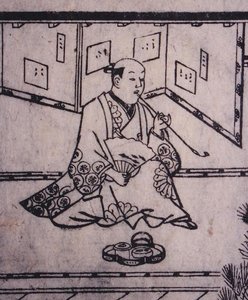
Hishikawa Moronobu
1618 - 1694 , Japan
لمحة سريعة
- Full Name: Hishikawa Moronobu
- Nationality: Japanese
- Date Of Birth: 1618
- Date Of Death: 1694
- Place Of Birth: Tokyo, Japan
- Artistic Movement Or Style: Ukiyo-e
- Artists Or Movements Influenced By This Artist: ['Early Ukiyo-e']