 معاينة الحجم الواقعي
 إرسال
إرسال مشاركة
 عرض التفاصيل
 دليل الأعمال الفنية للطلاب

 تحميل
تحميل
 قطع مشابهة
 الأشعة السينية
 عرض شرائح متتابع
 Q&A
Q&A الإحصائيات
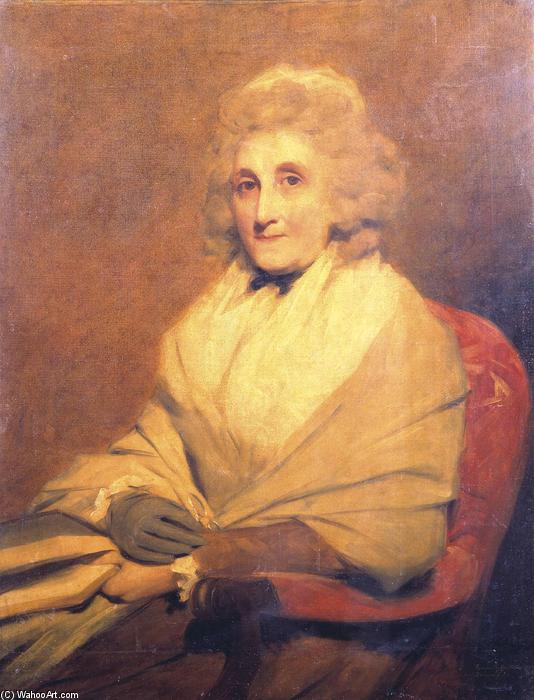
Mrs Cay


 اقرأ المزيد
طباعة جيلي / مطبوعات فنية
طباعة جيكلي أو كانفاس بجودة المتاحف، مع سرعة في التنفيذ وخيارات متنوعة للتشطيب. ( اطلب نسخة مرسومة يدويًا التحويل إلى الصورة الرقمية)




P118B E£10

P118H E£10

P118W E£10

P438Z E£10

P508JH E£12

P508YH E£12

P805H E£10

P805Z E£10

P919BZ E£10

P919G E£10

P919XJ E£10

P959ZH E£10

P968JZ E£12

W106C E£8

W218G E£10

W218JH E£8

W218Y E£10

W307PJ E£10

W316G E£10

W316PJ E£8

W316Y E£10

W398PJ E£8

W4111J E£10

W500HY E£15

W500JH E£15

W692G E£12

W849H E£8

W940BG E£15

W953PJ E£8




اختر من بين أحجامنا المُعدّة مسبقاً والتي تتوافق مع النسب الأصلية للعمل الفني.

أدخل العرض والارتفاع اللذين تحتاجهما، ليتناسب مع إطارك أو جدارك. يمكن قص المطبوعة فقط، ولا يمكن أبداً جعلها أكبر من الصورة الأصلية، لذا فإن أي مقاس بشكل مختلف سيؤدي إلى فقدان جزء من الصورة. سنرسل لك نموذجاً رقمياً تجريبياً لاعتماده قبل البدء في عملية الطباعة. الصورة المعروضة في هذه الصفحة لا توضح القص الفعلي — النموذج التجريبي فقط هو ما يظهر ذلك.
توصيل عالمي إلى خلال أسبوعين بدلاً من المدة القياسية البالغة 4/5 أسابيع. (1 نوفمبر)

شحن سريع ومجاني لجميع أنحاء العالم

قماش كتان فاخر

تأمين شامل على الشحن

ضمان استرداد الرسوم الجمركية

ضمان دقة مطابقة الألوان

سياسة الإرجاع خلال 100 يوم (في حالات العيوب فقط)

ضمان استرداد نقدي بنسبة 100%

عرض خصم الكميات
 خيار الزجاج متاح فقط للمقاسات التي تقل عن 110 سم

Mrs Cay
طباعة جيلي / مطبوعات فنية
مقاس النسخة المطبوعة
-


إجمالي السعر
E£ 4178
Henry Raeburn: A Scottish Portraitist's Mastery of Light, Character & National Identity
Sir Henry Raeburn (1756–1823) stands as an unparalleled figure in the annals of British portraiture—a testament to artistic vision and unwavering dedication. Born amidst the intellectual fervor of the Scottish Enlightenment, his journey from humble beginnings to royal patronage exemplifies the transformative power of talent and perseverance. Orphaned at a young age, Raeburn’s formative years were shaped by the steadfast support of his brother William, who secured him an education at Heriot's Hospital in Edinburgh—a foundation that would prove instrumental in nurturing his burgeoning artistic inclinations. This early grounding instilled within him a meticulous attention to detail and a profound understanding of observation, qualities that would become hallmarks of his distinctive style. His apprenticeship under James Gilliland, the esteemed goldsmith, honed his technical skills and introduced him to the intricacies of crafting miniature portraits on ivory—a medium favored by discerning collectors and celebrated for its ability to capture subtle nuances of expression. However, Raeburn’s artistic ambitions extended far beyond mere replication; he sought to imbue his canvases with a palpable sense of life, striving to convey not just likeness but also the very essence of his subjects' personalities. This pursuit of psychological realism distinguishes him from many of his contemporaries and elevates his work to a level of enduring artistic merit. The influence of David Martin—Allan Ramsay’s former assistant—further solidified Raeburn’s stylistic trajectory, guiding him toward mastering oil painting techniques that prioritized tonal gradation and atmospheric perspective. He meticulously studied the works of Michelangelo, recognizing the importance of capturing monumental grandeur while simultaneously conveying emotional depth—a lesson that profoundly impacted his artistic sensibilities. Notably, he embraced a revolutionary approach to portraiture by utilizing a technique known as “drawing from life,” painstakingly sketching his subjects before applying paint—a method that ensured unparalleled accuracy and immediacy. Raeburn’s prolific output spanned decades, producing an impressive array of portraits depicting figures from across the spectrum of Scottish society—aristocrats, clergymen, scholars, and statesmen alike. His canvases are imbued with a remarkable sensitivity to light and shadow, skillfully manipulating tonal values to sculpt form and evoke mood. Moreover, Raeburn's compositions often incorporate symbolic elements that reflect his subjects’ virtues or aspirations—a characteristic feature of Neo-classical portraiture that underscores the artist’s intellectual engagement with philosophical ideas. Consider “Mrs Cay,” a captivating depiction of Lady Georgiana Stuart (née Sutherland), commissioned by her husband Robert Stewart, 3rd Earl of Uxbridge. Painted in 1823, shortly before Raeburn's death, this portrait exemplifies his mastery of tonal gradation and psychological observation. The muted palette—dominated by earthy browns and creams—creates a serene atmosphere that subtly conveys Lady Stuart’s dignified composure. Her gaze is direct yet contemplative, hinting at inner thoughts and emotions beyond the surface appearance. The inclusion of a shawl draped around her shoulders adds textural richness to the composition and reinforces the image's sense of intimacy. Raeburn’s meticulous attention to detail—evident in the rendering of Lady Stuart’s hair and clothing—demonstrates his unwavering commitment to artistic excellence. Ultimately, Henry Raeburn’s legacy resides not merely in his technical prowess but also in his profound understanding of human character and his ability to translate complex psychological states onto canvas. His portraits continue to resonate with viewers today, offering glimpses into the lives and sensibilities of a bygone era—a testament to the enduring power of art to illuminate the human condition.- Artist: Henry Raeburn (1756–1823)
- Medium: Oil on Canvas
- Style: Neo-Classical
- Notable Technique: Drawing from Life, Atmospheric Perspective
- Historical Context: Scottish Enlightenment
Symbolism & Emotional Impact
The subdued color palette of “Mrs Cay”—primarily browns and creams—serves to heighten the portrait’s contemplative mood. The careful positioning of Lady Stuart's gaze directs the viewer's attention inward, inviting reflection on her inner thoughts and emotions. Furthermore, the shawl symbolizes warmth and comfort, subtly conveying Lady Stuart’s grace and refinement. Raeburn’s masterful use of tonal gradation sculpts form and creates a sense of depth—enhancing the portrait’s visual impact and capturing the essence of its subject's personality.Technical Considerations
Raeburn’s technique involved painstakingly sketching his subjects from life before applying paint—a method that ensured unparalleled accuracy and immediacy. He meticulously studied Michelangelo’s monumental sculptures, recognizing the importance of conveying grandeur while simultaneously capturing emotional depth. The artist's mastery of oil painting techniques—particularly tonal gradation and atmospheric perspective—contributed significantly to the portrait’s luminous quality and its ability to evoke mood.Legacy & Influence
Henry Raeburn remains a pivotal figure in British art history, celebrated for his innovative approach to portraiture and his unwavering dedication to artistic excellence. His influence can be discerned in subsequent generations of painters who sought to emulate his stylistic vision—solidifying his place as one of Scotland’s most revered artists.الأسئلة والأجوبة
كيف يمكن وصف الحالة المزاجية لـ "Mrs Cay" للفنان هنري ريبرن؟
تتمثل الحالة المزاجية العامة لـ "Mrs Cay" للفنان هنري ريبرن في Elegant. وتصف هذه الحالة الأجواء العامة للعمل الفني.
ما نوع العمل الفني "Mrs Cay" للفنان هنري ريبرن؟
" Mrs Cay " هي قطعة من نوع WallArt.
هل يتوفر عرض مسبق بتقنية الواقع المعزز لـ "Mrs Cay"؟
يمكنك معاينة "Mrs Cay" للفنان هنري ريبرن على جدارك الخاص عبر صفحة معاينة الواقع المعزز الخاصة بالعمل الفني، وذلك باستخدام تقنية الواقع المعزز على جهاز متوافق.
نبذة عن الفنان
نشأة هنري ريبرن وبداياته الفنية
ولد هنري ريبرن في عام 1756، في خضم عصر التنوير المزدهر في اسكتلندا. برز كشخصية محورية في عالم البورتريه البريطاني، قصة حياته هي قصة فنان اكتفى بالاعتماد على نفسه، صعد من بدايات متواضعة ليصبح أول رسام اسكتلندي أصيل يحقق شهرة واسعة ورعاية ملكية. بعد أن فقد والديه في سن مبكرة، تشكلت حياة ريبرن المبكرة بدعم أخيه ويليام، الذي ضمن له التعليم في مستشفى هيريوت في إدنبره. أثبت هذا الأساس أهميته، على الرغم من أن مساره الأولي لم يقده مباشرة إلى القماش والفرشاة، بل إلى الحرفة الدقيقة لصناعة الذهب تحت إشراف جيمس جيليلاند. كان في هذا العالم من التفاصيل المعقدة والمهارة المتقنة ينمي ريبرن الدقة التي ستحدد أسلوبه الفني لاحقًا. بدأ بصنع صور مصغرة على العاج، مما يدل على موهبة فطرية في التقاط أوجه التشابه بدقة ملحوظة. ومع ذلك، لم يمض وقت طويل قبل أن يوقعه سحر الرسم الزيتي واسع النطاق، وانطلق بشجاعة في رحلة لتعلم هذا الوسيط الأكثر تطلبًا.من الدقة المصغرة إلى البورتريهات الفخمة
تميز تطور ريبرن الفني بالسعي المستمر لتحقيق الكمال. استوعب المعرفة من ديفيد مارتن، وهو رسام بورتريه رائد في إدنبره كان مساعدًا لألان رامزي، لكنه اعتمد إلى حد كبير على تفانيه الخاص وملاحظته الدقيقة. تكشف أعماله المبكرة عن موهبة متنامية، ولكن من خلال الممارسة المستمرة والعين الحادة للتفاصيل بدأ يتميز عن غيره. جاءت نقطة التحول مع زواجه من آن إدجار، وهي أرملة ثرية، في عام 1778. وفر هذا الاتحاد الاستقرار المالي، مما سمح لريبرن بتكريس نفسه بالكامل للرسم دون قيود الالتزامات التجارية. انغمس في دراسة أعمال الأساتذة مثل جوشوا رينولدز، الذي التقى به خلال فترة وجيزة في لندن في طريقه إلى إيطاليا - على الرغم من أن الرحلة الإيطالية تم التخلي عنها في النهاية. بدأ أسلوب ريبرن في التبلور حول الواقعية القوية، التي تتميز بالإضاءة الدرامية والقدرة على التقاط ليس فقط التشابه الجسدي ولكن أيضًا الشخصية الداخلية لنماذجه. ابتعد عن التصوير الناعم والمثالي الشائع في ذلك الوقت، مفضلاً الصدق المباشر الذي يتردد صداه مع الحساسيات الاسكتلندية.التقاط الشخصية: التوقيع الفني لريبرن
بورتريهات ريبرن ليست مجرد تمثيلات للأفراد؛ إنها دراسات نفسية مرسومة بالزيت. كان يمتلك قدرة غير عادية على نقل شخصية ووضع وحتى مزاج موضوعه. كانت تقنيته بارعة - مزيج من الملاحظة الدقيقة والضربات الواثقة للفُرشاة وفهم متطور للضوء والظل. اللاعب البولو الشاب، على سبيل المثال، ليس مجرد تصوير لرجل نبيل يمارس رياضة؛ إنه لقطة حيوية لشخصية الشباب والترف الأرستقراطي. وبالمثل، فإن بورتريه ألكسندر ألان، وهو شخصية بارزة في الفن الاسكتلندي، يكشف عن رجل يتمتع بالفكر والرقي. أصبح استخدام ريبرن للكياروسكورو - التباين الدرامي بين الضوء والظلام - علامة مميزة لأسلوبه، مما يضفي العمق والكثافة على تكوينه. غالبًا ما وضع موضوعه مقابل خلفيات داكنة، مما يسمح لوجوههم وأشكالهم بالظهور بوضوح مذهل. لم تعزز هذه التقنية التأثير البصري لبورتريهاته فحسب، بل ساعدت أيضًا في التركيز على شخصية الفرد وحضوره.الاعتراف والإرث: أيقونة اسكتلندية
طوال حياته المهنية، حظي ريبرن بنجاح وتقدير كبيرين. أصبح عضوًا بارزًا في مجتمع إدنبره، وجذب عمولات من العائلات والأفراد البارزين. في عام 1815، انتُخب لعضوية الأكاديمية الملكية في لندن، مما عزز سمعته على المستوى الوطني. كان تعيينه رسام بورتريه للملك جورج الرابع في اسكتلندا في عام 1822 - قبل وفاته بوقت قصير في عام 1823 - هو الاعتراف النهائي بإنجازاته الفنية. تأثير ريبرن على الفن الاسكتلندي لا يقدر بثمن. لقد وضع معيارًا للبورتريه الذي سيسعى الأجيال اللاحقة إلى تقليده، ولا يزال عمله يلهم الفنانين حتى اليوم. تُقام لوحاته الآن في مجموعات مرموقة حول العالم، بما في ذلك المعرض الوطني الاسكتلندي في إدنبره ومجموعة فريك في نيويورك.- إن تفانيه في الواقعية والبصيرة النفسية ميزه عن العديد من معاصريه.
- ساعد في تأسيس هوية اسكتلندية مميزة داخل الفن البريطاني.
- لا تزال تقنيته الماهرة قيد الدراسة والإعجاب من قبل الفنانين والعلماء على حد سواء.

هنري ريبرن
1756 - 1823 , المملكة المتحدة
لمحة سريعة
- أعمال بارزة:
- اللاعب البولو الشاب
- ألكسندر ألان
- السير جون هاي
- الاسم الكامل: هنري ريبرن
- الجنسية: اسكتلندي
- الحركة الفنية: البورتريه، الواقعية
- الفنون المتأثرة: الفن الاسكتلندي
- تاريخ الميلاد: 4 مارس 1756
- تاريخ الوفاة: 8 يوليو 1823
- فنانون مؤثرون:
- ديفيد مارتن
- جوشوا رينولدز
- مكان الميلاد: ستوكبريدج، المملكة المتحدة
مقالات ذات صلة

Henry Raeburn Dobson: A Scottish Colourist Bridging Tradition & Modernity
Explore the life & work of Henry Raeburn Dobson, a key figure bridging Scottish tradition & modern art. Discover his neoclassical portraits, landscapes, and connection to the Colourists. Learn about collecting his works.
Sir John Watson Gordon: A Study in Scottish Landscape Painting & Tonal Impressionism
Explore the captivating portraits of Sir John Watson Gordon, a leading Scottish master. Discover his evolution from neoclassical style to atmospheric Tonalism and influence on 19th-century British art. Learn about his iconic sitters & legacy.

أعمال هنري ماتيس الرائعة: 25 تحفة فنية تزين منزلك بجمال الألوان والابتكار
اكتشف 25 تحفة فنية لهنري ماتيس، رائد التعبيرية وFauvism. استكشف قصص لوحاته المذهلة وألوانه الجريئة. احصل على مطبوعات عالية الجودة لديكور منزلي فاخر. اكتشف جميع الروائع على OriginalUniqueArt.com
Henry Raeburn: A Scottish Portraitist's Mastery of Light, Character & National Identity
Explore the life & work of Henry Raeburn, a master Scottish portraitist. Discover his innovative techniques, captivating portraits of the Enlightenment era, and lasting legacy in art history. Learn more at OriginalUniqueArt.
George Paul Chalmers: Rediscovering the Angus Rembrandt & Scottish Colourist Roots
Explore the captivating world of George Paul Chalmers (1833-1878), a pivotal Scottish painter. Discover his landscapes, portraits & connection to the Aesthetic Movement and Colourists. Learn about this 'Angus Rembrandt's' legacy with OriginalUniqueArt.