- الرئيسية

- طباعة على كانفاس
- Henry Pelham
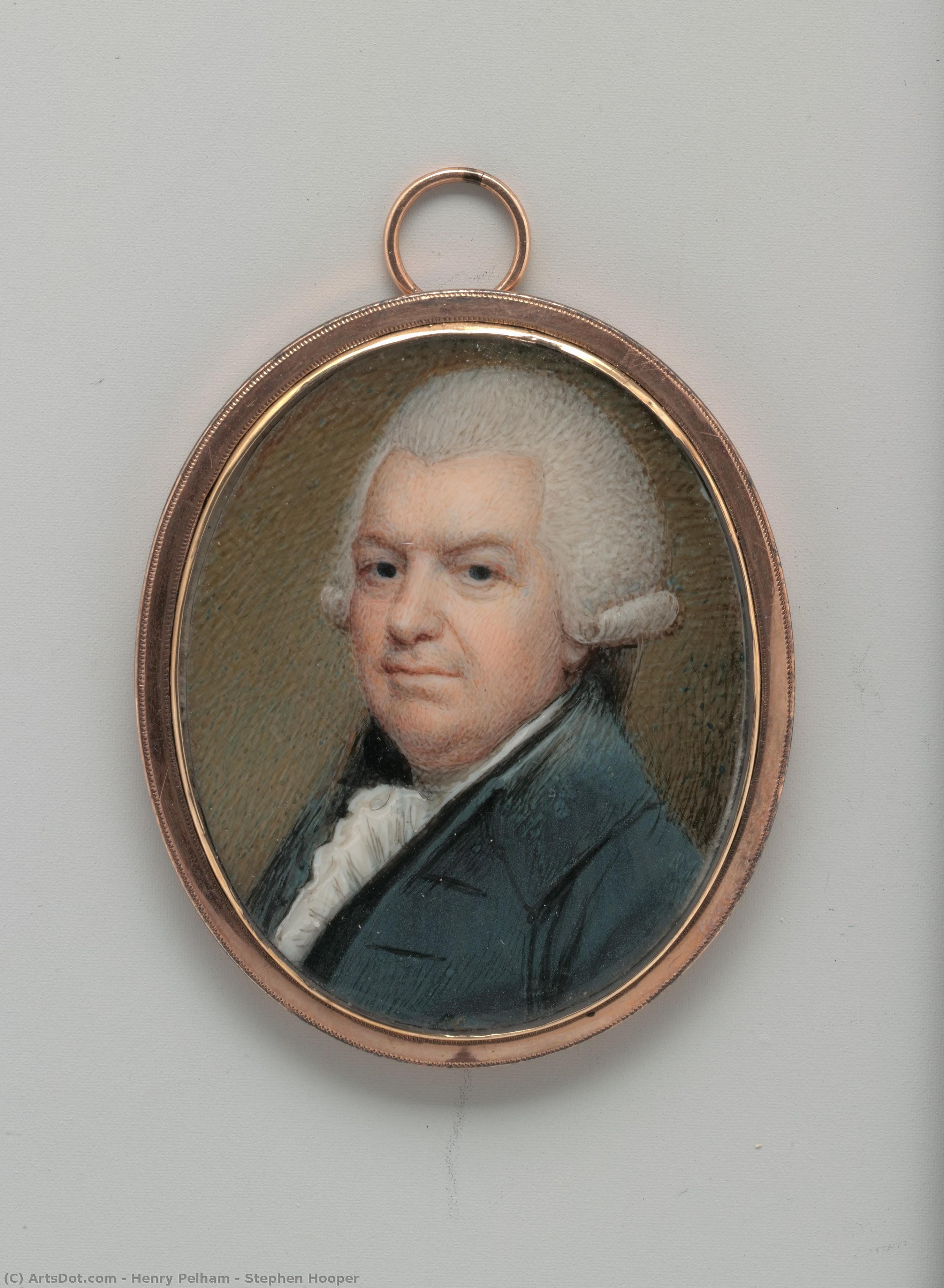
- Stephen Hooper
 Preview
 اطلب نسخة مرسومة يدوياً شراء الصورة بدقة عالية
 مشاركة
 مشاركة
 التفاصيل
 أضف إلى المفضلة

 تحميل الملف
 قطع مشابهة
 الأشعة السينية
 عرض شرائح
Stephen Hooper
 1773
1773 5.0 x 4.0 cm
 عرض المزيد
طباعة جيلي / مطبوعات فنية
طباعة جيكلي أو كانفاس بجودة المتاحف، مع سرعة في التنفيذ وخيارات متنوعة للتشطيب.




































اختر من بين أحجامنا المُعدّة مسبقًا والتي تتطابق مع النسب الأصلية للعمل الفني.

يمكنك إدخال أبعادك الخاصة لتناسب إطاراً أو مساحة معينة. وإذا لم يتطابق الحجم الذي اخترته مع نسب الصورة الأصلية، فسنقوم إما بقص العمل الفني أو تمديد الصورة باستخدام حافة معكوسة أو بلون مصمت. سيتم إرسال نموذج تجريبي رقمي لاعتمادك قبل بدء الإنتاج.
يرجى ملاحظة أن المعاينة على الشاشة لا تعكس عملية القص أو التمديد الفعلية؛ حيث سيوضح النموذج التجريبي فقط التكوين النهائي بدقة.
وعلى الرغم من توفر أحجام مخصصة، إلا أننا نوصي باختيار أبعاد من القائمة المحددة مسبقاً للحفاظ على النسب الأصلية.
توصيل عالمي إلى خلال أسبوعين بدلاً من المدة القياسية البالغة 4/5 أسابيع. 26 يوليو

شحن سريع ومجاني لجميع أنحاء العالم

قماش كتان عالي الجودة

تأمين شحن شامل

ضمان استرداد الرسوم الجمركية

ضمان مطابقة الألوان الحقيقية

سياسة الإرجاع خلال 60 يومًا (في حالات العيوب فقط)

ضمان استرداد نقدي بنسبة 100%

خصم عند طلب عدة قطع
 خيار الزجاج متاح فقط للمقاسات التي تقل عن 110 سم

Stephen Hooper
طباعة جيلي / مطبوعات فنية
مقاس النسخة المطبوعة
-


السعر الإجمالي النهائي
-
وصف القطعة الفنية
السيرة الذاتية للفنان
Henry Pelham: A Bostonian Painter Caught in the Crucible of Revolution
Henry Pelham (February 14, 1748/49 – 1806) remains a fascinating and somewhat enigmatic figure in American art history. Born in Boston, Massachusetts, during a period of intense political ferment, Pelham’s life was inextricably linked to the burgeoning spirit of revolution. More than just a painter, he was an engraver, cartographer, and a keen observer of his time, offering invaluable contemporary insights into the events unfolding within the thirteen colonies through his art and meticulously documented correspondence, particularly with his half-brother, the renowned artist John Singleton Copley.
Pelham’s early life provided him with an exceptional artistic foundation. His father, Peter Pelham, was a limner – a painter of portraits and decorative works – and instilled in Henry a deep appreciation for technique and observation. Growing up within a family deeply involved in the art world, particularly through his mother's connection to Copley, afforded him access to influential networks and artistic training. This familial link proved crucial; Copley’s encouragement and support were instrumental in shaping Pelham’s career trajectory, especially as he navigated the increasingly turbulent political landscape.
A Painter of Patriots and Loyalists
Pelham's artistic output reflects the deeply divided sentiments gripping Boston during the 1770s. He produced a remarkable range of works, encompassing portraits, landscapes, and, most famously, engravings that captured pivotal moments in the revolutionary period. His most enduring legacy lies in his depiction of the Boston Massacre (1770), an engraving that quickly became one of the most circulated images of the event. Unlike Copley’s more nuanced and sympathetic portrayal, Pelham's version presented a starkly dramatic scene, emphasizing the violence inflicted upon the colonists by British soldiers. This choice, driven by his Loyalist leanings, fueled considerable controversy and accusations of bias.
However, it is crucial to recognize that Pelham was not simply a propagandist for one side or the other. His art reveals a complex and often contradictory perspective. While he sympathized with the British cause and vehemently opposed rebellion, he also possessed a keen eye for detail and an undeniable talent for capturing human emotion. His portraits of prominent Bostonians, including members of the merchant elite, demonstrate his skill in rendering individual character and social standing. Furthermore, his cartographic work – meticulously detailed maps of Boston and its surrounding areas – showcases his technical proficiency and commitment to accurate representation.
The Correspondence with Copley: A Window into a Divided City
Pelham’s extensive correspondence with John Singleton Copley provides an unparalleled glimpse into the intellectual and artistic life of Boston during this tumultuous era. These letters, filled with observations on political events, social gatherings, and artistic developments, offer a remarkably intimate account of the city's divisions. Copley, as a staunch supporter of independence, frequently challenged Pelham’s Loyalist views, leading to spirited debates about art, politics, and the future of America. These exchanges reveal not only their differing perspectives but also a deep affection and mutual respect between two talented artists.
The letters are particularly illuminating in their detailed descriptions of the Boston Massacre. Copley’s eyewitness account of the event, combined with Pelham's engraving, created a powerful and enduring image of colonial resistance. Analyzing these sources together allows us to appreciate the complexities of the situation and understand how different artists interpreted the same events through their own lenses.
Beyond the Boston Massacre: A Cartographer and Engraver
While the Boston Massacre remains Pelham’s most famous work, his contributions extended far beyond this single engraving. He was a skilled cartographer, producing detailed maps of Boston that were highly valued by merchants and civic leaders. His engravings, in addition to the Massacre scene, included depictions of buildings, landscapes, and portraits – demonstrating versatility and technical mastery.
Pelham’s career was tragically cut short by his death in 1806 while overseeing the construction of a coastal defense tower in Ireland. Despite this untimely demise, his legacy endures as a significant figure in American art history—a painter who captured the drama and complexity of the American Revolution through his unique artistic vision and insightful correspondence.
Pelham’s Historical Significance
Henry Pelham's work is historically significant for several reasons. Firstly, he provides a rare firsthand account of the Boston Massacre, offering a perspective often overlooked in traditional historical narratives. Secondly, his letters to Copley illuminate the intellectual and artistic debates that shaped colonial identity during this critical period. Finally, his art serves as a testament to the diverse range of perspectives within the American Revolution—a revolution not defined by simple allegiance but by complex loyalties and conflicting ideals.
Henry Pelham
1748 - 1806 , United States of America
حقائق سريعة
- Artistic Movement Or Style: Portraiture
- Artists Or Movements Influenced By This Artist: ['American Revolution']
- Artists Who Influenced This Artist: ['John Singleton Copley']
- Date Of Birth: Feb 14, 1748/49
- Date Of Death: 1806
- Full Name: Henry Pelham
- Nationality: American
- Notable Artworks:
- Boy with Squirrel
- Boston Massacre
- Place Of Birth: Boston, USA

