
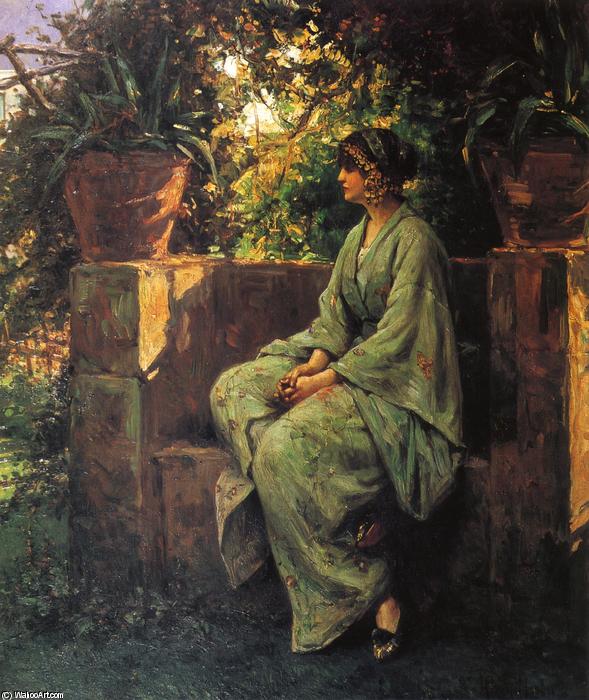
 معاينة الحجم الحقيقي
 مشاركة
 مشاركة
 التفاصيل

 تحميل الملف
 قطع مشابهة
 الأشعة السينية
 عرض شرائح
Siesta

 عرض المزيد
نسخة زيتية مصنوعة يدوياً
لوحة زيتية مرسومة يدوياً على الكانفاس بالمقاس والإطار الذي تفضله، تُنفذ حسب الطلب على أيدي فنانينا. ( اشترِ نسخة مطبوعة اشترِ الصورة)




































اختر من بين أحجامنا المُعدّة مسبقًا والتي تتطابق مع النسب الأصلية للعمل الفني.

يمكنك إدخال أبعادك الخاصة لتناسب إطارًا معينًا أو مساحة محددة. وإذا لم يتطابق الحجم الذي اخترته مع نسب الصورة الأصلية، فسنقوم إما بقص العمل الفني أو توسيع اللوحة بإضافة عناصر مرسومة يدويًا. سيتم إرسال نموذج رقمي إليك للموافقة عليه قبل بدء الإنتاج.
يرجى ملاحظة أن المعاينة على الشاشة لا تعكس عملية القص أو التوسيع الفعلية؛ حيث إن النموذج الرقمي وحده هو الذي سيوضح التكوين النهائي بدقة.
وعلى الرغم من توفر أحجام مخصصة، إلا أننا نوصي باختيار أبعاد من القائمة المحددة مسبقًا للحفاظ على النسب الأصلية للعمل الفني.
بعد إتمام الطلب، سيرسل فريق OriginalUniqueArt.com بريداً إلكترونياً للعميل لطلب التعليمات وتزويده بمعاينة تجريبية (mockup).
توصيل عالمي إلى خلال 3 إلى 4 أسابيع بدلاً من المدة المعتادة البالغة 5 أسابيع. (13 أغسطس). جودة لا تهاون فيها.

شحن سريع ومجاني لجميع أنحاء العالم

قماش كتان عالي الجودة

تأمين شحن شامل

ضمان استرداد الرسوم الجمركية

ضمان مطابقة الألوان الحقيقية

سياسة الإرجاع خلال 60 يومًا (في حالات العيوب فقط)

ضمان استرداد نقدي بنسبة 100%

خصم عند طلب عدة قطع
 خيار الزجاج متاح فقط للمقاسات التي تقل عن 110 سم

Siesta
خامة إعادة الإنتاج
مقاس النسخة المطبوعة
-


السعر الإجمالي النهائي
$ 300
السيرة الذاتية للفنان
Early Life and Artistic Foundations
Henry Mosler, born in Tropplowitz, Silesia (present-day Poland) in 1841, embarked on a journey that would establish him as a significant figure in American art. His family’s emigration to the United States in 1849, settling first in New York and then Cincinnati, Ohio, proved pivotal. This move placed young Henry within a thriving German-Jewish community known for its commitment to education and cultural pursuits—a nurturing environment that undoubtedly fostered his early artistic inclinations. While his father pursued work as a cigar maker and tobacconist, Henry received an apprenticeship with a wood engraver, Horace C. Grosvenor, simultaneously learning the fundamentals of painting from an amateur landscape artist named George Kerr. These formative experiences laid the groundwork for a career deeply rooted in observation, technical skill, and a burgeoning passion for visual storytelling. Even as a young man, Mosler demonstrated a natural talent, sketching portraits of family members and local scenes that hinted at the detailed realism he would later become renowned for.From Civil War Correspondent to European Refinement
The outbreak of the American Civil War dramatically altered the course of Mosler’s artistic development. Serving as an art correspondent for Harper's Weekly from 1862 to 1863, he documented the conflict with a keen eye and unwavering commitment to visual accuracy. This experience wasn’t merely reportage; it was an immersive education in human drama, suffering, and resilience—themes that would subtly permeate his later work. He served as an aide-de-camp with the Army of the Ohio, creating 34 drawings for Harper's Weekly, including depictions of key campaigns in Kentucky and Ohio, alongside portraits of Union generals. Following the war, Mosler sought formal training abroad, a common pursuit for ambitious American artists of the time. He studied in Düsseldorf under Heinrich Mücke and Albert Kindler, then spent six months with Ernest Hébert in Paris. This European sojourn was transformative, exposing him to classical techniques and the prevailing artistic currents of the day. It instilled within him a dedication to craftsmanship and a refined aesthetic sensibility that would define his mature style.A Transatlantic Career and the Pursuit of Realism
Mosler’s career unfolded across continents, reflecting a deliberate pursuit of artistic excellence. He returned to Cincinnati in 1866, establishing himself as a sought-after portraitist, but the allure of Europe proved irresistible. In 1874, he relocated his family to France, initially studying with Carl Theodor von Piloty in Munich before settling into an extended period in Brittany. It was here that Mosler truly found his voice. He became captivated by the lives of Breton peasants, depicting their daily routines and quiet dignity with remarkable sensitivity and detail. His paintings from this period—such as The Quadroon Girl and Early Cares—gained recognition at the Paris Salon, a prestigious platform for showcasing artistic talent. A pivotal moment arrived in 1879 with Le Retour, which was not only accepted by the Salon but also acquired by the Luxembourg Palace – an unprecedented honor for an American artist. This success solidified Mosler’s international reputation and underscored his mastery of realism, a movement that emphasized accurate representation and emotional depth.Legacy and Lasting Influence
In 1894, Henry Mosler returned to the United States, establishing a studio in Carnegie Hall, New York City. He continued to paint prolifically, shifting his focus towards historical genre scenes while maintaining his signature attention to detail and psychological insight. His work resonated with an American audience eager for narratives that celebrated both national heritage and universal human experiences. Beyond his individual achievements, Mosler’s influence extended through his family; his son, Gustave Henry Mosler, also pursued a career in painting, and another son, Arthur Rembrandt Mosler, became an engineer who married the renowned vocal coach Estelle Liebling. His artistic contributions are preserved in major museum collections worldwide—the Smithsonian American Art Museum, the Cincinnati Art Museum, the Huntington Library, and many others—ensuring that his legacy endures for generations to come. He provided valuable visual documentation of both a tumultuous period in American history – the Civil War – and the everyday lives of people across cultures. Henry Mosler stands as a testament to the power of dedication, observation, and artistic skill, leaving an indelible mark on the landscape of 19th-century art.
Henry Mosler
1841 - 1920 , Poland
حقائق سريعة
- Artistic Movement Or Style: Realism
- Artists Or Movements Influenced By This Artist: ['Subsequent Artists']
- Artists Who Influenced This Artist: ['European Masters']
- Date Of Birth: June 6, 1841
- Date Of Death: April 21, 1920
- Full Name: Henry Mosler
- Nationality: American
- Notable Artworks:
- Le Retour
- Later Afternoon
- Just Moved
- Place Of Birth: Tropszyno, Poland

