
 معاينة الحجم الواقعي
 مشاركة
 مشاركة
 التفاصيل
 دليل
دليل

 تحميل الملف
 قطع مشابهة
 الأشعة السينية
 عرض شرائح
 الأسئلة والأجوبة
 الإحصائيات
Catspaws off the Land

- 70.0 x 12.0 cm


 عرض المزيد
إن العمل الفني المعروض في هذه الصفحة محمي بموجب قوانين حقوق الطبع والنشر، مما يعني أنه لا يحق لنا قانوناً إنشاء أو بيع نسخ مطابقة له. وتُطبق هذه الحماية بموجب الاتفاقيات الدولية مثل الـ اتفاقية برن ووفقاً للقوانين الوطنية، بما في ذلك تلك المنصوص عليها في قانون حقوق الطبع والنشر في الولايات المتحدة - الباب 17.
تتوافق هذه الطريقة تماماً مع لوائح حقوق النشر لأنها لا تتضمن نسخ أو تكرار العمل الفني المحمي، بل هي إعادة تفسير إبداعية؛ أي أنها لوحة جديدة مستوحاة من الأصل ولكنها ليست مطابقة له.
طباعة جيلي / مطبوعات فنية
طباعة جيكلي أو كانفاس بجودة المتاحف، مع سرعة في التنفيذ وخيارات متنوعة للتشطيب. ( شراء لوحة مرسومة يدويًا الانتقال إلى الصورة الرقمية)




P118B E£10

P118H E£10

P118W E£10

P438Z E£10

P508JH E£12

P508YH E£12

P805H E£10

P805Z E£10

P919BZ E£10

P919G E£10

P919XJ E£10

P959ZH E£10

P968JZ E£12

W106C E£8

W218G E£10

W218JH E£8

W218Y E£10

W307PJ E£10

W316G E£10

W316PJ E£8

W316Y E£10

W398PJ E£8

W4111J E£10

W500HY E£15

W500JH E£15

W692G E£12

W849H E£8

W940BG E£15

W953PJ E£8




اختر من بين أحجامنا المُعدّة مسبقاً والتي تتوافق مع النسب الأصلية للعمل الفني.

أدخل العرض والارتفاع المطلوبين ليتناسب المقاس مع إطارك أو جدارك. يرجى الملاحظة أن المطبوعة يمكن قصها فقط ولا يمكن تكبيرها لتتجاوز أبعاد الصورة الأصلية، لذا فإن اختيار مقاس بأبعاد مختلفة سيؤدي إلى فقدان جزء من الصورة. سنرسل لك نموذجاً رقمياً تجريبياً لاعتماده قبل البدء في عملية الطباعة. الصورة المعروضة في هذه الصفحة لا توضح شكل القص الفعلي — النموذج التجريبي فقط هو ما يظهر ذلك بدقة.
توصيل عالمي إلى خلال أسبوعين بدلاً من المدة القياسية البالغة 4/5 أسابيع. (4 نوفمبر)

شحن سريع ومجاني لجميع أنحاء العالم

قماش كتان عالي الجودة

تأمين شامل على الشحن

ضمان استرداد الرسوم الجمركية

ضمان مطابقة الألوان الحقيقية

سياسة الإرجاع خلال 100 يوم (في حالات العيوب فقط)

ضمان استرداد نقدي بنسبة 100%

خصم عند طلب كميات
 خيار الزجاج متاح فقط للمقاسات التي تقل عن 110 سم

Catspaws off the Land
طباعة جيلي / مطبوعات فنية
مقاس النسخة المطبوعة
-


إجمالي السعر النهائي
E£ 4237
A Voyage into Coastal Dreams: Exploring Catspaws off the Land
To gaze upon Catspaws off the Land is to be gently swept away by the vast, breathing expanse of the sea meeting the steadfast embrace of the shore. This magnificent piece captures a moment suspended in time—a quintessential 19th-century marine painting that speaks volumes through its masterful handling of light and atmosphere. The composition itself is a study in balance; while the rugged coastline anchors one side, the open sky and the graceful passage of two sailing boats draw the eye across the water. It is an invitation to contemplation, suggesting both the wild unpredictability of nature and the enduring rhythm of human endeavor.
Technique and Texture: The Painter's Hand at Work
The artist employed oil paint with a visible, tactile energy that rewards close inspection. One can almost feel the texture beneath the surface—the impasto built up in the churning waves, the subtle grit suggested on the rocky cliffs, and the soft diffusion of light across the water. The brushwork is remarkably controlled yet loose, lending the entire scene a palpable sense of movement. This technique allows the cool palette of blues and greens to dominate, punctuated by warmer, ethereal tones within the clouds. It is this masterful interplay between defined structure—seen in the geometric forms of the boats and rocks—and organic fluidity—present in the waves and sky—that gives the painting its profound depth.
Symbolism Woven into the Tides
Beyond its breathtaking visual appeal, Catspaws off the Land resonates with deeper symbolic currents. The maritime setting itself has always been a metaphor for life’s journey; the boats represent human passage and connection, while the formidable, rugged landscape speaks eloquently of isolation and inherent resilience. The very act of sailing into such a dramatic environment suggests themes of perseverance against overwhelming natural forces. It is a quiet meditation on humanity's place within the grand, untamed sweep of the natural world.
Historical Echoes and Enduring Appeal
Dating from 1885, this work stands as a beautiful artifact of the great tradition of marine art. While the artist’s signature style may echo the sensibilities of its time—a period fascinated by exploration and the sublime power of nature—its appeal remains timeless. For the collector or designer seeking to infuse a space with depth, history, and an undeniable sense of tranquility, this painting offers more than mere decoration; it offers an emotional anchor. Reproducing such a piece allows one to bring the expansive, calming spirit of the open ocean into the intimate confines of a home.
الأسئلة والأجوبة
من الذي أبدع "Catspaws off the Land"، وفي أي عام؟
أبدع هنري مور لوحة "Catspaws off the Land" في عام 1885.
هل تُعد "Catspaws off the Land" نموذجاً لما اعتاد هنري مور على إبداعه عادةً؟
من بين الثيمات المسجلة لـ هنري مور - وهي romantic landscape influence, maritime victorian era, nature's power & resilience, humanity vs. sea", moore's coastal series, british identity & exploration, sublime beauty, isolation - يركز عمل "Catspaws off the Land" بشكل خاص على coastal landscape, maritime art, 19th century, british painting, sea view, nautical scene, atmospheric, textured surface.
ما هي التقنية المستخدمة في صنع "Catspaws off the Land"؟
استخدم هنري مور تقنية Oil On Canvas في عمل "Catspaws off the Land"، وهي التقنية التي تحدد الطبيعة المادية للعمل الأصلي.
السيرة الذاتية للفنان
Henry Moore: Sculptor of Form and Emotion
Henry Spencer Moore, born in the Yorkshire mining town of Castleford on July 30, 1898, stands as one of Britain’s most revered sculptors of the twentieth century. His life was shaped by a profound engagement with artistic exploration—a journey from humble beginnings to global acclaim fueled by an unwavering dedication to capturing the essence of human experience and the beauty inherent in natural forms. From his early fascination with modeling clay and carving wood, Moore demonstrated an innate talent that foreshadowed the remarkable trajectory of his career.Early Influences and Artistic Formation
Moore’s formative years were marked by a steadfast belief in education instilled by his father—a self-taught man who championed intellectual curiosity and steered him away from traditional trades toward formal schooling. Even as a young boy, he exhibited an exceptional aptitude for artistic endeavors, particularly sculpting, demonstrating a sensitivity to texture and form that would become central to his distinctive style. His studies at Leeds School of Art and subsequently the Royal College of Art in London exposed him to the transformative ideas of classical sculpture and modern movements like Cubism—influences that irrevocably shaped his artistic vision. However, Moore transcended mere stylistic imitation; he synthesized these diverse inspirations into a singular aesthetic expression characterized by profound emotional depth.The Embrace of Abstraction and Landscape
A pivotal encounter in 1925 during a trip to Mexico ignited Moore’s passion for abstraction—specifically the monumental sculptures of the Aztec civilization. The simplicity and geometric precision of Aztec art liberated him from representational constraints, prompting him to explore forms devoid of literal depiction yet brimming with expressive power. This period witnessed the genesis of his signature style: semi-abstract sculptures distinguished by rounded, organic shapes—often punctuated by voids or apertures—that interacted dynamically with light and space. Moore’s artistic sensibility was deeply rooted in the Yorkshire landscape—the rolling hills and windswept moors that served as constant source of inspiration. He sought to convey not just visual impressions but also intangible feelings—a sense of serenity, vulnerability, and connection to the natural world.The Reclining Figure: A Symbol of Tranquility
Moore’s artistic legacy rests primarily upon his exploration of the *reclining figure*, which became synonymous with his name. These sculptures are not merely representations of repose; they are meditations on form, volume, and the relationship between the human body and its surroundings—a deliberate departure from conventional anatomical accuracy. The undulating curves characteristic of reclining figures evoke a timelessness that transcends cultural boundaries, conveying a profound sense of peace and contemplation. Furthermore, Moore’s sculptures frequently incorporate openings or voids—strategic incisions that invite viewers to consider the interplay between light and shadow—enhancing their expressive qualities and deepening their symbolic resonance.Recognition and Enduring Impact
Throughout his illustrious career, Moore received numerous commissions from prominent institutions—allowing him to realize ambitious sculptural projects that transformed urban spaces and captivated audiences worldwide. He firmly believed that art should serve as a catalyst for dialogue and understanding—actively championing accessibility and fostering artistic innovation. His monumental bronzes stand as enduring emblems of human creativity—testaments to his unwavering commitment to capturing the essence of human experience and conveying profound emotional truths. Henry Moore’s influence on subsequent generations of sculptors is undeniable—he challenged prevailing aesthetic conventions and championed abstraction as a means of expressing complex ideas—leaving an indelible mark on the history of modern art.- Notable Sculptures: Reclining Figure, Family Group, Shelter Drawings
- Influential Movements: Modernism, Cubism
- Key Themes: Human Form, Landscape, Tranquility

هنري مور
1898 - 1986 , المملكة المتحدة
حقائق سريعة
- Artistic Movement Or Style: التعبيرية الفرنسية، النحت المجرد
- Artists Who Influenced This Artist: ['إدوارد كانينجز"، "بيير مكيسي']
- Date Of Birth: ٣٠ يوليو ١٨٩٨
- Date Of Death: ٣١ أغسطس ١٩٨٦
- Full Name: هنري مور
- Nationality: بريطانية
- Notable Artworks: ['شكل مستلقٍ"، "رسومات المأوى"، "المارّة والطفل']
- Place Of Birth: كاستلفراد، المملكة المتحدة
مقالات ذات صلة
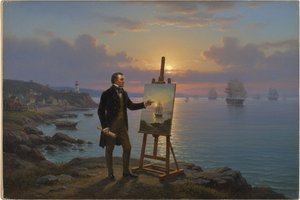
Fitz Henry Lane: Luminosity, Landscape & the American Maritime Tradition – A Collector’s Insight
Explore the luminous world of Fitz Henry Lane, a master of American maritime painting & Luminism. Discover his legacy, techniques, and investment potential for discerning art collectors. Expert insights at OriginalUniqueArt.

أعمال هنري ماتيس الرائعة: 25 تحفة فنية تزين منزلك بجمال الألوان والابتكار
اكتشف 25 تحفة فنية لهنري ماتيس، رائد التعبيرية وFauvism. استكشف قصص لوحاته المذهلة وألوانه الجريئة. احصل على مطبوعات عالية الجودة لديكور منزلي فاخر. اكتشف جميع الروائع على OriginalUniqueArt.com

أفضل 10 لوحات طبيعية رومانسية غيرت مسار الفن وجمّلت الديكور | OriginalUniqueArt
اكتشف 10 روائع فنية رسمت مسار الفن الرومانسي! استكشف لوحات فريدريش، مالارد وأكثر. قصص الفنانين، تقنيات الرسم، وجمال المناظر الطبيعية الخلابة. احصل على أعمال فنية عالية الجودة من OriginalUniqueArt.com!

Evoking Nature's Sublime: A Comprehensive Exploration of 19th-Century Landscape Painting
Explore the captivating world of 19th-century landscape painting! Discover renowned artists like Friedrich & Monet, key movements, and find the perfect artwork to bring nature's serenity into your home. Expert insights at OriginalUniqueArt.

Evocations of Place: A Historical Journey Through Landscape Art
Explore the rich history of landscape art with OriginalUniqueArt. Discover renowned artists, movements like Impressionism & Romanticism, and expert guidance for collecting timeless pieces. Find your perfect serene escape today!


