

 معاينة الحجم الواقعي
 إرسال
إرسال مشاركة
 عرض التفاصيل
 دليل الأعمال الفنية للطلاب

 تحميل
تحميل
 قطع مشابهة
 الأشعة السينية
 عرض شرائح متتابع
 الإحصائيات
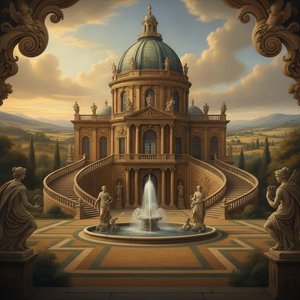
Classical Landscape with Figures
 Baroque
 71.0 x 112.0 cm
 اقرأ المزيد
نسخة زيتية مصنوعة يدوياً
لوحة زيتية مرسومة يدوياً على الكانفاس بالمقاس والإطار الذي تفضله، تُنفذ حسب الطلب على أيدي فنانينا. ( التبديل إلى المطبوعات التحويل إلى الصورة الرقمية)




































اختر من بين أحجامنا المُعدّة مسبقاً والتي تتوافق مع النسب الأصلية للعمل الفني.

أدخل العرض والارتفاع اللذين تحتاجهما، ليتناسب العمل مع إطارك أو جدارك. وبما أن هذه اللوحة مرسومة يدوياً، ففي حال اختيار مقاس بشكل مختلف، يمكن للفنان رسم مساحة إضافية حول الصورة أو تقليصها قليلاً — الخيار لك. سنرسل لك نموذجاً رقمياً تجريبياً لاعتماده قبل البدء في الرسم. علماً بأن الصورة المعروضة في هذه الصفحة لا تعكس النتيجة النهائية الحقيقية — فالنموذج التجريبي هو الوحيد الذي يوضح ذلك بدقة.
بعد إتمام الطلب، سيرسل فريق OriginalUniqueArt.com بريداً إلكترونياً للعميل لطلب التعليمات وتزويده بمعاينة تجريبية (mockup).
توصيل عالمي إلى خلال 3 إلى 4 أسابيع بدلاً من المدة المعتادة البالغة 5 أسابيع. (21 أكتوبر). جودة لا تهاون فيها.

شحن سريع ومجاني لجميع أنحاء العالم

قماش كتان فاخر

تأمين شامل على الشحن

ضمان استرداد الرسوم الجمركية

ضمان دقة مطابقة الألوان

سياسة الإرجاع خلال 100 يوم (في حالات العيوب فقط)

ضمان استرداد نقدي بنسبة 100%

عرض خصم الكميات
 خيار الزجاج متاح فقط للمقاسات التي تقل عن 110 سم

Classical Landscape with Figures
وسيط إعادة الإنتاج
مقاس النسخة المطبوعة
-


إجمالي السعر
E£ 18072
الأسئلة والأجوبة
ما هو اتجاه لوحة "Classical Landscape with Figures" للفنان Henri Mauperché؟
تتميز لوحة "Classical Landscape with Figures" للفنان Henri Mauperché بتنسيق Landscape. ويصف هذا التنسيق أبعاد التكوين الفني.
ما مقدار الضوء الذي تبدو ألوان "Classical Landscape with Figures" عاكسة له؟
تُظهر ألوان "Classical Landscape with Figures" سطوعاً بمستوى Dark.
هل العمل "Classical Landscape with Figures" للفنان Henri Mauperché ضمن الملكية العامة، ولماذا؟
إن عمل "Classical Landscape with Figures" للفنان Henri Mauperché يندرج ضمن ملك عام - انتهت مدة حماية حقوق الطبع والنشر الخاصة به. وتبدأ مدة حماية حقوق الطبع والنشر من تاريخ وفاة الفنان، والتي حدثت في عام 1736.
نبذة عن الفنان
The Master of the French Landscape: The Life and Legacy of Henri Mauperché
In the golden age of 17th-century French art, few names evoke the serene grandeur of the Baroque era quite like Henri Mauperché. A painter whose brush captured both the rugged textures of the earth and the ethereal light of the heavens, Mauperché emerged as a pivotal figure in the evolution of classical landscape painting. Born in Paris around 1602, his early years were shaped by the vibrant artistic pulse of the French capital, yet it was his journey beyond the borders of France that would truly define his aesthetic vision. His travels to Rome in 1634 served as a transformative pilgrimage, exposing him to the timeless majesty of Italian antiquity and the profound influence of masters like Sébastien Bourdon. This encounter with the Bambochade style—a spirited blend of genre painting and landscape—infused his work with a unique vitality that balanced classical order with a touch of spontaneous charm.
Upon his return to Paris in 1639, Mauperché’s ascent within the royal circles was swift and spectacular. He possessed a rare ability to translate the spiritual and political ambitions of his patrons into visual poetry. His talent earned him the patronage of some of the most formidable figures in French history, including the legendary Cardinal Richelieu and Queen Anne of Austria. One of his most prestigious early commissions involved decorating the guard room and antechamber of the Palais-Cardinal, a task that required not only technical precision but also a profound understanding of how art could dignify a space of power. His work during this period helped establish him as a leading exponent of the classical landscape, a style characterized by its harmonious composition and its ability to evoke a sense of eternal peace.
A Symphony of Light and Devotion
The artistry of Mauperché is perhaps most deeply felt in his mastery of chiaroscuro—the dramatic interplay between shadow and illumination. While he was a skilled engraver, it was on the canvas that he truly explored the emotional depths of his subjects. His landscapes were rarely mere topographical studies; instead, they often served as stages for profound biblical narratives and pastoral allegories. In masterpieces such as “Landscape with Jephthah and his Daughter,” Mauperché utilizes the natural world to mirror human suffering and divine destiny. The rugged terrain and the heavy, atmospheric clouds do not merely surround the figures; they participate in the drama, echoing the anguish of sacrifice and the weight of religious devotion.
His technical development was marked by an incredible versatility, often moving between the structured elegance of classical architecture and the more fluid, capriccio style of imaginary landscapes. This ability to blend the real with the imagined allowed him to create worlds that felt both grounded in reality and elevated by myth. His brushwork, influenced by the meticulous realism learned from his early training, captured the delicate textures of flowing drapery, the weathered surfaces of ancient ruins, and the soft, warm glow of a setting sun. This dedication to detail ensured that even his most austere compositions possessed a tactile, living quality that captivated viewers across Europe.
Historical Significance and Artistic Triumph
The professional achievements of Henri Mauperché were nothing short of extraordinary for a landscape painter of his era. In 1648, he was admitted to the prestigious Académie Royale de Peinture et de Sculpture, and by 1655, he was named a Professor—an honor seldom bestowed upon those specializing in landscapes rather than portraiture or history painting. This elevation signaled a shift in the art world's perception, acknowledging that the landscape could carry as much intellectual and emotional weight as any human figure. Alongside contemporaries like Laurent de La Hyre, Mauperché played a crucial role in popularizing the classical landscape style of Claude Lorrain, helping to shape the visual language of French art for generations to come.
Though many of his grandest decorative works, such as those created for the Hôtel Lambert or the apartments at Fontainebleau, have tragically been lost to time, his surviving canvases remain enduring testaments to his genius. His legacy is found in the way he bridged the gap between the ruggedness of early Baroque expression and the refined elegance of French Classicism. Through his eyes, we see a world where nature is a vessel for the divine, and where every landscape tells a story of faith, beauty, and the eternal passage of time. He remains a cornerstone of the 17th-century canon, a painter who taught the world to find the sublime in the quiet corners of the earth.

Henri Mauperché
1644 - 1736 , France
لمحة سريعة
- Full Name: Henri Mauperché
- Nationality: French
- Date Of Birth: 1644
- Date Of Death: 1736
- Place Of Birth: Paris, France
- Notable Artworks: ['Jephthah and daughter']
- Artistic Movement Or Style: Classical landscapes
- Artists Who Influenced This Artist: ['Nicolas Poussin']
- Artists Or Movements Influenced By This Artist: ['Baroque']
مقالات ذات صلة

فلسفة الضوء والظل: أسرار الدراما والجمال في فنون العصر الباروكي
اكتشف أسرار تقنية التشياروسكورو ودراما الضوء في عصر الباروك مع تحليل الخبراء. استمتع برحلة بصرية عبر روائع رامبرانت وكارافاجيو الآن.

Baroque Classicism: The Grandeur of Order and Drama in 17th-Century Art History
Explore the profound elegance of Baroque Classicism. Discover how 17th-century masters synthesized dramatic emotion with classical order through the lens of the Counter-Reformation and the works of legends like Carlo Maratta and Andrea Sacchi.

أفضل 10 لوحات طبيعية رومانسية غيرت مسار الفن وجمّلت الديكور | OriginalUniqueArt
اكتشف 10 روائع فنية رسمت مسار الفن الرومانسي! استكشف لوحات فريدريش، مالارد وأكثر. قصص الفنانين، تقنيات الرسم، وجمال المناظر الطبيعية الخلابة. احصل على أعمال فنية عالية الجودة من OriginalUniqueArt.com!
Baroque Classicism: Reconciling Drama & Order in 17th-Century Art
Explore the captivating world of Baroque Classicism! Discover its history, key artists like Caravaggio & Rubens, and defining characteristics. Expert insights & high-quality reproductions at OriginalUniqueArt.

Evocations of Place: A Historical Journey Through Landscape Art
Explore the rich history of landscape art with OriginalUniqueArt. Discover renowned artists, movements like Impressionism & Romanticism, and expert guidance for collecting timeless pieces. Find your perfect serene escape today!