

 معاينة الحجم الواقعي
 إرسال
إرسال مشاركة
 عرض التفاصيل
 دليل الأعمال الفنية للطلاب

 تحميل
تحميل
 قطع مشابهة
 الأشعة السينية
 عرض شرائح متتابع
 الإحصائيات
Mercurius
 Oil On Canvas
- WallArt
- Northern Mannerism
 1611
1611 214.0 x 120.0 cm
 متحف فرانس هالس
 اقرأ المزيد
طباعة جيلي / مطبوعات فنية
طباعة جيكلي أو كانفاس بجودة المتاحف، مع سرعة في التنفيذ وخيارات متنوعة للتشطيب. ( اطلب نسخة مرسومة يدويًا التحويل إلى الصورة الرقمية)




P118B E£10

P118H E£10

P118W E£10

P438Z E£10

P508JH E£12

P508YH E£12

P805H E£10

P805Z E£10

P919BZ E£10

P919G E£10

P919XJ E£10

P959ZH E£10

P968JZ E£12

W106C E£8

W218G E£10

W218JH E£8

W218Y E£10

W307PJ E£10

W316G E£10

W316PJ E£8

W316Y E£10

W398PJ E£8

W4111J E£10

W500HY E£15

W500JH E£15

W692G E£12

W849H E£8

W940BG E£15

W953PJ E£8




اختر من بين أحجامنا المُعدّة مسبقاً والتي تتوافق مع النسب الأصلية للعمل الفني.

أدخل العرض والارتفاع اللذين تحتاجهما، ليتناسب مع إطارك أو جدارك. يمكن قص المطبوعة فقط، ولا يمكن أبداً جعلها أكبر من الصورة الأصلية، لذا فإن أي مقاس بشكل مختلف سيؤدي إلى فقدان جزء من الصورة. سنرسل لك نموذجاً رقمياً تجريبياً لاعتماده قبل البدء في عملية الطباعة. الصورة المعروضة في هذه الصفحة لا توضح القص الفعلي — النموذج التجريبي فقط هو ما يظهر ذلك.
توصيل عالمي إلى خلال أسبوعين بدلاً من المدة القياسية البالغة 4/5 أسابيع. (22 أكتوبر)

شحن سريع ومجاني لجميع أنحاء العالم

قماش كتان فاخر

تأمين شامل على الشحن

ضمان استرداد الرسوم الجمركية

ضمان دقة مطابقة الألوان

سياسة الإرجاع خلال 100 يوم (في حالات العيوب فقط)

ضمان استرداد نقدي بنسبة 100%

عرض خصم الكميات
 خيار الزجاج متاح فقط للمقاسات التي تقل عن 110 سم

Mercurius
طباعة جيلي / مطبوعات فنية
مقاس النسخة المطبوعة
-


إجمالي السعر
E£ 4113
The Enigmatic Trio: Mercurius by Hendrik Goltzius
For centuries, the painting “Mercurius” – alongside its companions, Minerva and Hercules – existed as an inseparable trio, a testament to the humanist ideals of knowledge, skill, and virtue. Created in 1611 by the masterful Dutch printmaker Hendrick Goltzius, this work transcends mere portraiture; it’s a carefully constructed allegory, a visual embodiment of intellectual pursuits and their practical application. The painting, now residing at the Frans Hals Museum in Haarlem, offers a captivating glimpse into the artistic and philosophical landscape of early Baroque Netherlands.
Goltzius, born in Braunschweig (modern-day Germany) around 1558, was a pivotal figure in the transition from Mannerism to Baroque art. His training under Dirck Volckertszoon Coornhert instilled in him a profound understanding of engraving technique, but it was his own innovative approach – particularly his “swelling line” – that truly set him apart. This subtle manipulation of the burin allowed him to create lines of varying thickness and density, imbuing his prints with an unprecedented sense of depth and tonal complexity. "Mercurius," therefore, is a prime example of Goltzius’s technical brilliance, showcasing his mastery of line and shadow.
A Mythological Trinity: Symbolism and Interpretation
The painting's subject matter – the figures of Mercury, Minerva, and Hercules – draws directly from classical mythology. Mercury, the swift-footed messenger god, is depicted holding a paintbrush, instantly establishing his association with the arts. His caduceus, entwined with a snake, subtly references both commerce (the serpent’s tail) and healing—a potent symbol of knowledge and its transformative power. Minerva, the goddess of wisdom and strategic warfare, stands as a pillar of intellect and authority, her helmet and shield representing reason and defense against ignorance. Finally, Hercules, the hero renowned for his strength and virtue, embodies practical skill and the triumph over adversity – a direct reflection of the humanist ideal that linked theoretical knowledge with tangible achievement.
The arrangement of these figures is deliberate and symbolic. Minerva’s upright posture and commanding presence suggest leadership and guidance, while Hercules' youthful vigor represents the application of learned principles to real-world challenges. The inclusion of the young Johan Colterman Junior, likely modeled for Hercules, underscores the painting’s connection to the educational aspirations of its commissioning family – a lineage dedicated to both intellectual pursuits and civic responsibility.
A Window into Haarlem's Artistic World
“Mercurius” was created during a period of remarkable artistic flourishing in Haarlem, a vibrant center for printmaking and painting. The Colterman family’s patronage played a crucial role in fostering this environment, attracting artists like Goltzius and contributing to the city's reputation as a hub of innovation. The painting itself reflects the prevailing humanist values of the era – an emphasis on classical learning, civic engagement, and the pursuit of virtue through both intellectual understanding and practical action.
Interestingly, the painting’s history is intertwined with its physical dimensions. Slightly smaller than the earlier Minerva and Mercury works, it suggests a deliberate shift in scale or perhaps a variation in the model's proportions. The original frame also differed slightly from later iterations, adding another layer of intrigue to this already compelling artwork.
A Legacy of Skill and Symbolism
“Mercurius” by Hendrick Goltzius is more than just a beautiful painting; it’s a profound meditation on the relationship between knowledge, skill, and virtue. Through his masterful technique and carefully considered symbolism, Goltzius created an enduring image that continues to resonate with viewers today. Its presence at the Frans Hals Museum serves as a reminder of Haarlem's rich artistic heritage and the lasting impact of this remarkable trio of figures – Mercury, Minerva, and Hercules.
الأسئلة والأجوبة
هل يغلب على "Mercurius" الطابع الفاتح أم الداكن بشكل عام؟
سُجلت درجة سطوع "Mercurius" للفنان هندريك غولتزيوس عند shadow، مع مستوى لمعان يبلغ Soft Shadow.
كم كان عمر هندريك غولتزيوس عند إبداع "Mercurius" في عام 1611؟
عندما أُبدع العمل "Mercurius" في عام 1611، كان عمر الفنان هندريك غولتزيوس - المولود في 1558 - هو 53 عاماً.
هل العمل "Mercurius" خالٍ من حقوق الطبع والنشر؟
حالة حقوق الطبع والنشر لـ "Mercurius" للفنان هندريك غولتزيوس: العمل يقع ضمن ملك عام - انتهت مدة حماية حقوق الطبع والنشر الخاصة به. ويحدد هذا ما إذا كان يمكن إعادة إنتاج الصورة بحرية.
نبذة عن الفنان
البدايات والنشأة الفنية
ولد هيندريك غولتزيوس، ذلك الفنان الهولندي ذو الأصول الألمانية الذي برع في فن الحفر والرسم والتلوين، في شهر يناير أو فبراير من عام 1558. وقد بزغ نجمه كأهم محفري هولندي في عصر الباروك المبكر، أو ما يُعرف بأسلوب "المانيريزم الشمالي"، حيث نال إشادة واسعة بفضل تقنياته الراقية و"الحيوية" المتدفقة في تكويناته الفنية. ويصف المؤرخ أ. هايت ماير غولتزيوس بأنه "كان آخر محفر محترف رسم بسلطة الرسام المتمكن، وآخر من ابتكر صوراً عديدة ليتخذها الآخرون نموذجاً للتقليد". بدأت رحلة عائلته بالانتقال إلى دويسبورغ عندما كان في الثالثة من عمره، وبعد أن نهل مبادئ الرسم على الزجاج تحت إشراف والده، تعلم فن الحفر على يد العالم الموسوعي الهولندي ديرك فولكرتسزون كورنهيرت.المسيرة الفنية والإبداع
في عام 1577، انتقل غولتزيوس مع معلم كورنهيرت إلى مدينة هارلم في الجمهورية الهولندية، وهي المدينة التي اتخذها مستقراً له طوال حياته. وقد حظي بفرص مهنية مرموقة، حيث كلفه فيليب غالي بنحت مجموعة من المطبوعات التي تروي قصة لوكريتيا. ومن المفارقات القدرية في حياته أن تشوهت يده اليمنى إثر حريق تعرض له عندما كان رضيعاً، لكن هذا العيب الجسدي تحول إلى ميزة فنية استثنائية، إذ جعل يده مهيأة بشكل مثالي للإمساك بآلة الحفر (البرين). هذه الخاصية الفريدة منحت غولتزيوس قدرة فائقة على التحكم في انسيابية الخطوط، مما جعل أعماله المحفورة تتمتع بطابع بصري لا يخطئه أحد. لقد ارتقى هيندريك غولتزيوس باستخدام تقنية "الخط المتضخم" إلى مستويات غير مسبوقة، حيث كان يتلاعب بآلة الحفر لجعل الخطوط أكثر سمكاً أو رقة، مما يخلق تأثيراً ظلياً وتدرجاً لونياً ساحراً يظهر بوضوح من مسافة بعيدة.الأسلوب والتقنية الفنية
لم يكن غولتزيوس مجرد فنان، بل كان رائداً في ابتكار تقنية "النقطة والمعين"، حيث كان يضع النقاط في منتصف المساحات التي تتخذ شكل المعين والناتجة عن التظليل المتقاطع، وذلك لتعميق دقة التدرج الظلي. ويُقال إن براعته في استخدام آلة الحفر تضاهي براعة الألماني الشهير دورر، وقد قام بنحت لوحات مستوحاة من أعمال بارثولوميو سبرانجر، مما ساهم في رفع شهرة الأخير وتعزيز مكانته هو أيضاً. ورغم أن بدايته في الرسم الزيتي لم تكن إلا في سن الثانية والأربعين، إلا أنه ترك بصمات لا تُمحى، حيث يمكن العثور على بعض لوحاته في فيينا، كما أبدع في تنفيذ بعض المطبوعات الخشبية بأسلوب "الكياروسكورو" (التضاد بين الضوء والظلال).الإرث والمجموعات الفنية
تضم معظم غرف المطبوعات الكبرى في العالم مجموعات قيمة من أعمال غولتزيوس، بما في ذلك متحف بويجمانز فان بينينجن، ومتحف ريجكس في أمستردام، ومتحف المتروبوليتان للفنون. إن إرثه الفني يتجلى بوضوح في أعمال فنانين آخرين، مثل جاك بيلانج، الذي كان هو الآخر سيداً من سادة فن الحفر في أسلوب المانيريزم الشمالي. وتستمر محفوراته ولوحاته في إلهام عشاق الفن والباحثين على حد سواء، ويمكن استكشاف عظمة أعماله عبر OriginalUniqueArt.com أو من خلال موسوعة ويكيبيديا المخصصة لسيرته وإبداعاته.- تضم أبرز أعمال غولتزيوس ما يلي: جوبيتر، مينيرفا، والنبي باروخ
- متاحف تضم أعماله: متحف لوس أنجلوس كاونتي للفنون، متحف فيلادلفيا للفنون، والمتحف البريطاني
- التقنيات التي استخدمها غولتزيوس: تقنية "الخط المتضخم" وتقنية "النقطة والمعين"

هندريك غولتزيوس
1558 - 1617 , إيطاليا
لمحة سريعة
- Artistic Movement Or Style: المانيرية الشمالية والنقش الباروكي
- Artists Or Movements Influenced By This Artist: ['جاك بيلانج']
- Artists Who Influenced This Artist:
- ديرك فولكرتسزون كورنيرت
- بارثولوميو سبرانجر
- Date Of Birth: يناير أو فبراير 1558
- Full Name: هندريك غولتزيوس
- Nationality: هولندي
- Notable Artworks:
- عبادة الرعاة
- منظر طبيعي أركادي
- رأس حورية
- هرقل يقتل كاكوس
- ديموغورغون والآلهة
- أبولو بلفيدير
- العشاء الأخير
- فريز، فريدريك دي (توفي 1613)
- Place Of Birth: براونشفايغ، إيطاليا
مقالات ذات صلة

دراما الباروك: إحياء الفخامة والعاطفة في الدواخل المعاصرة
اكتشف سحر الباروك! دليل شامل حول الحركة الفنية، عناصرها الجمالية، وكيفية دمج فخامتها وعاطفتها في الدواخل المعاصرة. نصائح من خبراء OriginalUniqueArt لإضفاء لمسة باروكية على منزلك.
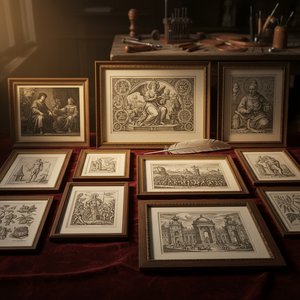
Engraving's Golden Age: 10 Masterpieces That Redefined Art | OriginalUniqueArt
Journey through art history with our Top 10 Legendary Engravings! Explore masterpieces by Dürer, Rembrandt & Goya. Discover the stories behind these iconic prints and find museum-quality reproductions for your home at OriginalUniqueArt.com.

Drama and Distortion: A Definitive Guide to the Mastery of Mannerism and Baroque Art
Explore the dramatic evolution from Mannerist distortion to Baroque grandeur. Discover how light, shadow, and emotion redefined art history through a masterclass in technical mastery and religious fervor.

Hendrick Goltzius: Master Engraver & the Flourishing of Dutch Mannerism
Explore the life & art of Hendrick Goltzius, a master engraver of Dutch Mannerism. Discover his innovative techniques, iconic engravings like 'Jahel', and lasting influence on Baroque art. Learn about collecting Goltzius today.

Engraving: A Historical Survey of Technique, Artistic Expression & Enduring Legacy
Explore the rich history of engraving with OriginalUniqueArt. Discover techniques, iconic artists like Dürer & Callot, collecting tips, and expert guidance for preserving your art investment. Learn about intaglio printing & more!