
 معاينة الحجم الواقعي
 إرسال
إرسال مشاركة
 عرض التفاصيل
 دليل الأعمال الفنية للطلاب

 تحميل
تحميل
 قطع مشابهة
 الأشعة السينية
 عرض شرائح متتابع
 الإحصائيات
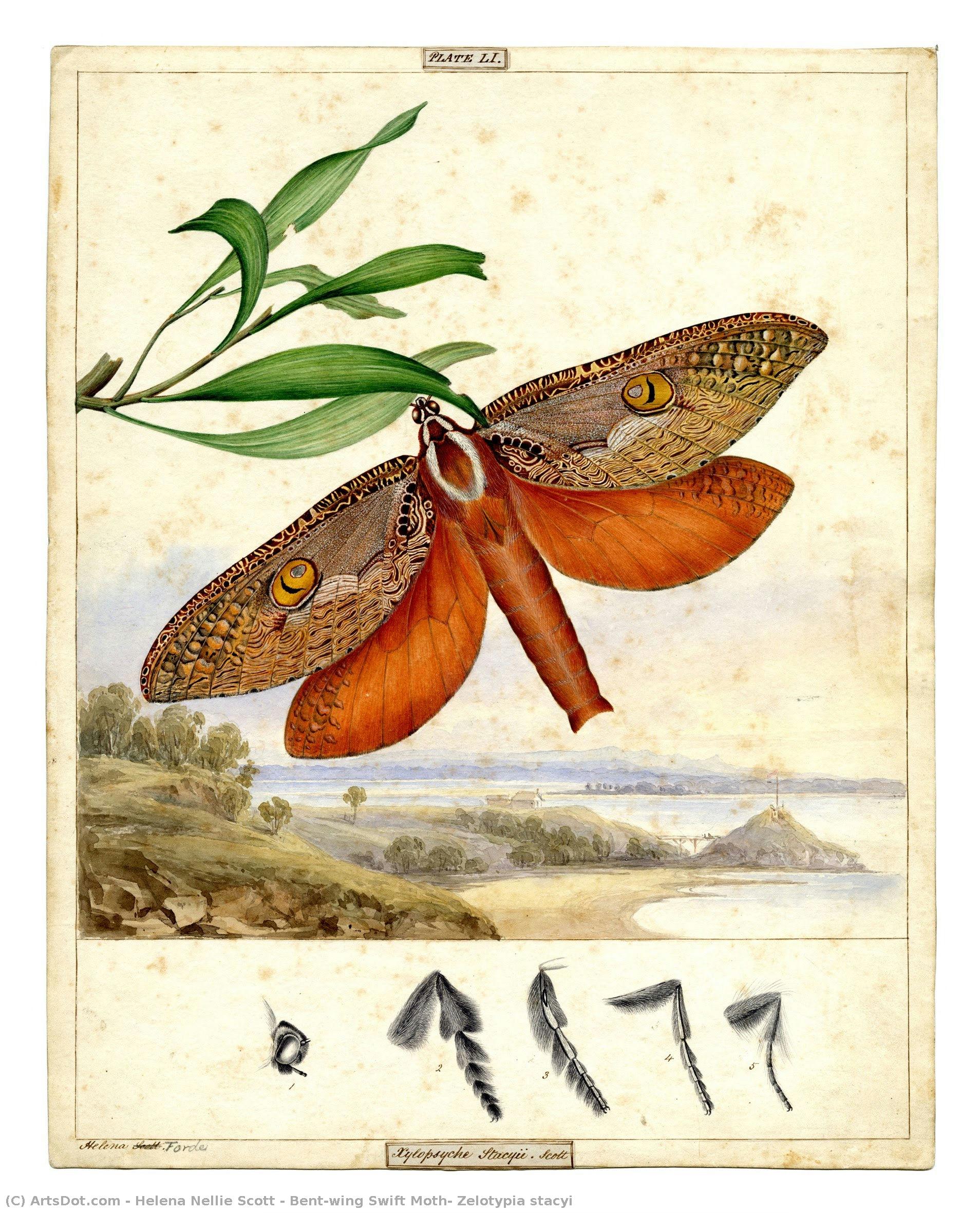
Bent-wing Swift Moth, Zelotypia stacyi


 اقرأ المزيد
طباعة جيلي / مطبوعات فنية
طباعة جيكلي أو كانفاس بجودة المتاحف، مع سرعة في التنفيذ وخيارات متنوعة للتشطيب. ( اطلب نسخة مرسومة يدويًا التحويل إلى الصورة الرقمية)




P118B $10

P118H $10

P118W $10

P438Z $10

P508JH $12

P508YH $12

P805H $10

P805Z $10

P919BZ $10

P919G $10

P919XJ $10

P959ZH $10

P968JZ $12

W106C $8

W218G $10

W218JH $8

W218Y $10

W307PJ $10

W316G $10

W316PJ $8

W316Y $10

W398PJ $8

W4111J $10

W500HY $15

W500JH $15

W692G $12

W849H $8

W940BG $15

W953PJ $8




اختر من بين أحجامنا المُعدّة مسبقاً والتي تتوافق مع النسب الأصلية للعمل الفني.

يمكنك إدخال أبعاد خاصة لتناسب إطاراً أو مساحة معينة. وفي حال عدم تطابق الحجم المختار مع نسب الصورة الأصلية، سنقوم إما بقص العمل الفني أو تمديد الصورة باستخدام حافة معكوسة أو لون مصمت. وسيتم إرسال نموذج تجريبي رقمي لاعتمادك قبل بدء عملية الإنتاج.
يرجى ملاحظة أن المعاينة على الشاشة لا تعكس عملية القص أو التمديد الفعلية؛ حيث سيوضح النموذج التجريبي فقط التكوين النهائي بدقة.
وعلى الرغم من توفر أحجام مخصصة، إلا أننا نوصي باختيار أبعاد من القائمة المحددة مسبقاً للحفاظ على النسب الأصلية.
توصيل عالمي إلى خلال أسبوعين بدلاً من المدة القياسية البالغة 4/5 أسابيع. (25 سبتمبر)

شحن سريع ومجاني لجميع أنحاء العالم

قماش كتان فاخر

تأمين شامل على الشحن

ضمان استرداد الرسوم الجمركية

ضمان دقة مطابقة الألوان

سياسة الإرجاع خلال 100 يوم (في حالات العيوب فقط)

ضمان استرداد نقدي بنسبة 100%

عرض خصم الكميات
 خيار الزجاج متاح فقط للمقاسات التي تقل عن 110 سم

Bent-wing Swift Moth, Zelotypia stacyi
طباعة جيلي / مطبوعات فنية
مقاس النسخة المطبوعة
-


إجمالي السعر
$ 80
A Glimpse into Australian Entomology: Helena Scott’s Bent-Wing Swift Moth
Helena Nellie Scott's 1864 illustration of the Bent-wing Swift Moth, *Zeotypia stacyi*, is more than just a scientific depiction; it’s a window into a bygone era of meticulous observation and artistic dedication. This exquisite botanical artwork, rescued from an unpublished manuscript intended for Alexander Walker Scott’s “Australian Lepidoptera and Their Transformations,” captures the essence of a remarkable entomologist's daughter and her profound connection to the natural world. The image isn’t merely a rendering of an insect; it’s a testament to the Victorian fascination with classification, taxonomy, and the beauty hidden within the smallest details of Australian fauna.
The illustration immediately draws the eye with its remarkably detailed portrayal of the moth itself. Each scale is painstakingly rendered, suggesting a subtle shimmer and texture that belies the fragility of the creature. The intricate veins of the wings are not simply lines but carefully shaded to convey depth and form, while the delicate antennae and legs are depicted with an almost sculptural precision. Beneath the magnificent moth, a larval stage—a plump caterpillar clinging to a leaf—provides crucial context, illustrating the complete life cycle that Scott so diligently documented. The background landscape, a hazy coastal scene punctuated by a recognizable view of Port Macquarie Harbour (attributed to Captain Perry), subtly anchors the scientific study within its geographical and historical setting.
A Style Rooted in Scientific Precision
Scott’s artistic style is distinctly reminiscent of 18th and early 19th-century scientific illustrations—a period characterized by a commitment to accuracy and an avoidance of overt emotional expression. The composition is vertically oriented, prioritizing clarity and legibility. Lines are precise and carefully drawn, defining shapes with unwavering confidence. The use of hatching and cross-hatching creates subtle shading and depth, lending a sense of volume to the moth’s wings and body. This deliberate restraint in color—a muted palette dominated by browns, grays, and ochres—further emphasizes the illustration's scientific purpose, prioritizing observation over artistic embellishment.
The layering technique employed is particularly noteworthy. Scott doesn’t simply paint the moth; she builds it up through multiple washes of watercolor or ink, creating a sense of tactile richness. This meticulous approach mirrors the painstaking process of collecting and preserving specimens—a reflection of Scott's own dedication to her father’s research. The slightly aged appearance of the image – a subtle discoloration and softened edges – speaks volumes about its historical context, hinting at years spent tucked away in archives and collections.
The Legacy of a Pioneering Artist
Helena Nellie Scott’s story is one of quiet determination and remarkable achievement. Born in Sydney in 1832, she defied the limitations placed upon women artists during her time, carving out a niche for herself as a leading naturalist illustrator. Her upbringing within a family deeply immersed in entomology—her father was a renowned scientist—provided her with unparalleled access to knowledge and inspiration. The Scott sisters’ work, particularly their detailed depictions of Australian moths and butterflies, played a crucial role in advancing scientific understanding of the region's biodiversity.
Further research reveals that Scott’s illustrations were not merely decorative; they served as vital tools for identification and documentation. Her meticulous notes and annotations—often written in Latin—provide valuable insights into the species she depicted, while her correspondence with other naturalists highlights her commitment to sharing her knowledge. Today, her legacy endures through reproductions like this one, offering a glimpse into the world of early Australian scientific art and the remarkable dedication of a woman who dared to pursue her passion amidst societal constraints.
Symbolism and Interpretation
Beyond its technical merits, the Bent-wing Swift Moth itself carries symbolic weight. Moths have long been associated with transformation, mystery, and the hidden realms of the subconscious—qualities that resonate deeply within Scott’s artwork. The “bent wing” in the species' name suggests a deviation from the norm, perhaps representing an individual spirit or a unique perspective. The moth’s nocturnal habits further enhance its enigmatic aura, inviting viewers to contemplate the unseen wonders of the natural world.
The inclusion of the coastal landscape—a recognizable view of Port Macquarie Harbour—adds another layer of meaning. It anchors the scientific study within its geographical and historical context, reminding us that even the most minute details of nature are interconnected with broader ecological and cultural narratives. Scott’s illustration is therefore not simply a depiction of an insect; it's a celebration of Australian biodiversity, a testament to human curiosity, and a poignant reminder of the enduring power of observation.
نبذة عن الفنان
حياة غارقة في تفاصيل الطبيعة
ولدت هيلنا نيلي سكوت في مدينة سيدني عام 1832، وهو اسم يتردد بصدى التفاني الهادئ الذي ميز بدايات رسوم التاريخ الطبيعي الأسترالي. ورغم أنها غالباً ما تُذكر جنباً إلى جنب مع شقيقتها هارييت مورغان، وأحياناً تحت اسمها بعد الزواج هيلنا فورد، إلا أن سكوت قد نحتت لنفسها مساراً فريداً كفنانة ورائدة في علم الطبيعة، في زمن كانت فيه مثل هذه المساعي مغلقة إلى حد كبير أمام النساء. لم تكن نشأتها تقليدية بأي حال من الأحنا، فقد كانت غارقة في الفضول العلمي لوالدها ألكسندر ووكر سكوت، عالم الحشرات الشهير الذي تغلغل شغفه في كل جانب من جوانب حياتهم العائلية. ولم يكن هذا مجرد اهتمام أكاديمي، بل كان تجربة معيشية حقيقية، خاصة بعد انتقال العائلة إلى جزيرة آشر في مصب نهر هنتر عام 1846. هناك، ووسط الجمال البكر للمناظر الطبيعية الأسترالية، تحول منزلهم إلى ملاذ للملاحظة والتوثيق الفني؛ مختبراً سُجلت فيه تعقيدات الطبيعة بدقة متناهية من خلال الدراسة العلمية والفن المرهف على حد سواء. كما أن انضمام بنات والدها من علاقات سابقة إلى هذا النسيج العائلي ساهم في تعزيز روح التعاون التي ستحدد ملامح معظم حياة سكوت المهنية.التعاون الفني والإسهام العلمي
لم يولد الأسلوب الفني لسكوت في عزلة، بل ازدهر من خلال التعاون، ولا سيما مع شقيقتها هارييت. فلم تكن جهودهما مجرد توضيح للنتائج العلمية، بل كانتا تساهمان بنشاط في المجال الناشئ لعلم الحشرات والتاريخ الطبيعي. وقد أصبحت مشاريعهما المشتركة إنجازات تاريخية بارزة؛ حيث تقف مؤلفات مثل ثعابين أستراليا (1le69)، وثدييات أستراليا (1871)، وكتالوج المعادن والصخور في المتحف الأسترالي (1873) كشواهد على مهارتهما وتفانيهما المشترك. تكمن خبرة سكوت في فن الليثوغراف والتصميم، مما أضفى مستوى مذهلاً من التفاصيل والدقة على رسوماتها. لم تكن هذه مجرد صور جميلة، بل كانت أدوات حيوية للفهم العلمي، تلتقط الفروق الدقيقة التي لا يمكن للكلمات وحدها التعبير عنها. ومع ذلك، وراء البراعة التقنية، كان هناك شغف حقيقي بالعالم الطبيعي؛ إجلال يتضح في كل خط رقيق ولون نُفذ بعناية. وقد امتد عملها إلى ما هو أبعد من مجرد التمثيل البصري، إذ امتلكت وعياً مبكراً بالمخاوف البيئية، وبرزت كواحدة من أوائل الذين حذروا من الآثار المدمرة للأنواع الغازية على الحياة البرية الأسترالية الأصلية، وهو ملاحظة كانت سابقة لعصرها بشكل مذهل.إتقان في التفاصيل الصغيرة: أعمال بارزة
بينما ساهمت سكوت في العديد من المنشورات، فإن رسوماتها الفردية هي التي تجسد حقاً جوهر رؤيتها الفنية. وتُحتفى رسوماتها للعث والفراشات بشكل خاص، فهي دراسات رائعة في الشكل واللون والملمس. ويظهر الليثوغراف ثعبان الماس (Morelia spilotes) براعتها في استخدام هذا الوسيط، بينما يجسد عمل عثة السويفت ذات الجناح المنحني (Zelotypia stacyi) قدرتها على التقاط التفاصيل المعقدة بدقة تحبس الأنفاس. كما تعكس الألوان النابضة والأنماط الرقيقة لـ فراشة جيزبل السوداء (Delias nigrina) ليس فقط المهارة التقنية، بل أيضاً تقديراً عميقاً للجمال المتأصل في الطبيعة. هذه الأعمال ليست مجرد تمثيلات للحشرات؛ بل هي احتفاء بالحياة، رُسمت بعين فنان وفهم عالم. ويضم متحف فيكتوريا في ملبورن العديد من قطعها الفنية، مما يرسخ مكانتها ضمن التراث الفني لأستراليا. ويظل نشر كتاب حرشفيات الأجنحة الأسترالية وتحولاتها، الذي أنجزته مع والدها، إنجازاً تاريخياً وشاهداً على روح التعاون بين الشقيقتين وإسهامهما الكبير في المعرفة العلمية بعالم الحشرات.إرث خالد: روح رائدة وتأثير مستمر
تقف هيلنا نيلي سكوت كشخصية محورية في الفن والعلوم الأسترالية. وبصفتها واحدة من أوائل الرسامات المحترفات في أستراليا، فقد حطمت الحواجز ومهدت الطريق للأجيال القادمة من النساء لمتابعة مهن في هذه المجالات. ولم تقتصر مساهماتها على موهبتها الفنية فحسب؛ بل إن تحذيراتها المبكرة بشأن الأنواع الغازية تسلط الضوء على بصيرتها والتزامها بالحفاظ على البيئة، وهو اهتمام يتردد صداه بقوة في يومنا هذا. لم تكن مجرد موثقة للطبيعة، بل كانت مدافعة عن بقائها، مدركة للتوازن الدقيق للأنظمة البيئية قبل وقت طويل من تحول ذلك إلى شاغل عالمي. إن إرث سكوت يتجاوز المتاحف والمنشورات؛ إنه يعيش في التقدير المستمر لأعمالها الفنية الرائعة والإلهام الذي تقدمه للفنانين والعلماء على حد سواء. وتظل حياتها تذكيراً بأن الفن والعلم ليسا تخصصين متنافرين، بل هما وسيلتان متكاملتان لفهم واحتفاء العالم من حولنا، مما يضمن بقاء قصتها الاستثنائية كعالمة طبيعة وفنانة للأجيال القادمة.
هيلينا نيلي سكوت
1832 - 1910 , أستراليا
لمحة سريعة
- Artistic Movement Or Style: فن التاريخ الطبيعي
- Artists Or Movements Influenced By This Artist:
- علماء الطبيعة الأستراليون
- رسامو التوضيح العلمي
- Artists Who Influenced This Artist:
- ألكسندر ووكر سكوت
- كونراد مارتنز
- صمويل توماس جيل
- Date Of Birth: 1832
- Date Of Death: 1910
- Full Name: هيلينا نيلي سكوت
- Nationality: أسترالية
- Notable Artworks:
- ثعبان الماس
- عثة سويفت منحنية الجناح
- فراشة جيزبل السوداء
- Place Of Birth: سيدني، أستراليا
مقالات ذات صلة
The Art of Precision: Exploring the Beauty and Legacy of Scientific Illustration
Discover the exquisite intersection of science and fine art. Explore the history of scientific illustration, from botanical watercolor masters to nature's intricate geometry, through an expert lens of art history and technical precision.
The Refined Aesthetic of Victorian Illustration: A Study in Narrative & Technique
Explore the captivating world of Victorian illustration! Discover Pre-Raphaelite influences, key artists like Rossetti & Stephens, and the era's rich narrative detail. A deep dive for art enthusiasts.

The Evocative Detail of Nature: A History of Naturalistic Illustration
Explore the rich history of botanical illustration! Discover pioneering artists like Maria Sibylla Merian & Marianne North. Learn about scientific precision, artistic expression, and find museum-quality reproductions at OriginalUniqueArt.

The Precision of Perception: Scientific Illustration as Art & Epistemology
Explore the fascinating history of scientific illustration – where art meets accuracy. Discover key artists like Karl Blossfeldt & Maud H. Purdy, and delve into its profound epistemological roots. OriginalUniqueArt offers museum-quality reproductions.

The Art of Precision: A Definitive Guide to the History and Beauty of Scientific Illustration
Explore the profound history of scientific illustration. From ancient herbals to botanical masters like Robert Havell Jr., discover how precision meets beauty in this expert guide to natural history art and its enduring legacy in fine art collections.