

 معاينة الحجم الحقيقي
 مشاركة
 مشاركة
 التفاصيل

 تحميل الملف
 قطع مشابهة
 الأشعة السينية
 عرض شرائح
Garment Registry
 Contemporary Minimalism
 1999
1999 335.0 x 183.0 cm
 عرض المزيد
طباعة جيلي / مطبوعات فنية
طباعة جيكلي أو كانفاس بجودة المتاحف، مع سرعة في التنفيذ وخيارات متنوعة للتشطيب. ( اشترِ لوحة مرسومة يدويًا اشترِ الصورة)




































اختر من بين أحجامنا المُعدّة مسبقًا والتي تتطابق مع النسب الأصلية للعمل الفني.

يمكنك إدخال أبعادك الخاصة لتناسب إطاراً أو مساحة معينة. وإذا لم يتطابق الحجم الذي اخترته مع نسب الصورة الأصلية، فسنقوم إما بقص العمل الفني أو تمديد الصورة باستخدام حافة معكوسة أو بلون مصمت. سيتم إرسال نموذج تجريبي رقمي لاعتمادك قبل بدء الإنتاج.
يرجى ملاحظة أن المعاينة على الشاشة لا تعكس عملية القص أو التمديد الفعلية؛ حيث سيوضح النموذج التجريبي فقط التكوين النهائي بدقة.
وعلى الرغم من توفر أحجام مخصصة، إلا أننا نوصي باختيار أبعاد من القائمة المحددة مسبقاً للحفاظ على النسب الأصلية.
توصيل عالمي إلى خلال أسبوعين بدلاً من المدة القياسية البالغة 4/5 أسابيع. 25 أغسطس

شحن سريع ومجاني لجميع أنحاء العالم

قماش كتان عالي الجودة

تأمين شحن شامل

ضمان استرداد الرسوم الجمركية

ضمان مطابقة الألوان الحقيقية

سياسة الإرجاع خلال 60 يومًا (في حالات العيوب فقط)

ضمان استرداد نقدي بنسبة 100%

خصم عند طلب عدة قطع
 خيار الزجاج متاح فقط للمقاسات التي تقل عن 110 سم

Garment Registry
طباعة جيلي / مطبوعات فنية
مقاس النسخة المطبوعة
-


السعر الإجمالي النهائي
$ 80
السيرة الذاتية للفنان
The Architecture of Memory: The Art of Harriet Bart
In the quiet intersection where personal history meets collective consciousness, the work of Harriet Bart resides. Born in Duluth, Minnesota, in 1941, Bart has spent her career constructing a visual language that speaks to the ephemeral nature of time and the enduring weight of memory. As a Minneapolis-based conceptual artist, her practice is not merely about the creation of objects, but about the curation of echoes. Through a sophisticated blend of installation, sculpture, and the intimate medium of artists’ books, she invites viewers to contemplate how the past leaves its indelible mark upon the present landscape.
Bart’s artistic journey is rooted in a deep engagement with materiality. Her early academic training at the University of Minnesota, where she earned a degree in textiles in 1976, provided her with a foundational understanding of texture, pattern, and the tactile properties of fiber. This sensitivity to surface and substance would later evolve into a much broader exploration of medium. Whether working with the permanence of bronze and stone or the delicate, ephemeral qualities of paper and words, Bart utilizes materials as conduits for narrative. Her work often functions as a site of inscription, where the physical object becomes a vessel for stories that might otherwise be lost to the passage of time.
Collaborative Echoes and Material Narratives
The evolution of Bart’s practice has been profoundly shaped by her dialogues with other creative minds. For two decades, her artistic trajectory was deeply intertwined with the work of German artist Helmut Löhr, a partnership that fostered a rich exchange of conceptual ideas and technical experimentation. This period of collaboration helped refine her ability to merge abstract form with profound thematic depth. Following Löhr’s passing, Bart entered a new creative chapter alongside Boston-based artist Yu-wen Wu, continuing her pursuit of innovation through shared exploration.
Her methodology is characterized by an exquisite attention to detail and a fascination with the "found" or "everyday." By incorporating objects from the real world into her installations, she bridges the gap between the gallery space and lived experience. This approach allows her to explore complex themes such as:
- The Weight of History: Using stone and bronze to mark significant events and create lasting monuments to memory.
- Textual Resonance: Utilizing artists' books to weave together literature, poetry, and visual imagery, a practice that has earned her multiple Minnesota Book Awards.
- Cultural Narratives: Creating works like the Garment Registry, which uses minimalist photographic installations to explore patterns of identity and domesticity.
- Public Commemoration: Executing large-scale commissions in the United States, Japan, and Israel that transform public spaces into sites of reflection.
A Legacy Written in Stone and Script
The significance of Harriet Bart’s contribution to contemporary art lies in her ability to make the invisible visible. Her work does not merely represent memory; it embodies it. Through her meticulous installations, she captures the lingering impressions of historical events—ranging from the personal grief found in her Requiem series regarding soldiers in Iraq and Afghanistan to the broader cultural archives preserved in her books. This dedication to the "archive" has led to her work being held in some of the world's most prestigious institutions, including the Metropolitan Museum of Art, the National Gallery of Art, and the Library of Congress.
Beyond the studio, Bart’s influence is felt through her commitment to the artistic community. As a founding member of the Women's Art Registry of Minnesota and the Traffic Zone Center for Visual Art, she has been a vital force in fostering creative ecosystems. Her career stands as a testament to the power of conceptual art to act as both a mirror and a monument—reflecting our shared human fragility while building lasting structures of remembrance that endure long after the moment has passed.

Harriet Bart
1941 - , United States of America
حقائق سريعة
- Artistic Movement Or Style: Conceptual Art
- Artists Or Movements Influenced By This Artist: ['Contemporary Installation']
- Artists Who Influenced This Artist: ['Helmut Löhr']
- Date Of Birth: June 23, 1941
- Full Name: Harriet Bart
- Nationality: American
- Notable Artworks:
- Strong Silent Type
- Garment Registry
- Place Of Birth: Duluth, United States of America
مقالات ذات صلة
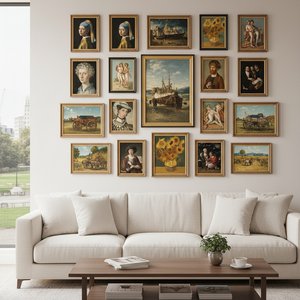
أروع 25 تحفة فنية في المعرض الوطني بلندن | لوحات زيتية فاخرة لديكور منزلك
اكتشف أروع 25 لوحة زيتية في المعرض الوطني بلندن! قصص فنانين عظماء مثل مونيت وفان جوخ، وألوان انطباعية آسرة. احصل على نسخ فاخرة لديكور منزلك. استكشف المجموعة الكاملة الآن على OriginalUniqueArt.com
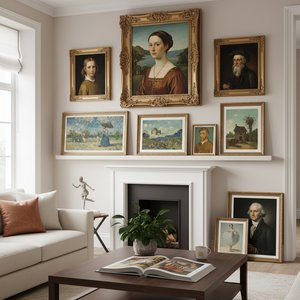
أروع 25 تحفة فنية في معرض ناسيونال غاليري بواشنطن | لوحات شهيرة وديكور فاخر
اكتشف أروع 25 لوحة فنية في معرض ناسيونال غاليري بواشنطن! رحلة عبر روائع سيزان، ماتيس، وبيكاسو. قصص ملهمة وتقنيات فنية فريدة. احصل على نسخ عالية الجودة لديكور منزلك الفاخر على OriginalUniqueArt.com
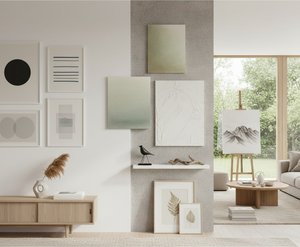
Minimalist Masterpieces: 10 Artworks for Serene Home Decor | OriginalUniqueArt
Find serenity with 10 minimalist masterpieces! Explore Agnes Martin, Rothko & more. Discover the stories behind iconic abstract art, neutral palettes & calming designs. Museum-quality reproductions at OriginalUniqueArt.com – elevate your home decor today!

The Power of the Line: Transforming Minimalist Art into Timeless Masterpieces
Explore the profound elegance of minimalist art. Discover how the precision of a single line transforms simple geometry into timeless masterpieces for the discerning collector seeking sophistication and depth in fine art acquisitions.
Curating Elegance: The Definitive Guide to Designing a Private Home Gallery Like a Museum Professional
Master the art of private curation with our expert guide on designing a museum-quality home gallery. Learn professional techniques for lighting, spatial composition, and integrating bespoke masterpieces to elevate your estate into a sophisticated sanctuary of fine art.

