
 معاينة الحجم الحقيقي
 مشاركة
 مشاركة
 التفاصيل

 تحميل الملف
 قطع مشابهة
 الأشعة السينية
 عرض شرائح
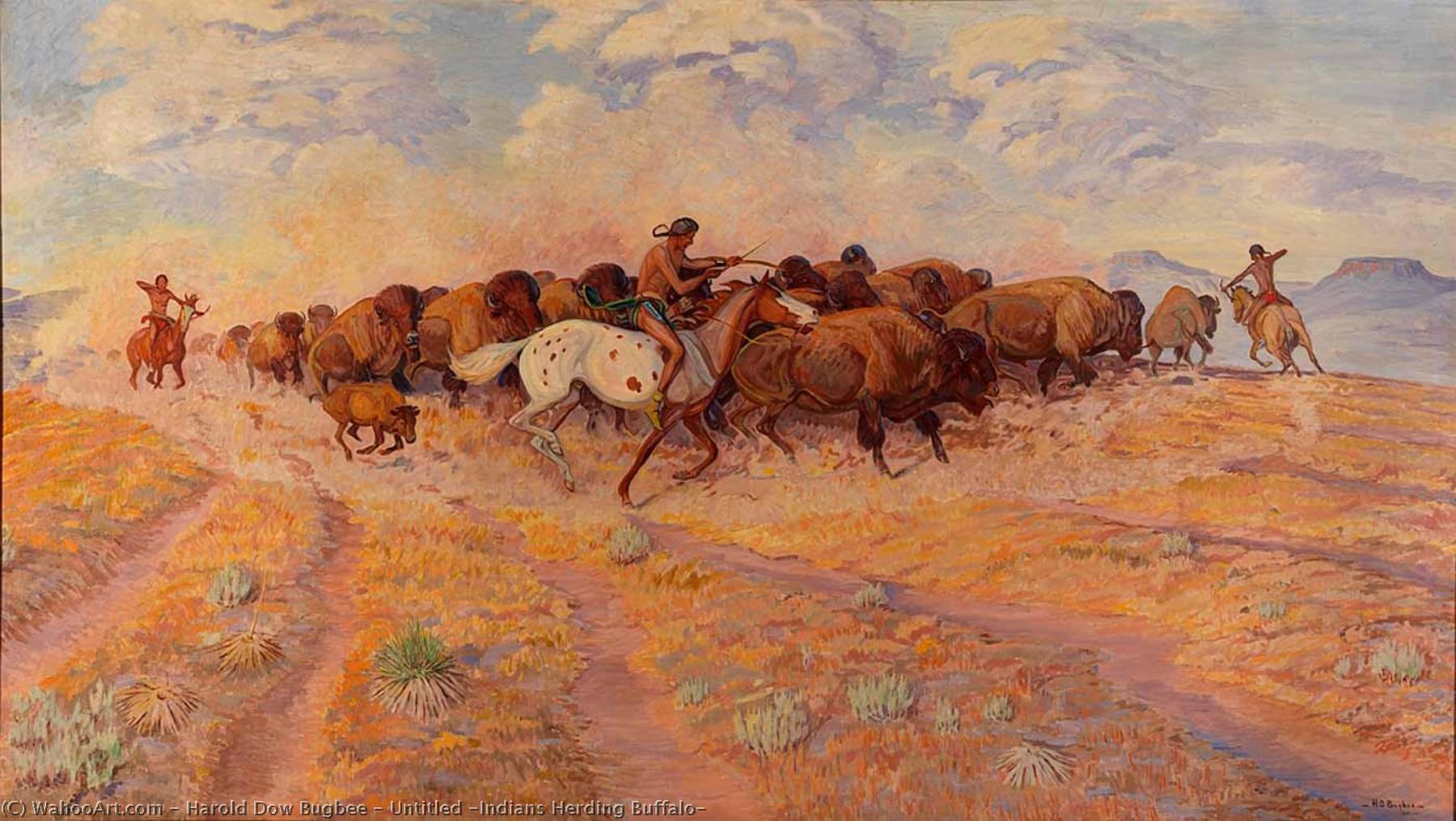
Untitled (Indians Herding Buffalo)
 1943
1943 157.0 x 275.0 cm
 عرض المزيد
طباعة جيلي / مطبوعات فنية
طباعة جيكلي أو كانفاس بجودة المتاحف، مع سرعة في التنفيذ وخيارات متنوعة للتشطيب. ( التحويل إلى لوحة مرسومة يدوياً التبديل إلى الصورة)




































اختر من بين أحجامنا المُعدّة مسبقًا والتي تتطابق مع النسب الأصلية للعمل الفني.

يمكنك إدخال أبعادك الخاصة لتناسب إطاراً أو مساحة معينة. وإذا لم يتطابق الحجم الذي اخترته مع نسب الصورة الأصلية، فسنقوم إما بقص العمل الفني أو تمديد الصورة باستخدام حافة معكوسة أو بلون مصمت. سيتم إرسال نموذج تجريبي رقمي لاعتمادك قبل بدء الإنتاج.
يرجى ملاحظة أن المعاينة على الشاشة لا تعكس عملية القص أو التمديد الفعلية؛ حيث سيوضح النموذج التجريبي فقط التكوين النهائي بدقة.
وعلى الرغم من توفر أحجام مخصصة، إلا أننا نوصي باختيار أبعاد من القائمة المحددة مسبقاً للحفاظ على النسب الأصلية.
توصيل عالمي إلى خلال أسبوعين بدلاً من المدة القياسية البالغة 4/5 أسابيع. 10 أغسطس

شحن سريع ومجاني لجميع أنحاء العالم

قماش كتان عالي الجودة

تأمين شحن شامل

ضمان استرداد الرسوم الجمركية

ضمان مطابقة الألوان الحقيقية

سياسة الإرجاع خلال 60 يومًا (في حالات العيوب فقط)

ضمان استرداد نقدي بنسبة 100%

خصم عند طلب عدة قطع
 خيار الزجاج متاح فقط للمقاسات التي تقل عن 110 سم

Untitled (Indians Herding Buffalo)
طباعة جيلي / مطبوعات فنية
مقاس النسخة المطبوعة
-


السعر الإجمالي النهائي
$ 80
وصف القطعة الفنية
The Artist and His Style
Harold Dow Bugbee was an American Western artist, illustrator, and painter who sought to become the dominant artist of the Texas South Plains. His role model, Charles M. Russell, sketched life on the northern Great Plains, and Bugbee aimed to do the same for the southern region. With a career spanning over four decades, Bugbee's work is characterized by its attention to detail and ability to capture the spirit of the American West.The Painting
The painting Untitled (Indians Herding Buffalo) depicts a group of Native Americans herding buffalo across the desert. The scene features several men on horseback, with some holding guns to guide the animals. The backdrop of mountains adds depth and perspective to the scene, creating a sense of vastness and freedom. This painting is a prime example of Western art, showcasing the daily life and struggles of Native Americans in the American West.- The use of oil on canvas gives the painting a sense of texture and depth.
- The attention to detail in the painting, from the clothing of the Native Americans to the landscape, is impressive.
- The painting's size, measuring 157 x 275 cm, makes it a striking piece that commands attention.
The Smithsonian American Art Museum is home to many notable works of art, including paintings by Carl Moon and Claude Buck, which can be found on https://OriginalUniqueArt.com.
السيرة الذاتية للفنان
The Chronicler of the Texas Plains
Harold Dow Bugbee stands as a vital visual historian, an artist whose brush captured the soul of the American West during a period of profound transition. Born in 1900 in Lexington, Massachusetts, Bugbee’s journey from the established landscapes of New England to the rugged expanse of the Texas Panhandle would define his artistic destiny. His move to the Texas ranchlands as a young boy provided him with an intimate, firsthand connection to the cattle culture that would become the heartbeat of his oeuvre. Unlike those who viewed the West through a romanticized lens from afar, Bugbee lived the life he depicted; his early sketches were not merely artistic exercises but attempts to preserve the vanishing rhythms of ranching life for future generations.
The development of his technique was marked by a rigorous pursuit of formal excellence. While his heart remained tethered to the plains, his training took him through prestigious corridors of art education. From his early studies in Texas to the influential Cumming School of Art in Des Moines, Bugbee refined his ability to render both the monumental scale of the landscape and the delicate nuances of portraiture. His summers spent within the vibrant Taos Art Colony in New Mexico allowed him to commune with masters such as W. Herbert Dunton and Ralph Meyers, infusing his work with a sophisticated understanding of light, atmosphere, and the rugged textures of the high desert and mountain ranges.
A Legacy of Realism and Preservation
Bugbee’s artistic mission was deeply influenced by the legendary Charles M. Russell. Much like his predecessor, Bugbee sought to document the authentic spirit of the frontier, focusing on the grit, the labor, and the quiet dignity of the cowboy. His work is characterized by a profound sense of realism that avoids mere caricature, opting instead for a narrative depth that speaks to the historical significance of the South Plains. This dedication to accuracy made him more than just a painter; he was a curator of memory.
His professional achievements were as expansive as the landscapes he painted:
- The Thompson Commissions: Under the patronage of Ernest O. Thompson, Bugbee executed fourteen significant oil paintings for the Longhorn Room of a prestigious Amarillo hotel, cementing his reputation among the Texas elite.
- Curatorial Excellence: Beyond the easel, Bugbee served as the curator of the Panhandle-Plains Historical Museum in Canyon, Texas, where he applied his keen eye to the preservation of Western heritage.
- Illustrative Mastery: His ability to blend fine art with narrative illustration allowed his work to reach a wide audience, bridging the gap between gallery walls and the public consciousness.
Through his murals, oil paintings, and sketches, Harold Dow Bugbee ensured that the dust, the sweat, and the vast, unyielding beauty of the Texas South Plains would never be forgotten. His life’s work remains a cornerstone of Western American art, offering a window into a way of life that shaped the very identity of the American frontier.
harold dow bugbee
1900 - 1963 , United States of America
حقائق سريعة
- Artistic Movement Or Style: Western Art, Ranch Life Illustration
- Artists Who Influenced This Artist:
- Charles M. Russell
- Charles Atherton Cumming
- Date Of Birth: 1900
- Date Of Death: 1963
- Full Name: Harold Dow Bugbee
- Nationality: American
- Place Of Birth: Lexington, United States

