

 معاينة الحجم الواقعي
 إرسال
إرسال مشاركة
 عرض التفاصيل
 دليل الأعمال الفنية للطلاب

 تحميل
تحميل
 قطع مشابهة
 الأشعة السينية
 عرض شرائح متتابع
 الإحصائيات
Log Cutting
 Contemporary Realism
 74.0 x 66.0 cm
 Swindon Art Gallery
 اقرأ المزيد
إن العمل الفني المعروض في هذه الصفحة محمي بموجب قوانين حقوق الطبع والنشر، مما يعني أنه لا يحق لنا قانوناً إنشاء أو بيع نسخ مطابقة له. وتُطبق هذه الحماية بموجب الاتفاقيات الدولية مثل الـ اتفاقية برن ووفقاً للقوانين الوطنية، بما في ذلك تلك المنصوص عليها في قانون حقوق الطبع والنشر في الولايات المتحدة - الباب 17.
وكبديل قانوني ومحترم، نقدم أعمالاً فنية مخصصة ومرسومة يدوياً مستوحاة من العمل الأصلي. حيث يقوم فنانونا المهرة والمحترفون بدراسة أسلوب العمل الأصلي، وأجوائه، وجوهره الفني بعناية فائقة لابتكار قطعة جديدة وفريدة تثير الشعور ذاته - مع بقائها عملاً أصيلاً بحد ذاته.
تتوافق هذه الطريقة تماماً مع لوائح حقوق النشر لأنها لا تتضمن نسخ أو تكرار العمل الفني المحمي، بل هي إعادة تفسير إبداعية؛ أي أنها لوحة جديدة مستوحاة من الأصل ولكنها ليست مطابقة له.
نسخة زيتية مصنوعة يدوياً
لوحة زيتية مرسومة يدوياً على الكانفاس بالمقاس والإطار الذي تفضله، تُنفذ حسب الطلب على أيدي فنانينا. ( التبديل إلى المطبوعات التحويل إلى الصورة الرقمية)




































اختر من بين أحجامنا المُعدّة مسبقاً والتي تتوافق مع النسب الأصلية للعمل الفني.

أدخل العرض والارتفاع اللذين تحتاجهما، ليتناسب العمل مع إطارك أو جدارك. وبما أن هذه اللوحة مرسومة يدوياً، ففي حال اختيار مقاس بشكل مختلف، يمكن للفنان رسم مساحة إضافية حول الصورة أو تقليصها قليلاً — الخيار لك. سنرسل لك نموذجاً رقمياً تجريبياً لاعتماده قبل البدء في الرسم. علماً بأن الصورة المعروضة في هذه الصفحة لا تعكس النتيجة النهائية الحقيقية — فالنموذج التجريبي هو الوحيد الذي يوضح ذلك بدقة.
بعد إتمام الطلب، سيرسل فريق OriginalUniqueArt.com بريداً إلكترونياً للعميل لطلب التعليمات وتزويده بمعاينة تجريبية (mockup).
توصيل عالمي إلى خلال 3 إلى 4 أسابيع بدلاً من المدة المعتادة البالغة 5 أسابيع. (23 أكتوبر). جودة لا تهاون فيها.

شحن سريع ومجاني لجميع أنحاء العالم

قماش كتان فاخر

تأمين شامل على الشحن

ضمان استرداد الرسوم الجمركية

ضمان دقة مطابقة الألوان

سياسة الإرجاع خلال 100 يوم (في حالات العيوب فقط)

ضمان استرداد نقدي بنسبة 100%

عرض خصم الكميات
 خيار الزجاج متاح فقط للمقاسات التي تقل عن 110 سم

Log Cutting
وسيط إعادة الإنتاج
مقاس النسخة المطبوعة
-


إجمالي السعر
E£ 15509
نبذة عن الفنان
The Rediscovered Vision of Harold Dearden
In the grand tapestry of British art history, certain names shine with an undeniable brilliance, while others linger in the soft shadows of their more famous contemporaries. Harold Dearden (1888–1962) is a figure who belongs to that evocative second category—a master whose brush captured the soul of the English landscape and the dignity of human labor, yet whose legacy was long overshadowed by giants like Stanley Spencer. Born in Bolton, Lancashire, on December 13th, 1882, Dearden’s journey was one of profound discipline and transformative experience. His early training at the Rochdale School of Art under the watchful eye of Henry Barret Carpenter instilled in him a rigorous foundation in colour theory and observational precision. This academic rigor would later serve as the bedrock for his diverse repertoire, ranging from delicate watercolours to robust, textured oil paintings.
Dearden’s artistic evolution was further propelled by a prestigious scholarship to the Royal College of Art in London. Between 1910 and 1915, studying under the influential Gerald Moira, he embraced an expansive curriculum that bridged the gap between fine art and structural design. This period of study in architecture, painting, and sculpture gifted him with a unique sense of scale and narrative depth. His work began to reflect a sophisticated understanding of composition, where the weight of a figure or the sweep of a landscape was balanced with the precision of a draughtsman. However, the trajectory of his life was irrevocably altered by the Great War. Serving as a medical officer within the Royal Army Medical Corps, Dearden faced the visceral horrors of trench warfare. The physical toll—most notably the loss of an eye—and the psychological weight of combat left indelible marks on his psyche, perhaps infusing his later explorations of theme and form with a deeper, more resilient emotional resonance.
A Legacy of Color and Craft
Following the upheaval of war, Dearden transitioned into a period of significant institutional influence and creative output. For three decades, beginning in 1920, he served as the head of the Swindon Art School, a role that allowed him to shape the next generation of British artists while simultaneously fostering a vibrant local art scene. As the president of the Swindon Artists’ Society, his presence was central to the cultural life of the region. His artistic style became a captivating blend of Post-Impressionistic vitality and Art Deco elegance. Whether he was rendering the muscularity of rural toil in works like Log Cutting or capturing the ethereal grace of mythological figures in Three Graces, Dearden possessed an uncanny ability to breathe life into his subjects through a rich, earthy palette and masterful impasto techniques.
His versatility as a creator allowed him to move seamlessly between mediums, leaving behind a body of work that includes:
- Oil Paintings: Characterized by their textured surfaces and profound engagement with light and shadow, often depicting landscapes and figurative studies.
- Watercolours: Demonstrating a delicate touch and an exquisite command over transparency and fluid movement.
- Draughtsmanship: Utilizing ink and wash to create precise, narrative-driven illustrations that showcased his architectural training.
Today, the significance of Harold Dearden lies in his ability to bridge the gap between Victorian illustrative traditions and the burgeoning modernism of the twentieth century. His work serves as a poignant window into the social shifts of his era, capturing both the industrial grit and the pastoral beauty of a changing Britain. Though he may have remained an obscure figure for many years, the rediscovery of his paintings—held in esteemed collections such as the Swindon Museum and Art Gallery—offers a profound opportunity to appreciate a voice that was as resilient as it was beautiful.

لمحة سريعة
- Artistic Movement Or Style: Modern Art
- Artists Or Movements Influenced By This Artist: ['Gerald Moira']
- Artists Who Influenced This Artist: ['Henry Barret Carpenter']
- Date Of Birth: December 13, 1882
- Date Of Death: July 6, 1962
- Full Name: Harold Dearden
- Nationality: British
- Notable Artworks:
- Log Cutting
- The Locarno
- Salubritas
- Place Of Birth: Bolton, Lancashire
مقالات ذات صلة

The Enduring Legacy of Oil on Canvas: Technique, History & Aesthetic Impact
Explore the rich history & techniques of oil painting – from Renaissance masters to Impressionism. Discover pigments, layering methods, and why this timeless medium endures. Expert insights for artists & art enthusiasts.

الرسم الزيتي: تاريخ عريق، تقنيات متطورة، وممارسات معاصرة لفن خالد
اكتشف تاريخ الرسم الزيتي وتقنياته المتطورة مع دليل شامل لفن خالد. تعلم عن المواد، الأساليب الكلاسيكية والمعاصرة، وكيفية العناية بلوحاتك الثمينة. خبراء OriginalUniqueArt يرشدونك!

Oil on Canvas: A Historical & Technical Exploration of a Timeless Artistic Medium
Explore the rich history & enduring techniques of oil painting on canvas. Discover the science behind its longevity, conservation practices, and contemporary relevance. Expert insights for art enthusiasts.
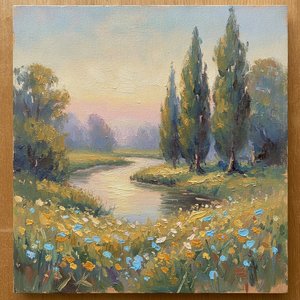
The Timeless Charm of Oil on Board: Reimagining Texture and Light through the Impressionist Lens
Discover the profound intimacy of oil on panel. Explore how Impressionist masters used rigid supports to capture light, texture, and impasto depth through exquisite, handmade oil reproductions for discerning collectors.

The Enduring Power of Painting: A Historical & Contemporary Exploration of Form and Emotion
Explore the rich history & enduring techniques of oil painting with OriginalUniqueArt. Discover masterpieces, learn about art collecting, and find authentic handmade reproductions crafted by skilled artists.