

 معاينة الحجم الحقيقي
 مشاركة
 مشاركة
 التفاصيل

 تحميل الملف
 قطع مشابهة
 الأشعة السينية
 عرض شرائح
 الإحصائيات
Bacchus, Ceres and Cupid
 Acrylic On Canvas
- WallArt
- Northern Mannerism
 163.0 x 113.0 cm
 Kunsthistorisches Museum
 عرض المزيد
طباعة جيلي / مطبوعات فنية
طباعة جيكلي أو كانفاس بجودة المتاحف، مع سرعة في التنفيذ وخيارات متنوعة للتشطيب. ( اشترِ لوحة مرسومة يدويًا الانتقال إلى الصورة الرقمية)




P118B $10

P118H $10

P118W $10

P438Z $10

P508JH $12

P508YH $12

P805H $10

P805Z $10

P919BZ $10

P919G $10

P919XJ $10

P959ZH $10

P968JZ $12

W106C $8

W218G $10

W218JH $8

W218Y $10

W307PJ $10

W316G $10

W316PJ $8

W316Y $10

W398PJ $8

W4111J $10

W500HY $15

W500JH $15

W692G $12

W849H $8

W940BG $15

W953PJ $8




اختر من بين أحجامنا المُعدّة مسبقًا والتي تتطابق مع النسب الأصلية للعمل الفني.

يمكنك إدخال أبعادك الخاصة لتناسب إطاراً أو مساحة معينة. وإذا لم يتطابق الحجم الذي اخترته مع نسب الصورة الأصلية، فسنقوم إما بقص العمل الفني أو تمديد الصورة باستخدام حافة معكوسة أو بلون مصمت. سيتم إرسال نموذج تجريبي رقمي لاعتمادك قبل بدء الإنتاج.
يرجى ملاحظة أن المعاينة على الشاشة لا تعكس عملية القص أو التمديد الفعلية؛ حيث سيوضح النموذج التجريبي فقط التكوين النهائي بدقة.
وعلى الرغم من توفر أحجام مخصصة، إلا أننا نوصي باختيار أبعاد من القائمة المحددة مسبقاً للحفاظ على النسب الأصلية.
توصيل عالمي إلى خلال أسبوعين بدلاً من المدة القياسية البالغة 4/5 أسابيع. 16 سبتمبر

شحن سريع ومجاني لجميع أنحاء العالم

قماش كتان عالي الجودة

تأمين شحن شامل

ضمان استرداد الرسوم الجمركية

ضمان مطابقة الألوان الحقيقية

سياسة الإرجاع خلال 100 يوم (في حالات العيوب فقط)

ضمان استرداد نقدي بنسبة 100%

خصم عند طلب عدة قطع
 خيار الزجاج متاح فقط للمقاسات التي تقل عن 110 سم

Bacchus, Ceres and Cupid
طباعة جيلي / مطبوعات فنية
مقاس النسخة المطبوعة
-


السعر الإجمالي النهائي
$ 80
Bacchus, Ceres, and Cupid: A Baroque Dance of Divine Excess
Hans von Aachen’s “Bacchus, Ceres, and Cupid,” painted likely in the late 16th century, is more than just a depiction of mythological figures; it's a vibrant distillation of the Northern Mannerist style – a period characterized by its dramatic contrasts, elongated forms, and an intense exploration of psychological depth. The painting, now residing within the Kunsthistorisches Museum in Vienna, offers a glimpse into the artistic currents flowing between Italy, Germany, and beyond during this transformative era. Von Aachen’s work stands out not merely for its technical skill but also for its ability to imbue classical subjects with a palpable sense of energy and sensuality, reflecting the tastes of powerful patrons like Emperor Rudolf II of Prague.
The composition immediately draws the eye into a dynamic interplay of figures. Dominating the left side is Bacchus, the god of wine, rendered in robust musculature and adorned with a leafy crown – symbols of his intoxicating domain. His expression is one of unrestrained joy, a boisterous celebration that spills outwards, inviting the viewer to partake in his revelry. To his right sits Ceres, the goddess of agriculture, embodying abundance and fertility. She’s depicted with serene grace, holding a basket overflowing with fruits – a visual testament to her role as provider and sustainer. Finally, Cupid, the mischievous god of love, darts across the scene, an arrow poised in his hand, representing desire and passion. The positioning of these three deities isn't merely decorative; it’s carefully orchestrated to suggest a narrative arc—a dance between indulgence, sustenance, and the driving force of romantic longing.
A Mannerist Masterpiece: Technique and Style
Von Aachen’s mastery lies in his skillful manipulation of light and shadow, a hallmark of the Baroque style that was beginning to emerge during this period. The painting is bathed in dramatic chiaroscuro – stark contrasts between light and dark – which sculpts the figures and creates a sense of theatricality. Notice how the musculature of Bacchus is highlighted against the darker background, emphasizing his power and vitality. The elongated forms characteristic of Mannerism are evident throughout, lending an air of elegance and sophistication to the scene. Von Aachen’s brushwork is remarkably detailed, particularly in the rendering of drapery and the intricate patterns on the figures' attire. This meticulous attention to detail speaks to both his technical proficiency and his desire to capture the textures and nuances of the world around him.
The color palette is rich and vibrant, dominated by deep reds, golds, and blues – colors associated with royalty, wealth, and divine power. These hues are juxtaposed against earthy tones, creating a visual tension that mirrors the painting’s thematic complexity. The background landscape, rendered in muted greens and browns, serves as a grounding element, anchoring the figures within a believable, albeit stylized, setting.
Symbolism and Historical Context
“Bacchus, Ceres, and Cupid” is steeped in classical mythology, but it also carries layers of symbolic meaning. The arrangement of the three deities alludes to the Roman proverb “Sine Cerere et Bacchus friget Venus,” or "Without Ceres and Bacchus, Venus would freeze"—a reminder that pleasure, abundance, and love are essential components of a fulfilling life. The painting reflects the artistic tastes of Emperor Rudolf II, who was known for his patronage of both art and science, and whose court in Prague became a hub for cultural exchange between Northern and Southern Europe.
Von Aachen’s work is deeply intertwined with the broader context of the Renaissance and Mannerism. He drew inspiration from Italian masters like Raphael and Michelangelo, but he also incorporated elements of Netherlandish realism – particularly in his attention to detail and his use of light and shadow. His paintings were highly sought after by European nobility, who commissioned them as symbols of wealth, power, and sophistication.
A Timeless Appeal: Reproduction and Interpretation
Today, “Bacchus, Ceres, and Cupid” continues to captivate viewers with its dramatic composition, vibrant colors, and profound symbolism. Reproductions offer a wonderful opportunity to bring this masterpiece into your home or office, allowing you to appreciate its beauty and complexity on a daily basis. When selecting a reproduction, consider the quality of materials used – a high-quality print on archival paper will ensure that the colors remain true for years to come. Whether displayed as a statement piece in a grand salon or as a subtle accent in a smaller room, this painting’s enduring appeal is sure to spark conversation and inspire contemplation.
السيرة الذاتية للفنان
البدايات والنشأة الفنية
هانس فون آخن، الرسام الألماني المبدع، أبصر النور في عام 1552 بمدينة كولونيا العريقة. ورغم أن تفاصيل حياته المبكرة لا تزال محاطة بهالة من الغموض، إلا أن المؤرخين يعتقدون أنه صقل موهبته الفنية وتلقى تدريبه الأول في مرسم الرسام المحلي ليوناردوس سيفنهوفن، حيث بدأت ملامح عبقريته تتشكل.الأسلوب الفني ومصادر الإلهام
اتسمت أعمال فون آخن بخصائص فريدة تجسد جوهر المدرسة المانييرية (التصنعية)، حيث برع في استخدام الألوان الزاهية والتكوينات الدرامية التي تأسر الألباب. وقد تميزت لوحاته بتجسيد شخصيات ذات قوام مستطيل وتفاصيل دقيقة للغاية، مع إضفاء لمسة من التوتر العاطفي الذي استلهمه بوضوح من روائع الفنان إل غريكو (دومينيكوس ثيوتوبولوس). ومن بين أبرز روائعه التي خلدها التاريخ:- لوحة الصلب (1585)، وهي عمل فني مذهل يستعرض قدرته الفائقة على توظيف الألوان الجريئة والإضاءة الدرامية المؤثرة.
- لوحة الدينونة الأخيرة (1590)، التي تبرز مهارته الاستثنائية في تحقيق التوازن البصري بين الشخصيات المتعددة ضمن تكوين واحد متناغم.
- بورتريه سيدة مجهولة (1595)، وهو عمل يبرز براعته في التقاط أدق تفاصيل التعبيرات الإنسانية العميقة.
المجموعات الفنية والمعارض الشهيرة
يمكن لعشاق الفن اليوم تتبع أثر فون آخن من خلال زيارة المتاحف العالمية التي تحتضن كنوزه، ومن أهمها:- متحف جماندجاليري ألتي مايستر في مدينة دريسدن بألمانيا، والذي يضم مجموعة واسعة من اللوحات الأوروبية التي تعود للفترة ما بين القرنين الخامس عشر والثامن عشر.
- متحف أوستدويتشه جاليري في مدينة ريغنسبورغ بألمانيا، والذي يستعرض مجموعة فريدة من الفن الألماني الشرقي.
انطلق في رحلة عبر عالم المانييرية وفنون عصر النهضة مع النسخ الزيتية المصنوعة يدوياً من OriginalUniqueArt: [https://OriginalUniqueArt.com/@@/a@d3cku7--the-renaissance-revived:-a-closer-look-at-OriginalUniqueArt-com-s-classical-reprodu..](https://OriginalUniqueArt.com/@@/a@d3cku7--the-renaissance-revived:-a-closer-look-at-OriginalUniqueArt-com-s-classical-reprodu..)
الإرث الفني
رحل هانس فون آخن عن عالمنا في عام 1615، لكنه ترك وراءه إرثاً خالداً من اللوحات المعقدة والمشحونة بالعواطف. ولا تزال أعماله مصدر إلهام للفنانين ومتذوقي الفن على حد سواء، حيث تفتح نافذة فريدة نطل من خلالها على سحر وعمق الفن المانييري. اكتشف المزيد عن حياة وأعمال هانس فون آخن عبر OriginalUniqueArt.com: [https://OriginalUniqueArt.com/@@/a@d3aquv](https://OriginalUniqueArt.com/@@/a@d3aquv) | رحلة في أعماق متحف أوستدويتشه جاليري (ألمانيا)
هانس فون آخن
1552 - 1615 , ألمانيا
حقائق سريعة
- Artistic Movement Or Style: الرسم المانييري
- Artists Or Movements Influenced By This Artist: ['فن النهضة']
- Artists Who Influenced This Artist: ['إل غريكو']
- Date Of Birth: 1552 كولونيا، ألمانيا
- Date Of Death: 1615
- Full Name: هانس فون آخن
- Nationality: ألماني
- Notable Artworks:
- الصلب
- الدينونة الأخيرة
- بورتريه لسيدة مجهولة
- Place Of Birth: كولونيا
مقالات ذات صلة

Baroque Classicism: The Grandeur of Order and Drama in 17th-Century Art History
Explore the profound elegance of Baroque Classicism. Discover how 17th-century masters synthesized dramatic emotion with classical order through the lens of the Counter-Reformation and the works of legends like Carlo Maratta and Andrea Sacchi.
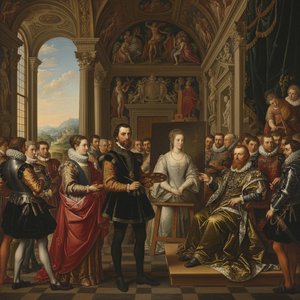
Hans von Aachen: Mannerism's Courtly Visionary & Imperial Portraiture
Explore the captivating world of Hans von Aachen, a leading Mannerist painter renowned for his exquisite imperial portraits & mythological scenes. Discover his legacy and influence on 16th-century European art.

The Dramatic Flourish: Exploring the Baroque Movement's Enduring Legacy in Art History
Explore the dramatic world of Baroque art! Discover iconic artists like Caravaggio & Rubens, defining techniques, and its lasting impact on art history. Expert insights for collectors & enthusiasts at OriginalUniqueArt.
Echoes of Olympus: Mythological Narratives in Western Art Through the Ages
Explore the captivating history of mythological narratives in Western art! From ancient Greece to modern masterpieces, discover iconic artworks & symbolism. Expert analysis and high-quality reproductions at OriginalUniqueArt.

دراما الباروك: إحياء الفخامة والعاطفة في الدواخل المعاصرة
اكتشف سحر الباروك! دليل شامل حول الحركة الفنية، عناصرها الجمالية، وكيفية دمج فخامتها وعاطفتها في الدواخل المعاصرة. نصائح من خبراء OriginalUniqueArt لإضفاء لمسة باروكية على منزلك.