
 معاينة الحجم الواقعي
 مشاركة
 مشاركة
 التفاصيل
 دليل
دليل

 تحميل الملف
 قطع مشابهة
 الأشعة السينية
 عرض شرائح
 الأسئلة والأجوبة
 الإحصائيات
untitled (6565)


 عرض المزيد
طباعة جيلي / مطبوعات فنية
طباعة جيكلي أو كانفاس بجودة المتاحف، مع سرعة في التنفيذ وخيارات متنوعة للتشطيب. ( شراء لوحة مرسومة يدويًا الانتقال إلى الصورة الرقمية)




P118B E£10

P118H E£10

P118W E£10

P438Z E£10

P508JH E£12

P508YH E£12

P805H E£10

P805Z E£10

P919BZ E£10

P919G E£10

P919XJ E£10

P959ZH E£10

P968JZ E£12

W106C E£8

W218G E£10

W218JH E£8

W218Y E£10

W307PJ E£10

W316G E£10

W316PJ E£8

W316Y E£10

W398PJ E£8

W4111J E£10

W500HY E£15

W500JH E£15

W692G E£12

W849H E£8

W940BG E£15

W953PJ E£8




اختر من بين أحجامنا المُعدّة مسبقاً والتي تتوافق مع النسب الأصلية للعمل الفني.

أدخل العرض والارتفاع المطلوبين ليتناسب المقاس مع إطارك أو جدارك. يرجى الملاحظة أن المطبوعة يمكن قصها فقط ولا يمكن تكبيرها لتتجاوز أبعاد الصورة الأصلية، لذا فإن اختيار مقاس بأبعاد مختلفة سيؤدي إلى فقدان جزء من الصورة. سنرسل لك نموذجاً رقمياً تجريبياً لاعتماده قبل البدء في عملية الطباعة. الصورة المعروضة في هذه الصفحة لا توضح شكل القص الفعلي — النموذج التجريبي فقط هو ما يظهر ذلك بدقة.
توصيل عالمي إلى خلال أسبوعين بدلاً من المدة القياسية البالغة 4/5 أسابيع. (5 نوفمبر)

شحن سريع ومجاني لجميع أنحاء العالم

قماش كتان عالي الجودة

تأمين شامل على الشحن

ضمان استرداد الرسوم الجمركية

ضمان مطابقة الألوان الحقيقية

سياسة الإرجاع خلال 100 يوم (في حالات العيوب فقط)

ضمان استرداد نقدي بنسبة 100%

خصم عند طلب كميات
 خيار الزجاج متاح فقط للمقاسات التي تقل عن 110 سم

untitled (6565)
طباعة جيلي / مطبوعات فنية
مقاس النسخة المطبوعة
-


إجمالي السعر النهائي
E£ 4237
A Study in Intensity: Unraveling the Enigmatic Portrait of Hans Holbein the Younger
Hans Holbein the Younger’s “Untitled (6565)” is not merely a portrait; it's a carefully constructed psychological landscape, a window into the mind of an unknown subject rendered with the artist’s signature precision and unsettling intensity. Painted circa 1530-32 during his time in England, this oil on panel work transcends the conventional depiction of a likeness, instead offering a profound meditation on gaze, time, and perhaps even mortality. The painting immediately commands attention through its stark contrasts – the dark, almost impenetrable background punctuated by the unsettling presence of two clocks, each frozen at a specific moment, creating an immediate sense of arrested time.
The subject himself is presented with remarkable directness. He sits in profile, his features sharply defined, yet subtly ambiguous. The meticulously rendered beard and mustache, hallmarks of Holbein’s style, frame a face etched with a palpable seriousness. His eyes, wide open and intensely focused, meet the viewer's gaze head-on – an act of deliberate confrontation that forces us to confront our own reflection within the painting. This directness is further emphasized by his slightly parted lips, suggesting either speech or contemplation, leaving the viewer perpetually questioning his intentions.
Holbein’s mastery of technique is evident in every detail. The subtle gradations of light and shadow create a remarkable sense of volume and texture, particularly noticeable in the rendering of the subject's clothing – a simple black shirt that serves as a neutral backdrop to highlight his features. The artist’s use of oil paint allows for an unparalleled level of control, enabling him to achieve astonishingly realistic detail while simultaneously conveying a sense of emotional depth. Note the delicate brushstrokes defining the texture of the fabric and the subtle nuances in the subject's skin tone – evidence of Holbein’s painstaking observation and artistic skill.
Beyond its technical brilliance, “Untitled (6565)” is rich in symbolic meaning. The presence of the two clocks is particularly significant. In Renaissance thought, time was often associated with mortality, and the depiction of multiple clocks could be interpreted as a reminder of our fleeting existence. Some scholars suggest that the specific times displayed on the clocks might hold personal significance for the subject or perhaps even allude to a particular event in his life. The dark background, devoid of any identifying features, further contributes to the painting’s enigmatic quality, suggesting a deliberate attempt to strip away extraneous details and focus solely on the essential elements of the portrait – the subject's face and gaze.
Hans Holbein the Younger was a pivotal figure in the Northern Renaissance, renowned for his ability to capture the psychological complexities of his subjects. His portraits were not simply representations of appearance; they were attempts to reveal the inner lives of those depicted. “Untitled (6565)” exemplifies this approach perfectly, offering a compelling and unsettling glimpse into the soul of an unknown man – a testament to Holbein’s genius and enduring legacy. Reproductions of this captivating work, meticulously crafted using traditional techniques and high-quality materials, allow art enthusiasts to experience the profound impact of this remarkable painting firsthand.
The Artist: A Master of Portraiture in the Northern Renaissance
Born in Augsburg, Germany, in 1497, Hans Holbein the Younger emerged from a family steeped in artistic tradition. His father, Hans Holbein the Elder, was a respected painter and printmaker, providing young Hans with an invaluable foundation in technique and observation. This early exposure instilled within him a meticulous approach to detail – a characteristic that would become synonymous with his distinctive style. Holbein’s training initially occurred within his father's workshop, where he honed his skills in various mediums, including oil painting, woodcut, and engraving.
Following his apprenticeship, Holbein embarked on a period of extensive travel throughout Europe, seeking opportunities to refine his craft and establish himself as an independent artist. He spent significant time in Basel, Switzerland, producing a diverse range of works – portraits, religious paintings, and intricate woodcut designs. Notably, he created the famous *Dance of Death* series, a macabre yet captivating depiction of mortality that cemented his reputation as a skilled and imaginative artist. His work during this period demonstrates a growing confidence and experimentation with style.
Holbein’s career took a significant turn when he moved to England in 1532, where he quickly gained the favor of King Henry VIII. He became the court painter for several years, producing iconic portraits of the king and his family – works that continue to be celebrated today. His time in England was marked by both artistic success and political intrigue, as he navigated the complex dynamics of the Tudor court. Despite facing challenges, Holbein’s talent and skill ensured his place among the most influential artists of the era.
Echoes of Time: Symbolism and Technique
The composition of “Untitled (6565)” is a carefully orchestrated interplay of visual elements designed to evoke specific emotions and ideas. The stark contrast between the dark background and the subject’s pale face immediately draws the viewer's attention, creating a sense of dramatic tension. The two clocks, strategically placed within the scene, are not merely decorative; they serve as potent symbols of time, mortality, and perhaps even judgment.
Holbein’s masterful use of oil paint allows for an unparalleled level of detail and nuance. He employs subtle gradations of light and shadow to create a sense of volume and texture, rendering the subject's features with remarkable accuracy. The meticulous attention to detail is particularly evident in the depiction of the subject’s beard and mustache – each strand carefully rendered to convey a sense of realism and character. The artist’s use of atmospheric perspective further enhances the painting’s depth and spatial relationships, creating a convincing illusion of three-dimensionality.
Furthermore, Holbein's choice of profile view is deliberate. This compositional technique was popular during the Renaissance as it allowed for a more intimate and psychologically revealing portrayal of the subject. By presenting the subject in profile, Holbein forces the viewer to confront his gaze directly, creating a sense of connection and engagement.
Owning a Masterpiece: Reproductions and Legacy
OriginalUniqueArt offers meticulously crafted handmade oil painting reproductions of “Untitled (6565)” by Hans Holbein the Younger, allowing art enthusiasts to own a piece of this iconic Renaissance masterpiece. These reproductions are created using traditional techniques – layering thin glazes of oil paint to achieve the same luminous effects as the original – and employ only the finest quality materials for exceptional durability and visual fidelity.
Beyond its aesthetic beauty, “Untitled (6565)” represents a profound exploration of human psychology. It’s a painting that invites contemplation, prompting viewers to consider the nature of time, mortality, and the enigmatic depths of the human soul. Whether you are an art historian, a collector, or simply someone who appreciates exceptional artistry, this reproduction offers a unique opportunity to experience the enduring legacy of Hans Holbein the Younger.
To learn more about the Mauritshuis museum and its collection on OriginalUniqueArt.com
الأسئلة والأجوبة
ما هو الشعور الذي يجسده "untitled (6565)" للفنان هانس هولباين الأصغر؟
يجسد عمل "untitled (6565)" للفنان هانس هولباين الأصغر نبرة عاطفية تأملي.
ما هي إعدادات الطباعة المقترحة لـ "untitled (6565)" للفنان هانس هولباين الأصغر؟
مقاس كبير، واتجاه اتجاه عمودي: هذا هو إعداد الطباعة المقترح لـ "untitled (6565)" للفنان هانس هولباين الأصغر.
ما هي الاستخدامات الموصى بها لنسخة مطبوعة من "untitled (6565)"؟
يُنصح باستخدام نسخة مطبوعة من "untitled (6565)" لغرض عنصر لوني مميز.
السيرة الذاتية للفنان
حياة نُقشت بالتفاصيل: عالم هانس هولباين الأصغر
في حوالي عام 1497، وفي قلب مدينة أوغسبورغ الألمانية التي كانت تنبض بالحياة الفنية، وُلد هانس هولباين الأصغر ليبرز كشخصية محورية في عصر النهضة الشمالي؛ فنان بارع في فن البورتريه، لا تزال أعماله تتردد أصداؤها بواقعية مذهلة وعمق نفسي آسر. لقد وضعت نشأته داخل عائلة موهوبة فنياً حجر الأساس لموهبته الاستثنائية، حيث كان والده، هانس هولباين الأكبر، رساماً ونحات مطبوعات مرموقاً، غرس في نفس هانس الشاب نهجاً دقيقاً في الملاحظة والتقنية. لم يكن هذا التدريب المبكر مجرد إتقان لضربات الفرشاة أو مزج للألوان، بل كان تعلماً لكيفية الرؤية، وكيفية التقاط ليس فقط الشبه، بل جوهر الشخصية ذاتها. بدأت استكشافات هولباين الفنية الأولى داخل ورشة والده، حيث صقل مهاراته قبل أن ينطلق في رحلة قادته عبر سويسرا وصولاً إلى قلب البلاط الإنجليزي.من بازل إلى بلاط تودور: نجم صاعد
بعد إتمام فترة تدريبه، سافر هولباين على نطاق واسع في جميع أنحاء سويسرا، مؤسساً لنفسه مكانة كفنان مستقل يتمتع بسمعة متزايدة. أمضى سنوات تكوينية عديدة في بازل، حيث ابتكر ليس فقط صوراً شخصية رائعة، بل أيضاً أعمالاً دينية وتصاميم خشبية معقدة، لعل أبرزها سلسلة "رقصة الممت" المؤرقة. تكشف هذه الأعمال المبكرة عن إتقان متنامٍ للتكوين وشغف متطور بتجسيد تعقيدات المشاعر الإنسانية. وفي عام 1526، تدخل القدر ليجذب هولباين نحو إنجلترا، في حدث غير مساره الفني بشكل لا رجعة فيه؛ فقد وصل حاملاً رسالة توصية من العالم الإنساني الشهير إيراسموس، مما فتح له الأبواب أمام الدوائر المؤثرة في المجتمع الإنجليزي. وسرعان ما أسرت موهبته شخصيات بارزة مثل السير توماس مور، الذي أصبح راعياً له وموضوعاً لعدة لوحات شخصية مؤثرة. وقد كانت هذه الصلة نقطة تحول جوهرية، أدت إلى تعيين هولباين رساماً للبلاط الملكي للملك هنري الثامن في عام 1536، وهو المنصب الذي شغله، مع بعض الانقطاعات، حتى وفاته المبكرة في عام 1543.فن الإدراك: الأسلوب والروائع الفنية
يتميز أسلوب هولباين الفني بالتزام استثنائي بالواقعية، وهو ما حققه من خلال الاهتمام الدقيق بالتفاصيل في تجسيد الملامح، والأقمشة، والفروق الدقيقة في ملامح الوجه. لم يكن يكتفي بمجرد رسم البورتريهات، بل كان يبنيها بدقة متناهية، طبقة تلو الأخرى، ليلتقط ليس فقط المظهر الجسدي، بل أيضاً الشخصية والحياة الداخلية لمن يرسمهم. كما عززت تكويناته المبتكرة من تأثير أعماله، حيث استخدم غالباً أشياءً أو خلفيات رمزية لإيصال معانٍ أعمق. وتعد لوحة السفراء (1533) شاهداً على هذا النهج؛ فهي بورتريه مزدوج معقد وغني بالرموز، يستعرض البراعة التقنية والعمق الفكري لهولباين في آن واحد. كما تبرز الجمجمة المشوهة المدمجة ببراعة داخل اللوحة كرمز صارخ لـ تذكار الموت (memento mori)، لتذكر المشاهدين بحتمية النهاية. وقد أرست صوره العديدة للملك هنري الثامن صورة خالدة لقوة عصر تودور، بينما نجح في تصوير إيراسموس الروتردامي في التقاط الهيبة الفكرية العميقة لهذا العالم. ومن أعماله البارزة الأخرى لوحة بورتريه نيكولاس كراتزر (1528)، التي تعد تحفة فنية في الواقعية والتفاصيل العلمية.الإرث والتأثير: بصمة لا تُمحى
تشكلت رحلة هولباين الفنية من خلال تلاقي مجموعة من المؤثرات، حيث مزج بين دقة التقاليد الفنية الألمانية ومبادئ التكوين في عصر النهضة الإيطالي. لقد أعجب بأعمال ألبريشت دورر وغيره من الأساتذة الألمان، بينما درس أيضاً الفن الإيطالي خلال رحلاته، فامتص تقنياتهم ودمجها في أسلوبه الفريد. إن إرثه عميق للغاية؛ فقد وضعت بورتريهات هولباين معياراً جديداً للواقعية والبصيرة النفسية في فن البورتريه، مما أثر على أجيال من الفنانين الذين جاؤوا من بعده. وتوفر تصويراته للشخصيات الرئيسية خلال فترة تودور رؤى لا تقدر بثمن حول حياة وشخصيات صاغت التاريخ الإنجليزي. فهو لم يكتفِ بتسجيل المظاهر، بل اقتنص لحظات زمنية وحفظها للأجيال القادمة. وتعمل أعماله كشهادة قوية على قدرة الفن الخالدة على توثيق الماضي وتفسيره وإضاءته.لمسة فرشاة أخيرة: الأهمية التاريخية
توفي هانس هولباين الأصغر في لندن عام 1543، تاركاً وراءه نتاجاً فنياً لا يزال يأسر الجماهير بعد مرور قرون. إن لوحاته الشخصية هي أكثر من مجرد صور جميلة؛ فهي وثائق تاريخية تقدم لمحات عن المؤامرات السياسية، والاضطرابات الدينية، والتحولات الثقافية في عصر تودور.- أصبحت تصويراته لهنري الثامن تمثيلات أيقونية للسلطة الملكية.
- توفر أعماله نافذة على حياة كبار المفكرين الإنسانيين مثل إيراسموس ومور.

هانس هولباين الأصغر
1497 - 1543 , إيطاليا
حقائق سريعة
- الأعمال البارزة:
- السفراء
- صورة هنري الثامن
- صورة إيراسموس
- نيكولاس كرازر
- الاسم الكامل: هانس هولباين الأصغر
- الجنسية: ألماني-سويسري
- الحركة الفنية: النهضة الشمالية
- الفنانون المؤثرون:
- ألبيرشت دورر
- هانس هولباين الأكبر
- الفنانون المتأثرون: ['فنانو البورتريه اللاحقون']
- تاريخ الميلاد: 1497/1498
- مكان الميلاد: أوجسبورغ، ألمانيا
مقالات ذات صلة

The Enduring Legacy of Oil on Canvas: Technique, History & Aesthetic Impact
Explore the rich history & techniques of oil painting – from Renaissance masters to Impressionism. Discover pigments, layering methods, and why this timeless medium endures. Expert insights for artists & art enthusiasts.

Oil on Canvas: A Historical & Technical Exploration of a Timeless Artistic Medium
Explore the rich history & enduring techniques of oil painting on canvas. Discover the science behind its longevity, conservation practices, and contemporary relevance. Expert insights for art enthusiasts.

The Enduring Power of Painting: A Historical & Contemporary Exploration of Form and Emotion
Explore the rich history & enduring techniques of oil painting with OriginalUniqueArt. Discover masterpieces, learn about art collecting, and find authentic handmade reproductions crafted by skilled artists.

Hans Holbein the Younger: A Renaissance Portraitist's Mastery of Realism & Psychological Insight
Explore the life & art of Hans Holbein the Younger, a Renaissance master renowned for his strikingly realistic portraits and psychological insight. Discover iconic works like 'The Ambassadors' and delve into his lasting legacy.
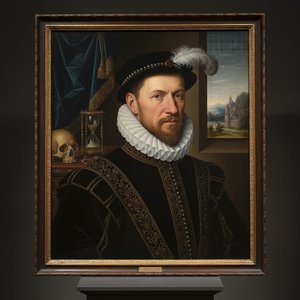
Mastering Detail: The Captivating World of Hans Holbein the Younger’s Northern Renaissance Masterpieces
Explore the breathtaking precision of Hans Holbein the Younger. From Tudor royal portraits to intricate Northern Renaissance details, discover the mastery behind his legendary works and learn how to bring this historical grandeur into your collection with museum-quality reproductions.





![بورتريه مزدوج لجان دي دينتيفيل وجورج دي سيلف (المعروف أيضاً باسم السفراء) [تفاصيل]](/media/artworks/images-thumb/bb/ab/bbab7ce77b7dd15d23d21114a63b51a4.jpg)


