
 معاينة الحجم الحقيقي
 مشاركة
 مشاركة
 التفاصيل

 تحميل الملف
 قطع مشابهة
 الأشعة السينية
 عرض شرائح
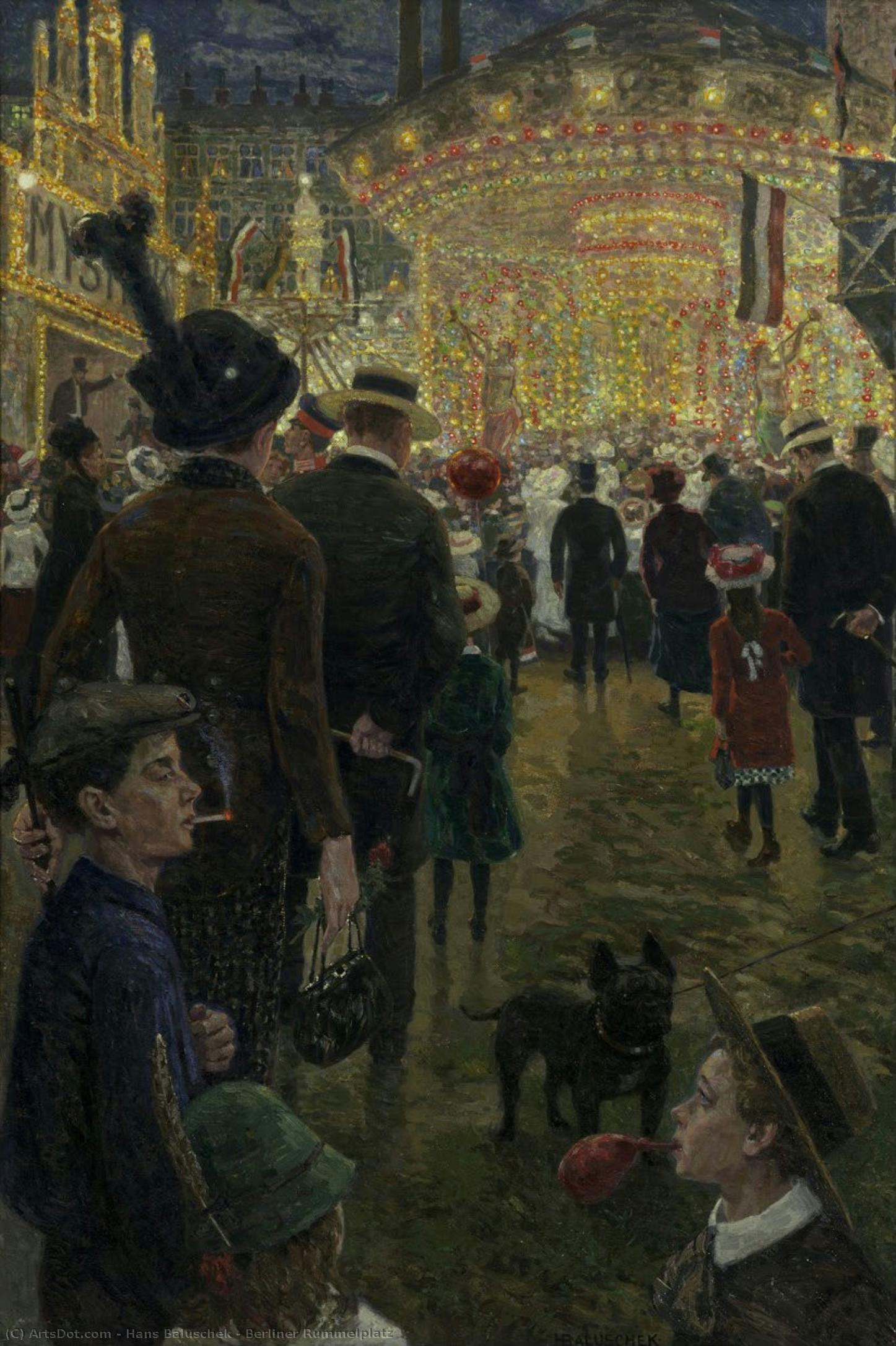
Berliner Rummelplatz
 1914
1914 150.0 x 100.0 cm
 عرض المزيد
طباعة جيلي / مطبوعات فنية
طباعة جيكلي أو كانفاس بجودة المتاحف، مع سرعة في التنفيذ وخيارات متنوعة للتشطيب. ( التحويل إلى لوحة مرسومة يدوياً التبديل إلى الصورة)




































اختر من بين أحجامنا المُعدّة مسبقًا والتي تتطابق مع النسب الأصلية للعمل الفني.

يمكنك إدخال أبعادك الخاصة لتناسب إطاراً أو مساحة معينة. وإذا لم يتطابق الحجم الذي اخترته مع نسب الصورة الأصلية، فسنقوم إما بقص العمل الفني أو تمديد الصورة باستخدام حافة معكوسة أو بلون مصمت. سيتم إرسال نموذج تجريبي رقمي لاعتمادك قبل بدء الإنتاج.
يرجى ملاحظة أن المعاينة على الشاشة لا تعكس عملية القص أو التمديد الفعلية؛ حيث سيوضح النموذج التجريبي فقط التكوين النهائي بدقة.
وعلى الرغم من توفر أحجام مخصصة، إلا أننا نوصي باختيار أبعاد من القائمة المحددة مسبقاً للحفاظ على النسب الأصلية.
توصيل عالمي إلى خلال أسبوعين بدلاً من المدة القياسية البالغة 4/5 أسابيع. 11 أغسطس

شحن سريع ومجاني لجميع أنحاء العالم

قماش كتان عالي الجودة

تأمين شحن شامل

ضمان استرداد الرسوم الجمركية

ضمان مطابقة الألوان الحقيقية

سياسة الإرجاع خلال 60 يومًا (في حالات العيوب فقط)

ضمان استرداد نقدي بنسبة 100%

خصم عند طلب عدة قطع
 خيار الزجاج متاح فقط للمقاسات التي تقل عن 110 سم

Berliner Rummelplatz
طباعة جيلي / مطبوعات فنية
مقاس النسخة المطبوعة
-


السعر الإجمالي النهائي
$ 80
وصف القطعة الفنية
السيرة الذاتية للفنان
Hans Baluschek: A Pioneer of German Critical Realism
Hans Baluschek (9 May 1870 – 28 September 1935) was a German painter, graphic artist and writer whose work stands as a cornerstone of German Critical Realism. He captured the essence of Berlin’s working class with unflinching honesty and empathy, establishing himself as one of the most prominent figures within the influential Berlin Secession movement. Baluschek's legacy extends beyond his artistic output; he was an active participant in socialist politics and championed the role of art in social reform.Early Life and Influences
Born in Breslau (Wrocław), Poland, to Franz Baluschek, a surveyor and railroad engineer, Hans Baluschek’s formative years were profoundly shaped by his father's profession—a fascination with railways that would permeate his artistic vision. The family moved repeatedly during his childhood, adapting to the rapid industrial expansion of Berlin amidst economic hardship. Witnessing the realities of working-class life firsthand, influenced by writers like Zola and artists such as Vasily Vereshchagin, instilled in Baluschek a commitment to portraying social issues with uncompromising realism. These experiences fueled his artistic exploration and cemented his belief in art’s capacity to illuminate societal injustices.Academic Training and Artistic Development
Baluschek pursued his education at the Askanische Gymnasium, Berlin, honing his skills in the humanities alongside preparing for a career in art. He enrolled at the Academy of Fine Arts in Berlin in 1890, where he studied under Wilhelm Trübschenne and Max Liebermann—a relationship that would prove crucial to his artistic development. Liebermann’s influence championed naturalism and psychological insight, shaping Baluschek's stylistic approach. His early paintings focused on landscapes and portraits, demonstrating a meticulous attention to detail and capturing the nuances of human emotion.The Berlin Secession and Critical Realism
In 1900 Baluschek joined the Berlin Secession—a group of artists who challenged the conservative artistic conventions of Imperial Germany. Alongside Käthe Kollwitz and Liebermann, the Secession advocated for a more socially conscious art form, rejecting academic formalism in favor of expressive realism. This commitment to Critical Realism guided Baluschek’s oeuvre throughout his career, resulting in powerful depictions of urban life, industrial landscapes, and portraits of ordinary people—often confronting social inequalities with unflinching honesty. Notable works included “Berliner Leben” (1901) and “Eisenbahn in industrieller, winterlicher Großstadt,” which powerfully conveyed the impact of industrialization on human experience.Notable Achievements and Legacy
Baluschek’s most enduring contribution to art history is arguably his illustration of Peterchens Mondfahrt (Little Peter's Journey to the Moon), published in 1906 by Gerhard Hauptmann—a beloved children’s book that cemented his reputation as a storyteller and solidified his place within German cultural heritage. His meticulous attention to detail, combined with an empathetic portrayal of characters and narratives, established him as a master of visual storytelling. Despite facing persecution during the Nazi era, Baluschek continued to champion artistic freedom and social justice until his death in 1935. He remains a significant figure in German art history—a testament to the power of observation, empathy, and unwavering commitment to portraying the human condition with uncompromising honesty.
Hans Baluschek
1870 - 1935
حقائق سريعة
- Artistic Movement Or Style: Critical Realism
- Artists Or Movements Influenced By This Artist: ['Berlin Secession']
- Artists Who Influenced This Artist:
- Vasily Vereshchagin
- Gerhart Hauptmann
- Date Of Birth: May 9, 1870
- Date Of Death: September 28, 1935
- Full Name: Hans Baluschek
- Nationality: German
- Notable Artworks:
- Peterchens Mondfahrt
- Berliner Leben
- Place Of Birth: Breslau (Wrocław), Poland

