

 معاينة الحجم الواقعي
 إرسال
إرسال مشاركة
 عرض التفاصيل
 دليل الأعمال الفنية للطلاب

 تحميل
تحميل
 قطع مشابهة
 الأشعة السينية
 عرض شرائح متتابع
 الإحصائيات
Near the Water


 اقرأ المزيد
طباعة جيلي / مطبوعات فنية
طباعة جيكلي أو كانفاس بجودة المتاحف، مع سرعة في التنفيذ وخيارات متنوعة للتشطيب. ( اطلب نسخة مرسومة يدويًا التحويل إلى الصورة الرقمية)




P118B E£10

P118H E£10

P118W E£10

P438Z E£10

P508JH E£12

P508YH E£12

P805H E£10

P805Z E£10

P919BZ E£10

P919G E£10

P919XJ E£10

P959ZH E£10

P968JZ E£12

W106C E£8

W218G E£10

W218JH E£8

W218Y E£10

W307PJ E£10

W316G E£10

W316PJ E£8

W316Y E£10

W398PJ E£8

W4111J E£10

W500HY E£15

W500JH E£15

W692G E£12

W849H E£8

W940BG E£15

W953PJ E£8




اختر من بين أحجامنا المُعدّة مسبقاً والتي تتوافق مع النسب الأصلية للعمل الفني.

أدخل العرض والارتفاع اللذين تحتاجهما، ليتناسب مع إطارك أو جدارك. يمكن قص المطبوعة فقط، ولا يمكن أبداً جعلها أكبر من الصورة الأصلية، لذا فإن أي مقاس بشكل مختلف سيؤدي إلى فقدان جزء من الصورة. سنرسل لك نموذجاً رقمياً تجريبياً لاعتماده قبل البدء في عملية الطباعة. الصورة المعروضة في هذه الصفحة لا توضح القص الفعلي — النموذج التجريبي فقط هو ما يظهر ذلك.
توصيل عالمي إلى خلال أسبوعين بدلاً من المدة القياسية البالغة 4/5 أسابيع. (25 أكتوبر)

شحن سريع ومجاني لجميع أنحاء العالم

قماش كتان فاخر

تأمين شامل على الشحن

ضمان استرداد الرسوم الجمركية

ضمان دقة مطابقة الألوان

سياسة الإرجاع خلال 100 يوم (في حالات العيوب فقط)

ضمان استرداد نقدي بنسبة 100%

عرض خصم الكميات
 خيار الزجاج متاح فقط للمقاسات التي تقل عن 110 سم

Near the Water
طباعة جيلي / مطبوعات فنية
مقاس النسخة المطبوعة
-


إجمالي السعر
E£ 4134
Gustave Moreau’s “Near the Water”: A Dreamscape of Symbolism
Gustave Moreau's "Near the Water," painted in 1896, isn’t merely a depiction of a woman by a body of water; it’s an immersion into the heart of Symbolist thought—a shimmering portal to a realm where myth, emotion, and the subconscious intertwine. This watercolor, now housed within the Musée Gustave Moreau in Paris, offers a profound meditation on identity, nature, and the delicate balance between the tangible and the ethereal. Moreau, born in 1826 amidst the intellectual ferment of late 19th-century Paris, rejected the prevailing Realist and Impressionist trends, instead dedicating his artistic life to unlocking the hidden narratives embedded within human experience. He sought not to replicate external reality but to translate internal landscapes—dreams, memories, and spiritual yearnings—onto canvas with a deliberate ambiguity that invites endless interpretation.
The painting immediately draws the eye to its central figure: a woman seated on a smooth rock beside a tranquil body of water. Her attire – a flowing red dress and a delicate scarf – hints at both regal bearing and vulnerability, suggesting a connection to ancient mythologies and perhaps even royalty. Moreau’s masterful use of watercolor lends the scene an extraordinary softness and luminosity; the colors bleed into one another, creating a hazy atmosphere that feels simultaneously dreamlike and intensely present. The background is subtly rendered, with trees receding into a muted distance, providing a grounding element without detracting from the central focus. Two birds—one perched high in the left corner, the other closer to the right—add a touch of fleeting beauty and perhaps symbolize freedom or observation.
The Language of Symbolism
Moreau’s choice of symbolism is particularly striking. The water itself represents fluidity, transformation, and the subconscious – elements central to the Symbolist movement's exploration of inner worlds. The woman’s pose, relaxed yet contemplative, suggests a state of receptivity, as if she’s listening to the secrets whispered by the water. Her gaze is directed towards an unseen point beyond the frame, inviting the viewer to share in her silent contemplation. The red dress, often associated with passion and vitality, could also symbolize sacrifice or even blood – hinting at deeper narratives within the painting's symbolic framework.
Furthermore, Moreau’s meticulous attention to detail—the texture of the rock, the delicate folds of the fabric, the subtle variations in color—contributes to a sense of heightened realism despite the overall dreamlike quality. This juxtaposition of tangible details and intangible emotions is a hallmark of Symbolist art, creating an experience that is both visually arresting and emotionally resonant. The painting’s composition echoes classical motifs – reminiscent of ancient Greek or Roman scenes depicting nymphs or goddesses by water sources – but infused with Moreau's unique symbolic vocabulary.
A Window into the Artist’s Mind
To understand “Near the Water,” it’s crucial to consider Gustave Moreau’s broader artistic context. He was deeply influenced by Pre-Raphaelites, Romanticism, and particularly the esoteric traditions of alchemy and mythology. His work frequently draws upon these sources, weaving together elements of folklore, religion, and personal symbolism. The Musée Gustave Moreau itself—Moreau's preserved studio-home—provides an invaluable insight into his creative process, showcasing a vast collection of sketches, studies, and finished works that reveal the evolution of his artistic vision. His fascination with the interplay between the visible and invisible, the conscious and unconscious, is powerfully expressed in this painting.
Collecting a Masterpiece: Reproduction & Inspiration
OriginalUniqueArt offers meticulously crafted hand-painted reproductions of “Near the Water,” allowing art lovers to experience Moreau’s evocative vision firsthand. These reproductions capture not only the painting's visual beauty but also its emotional depth and symbolic richness. Whether you are an admirer of Symbolist art, a collector seeking to expand your collection, or simply drawn to the painting’s serene atmosphere, a OriginalUniqueArt reproduction provides a stunning way to bring this masterpiece into your home or office. Consider how the painting's themes—identity, nature, and introspection—can inspire your own creative endeavors or provide a moment of quiet contemplation in your daily life.
الأسئلة والأجوبة
ما هي الأجواء التي يضفيها "Near the Water"؟
تتمتع لوحة "Near the Water" بأجواء Ethereal.
ماذا يصور "Near the Water" للفنان غوستاف مورو؟
تتمثل موضوعات "Near the Water" في water, woman, red dress, birds, symbolism, landscape, dreamlike.
ما الذي يضفيه "Near the Water" للفنان غوستاف مورو على التصميم الداخلي؟
تتمتع لوحة "Near the Water" للفنان غوستاف مورو بأجواء Ethereal، ويُنصح بوضعها في Living Room. والمقصود بالحالة المزاجية هو ما يضفيه العمل الفني على المساحة المحيطة به.
نبذة عن الفنان
غوستاف مورو: حالم الرمزية ونسّاج الأحلام
غوستاف مورو، اسم يتردد صداه مع الجمال الأثيري والعمق الغامض للرسم الرمزي، برز في باريس القرن التاسع عشر كصوت فني فريد. ولد عام 1826 في عائلة بورجوازية – كان والده مهندسًا وأرشيفًا – انغمس مورو منذ صغره في الفضول الفكري والحس الجمالي. أظهر موهبة استثنائية للرسم منذ سن مبكرة، وتغذت من خلال التدريب الأكاديمي التقليدي في École des Beaux-Arts تحت قيادة شخصيات مثل فرانسوا-إدوارد بيكو. ومع ذلك، سرعان ما انحرف مسار مورو الفني بشكل حاد عن التيارات السائدة للواقعية والانطباعية في عصره. لم يكن مهتمًا بالتقاط اللحظات العابرة أو الواقع الموضوعي؛ بل سعى إلى فتح عوالم الأساطير والدين والنفس البشرية من خلال لغة بصرية شخصية ورمزية للغاية. كانت رحلته عبارة عن استكشاف ذاتي، حيث ترجم المشاعر الذاتية والآهات الروحية إلى القماش بعناية فائقة وتفصيل دقيق ولوحة نابضة بالحياة وغالبًا ما تكون باذخة.تشكيل الخيال: التأثيرات والتطور الفني
لم يولد التطور الفني لمورو في فراغ. على الرغم من رفضه الاتجاهات السائدة في عصره، فقد استمد الإلهام من مصادر متنوعة. أثر استخدام الألوان الجريء والموضوعات الغريبة في أعمال إوغين ديلاكروا عليه بعمق، مما أشعل فيه شغفًا بالرسم السردي المفعم بالكثافة العاطفية. كما كان يكن احترامًا كبيرًا لأسياد عصر النهضة مثل مايكل أنجلو وليوناردو دا فينشي، معجبًا بإتقانهم للتكوين والتشريح والرؤى النفسية. ومع ذلك، لم يكن مورو يقلد هؤلاء الفنانين ببساطة؛ بل كان يصهر تأثيراتهم في شيء جديد تمامًا. أثبتت رحلاته إلى إيطاليا في خمسينيات القرن التاسع عشر أنها حاسمة، حيث غمره الفن القديم وعصر النهضة، مما وفر له ثروة من الزخارف والإشارات الأسلوبية التي ستملأ أعماله المستقبلية. قام بنسخ رسومات الأساتذة القدامى بدقة متناهية، ليس كتمرين في التكرار، بل كوسيلة لامتصاص تقنياتهم وكشف أسرارهم.عالم من الرموز: الموضوعات والتقنيات
لوحات مورو ليست مجرد رسوم توضيحية للأساطير أو القصص الكتابية؛ إنها استعارات معقدة تدعو إلى التأمل والتفسير. تعمق في السرديات مثل سالومي وأورفيوس ويوبيتر وسيميلا والعديد من غيرها، ليس لإعادة سردها حرفيًا، بل لاستكشاف الحقائق النفسية والروحية الكامنة فيها. لوحاته مليئة بالصور الرمزية - الثعابين التي تمثل الإغراء، والمجوهرات التي تشير إلى الرغبات الدنيوية، والشخصيات التي تجسد مفاهيم مجردة مثل الحزن والخسارة أو الخلاص. لقد أتقن بشكل رائع خلق جو حالم من خلال تفاصيل معقدة وقوام غني ومزيج مزعج غالبًا من الضوء والظل. تميزت تقنية مورو بطبقات متعددة من الطلاء، مما يخلق أسطحًا تتلألأ بألوان قزحية وتثير إحساسًا بالجمال الآخر. لقد أعطى الأولوية لقوة اللون والشكل التعبيرية لنقل المزاج والمعنى على التقاط القوام أو المنظورات الواقعية.الإرث والتأثير: قوة الرمزية الدائمة
على الرغم من استقباله بردود فعل متباينة في البداية، أصبح مورو شخصية مركزية في حركة الرمزية الناشئة خلال ثمانينيات القرن التاسع عشر. على عكس بعض معاصريه الذين سعوا بنشاط إلى جذب الانتباه العام، ظل منعزلاً إلى حد ما، مفضلاً العمل بشكل مستقل وتجنب المناظرات الفنية. ومع ذلك، كان تأثيره لا يمكن إنكاره. في عام 1893، قبل منصبًا تدريسيًا في École des Beaux-Arts، حيث أثر بعمق على أجيال من الفنانين، بمن فيهم هنري ماتيس وجورج ريولو. شجع طلابه على تبني الخيال والرمزية والتعبير الفردي، وحثهم على التحرر من الأعراف الفنية التقليدية. على الرغم من أن الرمزية تضاءلت شعبيتها بعد وفاة مورو عام 1898، إلا أن عمله خضع لإعادة تقييم كبيرة في النصف الثاني من القرن العشرين. يُعتبر اليوم أحد أهم الشخصيات في الحركة وواجهة للفن الحديث. يقف متحف غوستاف مورو، الواقع في الاستوديو والسكن السابقين له في باريس، كشهادة على إرثه الدائم - وهو ملاذ يمكن للزوار فيه الانغماس في عالم هذا الفنان الاستثنائي. لا تزال لوحاته تتردد أصداء لدى الجماهير اليوم، حيث تقدم لمحات إلى أعماق النفس البشرية وتذكرنا بقوة الفن لتجاوز حدود الواقع.أعمال بارزة
- سالومي ترقص أمام هيرودس: ربما تكون هذه اللوحة أشهر أعماله، وهي تجسد أسلوبه الباذخ وافتتانه بالسرديات الكتابية.
- يوبيتر وسيميلي: تصوير درامي للأساطير اليونانية، يعرض إتقان مورو للتكوين واللون.
- أورفيوس: استكشف مورو أسطورة أورفيوس في عدة لوحات، مما يعكس موضوعات الخسارة والحزن والإلهام الفني.
- الظهور: يوضح مهارته في خلق مشاهد أثيرية وخيالية.
- ديسمونا: تصوير مؤثر للشخصية الرئيسية المأساوية لشكسبير.

غوستاف مورو
1826 - 1898 , فرنسا
لمحة سريعة
- أعمال فنية بارزة:
- سالومي ترقص أمام هيرودس
- جوبيتر وسميلة
- أورفيوس
- الظهور
- ديزمونا
- الاسم الكامل: غوستاف مورو
- الجنسية: فرنسي
- الحركات الفنية المتأثرة:
- هنري ماتيس
- جورج رورو
- الحركة الفنية: رمزية
- الفنانون المؤثرون:
- يوجين ديلاكروا
- مايكل أنجلو
- ليوناردو دا فينشي
- تاريخ الميلاد: 6 أبريل 1826
- مكان الميلاد: باريس، فرنسا
مقالات ذات صلة

Ephemeral Visions: Exploring the Artistic Legacy & Nuances of Watercolor Painting
Explore the captivating world of watercolor painting! Discover its rich history, essential techniques, influential artists & collecting tips from art experts. A comprehensive guide for enthusiasts.

Watercolor Wonders: 10 Masterpieces That Redefined Art History | OriginalUniqueArt
Journey through 10 legendary watercolor masterpieces by Sargent, Turner & Homer! Explore iconic landscapes, portraits & floral art that redefined history. Find museum-quality reproductions and curated decor ideas at OriginalUniqueArt.com.

Ephemeral Visions: Exploring the History & Emotional Resonance of Watercolor Painting
Explore the captivating history of watercolor painting, from ancient techniques to modern masters like Kandinsky & Blake. Discover essential artists, collecting tips & the emotional power of this luminous medium. Expert insights for art enthusiasts.

Ephemeral Visions: Exploring the Artistic Legacy & Contemporary Practice of Watercolor Painting
Explore the captivating world of watercolor painting! Discover its rich history, essential techniques, influential artists & collecting tips. A comprehensive guide for art enthusiasts from OriginalUniqueArt.
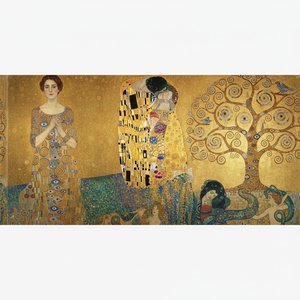
أعمال غوستاف كليمت الخالدة: 25 تحفة فنية تزين منزلك بجمال الأرت نوفو
اكتشف 25 تحفة فنية لغوستاف كليمت، رائد الأرت نوفو. استكشف قصص لوحاته الذهبية الشهيرة، ورموزيته العميقة، وتأثيره الخالد في عالم الفن والديكور. احصل على إعادة إنتاج عالية الجودة من OriginalUniqueArt.com.


