معاينة الحجم الحقيقي
 مشاركة
 مشاركة
 التفاصيل

 تحميل الملف
 قطع مشابهة
 الأشعة السينية
 عرض شرائح
 Stats
StatsIn the Woods
 Oil On Canvas
- WallArt
- Realism
 1860
1860- 19th Century
 38.0 x 46.0 cm
 عرض المزيد
طباعة جيلي / مطبوعات فنية
طباعة جيكلي أو كانفاس بجودة المتاحف، مع سرعة في التنفيذ وخيارات متنوعة للتشطيب. ( اشترِ لوحة مرسومة يدويًا Switch to Digital Image)




P118B $10

P118H $10

P118W $10

P438Z $10

P508JH $12

P508YH $12

P805H $10

P805Z $10

P919BZ $10

P919G $10

P919XJ $10

P959ZH $10

P968JZ $12

W106C $8

W218G $10

W218JH $8

W218Y $10

W307PJ $10

W316G $10

W316PJ $8

W316Y $10

W398PJ $8

W4111J $10

W500HY $15

W500JH $15

W692G $12

W849H $8

W940BG $15

W953PJ $8




اختر من بين أحجامنا المُعدّة مسبقًا والتي تتطابق مع النسب الأصلية للعمل الفني.

يمكنك إدخال أبعادك الخاصة لتناسب إطاراً أو مساحة معينة. وإذا لم يتطابق الحجم الذي اخترته مع نسب الصورة الأصلية، فسنقوم إما بقص العمل الفني أو تمديد الصورة باستخدام حافة معكوسة أو بلون مصمت. سيتم إرسال نموذج تجريبي رقمي لاعتمادك قبل بدء الإنتاج.
يرجى ملاحظة أن المعاينة على الشاشة لا تعكس عملية القص أو التمديد الفعلية؛ حيث سيوضح النموذج التجريبي فقط التكوين النهائي بدقة.
وعلى الرغم من توفر أحجام مخصصة، إلا أننا نوصي باختيار أبعاد من القائمة المحددة مسبقاً للحفاظ على النسب الأصلية.
توصيل عالمي إلى خلال أسبوعين بدلاً من المدة القياسية البالغة 4/5 أسابيع. 7 سبتمبر

شحن سريع ومجاني لجميع أنحاء العالم

قماش كتان عالي الجودة

تأمين شحن شامل

ضمان استرداد الرسوم الجمركية

ضمان مطابقة الألوان الحقيقية

سياسة الإرجاع خلال 100 يوم (في حالات العيوب فقط)

ضمان استرداد نقدي بنسبة 100%

خصم عند طلب عدة قطع
 خيار الزجاج متاح فقط للمقاسات التي تقل عن 110 سم

In the Woods
طباعة جيلي / مطبوعات فنية
مقاس النسخة المطبوعة
-


السعر الإجمالي النهائي
$ 80
A Glimpse Into the Soul of Nature: Gustave Courbet’s “In the Woods”
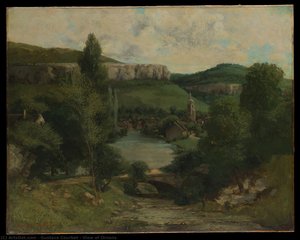
Gustave Courbet's "In the Woods," painted circa 1860, isn’t merely a depiction of a forest; it’s an immersive experience, a profound meditation on the relationship between humanity and the untamed world. This oil-on-canvas masterpiece, measuring a modest 38 x 46 centimeters, embodies the core tenets of Realism – a rejection of romanticized idealism in favor of honest, unvarnished observation. Courbet, a pivotal figure in challenging artistic conventions of his time, sought to capture not just what he *saw*, but also what he *felt* within the heart of nature’s embrace.
The painting immediately draws the viewer into a dense, almost claustrophobic woodland scene. Jagged rocks dominate the foreground, their rough textures rendered with thick, impasto brushstrokes that practically leap from the canvas. These aren't idealized boulders; they are weathered and worn, bearing the marks of countless seasons and storms. Towering trees, partially obscured by shadow and mist, rise into the background, creating a sense of immense scale and depth. Courbet masterfully employs atmospheric perspective – lighter hues dominate the distant foliage, subtly suggesting distance and adding to the painting’s three-dimensionality. The color palette is deliberately earthy: deep greens, browns, ochres, and grays—a deliberate choice that grounds the scene in the tangible reality of the forest floor.
The Realist Vision: A Departure from Tradition
Courbet's decision to focus on a seemingly simple landscape was revolutionary for its time. The prevailing artistic trend favored grand historical narratives or mythological allegories, often executed with meticulous detail and idealized forms. Courbet, however, deliberately eschewed these conventions. He chose instead to paint a commonplace scene – a walk through the woods – elevating it to an act of profound observation and artistic expression. This commitment to portraying everyday life, devoid of embellishment or sentimentality, is precisely what defines Realism. He wasn’t interested in glorifying nature; he wanted to reveal its raw, unadulterated beauty—and its inherent power.
The painting's composition subtly reinforces this sense of realism. Courbet avoids any overtly dramatic lighting or compositional arrangements. Instead, he focuses on the interplay of light and shadow, creating a naturalistic illumination that feels both immediate and authentic. The lack of a clear focal point encourages the viewer to lose themselves within the scene, mirroring the experience of actually being immersed in a dense forest.
Symbolism Within the Natural World
While firmly rooted in observation, “In the Woods” is not devoid of symbolic resonance. The rugged terrain and imposing trees can be interpreted as metaphors for the challenges and obstacles inherent in life’s journey. The darkness and shadows suggest a sense of mystery and uncertainty, while the glimpses of light represent hope and resilience. Courbet's deliberate choice to depict the forest floor—a typically overlooked element of landscape painting—underscores his belief that beauty can be found in the most unassuming details.
Furthermore, the painting’s creation coincided with a period of significant social and political upheaval in France. Courbet’s Realist approach reflected a broader desire to depict the lives of ordinary people – particularly the working class – without romanticizing their struggles. The forest itself can be seen as a symbol of refuge and escape—a place where individuals could find solace from the pressures of urban life.
A Legacy of Honest Representation
"In the Woods" stands as a testament to Courbet’s artistic vision and his unwavering commitment to Realism. It's a painting that invites contemplation, prompting viewers to consider their own relationship with nature and the world around them. His influence on subsequent generations of artists—from Impressionists like Monet and Renoir to Expressionists like Van Gogh—is undeniable. Courbet’s insistence on portraying the world as he saw it paved the way for a more direct and honest approach to art, challenging established conventions and opening up new possibilities for artistic expression. Reproductions of this iconic work continue to inspire awe and appreciation for its timeless beauty and profound insights.
Further Exploration: For those interested in delving deeper into Courbet’s life and work, we recommend visiting the Musée des Beaux-Arts Besancon in France, a treasure trove of Courbet’s paintings and other Realist masterpieces. Additionally, Gustave Courbet is a valuable resource for biographical information and critical analysis. You can also explore related works such as Horse in the Woods and Male and Female Deer in the Woods, demonstrating his fascination with the natural world.
- Realism: A movement in art that focuses on depicting everyday life and landscapes without idealization or romanticization.
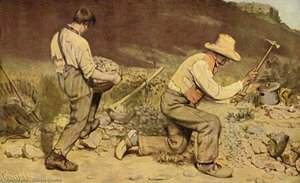
- Gustave Courbet: A French painter known for his realistic works, including "In the Woods" and "The Quarry (La Curée)".
- Male and Female Deer in the Woods: Another painting by Courbet that showcases his realistic style.
- Musee des Beaux-Arts Besancon: A museum in France housing an impressive collection of paintings, including works by Courbet.
السيرة الذاتية للفنان
جوزيف كوربيه: رائد الواقعية وصور الحياة اليومية
في قلب الريف الفرنسي الهادئ، في بلدة أورانز، وُلد جان ديزيريه غوستاف كوربيه عام 1819، ليصبح لاحقًا قوة متمردة ضد الأعراف الفنية السائدة في عصره. لم تكن قصته مجرد قصة فرشاة ولوحة؛ بل هي سردٌ ينسج خيوطًا من التعليق الاجتماعي والإيمان السياسي والالتزام الراسخ بتصوير العالم كما رآه – دون مثالية، وبصدقٍ صارخ، وبشكلٍ عميق. نشأ في كنف عائلة بورجوازية ميسورة الحال، وشجعته والدته على تطوير ميوله الفنية، وهو التشجيع الذي أشعل ثورةً في عالم الفن. بدأ تدريبه الرسمي في أكاديمية بون بوم باريس عام 1839، لكنه سرعان ما وجد نفسه يرفض التقاليد الأكاديمية والمثالية الرومانسية السائدة. على الرغم من تقديره لتأثيرات فنانين مثل إوجين ديلاكروا وتيودور جيريكو، إلا أنه رسم طريقه الخاص، طريقًا يعطي الأولوية للملاحظة على الخيال والحقيقة على التقاليد.ولادة الواقعية: تحدي الأعراف الفنية
تميز تطور كوربيه الفني برفض متعمد للمعايير الجمالية السائدة. لم يكن مهتمًا بالروايات الأسطورية أو التمثيلات البطولية؛ بل كان تركيزه منصبًا على حياة الناس العاديين، وخاصة أولئك الذين يعملون في الزراعة والحياة الريفية. هذا الالتزام بتصوير العالم دون تجميل – وهو ما أصبح يُعرف بالواقعية – واجه في البداية ازدراءً وسخرية من النقاد الذين اعتادوا على تمثيلات أكثر دقة ومثالية. استكشفت أعماله المبكرة المناظر الطبيعية والصور الشخصية، لكنها سرعان ما تحولت نحو مشاهد الحياة العاملة، والتي صُوِّرت على نطاق واسع عادةً ما يُحجز للرسم التاريخي أو الديني. لم يكن هذا الاختيار مجرد أسلوب؛ بل كان بيانًا حول الكرامة المتأصلة وأهمية هذه الموضوعات التي غالبًا ما يتم تجاهلها. "الحطابون"، الذي اكتمل عام 1849 ولكن دمر بشكل مأساوي خلال الحرب العالمية الثانية، تجسد هذا النهج – تصوير صارخ لعمال يكدحون في عملهم، ووجوههم محفورة بالإرهاق والشقاء. هذا العمل، إلى جانب أعمال أخرى مثل "الجنازة في أورانز" (1850)، تحدى تعريف ما يشكل "موضوعًا جديرًا" بالفن الرفيع.أعمال رئيسية وفلسفة فنية
أثارت لوحة كوربيه الضخمة، "الجنازة في أورانز"، ضجة كبيرة في عامي 1850 و 1851. حجمها الهائل – الذي عادة ما يُحجز للرسم التاريخي الكبير – جنبًا إلى جنب مع واقعيتها الصادقة وغياب المثالية العاطفية صدم الجمهور. لم يصور كوربيه المصلين كشخصيات نبيلة أو تعيسة؛ بل قدمهم كأفراد عاديين، ووجوههم محفورة بمزيج من الحزن والملل والاستسلام. هذا الصدق كان ثوريًا. امتدت فلسفته الفنية إلى ما هو أبعد من الموضوع لتشمل التقنية. فضل أسلوبًا مباشرًا، مع تطبيق الطلاء بسخاء على القماش – مما يؤكد على مادية الوسيط نفسه. عززت لوحته "استوديو الرسام" (1855)، وهي عمل رمزي يعكس معتقداته الفنية ومشاركته في القضايا الاجتماعية المعاصرة، مكانته كفنان استفزازي ومستقل. أرسى مشاركته في صالون المرفوضين عام 1863 مكانته كرمز للحرية الفنية والمناصرة لها. حتى المناظر الطبيعية مثل "منظر في غابة فونتينبلو" (1855) كانت مشبعة بإحساس بالواقعية، حيث التقطت الجمال الطبيعي للغابة دون رومانسيتها.الإرث والأهمية التاريخية
لا يمكن إنكار تأثير جوزيف كوربيه على الحركات الفنية اللاحقة. في حين أنه استمد الإلهام من أساتذة سابقين مثل كارافاجيو لاستخدامهم الدرامي للضوء والظل، إلا أن تأثيره امتد إلى ما هو أبعد من مجرد التقليد. لقد أثر بعمق على الانطباعيين وما بعد الانطباعيين من خلال تحريرهم من قيود التمثيل التقليدي، وتشجيعهم على استكشاف طرق جديدة لرؤية وتصوير العالم. لقد مهد تركيزه على التعليق الاجتماعي الطريق أمام الفنانين الذين انخرطوا اجتماعيًا لاحقًا الذين استخدموا عملهم كمنصة للنشاط السياسي. لم يكن كوربيه مجرد رسام؛ بل كان مناصرًا صاخبًا للحرية الفنية والتغيير السياسي، حيث شارك بنشاط في الأحداث المضطربة لعصره، بما في ذلك كومونة باريس عام 1871 – وهو انخراط أدى إلى فترة من المنفى في سويسرا. توفي عام 1877، تاركًا وراءه أعمالًا فنية لا تزال تلهم وتثير الجدل حتى اليوم.- رائد الواقعية
- تحدى الأعراف الأكاديمية
- أثر على الانطباعية وما بعد الانطباعية
- مناصر للحرية الفنية

غوستاف كوربيه
1819 - 1877 , فرنسا
حقائق سريعة
- Artistic Movement Or Style: واقعية
- Artists Who Influenced This Artist: ['إيجيني دي لاكروا"، "جيريكو"، "كارافاجيو']
- Date Of Birth: ١٠ يونيو ١٨١٩
- Date Of Death: ٣١ ديسمبر ١٨٧٧
- Full Name: جاستاف كورتيه
- Nationality: فرنسي
- Notable Artworks:
- الرسام في استوديوة
- المعمل الصخري
- دفن أورانس
- Place Of Birth: أورانس، فرنسا
مقالات ذات صلة

The Enduring Legacy of Oil on Canvas: Technique, History & Aesthetic Impact
Explore the rich history & techniques of oil painting – from Renaissance masters to Impressionism. Discover pigments, layering methods, and why this timeless medium endures. Expert insights for artists & art enthusiasts.
Gustave Courbet: Realism's Revolutionary Vision & the Social Canvas of 19th-Century France
Explore the revolutionary art of Gustave Courbet, pioneer of Realism. Discover his iconic paintings, social commentary, and lasting impact on 19th-century French art history. Expert analysis & insights.

Oil on Canvas: A Historical & Technical Exploration of a Timeless Artistic Medium
Explore the rich history & enduring techniques of oil painting on canvas. Discover the science behind its longevity, conservation practices, and contemporary relevance. Expert insights for art enthusiasts.
أعلى 10 روائع رسمت الواقعية الفنية: رحلة في الإبداع وجماليات الديكور
اكتشف روائع الواقعية الفنية! استكشف 10 أعمال خالدة من كوربيديلو، ميليه وغيرهم. تعرف على تاريخ الفن وألوانه العميقة. احصل على إعادة إنتاج فني عالي الجودة لديكور فريد. اكتشف كل التحف على OriginalUniqueArt.com

Romantic Realism's Finest: 10 Masterpieces for Your Home | OriginalUniqueArt
Explore 10 defining masterpieces of Romantic Realism! Discover Courbet, Millet & Daumier's powerful paintings—capturing emotion and social realities. Find museum-quality reproductions for your home at OriginalUniqueArt.com.