Symbolism · 1896
Junius (غوستاف كليمت, 1896)
أبدع غوستاف كليمت (1862–1918) في Junius. يعود تاريخها إلى 1896. تنتمي إلى حركة Symbolism. صُنعت من ألوان أكريليك على كانفاس. أبعادها 41 × 31 cm
- 1896
- ألوان أكريليك على كانفاس
- 41 × 31 cm

 معاينة الحجم الواقعي

 لوحة زيتية مرسومة يدوياً
 مشاركة
 مشاركة
 بطاقة المعلومات


 تحميل الملف
 قطع مشابهة
 الأشعة السينية
 عرض شرائح
 الأسئلة والأجوبة

 الإحصائيات
Junius باختصار
- العنوان
- Junius
- الفنان
- غوستاف كليمت (1862–1918)
- تاريخ ميلاد الفنان
- باومغارتن, النمسا
- التاريخ
- 1896
- الوسيط الفني
- ألوان أكريليك على كانفاس
- الأبعاد
- 41 × 31 cm
- الحركة
- Symbolism
ماذا يصور Junius؟
Junius: A Symbolist Vision of Power and Reflection
Gustav Klimt’s “Junius,” created in 1896 during his formative years as a Symbolist painter, stands as a cornerstone of his artistic legacy—a mesmerizing blend of meticulous detail and profound symbolic resonance. Measuring 41 x 31 cm, this chalk drawing transcends mere representation; it invites contemplation on themes of authority, introspection, and the elusive quest for spiritual enlightenment. Klimt’s masterful use of texture and color contributes to an atmosphere of enigmatic beauty that continues to captivate audiences today.The Painting: A Glimpse into Symbolism
“Cite>Junius” embodies the core tenets of Symbolism—a movement rejecting realism in favor of conveying emotions and ideas through evocative imagery and veiled references. Klimt’s deliberate choice of composition—two figures adorned with crowns—immediately establishes a visual dialogue about power dynamics. The central figure, gazing downwards, symbolizes contemplation and inner turmoil, while the crowned man above represents dominion and perhaps even divine grace. This duality is skillfully rendered through Klimt's signature technique: delicate chalk strokes layered upon each other to achieve an ethereal luminescence that captures the essence of Symbolist aesthetics.Symbolic Elements
The crowns themselves are laden with symbolic significance. Traditionally, they signify royalty, nobility, or spiritual ascension—concepts central to Klimt’s worldview and deeply rooted in Austro-Hungarian cultural traditions. However, within “Junius,” their downward gaze suggests a humbling awareness of mortality and the limitations inherent in earthly power. The subtle interplay between light and shadow further enhances this sense of mystery, prompting viewers to ponder the deeper meanings embedded within the artwork. Klimt’s meticulous attention to detail—the intricate patterns adorning the crowns and the delicate rendering of drapery—underscores his commitment to conveying complex ideas through visual form.Artistic Influences and Style
Klimt's artistic journey was profoundly shaped by movements like Symbolism and Art Nouveau, reflecting a broader cultural fascination with decorative arts and spiritual exploration. The influence of Japanese art is palpable in Klimt’s stylistic choices—particularly the flattened perspective and stylized ornamentation—demonstrating his openness to innovative visual languages. “Junius” exemplifies Klimt's ability to synthesize these influences into a singular artistic vision, creating a piece that feels both timeless and strikingly modern. His masterful brushwork contributes to an unparalleled textural richness, elevating the artwork beyond mere depiction to become an immersive experience for the observer.Relevance in Modern Times
Despite its creation over a century ago, “Junius” retains remarkable relevance today due to its exploration of universal human concerns—the tension between ambition and humility, contemplation and action. Klimt’s work continues to inspire artists and art enthusiasts alike, prompting discussions about the role of symbolism in conveying emotion and intellect. Furthermore, the painting's aesthetic beauty serves as a reminder of the enduring power of artistic expression to transcend temporal boundaries.Preservation and Display
Works like “Junius” are treasured possessions of museums such as The Museum Georg Schäfer in Germany, which houses a significant collection of 19th-century German paintings. These institutions diligently safeguard these masterpieces for future generations, ensuring their accessibility to scholars and admirers worldwide. Their commitment to conservation underscores the importance of preserving cultural heritage—a legacy that extends far beyond its original context.Conclusion
Gustav Klimt’s “Junius” remains an unforgettable testament to his artistic genius and the enduring allure of Symbolism. Its captivating composition, symbolic elements, and masterful technique converge to produce a visual experience that transcends time—inviting viewers to contemplate profound questions about human existence and the pursuit of spiritual understanding. For those eager to immerse themselves in Klimt’s broader oeuvre or discover similar artworks imbued with symbolism—such as Julio Ruelas—OriginalUniqueArt.com offers exceptional reproductions that bring these iconic pieces into your home, allowing you to appreciate their beauty and intellectual depth. Experience the brilliance of Klimt’s art with OriginalUniqueArt.com's handcrafted oil painting reproductions—bringing timeless masterpieces into your living space!صور عالية الدقة لـ Junius


غوستاف كليمت, Junius (1896). ملك عام
أسئلة وإجابات حول Junius
في أي عام أُنجز "Junius"؟
يعود تاريخ "Junius" إلى عام 1896، وهو ما يضع العمل ضمن المسيرة المهنية لـ غوستاف كليمت وفي سياق حقبته الزمنية.
ما هي التقنية المستخدمة في صنع "Junius"؟
تعتمد التقنية المستخدمة في "Junius" للفنان غوستاف كليمت على ألوان أكريليك على كانفاس، وتهدف النسخ المطبوعة إلى محاكاة مظهر هذه التقنية.
ما هي أبعاد "Junius" للفنان غوستاف كليمت في الواقع؟
أبعاد العمل الفني المسجلة لـ "Junius" للفنان غوستاف كليمت هي 41 x 31 cm. يمكن طلب نسخ مطابقة بأحجام أخرى مع الحفاظ على نفس النسب.
هل العمل "Junius" ضمن الملكية العامة؟
حالة حقوق الطبع والنشر لـ "Junius" للفنان غوستاف كليمت: العمل يقع ضمن ملك عام - انتهت مدة حماية حقوق الطبع والنشر الخاصة به، وهو ما يحدد مدى إمكانية إعادة إنتاج الصورة بحرية.
من هو الفنان الذي أبدع "Junius"؟
الفنان الذي أبدع عمل "Junius" هو غوستاف كليمت، والعمل مُدرج تحت اسم غوستاف كليمت.
إلى أي حركة فنية ينتمي العمل "Junius" للفنان غوستاف كليمت؟
تنتمي لوحة "Junius" للفنان غوستاف كليمت إلى حركة Symbolism الفنية، ويضع هذا التصنيف العمل ضمن سياق مجموعة من الفنانين والأعمال الفنية ذات الصلة.
إلى أي مرحلة من مسيرة غوستاف كليمت الفنية تنتمي لوحة "Junius"؟
تُمثل "Junius" الحقبة الإبداعية لـ غوستاف كليمت خلال فترة Mature Period.
كم كان عمر غوستاف كليمت عند إبداع "Junius" في عام 1896؟
أبدع غوستاف كليمت لوحة "Junius" وهو في سن 34. وُلد الفنان في 1862 ويعود تاريخ هذا العمل إلى 1896.
ما هي الأسباب الكامنة وراء الوضع القانوني لحقوق الطبع والنشر لـ "Junius" للفنان غوستاف كليمت؟
تعتمد حالة حقوق الطبع والنشر لـ "Junius" - ملك عام - انتهت مدة حماية حقوق الطبع والنشر الخاصة به - على تاريخ وفاة الفنان في 1918.
عن الفنان، غوستاف كليمت

1862–1918, النمسا
غوستاف كليمت
الحياة المبكرة، العائلة والتدريب في بلدة باومغارتن الصغيرة بالقرب من فيينا، وُلد غوستاف كليمت في عالم كان فيه بريق المعادن حضوراً دائماً لا يغيب. فقد قضى والده، إرنست كليمت، أيامه يعمل كنحات للذهب، وهي حرفة تتطلب يداً ثابتة وعيناً تلتقط أدق التفاصيل. هذا القرب المبكر من المعادن النفيسة ودقة النقش سيجد طريقه في نهاية المطاف إلى صلب روح تكويناته الفنية اللاحقة. ومع ذلك، لم تكن الحياة دائماً مسألة بريق ورفاهية؛ إذ واجهت الأسرة صعوبات مالية متكررة، مما اضطرهم للتنقل المستمر عبر شوارع فيينا.
أعمال أخرى لـ غوستاف كليمت
 غوستاف كليمت
ولد غوستاف كليمت في 14 يوليو 1862 في باومغارتن بالقرب من فيينا، ونشأ في عائلة لمستها كل من الميل الفني والصعوبات المالية. كان والده، إرنست كليمت، نحاتًا ذهبيًا، وهو مهنة ستؤثر بلطف ولكن بعمق على الحساسيات الجمالية للغوستاف الشاب - جاذبية رقا1908
 Art Nouveau & The Vienna Secession
Gustav Klimt
Baumgarten
Austria
1862
1907
1907
1918
A Golden Icon of Viennese Secession
138 x 138 cm
صورة أديل بلوخ-باور الأولى1907
 جوديث1901
 بورتريه البارونة إليزابيث باخوفن إيشت1916
مقالات حول Junius
 Masterpieces of the Habsburgs: Top 25 Must-See Artworks at the Albertina, ViennaJourney through the Albertina’s legacy with our curated guide to 25 iconic masterpieces. From Dürer's precision to Habsburg grandeur, explo…
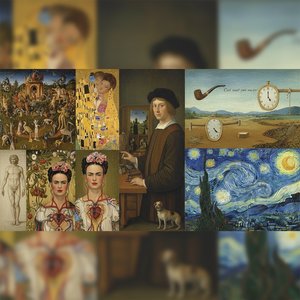 Symbolism in Art: 10 Masterpieces & Their Hidden Meanings | OriginalUniqueArtDelve into the enchanting world of Symbolism with 10 iconic paintings by Klimt, Munch & Moreau. Explore hidden meanings, dreamlike imagery …
 Golden Splendor: The 25 Most Iconic Masterpieces by Gustav KlimtImmerse yourself in the golden splendor of Gustav Klimt. Explore 25 iconic Art Nouveau masterpieces, from The Kiss to his legendary portrai…