
 معاينة الحجم الواقعي
 مشاركة
 مشاركة
 التفاصيل
 دليل
دليل

 تحميل الملف
 قطع مشابهة
 الأشعة السينية
 عرض شرائح
 الأسئلة والأجوبة
 الإحصائيات
Lamentation


 عرض المزيد
طباعة جيلي / مطبوعات فنية
طباعة جيكلي أو كانفاس بجودة المتاحف، مع سرعة في التنفيذ وخيارات متنوعة للتشطيب. ( شراء لوحة مرسومة يدويًا الانتقال إلى الصورة الرقمية)




































اختر من بين أحجامنا المُعدّة مسبقاً والتي تتوافق مع النسب الأصلية للعمل الفني.

أدخل العرض والارتفاع المطلوبين ليتناسب المقاس مع إطارك أو جدارك. يرجى الملاحظة أن المطبوعة يمكن قصها فقط ولا يمكن تكبيرها لتتجاوز أبعاد الصورة الأصلية، لذا فإن اختيار مقاس بأبعاد مختلفة سيؤدي إلى فقدان جزء من الصورة. سنرسل لك نموذجاً رقمياً تجريبياً لاعتماده قبل البدء في عملية الطباعة. الصورة المعروضة في هذه الصفحة لا توضح شكل القص الفعلي — النموذج التجريبي فقط هو ما يظهر ذلك بدقة.
توصيل عالمي إلى خلال أسبوعين بدلاً من المدة القياسية البالغة 4/5 أسابيع. (16 نوفمبر)

شحن سريع ومجاني لجميع أنحاء العالم

قماش كتان عالي الجودة

تأمين شامل على الشحن

ضمان استرداد الرسوم الجمركية

ضمان مطابقة الألوان الحقيقية

سياسة الإرجاع خلال 100 يوم (في حالات العيوب فقط)

ضمان استرداد نقدي بنسبة 100%

خصم عند طلب كميات
 خيار الزجاج متاح فقط للمقاسات التي تقل عن 110 سم

Lamentation
طباعة جيلي / مطبوعات فنية
مقاس النسخة المطبوعة
-


إجمالي السعر النهائي
E£ 4330
السيرة الذاتية للفنان
The Sculptor of Emotion: The Life and Legacy of Guido Mazzoni
Guido Mazzoni, known to his contemporaries by the affectionate moniker Il Modanino, stands as one of the most evocative figures of the Italian Renaissance. Born around 1450 in Modena, Italy, Mazzoni was an artist who bridged the gap between the theatricality of courtly spectacle and the profound, somber depths of religious devotion. His career was not merely defined by the static permanence of stone, but by a dynamic movement that flowed from the workshops of Italy to the royal courts of France. Early in his development, Mazzoni found himself within the influential patronage circle of the Este family, where he studied under the master Francesco Cossa. This early exposure to the vibrant, narrative-driven style of the Ferrarese school provided him with a foundation in visual storytelling that would later define his sculptural masterpieces.
Before he became a master of the monumental, Mazzoni’s artistry was rooted in the ephemeral and the spectacular. His initial renown was built upon the creation of theatrical masks and elaborate props designed for the grand wedding celebrations of Federico II Gonzaga in Ferrara. This period of his life is crucial to understanding his later sculptural achievements; the skill required to craft lifelike, expressive faces for the stage translated seamlessly into his work with clay. He possessed a unique ability to capture fleeting moments of human expression, a talent that allowed him to infuse even the most rigid materials with a sense of breathing, pulsing life. This mastery of ephemera—the art of the temporary—gave his later religious works an unparalleled psychological immediacy.
The Mastery of Terracotta and the Lamentation Series
Mazzoni’s most enduring contribution to the history of Western art lies in his breathtaking series of polychromed terracotta Lamentations. Unlike the more common marble sculptures of his era, which often sought a cool, idealized perfection, Mazzoni embraced the warmth and malleability of terracotta. This medium allowed him to achieve an ultra-realistic texture that could mimic the folds of heavy fabric, the tear-streaked skin of mourners, and the visceral reality of grief. His most celebrated works, such as those found in the Church of Gesù in Ferrara and the Sant'Anna dei Lombardi Basilica in Naples, represent a pinnacle of Renaissance realism.
These sculptural groups are far more than mere religious icons; they are immersive, theatrical experiences. In these Compianto scenes, Mazzoni meticulously modeled figures gathered around the corpse of Christ, imbuing each face with a distinct, individualized sorrow. A remarkable feature of these works is his integration of portraiture; he often included the likenesses of his patrons, such as Federico II Gonzaga and his family members, directly into the mourning crowd. This technique blurred the line between the sacred and the secular, inviting the viewer to participate in the divine tragedy. The use of polychromy—the application of color to the clay—further enhanced this realism, creating a lifelike presence that seemed to command the very space around it.
A Transnational Legacy
The trajectory of Mazzoni’s life reflects the broader movement of Renaissance talent across European borders. His journey took him through the cultural hubs of Bologna and Naples, eventually leading him to the French court. This international presence allowed his style to influence a wider audience, blending Italian emotional intensity with the burgeoning interest in naturalism found in Northern Europe. His ability to adapt his skills—from the delicate creation of courtly props to the monumental execution of religious drama—ensured his relevance across different artistic landscapes.
Ultimately, Guido Mazzoni’s significance lies in his profound understanding of human empathy. While many of his contemporaries focused on the mathematical proportions and structural harmony of the High Renaissance, Mazzoni prioritized the psychological depth of his subjects. He captured the raw, unvarnished essence of mourning, making the divine accessible through the lens of human suffering. His work remains a testament to the power of art to act as a mirror for the soul, leaving behind a legacy of terracotta figures that continue to move and haunt the hearts of all who behold them.
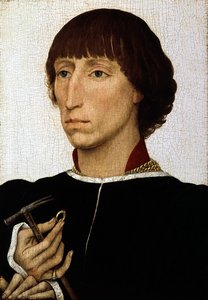
Guido Mazzoni
1450 - 1518 , Italy
حقائق سريعة
- Full Name: Guido Mazzoni
- Nationality: Italian
- Date Of Birth: 1450
- Date Of Death: 1518
- Place Of Birth: Modena, Italy
- Notable Artworks:
- Lamentation
- Adoration Of The Child
- Artistic Movement Or Style: Renaissance Sculpture
- Artists Who Influenced This Artist:
- Francesco Cossa
- Luca Della Robbia
- Artists Or Movements Influenced By This Artist: ["Niccolò dell'Arca"]
مقالات ذات صلة

Masterpieces of Light: The Top 25 Artworks by Duccio di Buoninsegna
Journey through the divine elegance of Duccio di Buoninsegna. Explore 25 iconic Sienese masterpieces, from the Maestà to the Rucellai Madonna. Find inspiration for museum-quality art reproductions and timeless decor. Discover all masterpieces on OriginalUniqueArt.com.

25 Masterpieces by Giotto di Bondone: The Father of Renaissance Art
Journey through the revolutionary world of Giotto di Bondone. Explore 25 iconic Renaissance masterpieces that redefined realism and emotion. Find inspiration for your space with museum-quality art reproductions and curated decor. Discover all masterpieces on OriginalUniqueArt.com.

Echoes of Grief: The Tradition and Technique of Lamentation in Art History
Explore the evolution of grief through masters like Botticelli and Delacroix. Discover the profound techniques of art history now.

25 Must-See Masterpieces at Gallerie dell'Accademia di Venezia
Explore 25 Venetian masterpieces from Titian to Tintoretto. Discover museum-quality art on OriginalUniqueArt.com.

Simone Martini: Innovation, Spirituality & Courtly Refinement in Sienese Painting
Explore the captivating world of Simone Martini, a pivotal figure in Sienese painting & the International Gothic style. Discover his innovative techniques, spiritual depth, and lasting influence on early Renaissance art.