
 معاينة الحجم الواقعي
 مشاركة
 مشاركة
 التفاصيل
 دليل
دليل

 تحميل الملف
 قطع مشابهة
 الأشعة السينية
 عرض شرائح
 الأسئلة والأجوبة
 الإحصائيات
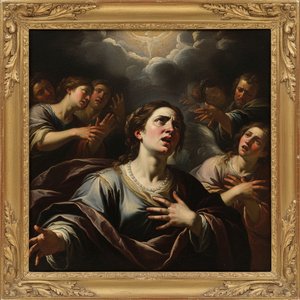
Susanna and the Elders

- 144.0 x 173.0 cm


 عرض المزيد
طباعة جيلي / مطبوعات فنية
طباعة جيكلي أو كانفاس بجودة المتاحف، مع سرعة في التنفيذ وخيارات متنوعة للتشطيب. ( شراء لوحة مرسومة يدويًا الانتقال إلى الصورة الرقمية)




P118B E£10

P118H E£10

P118W E£10

P438Z E£10

P508JH E£12

P508YH E£12

P805H E£10

P805Z E£10

P919BZ E£10

P919G E£10

P919XJ E£10

P959ZH E£10

P968JZ E£12

W106C E£8

W218G E£10

W218JH E£8

W218Y E£10

W307PJ E£10

W316G E£10

W316PJ E£8

W316Y E£10

W398PJ E£8

W4111J E£10

W500HY E£15

W500JH E£15

W692G E£12

W849H E£8

W940BG E£15

W953PJ E£8




اختر من بين أحجامنا المُعدّة مسبقاً والتي تتوافق مع النسب الأصلية للعمل الفني.

أدخل العرض والارتفاع المطلوبين ليتناسب المقاس مع إطارك أو جدارك. يرجى الملاحظة أن المطبوعة يمكن قصها فقط ولا يمكن تكبيرها لتتجاوز أبعاد الصورة الأصلية، لذا فإن اختيار مقاس بأبعاد مختلفة سيؤدي إلى فقدان جزء من الصورة. سنرسل لك نموذجاً رقمياً تجريبياً لاعتماده قبل البدء في عملية الطباعة. الصورة المعروضة في هذه الصفحة لا توضح شكل القص الفعلي — النموذج التجريبي فقط هو ما يظهر ذلك بدقة.
توصيل عالمي إلى خلال أسبوعين بدلاً من المدة القياسية البالغة 4/5 أسابيع. (6 نوفمبر)

شحن سريع ومجاني لجميع أنحاء العالم

قماش كتان عالي الجودة

تأمين شامل على الشحن

ضمان استرداد الرسوم الجمركية

ضمان مطابقة الألوان الحقيقية

سياسة الإرجاع خلال 100 يوم (في حالات العيوب فقط)

ضمان استرداد نقدي بنسبة 100%

خصم عند طلب كميات
 خيار الزجاج متاح فقط للمقاسات التي تقل عن 110 سم

Susanna and the Elders
طباعة جيلي / مطبوعات فنية
مقاس النسخة المطبوعة
-


إجمالي السعر النهائي
E£ 4241
The Enigmatic Scene: Guido Cagnacci’s Susanna and the Elders
Guido Cagnacci's “Susanna and the Elders” is not merely a depiction of a biblical narrative; it’s an immersion into the sensual drama and psychological tension that defined the height of the Bolognese Baroque. Painted around 1627-1630, this arresting work resides within the hallowed halls of The Hermitage Museum in St. Petersburg, Russia, yet its power transcends geographical boundaries, captivating viewers with a masterful blend of classical restraint and intensely felt emotion. Cagnacci, born in Sant'Arcangelo di Romagna, skillfully inherited and expanded upon the traditions of his predecessors – Reni, Carracci – while forging a distinctly personal style characterized by rich color palettes, dramatic chiaroscuro, and an uncanny ability to capture the fleeting expressions of human desire.
A Story of Deception and Virtue
The narrative unfolds with a quiet intensity, centered around Susanna, a young woman renowned for her beauty and virtue. She is depicted in a moment of vulnerability – seated on a simple bench within a private garden, bathed in the diffused light of an unseen window. Her gaze, direct and unwavering, draws the viewer into the scene, creating an immediate connection between subject and observer. Behind her, two elderly men, figures of authority and presumed wisdom, lurk in shadow, their faces etched with lustful intent. The Elders, driven by a desperate desire for Susanna, have falsely accused her of adultery, threatening to expose her shame to the community. This isn’t a grand, operatic drama; it's a slow-burning revelation of deceit and the struggle between innocence and corruption.
Cagnacci masterfully utilizes composition to heighten this tension. The diagonal lines created by Susanna’s posture and the placement of the Elders draw our eye across the canvas, emphasizing their proximity and the potential danger she faces. The mirror reflecting her image adds a layer of self-awareness, suggesting that even in her vulnerability, Susanna retains a sense of dignity and control.
Technique and Artistic Flourishes
Cagnacci’s technical prowess is immediately apparent in the painting's rich textures and luminous colors. He employs a masterful use of chiaroscuro – the dramatic contrast between light and shadow – to sculpt Susanna’s form and create a sense of depth within the intimate setting. The warm hues of her dress and skin stand in stark opposition to the cool, shadowed figures of the Elders, further emphasizing their moral corruption. The brushwork is remarkably smooth and refined, indicative of Cagnacci's meticulous attention to detail. Note particularly the delicate rendering of the fabric folds, the subtle nuances of expression on Susanna’s face, and the atmospheric quality of the background – a dark, suggestive space that hints at both danger and mystery.
The painting is executed in oil on canvas, measuring 144 x 173 cm. The scale allows for a remarkable level of detail and intimacy, drawing the viewer into the heart of the drama. The artist’s choice to depict Susanna partially clothed – seated on a bench with only her dress covering her body – is deliberate, inviting contemplation about themes of modesty, virtue, and the vulnerability of women in a patriarchal society.
Symbolism and Enduring Resonance
Beyond its biblical subject matter, “Susanna and the Elders” resonates with broader themes of justice, deception, and the triumph of truth. The painting serves as a potent allegory for the dangers of false accusations and the importance of upholding moral integrity. The mirror reflects not only Susanna’s image but also the viewer's own reflection, prompting us to consider our own roles in witnessing and challenging injustice. Cagnacci’s work continues to hold relevance today, reminding us of the timeless struggle between virtue and vice, and the enduring power of art to illuminate the complexities of human experience.
الأسئلة والأجوبة
كيف يمكنني مشاهدة "Susanna and the Elders" للفنان غيدو كاجناتشي كعرض شرائح؟
يمكن مشاهدة العرض المتتابع لـ "Susanna and the Elders" في صفحة عرض شرائح الخاصة بالعمل الفني.
ما الذي يجمع بين "Susanna and the Elders" وبقية أعمال غيدو كاجناتشي؟
تتشارك لوحة "Susanna and the Elders" مع أعمال غيدو كاجناتشي الأخرى أسلوبها الذي ينتمي إلى Baroque وموضوعاتها المتكررة: bolognese school, sensual subjects, religious narrative, moral lesson, courtly painting, aristocratic themes, chiaroscuro, dramatic lighting.
من أين يأتي زوار "Susanna and the Elders" للفنان غيدو كاجناتشي؟
تتوفر الإحصائيات الخاصة بـ "Susanna and the Elders" للفنان غيدو كاجناتشي في صفحة إحصائيات الزيارات للعمل الفني، وهي تشمل: عدد الزيارات الشهرية للعمل، وزيارات أعمال الفنان، وتوزيع الزوار الأخيرين حسب الدولة واللغة.
السيرة الذاتية للفنان
البدايات المبكرة والنشأة الفنية
ولد غيدو كاجناتشي في التاسع عشر من يناير عام 1601، في مدينة سانت أنجيلو إن رومانيا المتواضعة، ونشأ في كنف عائلة من الحرفيين، حيث كان والده ماتيو كاجناتشي يعمل في دباغة الجلود وتجارة الفراء. ورغم أن أصوله لا تزال محاطة بنوع من الغموض، مع وجود تكهنات تشير إلى جذور محتملة في كاستل دورنتي أو ريميني، إلا أنه من الواضح أن الشاب غيدو كان يمتلك موهبة فنية فطرية. وخلافاً للعديد من فناني ذلك العصر الذين خضعوا لتدريبات رسمية صارمة منذ طفولتهم، يبدو كاجناتشي عصامياً إلى حد كبير؛ إذ وصفه المؤرخ جيوفان باتيستا كوستا في القرن الثدي عشر بأنه "وُهب موهبة رائعة من الطبيعة" جعلته يشرع في رحلته الفنية بأدنى قدر من التوجيه. هذه القدرة المبكرة دفعت والده للسعي نحو تدريب أكثر تنظيماً له، بدأ في بولونيا حوالي عام 1618، وتلا ذلك إقامتين في روما. ورغم أن الهوية الدقيقة لمعلميه لا تزال محل نقاش، إلا أنه يُعتقد على نطاق واسع أن لودوفيكو كاراتشي وغيدو ريني قد تركا أثراً عميقاً في تطوره المبكر ضمن مدرسة بولونيا، لتضع هذه التجارص التكوينية حجر الأساس لأسلوب سيجعله لاحقاً صوتاً فريداً ومتميزاً في مشهد عصر الباروك.تطور الأسلوب: بين بولونيا وروما والتأثيرات الإقليمية
لم تكن الرحلة التعليمية لكاجناتشي محصورة في مرسم واحد أو مدينة بعينها، فقد أتاح له وقته في بولونيا الانفتاح على المثُل الكلاسيكية والتقنيات المصقولة لعائلة كاراتشي، بينما جلب له سفره إلى روما ملامسة الكثافة الدرامية لأعمال غويرشينو والأناقة الرفيعة لغيدو ريني. كما التقى بالرسام الفرنسي سيمون فويه خلال فتراته الرومانية، مما ساهم في توسيع آفاقه الأسلوبية بشكل أكبر. ويتجلى هذا الامتزاج من التأثيرات بوضوح في أعماله المبكرة، التي غالباً ما تناولت موضوعات دينية نُفذت بإتقان متزايد لتقنية "الكياروسكورو" (التضاد بين الضوء والظلال)، ذلك التفاعل الدرامي الذي أصبح سمة مميزة للرسم الباروكي. ومع ذلك، لم يكن كاجناتشي مجرد مقلد؛ بل بدأ في إضفاء حساسية متميزة وعمق نفسي على تكويناته الفنية. وبعد فترات قضتها في بولونيا وروما، استقر كفنان ممارس في ريميني من عام 1627 إلى 1642، قبل أن ينتقل إلى فورلي، والتي كانت فترة هامة للغاية سمحت له بدراسة أعمال ميلوتسو دا فورلي، الذي ساهم استخدامه المبتكر للمنظور والتكوينات الديناميكية في صياغة رؤيته الفنية بشكل أعمق.الأعمال الناضجة: الحسية، الدراما، والجدل
تتميز المرحلة الناضجة من مسيرة كاجناتشي المهنية، والتي امتدت تقريباً من أربعينيات القرن السابع عشر حتى وفاته عام 1663، باستكشاف جريء للموضوعات الحسية واستخدام متطور للغاية لتقنية الضوء والظل. وقد ذاع صيته بفضل تصويره لشخصية *مريم المجدلية*، التي غالباً ما تظهر كامرأة جميلة وتائبة غارقة في تأمل وجداني، بالإضافة إلى تفسيراته للأساطير الكلاسيكية، لا سيما تلك التي تتناول شخصية *كليوباترا*. إن هذه اللوحات ليست مجرد تمارين على المهارة التقنية، بل هي أعمال تمتلك كثافة نفسية مذهلة وواقعية تكاد تكون مربكة. ففي شخصيات كاجناتشي، نلمس حضوراً جسدياً ملموساً وهشاشة عاطفية أسرت معاصريه، بل وأثارت صدمتهم في بعض الأحيان. لقد تجاوزت أعماله حدود اللياقة المقبولة آنذاك، مما عرضها لاتهامات بالابتذال وتحدي التقاليد الفنية السائدة، كما اكتسبت بورتريهاته الحميمة تقديراً كبيراً لقدرتها على التقاط ليس فقط الملامح الجسدية، بل وأيضاً الحياة الداخلية لمن رسمهم.إعادة الاكتشاف والأهمية التاريخية
على الرغم من النجاح الكبير الذي حققه خلال حياته — حيث حظي برعاية عائلات نبيلة مرموقة في رومانيا وخارجها — إلا أن سمعة غيدو كاجناتشي تراجعت بعد وفاته، ودخلت أعماله في حالة من النسيان النسبي لقرون، حيث طواها الغبار بعيداً عن أعين مؤرخي الفن والجمهور العام. ولم يبدأ الجهد المنظم لإعادة اكتشاف وتقييم نتاجه الفني إلا في القرن العشرين؛ حيث بدأ الباحثون يدركون الخصائص الفريدة لأسلوبه — من التضاد المتقن بين الضوء والظل، إلى الواقعية الحسية والعمق النفسي — وتقدير مساهمته في تقاليد عصر الباروك. واليوم، يُحتفى بكاجناتشي كشخصية محورية في الرسم الباروكي الإيطالي، وجسراً يربط بين المثُل الكلاسيكية لمدرسة بولونيا والأساليب الأكثر درامية وعاطفية التي ظهرت لاحقاً في ذلك القرن. إن لوحاته تقدم لمحة ساحرة عن الحساسيات الفنية لعصره، وتتحدانا لإعادة النظر في فهمنا للجمال، والحسية، وقوة التعبير الفني. إن إرثه لا يكمن فقط في براعته التقنية، بل أيضاً في شجاعته على استكشاف الموضوعات المعقدة ودفع حدود التعبير الفني. لا تزال أعمال كاجناتشي تتردد أصداؤها لدى الجمهور المعاصر، لتذكرنا بالقوة الخالدة للفن في إثارة المشاعر، والإلهام، وتحدي تصوراتنا.
غيدو كاجناتشي
1601 - 1663 , إيطاليا
حقائق سريعة
- Artistic Movement Or Style: الباروك
- Artists Who Influenced This Artist:
- لودوفيكو كاراتشي
- جويدو ريني
- جورتشينو
- Date Of Birth: 19 يناير 1601
- Date Of Death: 1663
- Full Name: جويدو كاجناتشي
- Nationality: إيطالي
- Notable Artworks:
- مريم المجدلية
- لوحات كليوباترا
- Place Of Birth: سانتاركانجيلو دي رومانيا، إيطاليا
مقالات ذات صلة
Chiaroscuro and Soul: A Definitive Guide to the Drama and Emotion of Italian Baroque Masterpieces
Embark on a sophisticated journey through Italian Baroque art. Discover the dramatic interplay of light and emotion in Caravaggio’s masterpieces and explore how to bring this timeless grandeur into your collection with expert art insights.

دراما الباروك: إحياء الفخامة والعاطفة في الدواخل المعاصرة
اكتشف سحر الباروك! دليل شامل حول الحركة الفنية، عناصرها الجمالية، وكيفية دمج فخامتها وعاطفتها في الدواخل المعاصرة. نصائح من خبراء OriginalUniqueArt لإضفاء لمسة باروكية على منزلك.

Drama and Light: A Definitive Guide to the Italian Baroque Masterpieces and the Revolution of Chiaroscuro
Explore the dramatic world of Italian Baroque art. Discover how masters like Caravaggio used chiaroscuro and tenebrism to revolutionize painting through light, shadow, and profound realism. A definitive guide for history lovers and art collectors.

أعلى 10 روائع باروكية رسمت مسار الفن وجمالية الديكور | OriginalUniqueArt
اكتشف روائع عصر الباروك! استكشف 10 لوحات فنية خالدة مع كارافاجيو، رامبرانت وغيرهم. تاريخ الفن، أسلوب باروكي مذهل، و ديكور منزلي فاخر. تسوق إعادة إنتاج فني عالي الجودة على OriginalUniqueArt.com

Italian Baroque Unlocked: High-Drama Art That Hits Hard
Dive into the high-drama world of Italian Baroque art. Discover how chiaroscuro, intense emotion, and theatrical lighting redefined aesthetics. Explore the visceral power of the Counter-Reformation through a modern lens with expert insights from OriginalUniqueArt.com.