التبديل إلى نسخة مطبوعة
 عرض المزيد







































 بالنسبة للأعمال الفنية أو النسخ المطبوعة التي يتجاوز طول أي من أضلاعها 105 سم (حوالي 41 بوصة)، سيتم شحن الإطار كمجموعة مفككة؛ حيث تضمن هذه الطريقة سلامة التوصيل وتمنع حدوث أي أضرار أثناء النقل.


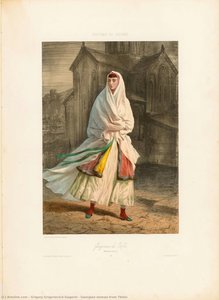
Circassian Warrior: A Vision of Caucasus Spirit
Grigory Gagarin’s “Circassian Warrior” transcends mere depiction; it embodies the spirit of the Caucasian highlands during the mid-nineteenth century—a period marked by simmering tensions between Russia and Circassian tribes. Painted in 1855, this artwork isn't simply a portrait of a warrior but a carefully crafted symbol reflecting the broader socio-political landscape of the era.
- Subject Matter: The painting portrays a Circassian chieftain—a figure revered for courage and defiance—standing resolute against an implied adversary. His gaze is unwavering, conveying determination and embodying the pride of his people resisting imperial encroachment.
- Style & Technique: Gagarin employed a masterful guache technique on paper, achieving remarkable tonal depth and capturing the rugged textures of Circassian clothing and weaponry. The artist’s meticulous attention to detail—evident in the rendering of the warrior's facial features and the intricate patterns of his turban—demonstrates a commitment to realism blended with expressive artistry.
- Historical Context: Commissioned during Gagarin’s tenure as director of the Tbilisi Sioni Cathedral project, “Circassian Warrior” reflects the artistic fervor of Georgian culture under Russian rule. The cathedral itself served as a focal point for cultural revival and showcased ambitious architectural endeavors alongside artistic commissions like this one. Duma's observation about Pompey Theatre highlights Gagarin's ambition to elevate Georgian art and culture.
- Symbolism: The warrior’s posture—firmly planted on the desert sands—represents resilience and resistance against oppression. The sword symbolizes power, honor, and defense of tradition. Furthermore, the Circassian chieftain’s attire—the turban—is a potent emblem of Islamic faith and cultural identity—a visual reminder of the diverse traditions coexisting within the Caucasus region during this turbulent period.
- Emotional Impact: Gagarin's artwork evokes feelings of admiration for courage, dignity, and unwavering conviction. It captures the essence of Circassian culture—a tradition rooted in honor and defiance—and invites contemplation on themes of freedom versus subjugation. The painting’s subdued palette contributes to its contemplative mood, emphasizing the solemn grandeur of the subject matter.
This striking reproduction offers a glimpse into a pivotal moment in Caucasian history and celebrates Gagarin's artistic prowess. It is ideal for enriching interior spaces with an element of cultural heritage and inspiring collectors who appreciate masterful execution and evocative symbolism.
الأسئلة والأجوبة
هل بقيت "محارب القيرساء" في الموطن الأصلي لفنانها؟
لا - العمل الفني موجود خارج البلاد. وُلد غريغوري غريغوريفيتش غاغارين في روسيا، بينما يقع المتحف الذي يحتفظ بالنسخة الأصلية من "محارب القيرساء" في جورجيا.
في أي عام أُبدعت "محارب القيرساء" للفنان غريغوري غريغوريفيتش غاغارين؟
يعود تاريخ "محارب القيرساء" إلى عام 1855، وهو ما يضع العمل ضمن المسيرة المهنية لـ غريغوري غريغوريفيتش غاغارين وفي سياق حقبته الزمنية.
ما هو الشعور والعاطفة اللذان يعبر عنهما "محارب القيرساء" للفنان غريغوري غريغوريفيتش غاغارين؟
تتجلى الحالة المزاجية لعمل "محارب القيرساء" للفنان غريغوري غريغوريفيتش غاغارين في درامي، بينما يتمثل طابعها العاطفي في مهيب.
 معاينة الحجم الواقعي
 مشاركة
 مشاركة
 التفاصيل
 دليل
دليل

 تحميل الملف
 قطع مشابهة
 الأشعة السينية
 عرض شرائح
 الأسئلة والأجوبة
 الإحصائيات