 معاينة الحجم الواقعي
 مشاركة
 مشاركة
 التفاصيل
 دليل
دليل

 تحميل الملف
 قطع مشابهة
 الأشعة السينية
 عرض شرائح
 الأسئلة والأجوبة
 الإحصائيات
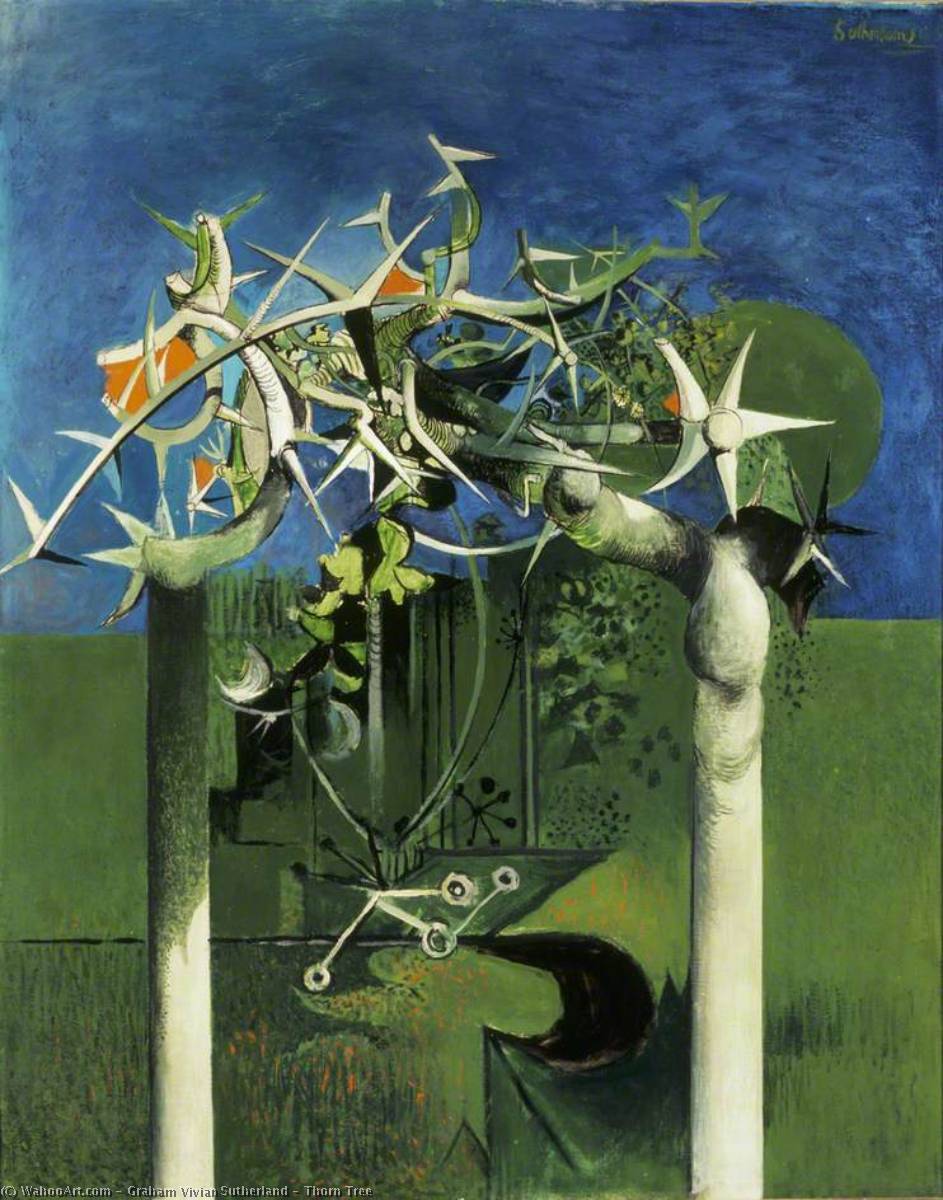
Thorn Tree

- 127.0 x 102.0 cm


 عرض المزيد
احصل على ملف جاهز للطباعة يتجاوز بمراحل جودة المعاينة عبر الإنترنت؛ فكل صورة رقمية نبيعها مستمدة من نسخة أصلية عالية الدقة في قاعدة بياناتنا — يتراوح عرضها عادةً بين 5,000 إلى 15,000 بكسل — مما يتيح لك الطباعة بأحجام كبيرة، أو الاقتصاص بدقة، أو إعادة إنتاج التفاصيل الدقيقة بكل ثقة.
لا تخرج أي صورة من استوديو الخاص بنا دون أن تمر بعملية معالجة دقيقة؛ حيث يقوم خبير رقمي بمطابقة الألوان مع اللوحة الأصلية وتصحيحها عند الضرورة، ثم يعمل على تحسين الوضوح والتفاصيل باستخدام أدوات ترميم احترافية — مع الحفاظ دائماً على أمانة نقل ضربات فرشاة الفنان وأسلوبه. والنتيجة هي صورة تبدو كأنها اللوحة ذاتها، وليست مجرد مسح ضوئي خاضع للفلاتر.
تتم عملية الاعتماد قبل الإتمام النهائي: حيث يرسل خبيرنا الصورة عبر البريد الإلكتروني في غضون 72 ساعة لمراجعتها من قبلك. هل لم تنل النتيجة إعجابك؟ يمكنك طلب تحسينات أو تصحيحات، أو طلب استرداد الأموال إذا لم تكن الجودة بالمستوى المطلوب.
هذه هي الجودة التي يعتمد عليها الناشرون، واستوديوهات التصميم، والمعارض، والمطابع.
صورة رقمية
حمّل ملفاً عالي الدقة للعرض الشخصي، والطباعة، والمشاريع الإبداعية. ( التبديل إلى نسخة مطبوعة شراء لوحة مرسومة يدويًا)
مزايا مُضمّنة مع كل طلب صورة رقمية
تسليم رقمي احترافي ومضمون
عندما تختار OriginalUniqueArt.com، فأنت لا تحصل على مجرد صورة فحسب، بل ستحصل على عمل فني رقمي مُحسّن باحترافية، صُمم بدقة متناهية ومصحوب بضمان الرضا. إليك كل ما يتضمنه طلبك تلقائياً:

تسليم سريع عبر البريد الإلكتروني
ستصلك ملفات صورك الرقمية عالية الدقة عبر البريد الإلكتروني في غضون 72 ساعة من إتمام الطلب - لتكون جاهزة للاستخدام الفوري.

ملف رقمي مُعزز بالذكاء الاصطناعي
يتم تحسين عملك الفني باحترافية باستخدام أدوات الذكاء الاصطناعي المتقدمة والتحرير اليدوي، لضمان أقصى درجات التفاصيل والوضوح ودقة الألوان.

إعادة إرسال مجانية مدى الحياة
هل حذفت ملفك أو فقدته عن طريق الخطأ؟ لا تقلق - سنعيد إرساله إليك في أي وقت، مجاناً.

بدون رسوم استيراد - على الإطلاق
استمتع بأعمالك الفنية فوراً دون أي رسوم جمركية أو ضرائب أو مصاريف شحن - فالتحميلات الرقمية دائماً ما تكون معفاة من الضرائب.

ضمان دقة الألوان
نضمن لك دقة انعكاس الألوان الأصلية في صورتك الرقمية بأقصى قدر ممكن، وذلك باستخدام أدوات احترافية وتقنيات متطورة لإدارة الألوان.

ضمان الرضا لمدة 100 يوم
إذا لم تكن راضياً عن صورتك الرقمية، فسنقوم بتعديلها أو استرداد 100% من قيمتها خلال 100 يوم - دون طرح أي أسئلة.

ضمان استرداد نقدي بنسبة 100%
لم تكن راضياً؟ استرد كامل المبلغ خلال 100 يوم من استلام ملفك الرقمي - دون طرح أي أسئلة.

خصومات الطلبات الكبيرة
اشتري 3 صور، ووفر 10% - اشتري 5، ووفر 15% - اشتري +10، ووفر 20%. مثالية للمشاريع الإبداعية، والمعارض، والوكالات.
A Vision of Verdant Mystery: Graham Vivian Sutherland’s “Thorn Tree”
Graham Vivian Sutherland's "Thorn Tree," painted in 1946, isn’t merely a landscape; it’s an immersion into the heart of Pembrokeshire’s rugged beauty, filtered through the uniquely perceptive eye of one of Britain’s most significant modern artists. This oil on canvas work transcends simple representation, offering instead a deeply layered exploration of nature's inherent strangeness and the quiet drama of the natural world. Sutherland, a master of Neo-Romanticism, skillfully blends the traditional English landscape tradition with the subtle influences of Surrealism and Expressionism – a combination that resulted in powerfully evocative and often unsettling images.
The painting immediately draws the viewer into a dense, almost claustrophobic woodland scene. Towering trees dominate the composition, their branches intertwining to create a complex network of shadows and light. The leaves themselves are rendered with meticulous detail, yet they possess an unnerving quality – not quite realistic, but hinting at something beyond the purely botanical. Birds, perched precariously amongst the foliage, add to the sense of unease and suggest a hidden life within this seemingly still landscape. Sutherland’s use of color is particularly striking; predominantly greens—ranging from deep emerald to muted olive—create an atmosphere of both lushness and melancholy. Subtle hints of brown and grey ground the scene, anchoring it in the earth while simultaneously emphasizing its isolation.
The Painter's Process: Technique and Style
Sutherland’s technique is characterized by a remarkable sensitivity to light and texture. He employed a broken brushstroke method, layering thin washes of paint to build up form and create a shimmering effect that captures the dappled sunlight filtering through the trees. The canvas itself appears almost alive with movement – not in a frenetic way, but rather through the careful manipulation of color and tone. The painting’s surface is rich with impasto—thickly applied paint—particularly around the branches and leaves, giving them a tangible presence. This tactile quality invites the viewer to reach out and touch the scene, blurring the line between observation and participation.
Notably, Sutherland's work during this period reflects his deep connection to Pembrokeshire, a region he revisited repeatedly throughout his career. He wasn’t simply documenting the landscape; he was attempting to capture its essence—its mood, its mystery, and its inherent sense of solitude. The painting embodies a shift in artistic focus away from purely representational art towards a more subjective interpretation of reality.
Symbolism and Interpretation
“Thorn Tree” is rich with symbolic potential. The thorns themselves are a potent motif—representing both defense and pain, beauty and danger. They suggest a world where nature isn’t always benevolent, but rather holds its own secrets and challenges. The birds, often associated with freedom and spirituality, seem trapped within the dense foliage, hinting at a longing for escape. The overall composition can be interpreted as an allegory of the human condition—a struggle to find meaning and connection in a world that is both beautiful and unsettling.
Furthermore, the painting’s creation coincided with post-war Britain, a period marked by uncertainty and social upheaval. Sutherland's exploration of nature’s complexities can be seen as a reflection of this broader sense of disorientation—a search for stability and meaning amidst chaos. The painting’s enduring appeal lies in its ability to resonate with viewers on multiple levels, prompting contemplation about the relationship between humanity and the natural world.
A Timeless Masterpiece: Reproduction and Display
"Thorn Tree" is a captivating work that would be an exceptional addition to any art collection or interior space. Reproductions of this painting capture much of its original power, offering a way to bring Sutherland’s vision into your home. When selecting a reproduction, consider the quality of the print and the canvas material—a fine-art giclée on archival canvas will best preserve the artwork's colors and detail. The painting’s evocative atmosphere would complement a variety of interior styles, from modern minimalist spaces to more traditional settings. Its subtle color palette and complex composition create a focal point that invites contemplation and adds a touch of understated elegance to any room.
الأسئلة والأجوبة
ما هو المكان الأنسب لتعليق "Thorn Tree" للفنان غراهام فيفيان ساذرلاند؟
يُنصح بتنسيق Portrait لعمل "Thorn Tree" للفنان غراهام فيفيان ساذرلاند في Living Room؛ حيث يساهم كل من التنسيق والمساحة معاً في تحديد الطريقة الأمثل لتعليق النسخة المطبوعة.
أين يمكنني العثور على دليل لـ "Thorn Tree"؟
يُعد دليل "Thorn Tree" صفحة دليل تعليمي الخاصة بالعمل الفني؛ وهي ورقة حقائق قابلة للطباعة تستعرض العمل الفني مع شرحه، وسطر الائتمان، وجدول البيانات التعريفية (الفنان، التواريخ، الوسيط، الحجم الأصلي، والمجموعة).
ما هي الاستخدامات الموصى بها لنسخة مطبوعة من "Thorn Tree"؟
يُقترح استخدام "Thorn Tree" للفنان غراهام فيفيان ساذرلاند لـ Statement، كما يمكن توظيفه لأغراض أخرى أيضاً.
السيرة الذاتية للفنان
المناظر الطبيعية الرؤيوية لغراهام فيفيان ساذرلاند
امتلك غراهام فيفيان ساذرلاند، أحد عمالقة الحداثة البريطانية، قدرة نادرة على تحويل الخطوط المألوفة للعالم الطبيعي إلى شيء مثير للقلق بعمق وروحاني للغاية. ولد ساذرلاند في ستريثام بلندن عام 1903، وكانت رحلته عبارة عن تحول مستمر؛ فبينما شكلت سنواته الأولى تعليماً كلاسيكياً في كلية إبسوم، ظهرت دعوته الحقيقية بعيداً عن الدوائر القانونية لعائلته. لقد وفرت بدايته التقنية من خلال فترة تدريب في ورش قاطرات سكك حديد ميدلاند أساساً من الدقة التي تجلت لاحقاً في أعماله المعقدة في فن الطباعة ولوحاته الزيتية ذات الملمس الغني. ومع انتقاله إلى مدرسة غولدسميث للفنون، بدأ ساذرلاند يبتعد عن التمثيل التقليدي، ليجد نفسه منجذباً إلى القوة الإيحائية لفني الحفر والتحزيز.
كانت الجماليات المبكرة للفنان متجذرة بعمق في الرومانسية التي ميزت صمويل بالمر، ومع ذلك رفض البقاء مقيداً بالماضي. بدلاً من ذلك، عمل ساذرلاند كجسر يربط بين التقاليد الريفية الإنجليزية والطاقة الراديكالية لحركات الطليعة الأوروبية. ومن خلال استيعاب المنطق الحلمي للسريالية والعاطفة الخام للتعبيرية، طور لغة بصرية يمكنها التقاط كل من المشهد الطبيعي والحالة النفسية في آن واحد. وقد وضعت مطبوعاته الأولى، التي تميزت بالإحساس بالغموض والشكل العضوي، حجر الأساس لمسيرة مهنية اتسمت بالهوس بـ "غرابة" الطبيعة—وهو الموضوع الذي أصبح إرثه الأكثر ديمومة.
ظلال الطبيعة وسنوات الحرب
مثلت فترة الأربعينيات حقبة محورية في تطور ساذرلاند، حيث انتقل تركيزه من الوسيط الرقيق لفن الطباعة إلى الملامس الزيتية الكثيفة والمؤثرة. وخلال هذه الفترة، أصبحت المناظر الطبيعية الوعرة والمواجهة للرياح في بيمبروكشير ملهمته الأساسية. وفي أعمال مثل شجرة الشوك، يمكن للمرء أن يشهد براعة الفنان في مزج الواقع النباتي مع التشويه السريالي؛ فهو لم يكتفِ برسم الأشجار فحسب، بل رسم التوتر والصراع والهيكل العظمي للحياة ذاتها. شهدت هذه الفترة انتقاله نحو أسلوب رؤية أكثر تجريداً ورمزية، حيث عملت الأشواك والجذور والأغصان الملتوية كاستعارات للضعف البشري والقدرة على الصمود.
جلبت الحرب العالمية الثانية بعداً مختلفاً وأكثر كآبة إلى أعماله. فبصفته فناناً رسمياً للحرب، وجه ساذرلاند نظره نحو المشاهد الصناعية والموحشة للجبهة الداخلية البريطانية. وتعد لوحاته من تلك الحقبة، مثل مستودع القنابل الطائرة: الكهوف، دروساً احترافية في خلق الأجواء؛ فمن خلال الملامس الثقيلة ولوحة الألوان التي تستحضر التحلل والرهبة، استطاع التقاط الوحشة المرعبة للمساحات الداخلية في زمن الحرب. لم تكن هذه الأعمال مجرد توثيق، بل كانت بورتريهات نفسية لعصر اتسم بالقلق والوجود المتربص للدمار، مما يعكس الواقع المتصدع لعالم يرزح تحت وطأة الحرب.
إرث من الرمزية والعظمة
في سنوات ما بعد الحرب، ارتقت أعمال ساذرلاند إلى آفاق جديدة من الأهمية الروحية والعامة. بدأ في دمج الرموز الدينية مع زخارفه العضوية، مما خلق توليفاً قوياً بين المقدس والطبيعي. وتوج ذلك بواحد من أعظم إنجازاته: تصميم النسيج المركزي الضخم لكاتدرائية كوفنتري الجديدة، بعنوان المسيح في المجد في التترامورف. هذا العمل، الذي استغل قدرته على تطويع الشكل واللون على نطاق واسع، يقف شاهداً على دوره في إعادة الإعمار الثقافي لبريطانيا ما بعد الحرب.
طوال مسيرته الحافلة، سمحت له تعددية مواهبه بترك بصمة لا تُمحى عبر تخصصات متعددة:
- فن البورتريه: قدرته على التقاط العمق النفسي للشخصيات العامة، مثل لوحته المهيبة والمكتئبة لـ سومرسيت موغام.
- الفنون الزخرفية: مساهماته في تصميم المنسوجات وفن الزجاج، حيث جلب التجريد الحديث إلى عالم الجمال الوظيفي.
في نهاية المطاف، يظل غراهام ساذرلاند حجر زاوية في فن القرن العشرين لأنه تجرأ على النظر تحت سطح المشهد الطبيعي؛ فقد وجد السريالية داخل الواقع، والإلهام الإلهي داخل الكائنات العضوية. إن إرثه لا يوجد فقط في المتاحف، بل في الطريقة التي ندرك بها الجمال الخفي، والمسنن أحياناً، للعالم من حولنا—عالم حيث تحمل كل شوكة قصة، ويحتوي كل ظل على لغز.

غراهام فيفيان ساذرلاند
1903 - 1980 , المملكة المتحدة
لمحة سريعة
- Artistic Movement Or Style: السريالية
- Artists Or Movements Influenced By This Artist: ['بول ناش']
- Artists Who Influenced This Artist:
- صمويل بالمر
- إف. إل. غريغز
- Date Of Birth: 24 أغسطس 1903
- Date Of Death: 17 فبراير 1980
- Full Name: غراهام فيفيان ساذرلاند
- Nationality: بريطاني
- Notable Artworks:
- مستودع القنبلة الطائرة
- مدخل ممر
- Place Of Birth: لندن، إنجلترا