معاينة الحجم الواقعي
 إرسال
إرسال مشاركة
 عرض التفاصيل
 دليل الأعمال الفنية للطلاب

 تحميل
تحميل
 قطع مشابهة
 الأشعة السينية
 عرض شرائح متتابع
 الإحصائيات
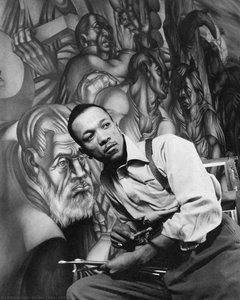
Untitled, Harlem, New York


 اقرأ المزيد
إن العمل الفني المعروض في هذه الصفحة محمي بموجب قوانين حقوق الطبع والنشر، مما يعني أنه لا يحق لنا قانوناً إنشاء أو بيع نسخ مطابقة له. وتُطبق هذه الحماية بموجب الاتفاقيات الدولية مثل الـ اتفاقية برن ووفقاً للقوانين الوطنية، بما في ذلك تلك المنصوص عليها في قانون حقوق الطبع والنشر في الولايات المتحدة - الباب 17.
تتوافق هذه الطريقة تماماً مع لوائح حقوق النشر لأنها لا تتضمن نسخ أو تكرار العمل الفني المحمي، بل هي إعادة تفسير إبداعية؛ أي أنها لوحة جديدة مستوحاة من الأصل ولكنها ليست مطابقة له.
طباعة جيلي / مطبوعات فنية
طباعة جيكلي أو كانفاس بجودة المتاحف، مع سرعة في التنفيذ وخيارات متنوعة للتشطيب. ( اطلب نسخة مرسومة يدويًا التحويل إلى الصورة الرقمية)




P118B E£10

P118H E£10

P118W E£10

P438Z E£10

P508JH E£12

P508YH E£12

P805H E£10

P805Z E£10

P919BZ E£10

P919G E£10

P919XJ E£10

P959ZH E£10

P968JZ E£12

W106C E£8

W218G E£10

W218JH E£8

W218Y E£10

W307PJ E£10

W316G E£10

W316PJ E£8

W316Y E£10

W398PJ E£8

W4111J E£10

W500HY E£15

W500JH E£15

W692G E£12

W849H E£8

W940BG E£15

W953PJ E£8




اختر من بين أحجامنا المُعدّة مسبقاً والتي تتوافق مع النسب الأصلية للعمل الفني.

أدخل العرض والارتفاع اللذين تحتاجهما، ليتناسب مع إطارك أو جدارك. يمكن قص المطبوعة فقط، ولا يمكن أبداً جعلها أكبر من الصورة الأصلية، لذا فإن أي مقاس بشكل مختلف سيؤدي إلى فقدان جزء من الصورة. سنرسل لك نموذجاً رقمياً تجريبياً لاعتماده قبل البدء في عملية الطباعة. الصورة المعروضة في هذه الصفحة لا توضح القص الفعلي — النموذج التجريبي فقط هو ما يظهر ذلك.
توصيل عالمي إلى خلال أسبوعين بدلاً من المدة القياسية البالغة 4/5 أسابيع. (26 أكتوبر)

شحن سريع ومجاني لجميع أنحاء العالم

قماش كتان فاخر

تأمين شامل على الشحن

ضمان استرداد الرسوم الجمركية

ضمان دقة مطابقة الألوان

سياسة الإرجاع خلال 100 يوم (في حالات العيوب فقط)

ضمان استرداد نقدي بنسبة 100%

عرض خصم الكميات
 خيار الزجاج متاح فقط للمقاسات التي تقل عن 110 سم

Untitled, Harlem, New York
طباعة جيلي / مطبوعات فنية
مقاس النسخة المطبوعة
-


إجمالي السعر
E£ 4137
Gordon Parks: A Poetic Lens on American Life – Photography, Social Justice & Storytelling
Gordon Parks’ legacy transcends mere photography; it embodies a profound commitment to documenting the human experience with unflinching honesty and artistic sensitivity. Born in Fort Scott, Kansas, in 1912, Parks navigated early life marked by segregation, shaping his worldview and fueling an unwavering dedication to capturing the realities of marginalized communities.
- Early Career & Life Experiences: Parks began his photographic journey independently, honing his skills through self-teaching and immersing himself in the vibrant culture of Harlem during the Jazz Age. These formative years instilled a deep understanding of social dynamics and fueled his desire to portray them authentically.
- Life Magazine’s Groundbreaking Projects: Parks achieved international renown as the first African American photographer for Life magazine, embarking on ambitious projects aimed at confronting issues of poverty and racial injustice. His images of migrant families in Oklahoma City and Harlem powerfully conveyed empathy and challenged prevailing societal prejudices.
- Notable Films & Artistic Vision: Beyond photography, Parks transitioned into filmmaking with films like “Shaft” (1971) and “The Learning Tree” (1969), exploring themes of identity, education, and overcoming adversity. His cinematic style blended documentary realism with lyrical storytelling, cementing his reputation as a multifaceted artist.
- Iconic Photographs: Parks’ photographic masterpieces—including “Harlem Gang Leader,” “Waiting for the Train,” and “The Negro Family”—remain enduring symbols of American social history. These images capture fleeting moments of everyday life, imbued with emotional depth and conveying narratives that resonate across generations.
“Harlem Gang Leader,” taken in 1948, exemplifies Parks’ distinctive approach—a masterful blend of composition, lighting, and storytelling. The photograph depicts a young Harlem man leaning out of a broken window, bathed in dramatic light, capturing a poignant tableau of vulnerability and resilience. Parks' deliberate use of lines—straight windows framing the scene—creates geometric stability against the backdrop of urban decay.
The image’s symbolism extends beyond its immediate depiction; it speaks to broader themes of isolation and aspiration. The cigarette symbolizes contemplation amidst hardship, while the broken window represents vulnerability and a barrier between the individual and the outside world. Parks' meticulous attention to detail—the texture of the wood, the man’s gaze—elevates the photograph into a powerful statement about human dignity.
Gordon Parks’ artistic vision wasn’t merely about recording events; it was about illuminating humanity’s capacity for compassion and confronting uncomfortable truths. His photographs continue to inspire dialogue and provoke reflection on issues of social justice, solidifying his place as one of the most influential artists of the 20th century.
Technical Aspects & Artistic Style
Parks employed traditional film photography techniques—primarily utilizing Kodak Tri-X emulsion—to achieve a distinctive tonal range and textural richness. Post-processing adjustments focused on enhancing contrast and maximizing detail, preserving the authenticity of the original image while amplifying its visual impact. The resulting photographs possess a characteristic graininess that lends them an immediacy and tactile quality.
- Film Emulsion: Kodak Tri-X emulsion was favored for its ability to capture subtle nuances in light and shadow, producing images with exceptional tonal depth.
- Lighting Techniques: Parks skillfully utilized directional lighting—often employing a single window source—to sculpt dramatic shadows and highlight textures, emphasizing the subject’s face and creating an atmosphere of melancholy.
- Composition & Framing: Parks' compositions prioritized central symmetry and geometric balance, reinforcing the photograph’s visual stability while directing the viewer’s gaze toward key elements within the frame.
Parks’ artistic style is characterized by documentary realism combined with lyrical storytelling—a deliberate effort to convey empathy and challenge societal prejudices. His images resonate with a timeless quality, capturing fleeting moments of human experience that transcend temporal boundaries.
Historical Context & Societal Significance
“Harlem Gang Leader” emerged during the Great Depression, reflecting the pervasive anxieties surrounding economic hardship and social instability. Parks’ photograph served as a powerful indictment of systemic inequalities—a visual testament to the struggles faced by African Americans in navigating daily life amidst discrimination.
- The Great Depression: The photographic project coincided with the economic downturn of the 1930s, capturing the palpable sense of despair and uncertainty that gripped Harlem’s residents.
- Civil Rights Movement Influence: Parks' work profoundly impacted the burgeoning Civil Rights Movement—inspiring activists to confront injustice head-on and advocating for greater social equality.
- Documentary Photography Legacy: Parks established a precedent for documentary photography as a tool for fostering understanding and promoting empathy—demonstrating the transformative power of visual storytelling in shaping public opinion.
Gordon Parks’ enduring legacy rests on his unwavering commitment to portraying human experience with compassion and integrity. “Harlem Gang Leader,” alongside his other iconic images, continues to inspire dialogue and provoke reflection on issues of social justice—affirming Parks' place as a visionary artist who championed the pursuit of a more equitable world.
الأسئلة والأجوبة
كيف يتجلى التباين والانسجام في "Untitled, Harlem, New York"؟
تجمع التكوينات اللونية في "Untitled, Harlem, New York" للفنان غوردون باركس بين تباين Statement وتناغم Strong Color Unity.
من الذي أبدع "Untitled, Harlem, New York" وفي أي عام؟
أبدع غوردون باركس لوحة "Untitled, Harlem, New York" في عام 1948.
إلى أي مرحلة من مسيرة غوردون باركس المهنية تعود تاريخ 1948 لعمل "Untitled, Harlem, New York"؟
تعد لوحة "Untitled, Harlem, New York"، التي أُبدعت في عام 1948، من أعمال حقبة Early Period في مسيرة غوردون باركس الفنية.
نبذة عن الفنان
البدايات والمسيرة المهنية
غوردون روجر ألكسندر بوكانان باركس، ذلك الفنان الأمريكي المتعدد المواهب كمصور وموسيقي وكاتب ومخرج سينمائي، أبصر النور في الثلاثين من نوفمبر عام 1912 في مدينة فورت سكوت بولاية كانساس. كان أصغر أبناء عائلة مكونة من خمسة عشر طفلاً لوالديه سارة (المولودة باسم روس) وجاكسون باركس. وقد اتسمت سنوات حياته الأولى بمرارة الفصل العنصري، وهي التجربة التي عاش تفاصيلها القاسية في مسقط رأسه.وبصفته فناناً عصامياً، استهل باركس مسيرته المهنية من خلال عدسة الكاميرا، ليحقق إنجازاً تاريخياً كأول أمريكي من أصل أفريقي يعمل في مجلتي "لايف" و"فوج". وتظل صوره الأيقونية للأمريكيين الفقراء خلال فترة الأربعينيات، والتي التقطها ضمن مشروع حكومي فدرالي، شاهداً حياً على براعته الاستثنائية وتفانيه العميق في توثيق الواقع.
أعمال وإنجازات بارزة
- فيلم شافت (1971)، وهو العمل السينمائي الذي أخرجه باركس وأصبح ظاهرة ثقافية واسعة النطاق.
- شجرة التعلم (1969)، الفيلم الذي يحمل طابعاً شبه ذاتي وكان بمثابة الانطلاقة الإخراجية لباركس.
- خيار الأسلحة (1985)، وهو مذكرات أدبية تستعرض قدراته الكتابية الفذة.
- المقالات المصورة في مجلة "لايف"، التي رسخت مكانة باركس كصحفي مصور مرموق.
المتاحف والمجموعات الفنية
- مجموعة ميلفين هولمز، التي تضم تشكيلة واسعة من أعمال باركس. [https://www.holmesartgallery.com/gordonparks](https://www.holmesartgallery.com/gordonparks)
- متحف الفن الحديث (MoMA)، الذي يحتضن مجموعة مبهرة من صور باركس الفوتوغرافية. [https://www.moma.org/artists/8083](https://www.moma.org/artists/8083)
الجوائز والإرث الفني
- جائزة صورة NAACP (2003)
- جائزة أوسكار ميتشو PGA (1993)
- الوسام الوطني للفنون (1988)
- ميدالية سبينغارن (1972)
إن إرث غوردون باركس يتجاوز حدود أعماله الفنية المذهلة، فقد كان بمثابة من مهد الطريق للأجيال القادمة من الفنانين الأمريكيين من أصل أفريقي. وتستمر مساهماته في مجالات الصحافة المصورة، وصناعة الأفلام، والموسيقى في إلهام والتأثير في الفنانين حتى يومنا هذا.
أعمال مختارة على OriginalUniqueArt.com
- الرجل الصاعد (طباعة جيلاتين فضية)، صورة فوتوغرافية قوية تجسد مهارة باركس الفنية. [https://OriginalUniqueArt.com/d3xgfc-gordon-parks-emerging-man](https://OriginalUniqueArt.com/d3xgfc-gordon-parks-emerging-man)
- بورتريه السيدة لوسي جونسون (طباعة جيلاتين فضية)، لوحة فوتوغرافية مؤثرة تبرز قدرته العالية على سرد القصص من خلال الصورة. [https://OriginalUniqueArt.com/d4dblu-gordon-parks-portrait-of-mrs-lucy-johnson](https://OriginalUniqueArt.com/d4dblu-gordon-parks-portrait-of-mrs-lucy-johnson)

غوردون باركس
1912 - 2006 , الولايات المتحدة الأمريكية
لمحة سريعة
- Artistic Movement Or Style: الصحافة المصورة، الواقعية الاجتماعية
- Artists Or Movements Influenced By This Artist: أجيال المستقبل من الفنانين الأمريكيين من أصل أفريقي
- Date Of Birth: 30 نوفمبر 1912
- Date Of Death: 7 مارس 2006
- Full Name: غوردون روجر ألكسندر بوكانان باركس
- Nationality: أمريكي
- Notable Artworks:
- Shaft
- The Learning Tree
- Emerging Man
- Harlem Gang Wars
- Night Rumble
- Place Of Birth: فورت سكوت، الولايات المتحدة الأمريكية
مقالات ذات صلة

Monochrome Visions: Exploring the Aesthetic & Historical Significance of Black & White Photography
Explore the rich history & artistic power of black and white photography. From early techniques to iconic masters like Ansel Adams, discover why monochrome continues to captivate art lovers today. Expert insights for collectors.
Shadow & Soul: Why Black & White Photography Remains the Ultimate Power Move in Modern Art
Discover why black & white photography remains a powerful force in contemporary art. Explore the impact of light, shadow, and texture through a visual journey of monochrome mastery and learn how to elevate your space with timeless grayscale aesthetics.
Gordon Parks: A Poetic Lens on American Life – Photography, Social Justice & Storytelling
Explore the profound work of Gordon Parks, a groundbreaking photographer who documented American life with unparalleled empathy and artistry. Discover his iconic images & lasting impact on social justice through Life magazine & beyond.

White on Canvas: 10 Masterpieces & Timeless Elegance for Your Home Decor
Explore 10 iconic white paintings by Monet, Whistler & Rothko! Discover the stories behind these serene masterpieces and their impact on art history. Find museum-quality reproductions for your home decor at .
Witnessing History Through Lens & Light: Documentary Photography's Enduring Legacy
Explore the powerful history of documentary photography – from its origins to contemporary masters like Gordon Parks & W. Eugene Smith. Discover how this art form shapes our understanding of society and witness pivotal moments in time.