 معاينة الحجم الواقعي
 مشاركة
 مشاركة
 التفاصيل
 دليل
دليل

 تحميل الملف
 قطع مشابهة
 الأشعة السينية
 عرض شرائح
 الأسئلة والأجوبة
 الإحصائيات
Baptism

- 127.0 x 95.0 cm


 عرض المزيد
طباعة جيلي / مطبوعات فنية
طباعة جيكلي أو كانفاس بجودة المتاحف، مع سرعة في التنفيذ وخيارات متنوعة للتشطيب. ( شراء لوحة مرسومة يدويًا الانتقال إلى الصورة الرقمية)




P118B E£10

P118H E£10

P118W E£10

P438Z E£10

P508JH E£12

P508YH E£12

P805H E£10

P805Z E£10

P919BZ E£10

P919G E£10

P919XJ E£10

P959ZH E£10

P968JZ E£12

W106C E£8

W218G E£10

W218JH E£8

W218Y E£10

W307PJ E£10

W316G E£10

W316PJ E£8

W316Y E£10

W398PJ E£8

W4111J E£10

W500HY E£15

W500JH E£15

W692G E£12

W849H E£8

W940BG E£15

W953PJ E£8




اختر من بين أحجامنا المُعدّة مسبقاً والتي تتوافق مع النسب الأصلية للعمل الفني.

أدخل العرض والارتفاع المطلوبين ليتناسب المقاس مع إطارك أو جدارك. يرجى الملاحظة أن المطبوعة يمكن قصها فقط ولا يمكن تكبيرها لتتجاوز أبعاد الصورة الأصلية، لذا فإن اختيار مقاس بأبعاد مختلفة سيؤدي إلى فقدان جزء من الصورة. سنرسل لك نموذجاً رقمياً تجريبياً لاعتماده قبل البدء في عملية الطباعة. الصورة المعروضة في هذه الصفحة لا توضح شكل القص الفعلي — النموذج التجريبي فقط هو ما يظهر ذلك بدقة.
توصيل عالمي إلى خلال أسبوعين بدلاً من المدة القياسية البالغة 4/5 أسابيع. (5 نوفمبر)

شحن سريع ومجاني لجميع أنحاء العالم

قماش كتان عالي الجودة

تأمين شامل على الشحن

ضمان استرداد الرسوم الجمركية

ضمان مطابقة الألوان الحقيقية

سياسة الإرجاع خلال 100 يوم (في حالات العيوب فقط)

ضمان استرداد نقدي بنسبة 100%

خصم عند طلب كميات
 خيار الزجاج متاح فقط للمقاسات التي تقل عن 110 سم

Baptism
طباعة جيلي / مطبوعات فنية
مقاس النسخة المطبوعة
-


إجمالي السعر النهائي
E£ 4241
Giuseppe Maria Crespi’s “Baptism”: A Window into Bolognese Baroque Life
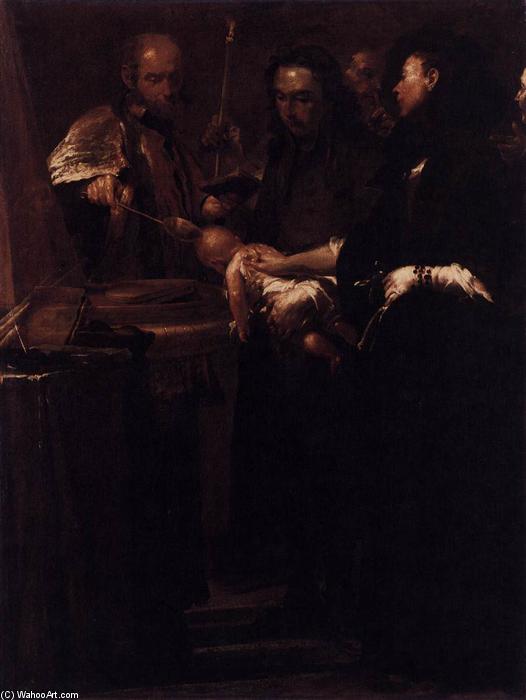
Giuseppe Maria Crespi's "Baptism," completed in 1712, isn’t merely a depiction of a religious ceremony; it’s a remarkably intimate portrait of human interaction and the subtle dramas unfolding within a seemingly ordinary scene. Housed at the Gemäldegalerie in Dresden, Germany, this oil on canvas offers a captivating glimpse into the world of 18th-century Bologna, revealing a painter who defied convention and prioritized capturing the essence of everyday life with an unparalleled sensitivity.
Crespi, nicknamed “Lo Spagnuolo” for his penchant for fashionable Spanish attire, was a revolutionary figure in Bolognese art. Unlike many of his contemporaries who flocked to Rome, he remained rooted in his hometown, forging a unique style that blended religious subjects with scenes of domestic life – a bold move at the time. "Baptism" exemplifies this approach; it’s not an idealized representation of faith but a grounded observation of a pivotal moment within a family and community. The painting immediately draws the eye to the central figures: a baby being baptized by a priest, framed against a backdrop of muted colors and carefully orchestrated light.
Composition and Symbolism: Layers of Meaning
The composition is masterfully balanced, guiding the viewer’s gaze through the scene with subtle yet effective techniques. The priest, positioned slightly to the left, holds aloft a holy book and a cross – potent symbols of his role in the sacrament. His gesture is deliberate, conveying both solemnity and compassion. Beside him stands a woman, likely the child's mother or another significant female figure, dressed in a simple black gown with elegant white gloves; her posture suggests quiet reverence and perhaps a touch of maternal concern. To the right, two men observe the ceremony, one holding a candle – a visual representation of illumination and purity – while the other consults a book, possibly referencing scripture or reflecting on the significance of the event.
Beyond these immediate figures, the background contributes significantly to the painting’s layered symbolism. The dark room, punctuated by a window allowing natural light to stream in, creates a dramatic contrast between light and shadow – a technique known as chiaroscuro. This isn't simply an aesthetic choice; it emphasizes the central figures, drawing attention to their emotions and actions while simultaneously hinting at the mysteries of faith. The architectural details, though understated, contribute to the overall sense of realism and grounding the scene in a specific time and place.
Technique and Artistic Style: A Masterclass in Observation
Crespi’s skill lies not just in his ability to depict figures accurately but in his remarkable capacity for observation. He captures the nuances of human expression – the furrowed brow, the gentle smile, the attentive gaze – with astonishing realism. The brushstrokes are loose and expressive, contributing to a sense of immediacy and spontaneity. The use of color is restrained, favoring muted tones that allow the figures and their emotions to take center stage. Crespi’s mastery of chiaroscuro further enhances this effect, creating a dynamic interplay between light and shadow that adds depth and drama to the scene.
Furthermore, the painting reflects the Baroque style prevalent in Bologna during the early 18th century – characterized by dramatic lighting, rich textures, and an emphasis on emotional intensity. However, Crespi departs from traditional Baroque conventions by focusing on everyday life rather than grand historical or mythological subjects. This shift marked a significant departure from established artistic norms and solidified his reputation as a groundbreaking artist.
A Window into the Soul: Emotional Resonance
"Baptism" is more than just a depiction of a religious ceremony; it’s a poignant meditation on family, faith, and the enduring mysteries of life. The painting's quiet intimacy invites viewers to contemplate the significance of this pivotal moment in a child’s life – a moment that marks not only their entry into the Christian community but also the beginning of a lifelong journey of faith and understanding. The subtle expressions of the figures, combined with Crespi’s masterful use of light and shadow, evoke a powerful sense of emotion—a blend of reverence, hope, and quiet joy. It's a testament to Crespi’s ability to capture the essence of human experience and transform it into a timeless work of art.
الأسئلة والأجوبة
هل "Baptism" للفنان جوزيبي ماريا كريسپي ضمن الملكية العامة؟
تندرج لوحة "Baptism" للفنان جوزيبي ماريا كريسپي ضمن نطاق ملك عام - انتهت مدة حماية حقوق الطبع والنشر الخاصة به، وتحدد هذه الحالة الشروط التي يمكن بموجبها إعادة إنتاج صورة العمل الفني.
ما هو اللون السائد في تكوين "Baptism" للفنان جوزيبي ماريا كريسپي؟
اللون الأكثر بروزاً في "Baptism" هو Black (#0d080f)؛ ويُعد اللون السائد مفيداً عند تنسيق العمل الفني مع التصميم الداخلي.
ما هي الموضوعات التي يتناولها "Baptism" للفنان جوزيبي ماريا كريسپي؟
تتضمن الموضوعات المتضمنة في "Baptism" للفنان جوزيبي ماريا كريسپي كلاً من religion, baptism, ceremony, spirituality, family, light, shadow, symbolism، والتي تلخص مجتمعةً فحوى العمل الفني.
السيرة الذاتية للفنان
أصالة بولونية: حياة وفن جوزيبي ماريا كريسپي
كان جوزيبي ماريا كريسپي، المعروف بمودة باسم "لو سبانيولو" – أي الإسباني – حالة استثنائية وساحرة ضمن مشهد الباروك الإيطالي. ولد في بولونيا عام 1665، ولم يكن لقبه نابعاً من أصوله العرقية، بل من ولعه بالملابس الضيقة التي كانت رائجة في إسبانيا آنذاكس؛ وهو خيار في المظهر كان يلمح إلى الروح المستقلة التي كانت تغلي تحت سطح هذا الفنان الفذ. بدأت رحلة كريسپي بتلمذة تقليدية، أولاً تحت يد أنجيلو ميشيل توني ثم دومينيكو ماريا كانوتي، حيث امتص التقنيات التأسيسية للرسم البولوني. ومع ذلك، فقد قاوم إغراء روما عندما دعاه كارلو ماراتي، مفضلاً بدلاً من ذلك شق مساره الخاص، وهو المسار الذي سيعيد في نهاية المطاف تعريف فن المشاهد اليومية ويقدم لمحة حميمية مذهلة عن الحياة اليومية.الخروج عن التقاليد: بزوغ رؤية جديدة
اتسم النتاج الفني لكريسپي بتنوع ملحوق، حيث شمل اللوحات الدينية، والبورتريهات، والرسومات المحفورة المستوحاة من أساتذة مثل رامبرانت وسالفاتور روزا. ومع ذلك، فإن ما يجعله يحتفى به اليوم هو مشاهد الحياة اليومية التي رسمها – وهي تصوير لأشخاص عاديين منخرطين في أنشطة مألوفة. مثّل هذا التركيز تحولاً كبيراً عن التقاليد الأكاديمية السائدة التي كانت تفضل الموضوعات التاريخية أو الأسطورية؛ فلم يكن مهتماً بالسرديات الكبرى أو الأشكال المثالية، بل وجه انتباهه نحو الحياة التي تتكشف من حوله: نساء يغسلن الأطباق، عائلات تتشارك الوجبات، وأطفال يلعبون. لم تكن هذه مجرد تمثيلات للحياة اليومية، بل كانت مشبعة بعمق نفسي وواقعية لم يسبق لها مثيل. وتميز أسلوبه بضبط متعمد في الألوان وضربات الفرشاة، مستخدماً لوحة ألوان محدودة بمهارة حكيمة، رغم أن بعض النقاد لاحظوا نقصاً في القوة الجسدية في تطبيقه الفني. ومع ذلك، ساهمت هذه الرقة في تعزيز التأثير العاطفي لمشاهده، مما جذب المشاهدين إلى الدراما الهادئة للوجود المنزلي.الأسرار السبعة والتأثير الخالد
بينما ضمنت لوحاته اليومية شهرته الدائمة، لا ينبغي إغفال إنجازاته الفنية الأوسع. ويعد عمل "الأسرار السبعة" عملاً محورياً، وهي سلسلة من اللوحات رُسمت حوالي عام 1712 لصالح الكاردينال أوتوبوني. أظهر هذا المشروع الطموح قدرة كريسپي على معالجة الموضوعات الدينية المعقدة بأسلوب مبتكر؛ فبدلاً من تصوير الأحداث الكتابية في إطار تاريخي بعيد، وضعها ضمن سياق عصره، مستخدماً شخصيات وأماكن معاصرة له. وكانت النتيجة سلسلة شعرت بأنها روحانية عميقة وإنسانية للغاية في آن واحد. امتد تأثيره إلى ما وراء إيطاليا؛ حيث كان معلماً لفنانين مثل جيوفاني باتيستا بيازيتا وبييترو لونغي، الذين حملوا على عاتقهم التزامه بالواقعية وفن المشاهد اليومية في البندقية. ورغم أنه أصبح أكثر انعزالاً في أواخر حياته، مكرساً نفسه بشكل أساسي للأعمال الدينية بعد وفاة زوجته عام 1722، إلا أن إرث كريسپي كفنان رائد ظل راسخاً، حتى أنه نال لقب فرسان من قبل البابا بندكت الرابع عشر في عام 1740، وهو ما يعد شهادة على مكانته الفنية وأهميته الثقافية.إرث من الواقعية والحميمية
توفي جوزيبي ماريا كريسپي في بولونيا عام 1747، تاركاً وراءه نتاجاً فنياً لا يزال يتردد صداه لدى المشاهدين حتى يومنا هذا. لقد كان مراقباً بارعاً للطبيعة البشرية، قادراً على التقاط الفروق الدقيقة للمشاعر والتجارب بحساسية مذهلة. إن لوحاته ليست مجرد قطع أثرية تاريخية؛ بل هي نوافذ تطل على حياة الناس العاديين، وتقدم لمحة خالدة عن الموضوعات العالمية للحب، والفقد، والإيمان، والوجود اليومي. وتكمن مساهمة لو سبانيولو في الفن الإيطالي في قدرته على الارتقاء بالمألوف إلى مستوى الأهمية الفنية، ليثبت أن الجمال والمعنى يمكن العثور عليهما ليس فقط في السرديات الكبرى، بل أيضاً في اللحظات الهادئة من الحياة اليومية. ويظل عمله تذكيراً قوياً بالقدرة البشرية الدائمة على الصمود، والتواصل، والسمو.استكشاف عالم كريسپي اليوم
لحسن الحظ، فإن فرص تجربة فن كريسپي بشكل مباشر وفيرة. يمكن العثور على أعماله في متاحف بارزة مثل معرض "Gemäldegalerie Alte Meister" في دريسدن، الذي يضم مجموعة "الأسرار السبعة"، ومتحف "Museo dell'Opera di Santa Croce" في فلورنسا. كما تتوفر العديد من النسخ المرممة للوحاته، مما يسمح لعشاق الفن بجلب قطعة من رؤية هذا الأستاذ البولوني إلى منازلهم. وتوفر مصادر مثل OriginalUniqueArt.com نسخاً مرممة مرسومة يدوياً بجودة عالية، مما يضمن استمرار إرث كريسپي في إلهام وجذب الجمهور للأجيال القادمة. ويمكن العثور على مزيد من الأبحاث في ويكيبيديا وبريتانيكا التي تقدم روايات مفصلة عن حياته وتطوره الفني.
جوزيبي ماريا كريسپي
1665 - 1747 , إيطاليا
حقائق سريعة
- Artistic Movement Or Style: الباروك المتأخر
- Artists Or Movements Influenced By This Artist:
- بييترو لونغي
- جي بي بيازيتا
- Artists Who Influenced This Artist:
- أنجيلو ميكيلي توني
- دومينيكو ماريا كانوتي
- Date Of Birth: 14 مارس 1665
- Date Of Death: 16 يوليو 1747
- Full Name: جوزيبي ماريا كريسبى
- Nationality: إيطالي
- Notable Artworks:
- الأسرار السبعة
- القديسة مريم المجدلية التائبة
- الاعتراف
- امرأة تغسل الأطباق
- Place Of Birth: بولونيا، إيطاليا
مقالات ذات صلة

The Enduring Legacy of Oil on Canvas: Technique, History & Aesthetic Impact
Explore the rich history & techniques of oil painting – from Renaissance masters to Impressionism. Discover pigments, layering methods, and why this timeless medium endures. Expert insights for artists & art enthusiasts.

Giuseppe Maria Crespi: Pioneering Genre Painting & the Bolognese Baroque
Explore the life & art of Giuseppe Maria Crespi, a pivotal Bolognese Baroque painter. Discover his groundbreaking genre scenes, religious works, and lasting influence on Italian art history. Learn more at OriginalUniqueArt.

The Dramatic Flourish: Exploring the Baroque Movement's Enduring Legacy in Art History
Explore the dramatic world of Baroque art! Discover iconic artists like Caravaggio & Rubens, defining techniques, and its lasting impact on art history. Expert insights for collectors & enthusiasts at OriginalUniqueArt.

دراما الباروك: إحياء الفخامة والعاطفة في الدواخل المعاصرة
اكتشف سحر الباروك! دليل شامل حول الحركة الفنية، عناصرها الجمالية، وكيفية دمج فخامتها وعاطفتها في الدواخل المعاصرة. نصائح من خبراء OriginalUniqueArt لإضفاء لمسة باروكية على منزلك.

The Enduring Power of Painting: A Historical & Contemporary Exploration of Form and Emotion
Explore the rich history & enduring techniques of oil painting with OriginalUniqueArt. Discover masterpieces, learn about art collecting, and find authentic handmade reproductions crafted by skilled artists.