

 معاينة الحجم الحقيقي
 مشاركة
 مشاركة
 التفاصيل

 تحميل الملف
 قطع مشابهة
 الأشعة السينية
 عرض شرائح
 الإحصائيات
Twelve Studies of Vesuvius
 Oil On Canvas
- WallArt
- Impressionism
 19th Century
 18.0 x 13.0 cm
 Galleria d'Arte Moderna
 عرض المزيد
طباعة جيلي / مطبوعات فنية
طباعة جيكلي أو كانفاس بجودة المتاحف، مع سرعة في التنفيذ وخيارات متنوعة للتشطيب. ( اشترِ لوحة مرسومة يدويًا الانتقال إلى الصورة الرقمية)




P118B $10

P118H $10

P118W $10

P438Z $10

P508JH $12

P508YH $12

P805H $10

P805Z $10

P919BZ $10

P919G $10

P919XJ $10

P959ZH $10

P968JZ $12

W106C $8

W218G $10

W218JH $8

W218Y $10

W307PJ $10

W316G $10

W316PJ $8

W316Y $10

W398PJ $8

W4111J $10

W500HY $15

W500JH $15

W692G $12

W849H $8

W940BG $15

W953PJ $8




اختر من بين أحجامنا المُعدّة مسبقًا والتي تتطابق مع النسب الأصلية للعمل الفني.

يمكنك إدخال أبعادك الخاصة لتناسب إطاراً أو مساحة معينة. وإذا لم يتطابق الحجم الذي اخترته مع نسب الصورة الأصلية، فسنقوم إما بقص العمل الفني أو تمديد الصورة باستخدام حافة معكوسة أو بلون مصمت. سيتم إرسال نموذج تجريبي رقمي لاعتمادك قبل بدء الإنتاج.
يرجى ملاحظة أن المعاينة على الشاشة لا تعكس عملية القص أو التمديد الفعلية؛ حيث سيوضح النموذج التجريبي فقط التكوين النهائي بدقة.
وعلى الرغم من توفر أحجام مخصصة، إلا أننا نوصي باختيار أبعاد من القائمة المحددة مسبقاً للحفاظ على النسب الأصلية.
توصيل عالمي إلى خلال أسبوعين بدلاً من المدة القياسية البالغة 4/5 أسابيع. 19 سبتمبر

شحن سريع ومجاني لجميع أنحاء العالم

قماش كتان عالي الجودة

تأمين شحن شامل

ضمان استرداد الرسوم الجمركية

ضمان مطابقة الألوان الحقيقية

سياسة الإرجاع خلال 100 يوم (في حالات العيوب فقط)

ضمان استرداد نقدي بنسبة 100%

خصم عند طلب عدة قطع
 خيار الزجاج متاح فقط للمقاسات التي تقل عن 110 سم

Twelve Studies of Vesuvius
طباعة جيلي / مطبوعات فنية
مقاس النسخة المطبوعة
-


السعر الإجمالي النهائي
$ 80
The Dramatic Ascent: De Nittis’ “Twelve Studies of Vesuvius”
Giuseppe De Nittis' "Twelve Studies of Vesuvius" isn’t merely a landscape; it’s a visceral chronicle of observation, a testament to the artist’s relentless pursuit of capturing fleeting moments and atmospheric shifts. Painted between 1871 and 1872 during a period of heightened volcanic activity on Mount Vesuvius near Naples, this series represents a pivotal moment in De Nittis' artistic evolution – a bridge between the formal constraints of academic salon painting and the burgeoning freedom of Impressionism. The artwork invites us into a world where nature’s power is both terrifying and breathtakingly beautiful, rendered with an immediacy that feels remarkably contemporary. It’s a study not just of a volcano, but of light, texture, and the very act of seeing.A Revolutionary Technique: Embracing the *Macchiaioli*
De Nittis' approach to this subject matter is deeply rooted in the principles of the *Macchiaioli*, a movement he’d initially encountered during his early career. Rejecting meticulous detail and smooth blending, the *Macchiaioli* championed bold, expressive brushstrokes – “macchie” (spots) – applied directly from the tube to the canvas. This technique is powerfully evident in "Twelve Studies of Vesuvius." Thick, visible paint strokes create a dynamic surface, conveying movement and energy. The artist deliberately avoids precise rendering, instead focusing on capturing the *impression* of the landscape: the swirling clouds, the rough texture of volcanic rock, the hazy distance. The use of unprimed wood panels further enhances this effect, allowing the grain of the wood to subtly influence the painting’s surface and adding a layer of tactile complexity.Vesuvius as a Symbol: Volcanic Power and Artistic Obsession
Mount Vesuvius wasn't simply a picturesque backdrop for De Nittis; it became an obsession, a subject he returned to repeatedly throughout his career. The volcano’s volatile nature – its periods of quiet dormancy punctuated by dramatic eruptions – mirrored the artist’s own life: marked by instability, exile, and a constant striving for recognition. The series can be interpreted as a meditation on power, both natural and artistic. De Nittis meticulously documented the changes in the landscape surrounding Vesuvius, from the billowing smoke to the shifting light, suggesting an attempt to understand and control the forces of nature through his art. The frequent ascents he undertook to paint these scenes speak to a deep engagement with the subject, almost a pilgrimage driven by artistic necessity.The Language of Light: Impressionistic Color and Atmosphere
De Nittis’ masterful use of color is central to the painting's emotional impact. He employs a palette dominated by cool blues and greys to represent the distant sky and volcanic haze, contrasted with warmer oranges and yellows in the foreground – capturing the fleeting glow of the setting sun. The colors aren’t blended smoothly; instead, they are juxtaposed and layered, creating a sense of atmospheric depth and movement. The painting is suffused with light, not as a static element, but as a dynamic force that constantly transforms the landscape. This emphasis on light and atmosphere aligns perfectly with the Impressionist aesthetic, prioritizing the subjective experience of seeing over objective representation.A Window into the Soul: Emotional Resonance
Beyond its technical brilliance, “Twelve Studies of Vesuvius” possesses a profound emotional resonance. The painting evokes feelings of awe, vulnerability, and perhaps even a touch of melancholy. The dramatic sky, the rugged terrain, and the sense of impending change create a powerful visual narrative that speaks to the human condition – our relationship with nature, our awareness of mortality, and our enduring desire to capture beauty in a fleeting moment. It’s a work that invites contemplation, prompting us to consider not only the grandeur of the landscape but also the artist's own personal journey and his profound connection to the natural world.السيرة الذاتية للفنان
جوزيبي دي نيتيس: جسر بين فن الصالون والانطباعية
يُعد جوزيبي دي نيتيس (1846-1884) شخصية محورية في تاريخ الفن الإيطالي، ويُعرف بقدرته على دمج التقاليد الرسمية لفن الصالون مع العفوية النابضة بالحياة للجمالية الانطباعية. ولد في بارليتا بإيطاليا في 25 فبراير 1846، وبدأت رحلته الفنية تحت إشراف جيوفاني باتيستا كالو قبل طرده بشكل مثير للجدل من معهد نابولي للفنون الجميلة بسبب العصيان، مما غيّر مساره إلى الأبد. دفع هذا النكس المبكر دي نيتيس إلى تصميم ثابت على صقل مهاراته واستكشاف مناهج مبتكرة لالتقاط جوهر العالم الطبيعي.
البدايات والتأثيرات: حركة الماكيايولي
تزامن العامان الأولانيان لدي نيتيس مع ظهور حركة الماكيايولي – وهي مجموعة من الفنانين الذين دافعوا عن تقنية ثورية تتميز بضربات فرشاة جريئة ومعبرة ورفض التفاصيل الدقيقة. وتبنى هذا النمط، وأقام بسرعة علاقات مع شخصيات بارزة مثل تيليماكو سيجنوريني وسيرافينو دي تيفولي، وشارك بنشاط في المعارض التي أقيمت في فلورنسا، مما عزز مكانته في طليعة الفن الإيطالي الناشئة. يظهر تأثير الانطباعية بشكل واضح في أعمال دي نيتيس، ويتجلى ذلك على وجه الخصوص في استخدامه الماهر للضوء واللون – وهو سمة مميزة لكلا الحركتين.
السنوات الباريسية والاعتراف بالصالون
بحثًا عن مزيد من الحرية الفنية والتعرض، انتقل دي نيتيس إلى باريس في عام 1867، وحصل على عقد مربح مع تاجر الأعمال الفنية المؤثر أدولف غوبيل، والذي تطلب إنتاج لوحات تصويرية قابلة للتسويق تجاريًا. دفعته هذه الخطوة الاستراتيجية إلى دائرة الضوء في المجتمع الباريسي ووضعه على اتصال بزملائه الانطباعيين مثل إدغار ديغا. حظي عرضه الأول في الصالون بتقدير كبير، مما دفعه إلى الصدارة وأرسى سمعته كفنان ماهر قادر على جذب الجماهير. عزز تأييد الصالون المزيد من الاستكشاف الفني وعزز التزام دي نيتيس بالتقاط اللحظات العابرة من الجمال – وهو مبدأ أساسي لفلسفة الانطباعية.
أعمال بارزة وإرث فني
حقق دي نيتيس نجاحًا كبيرًا في المعرض الانطباعي الافتتاحي عام 1874، حيث التقى بفنانين أصبحوا زملاء مدى الحياة. تجسد لوحته “Che Freddo!” (البرد الشديد!)، التي اكتملت في ذلك العام، اندماجه الأسلوبي وحظيت بإشادة نقدية. واستمرًا في المعرض بشكل بارز طوال العقد، حصل دي نيتيس على ميدالية ذهبية في المعرض العالمي عام 1878 وتم تكريمه بوسام جوقة الشرف – وهو شهادة على جدارته الفنية والاعتراف الوطني. تظل مناظره الطبيعية، وخاصة تصويره لجبل فيزوف، تمثيلات أيقونية للمشهد الإيطالي وتظهر فهمه العميق للمنظور الجوي. علاوة على ذلك، أثر استخدام دي نيتيس الرائد للباستيل – وهو وسيط احتضنه بحماس في سنواته اللاحقة – بشكل كبير على الأجيال اللاحقة من الفنانين، مما جعله حجر الزاوية في تقنية الانطباعية والابتكار الفني.
الاعتراف المعاصر والتأثير الدائم
تستمر أعمال دي نيتيس في صدى لدى الجماهير اليوم، وهي محفوظة بشكل بارز في مؤسسات مثل بيناتيكا جوزيبي دي نيتيس في بارليتا بإيطاليا. تخدم لوحاته – بما في ذلك “Races at Auteuil” و“Portrait of Madame Florian by Giovanni Boldini” و“Landscape with Cows” – كرموز دائمة للانطباعية الإيطالية وتجسد تفاني دي نيتيس الذي لا يتزعزع في التقاط الجمال السامي للعالم الطبيعي. يظل شخصية مرموقة في تاريخ الفن، وأنماطه المبتكرة – وخاصة مزجه الماهر لتقاليد الصالون والعفوية الانطباعية – تستمر في إلهام الفنانين في جميع أنحاء العالم.

جوزيبي دي نيتيس
1846 - 1884 , إيطاليا
حقائق سريعة
- أعمال بارزة:
- سباقات في أوتيل
- فطور في الحديقة
- الاسم الكامل: جوزيبي دي نيتيس
- الجنسية: إيطالي
- الحركات المتأثرة: ['الانطباعية']
- الحركة الفنية: صالون و انطباعية
- الفنانون المؤثرون: ['تيليماكو سيجنوريني']
- تاريخ الميلاد: 25 فبراير 1846
- تاريخ الوفاة: 21 أغسطس 1884
- مكان الميلاد: بارليتا، إيطاليا
مقالات ذات صلة

أفضل 25 لوحة لفنانٍ عبقري: جوايا يلامس الروح بالفن والتاريخ
اكتشف 25 تحفة فنية لفنان العبقري جوايا! رحلة في عالم لوحاته المؤثرة، من الرومانسية إلى الواقعية. احصل على نسخ عالية الجودة لديكور منزلك الفاخر على OriginalUniqueArt.com

Evocations of Place: A Historical Journey Through Landscape Art
Explore the rich history of landscape art with OriginalUniqueArt. Discover renowned artists, movements like Impressionism & Romanticism, and expert guidance for collecting timeless pieces. Find your perfect serene escape today!

أعلى 10 لوحات طبعت "المشهد الانطباعي": رحلة فنية في عالم الفن الراقي و الديكور
اكتشفوا 10 روائع فنية رسمت "المشهد الانطباعي"! رحلة في عالم مونيه، رينوار و بيسار. استلهموا ألوان الطبيعة و تقنيات الفنانين. ديكور منزلي راقي و لوحات زيتية مميزة. تسوقوا أعمالًا فنية أصيلة على OriginalUniqueArt.com
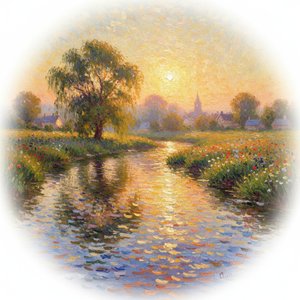
Capturing Light: A Masterclass in the Ethereal Beauty of Impressionistic Landscapes
Explore the ethereal beauty of Impressionist landscapes. Discover how masters like Monet captured fleeting light through color and texture, and learn to curate these timeless, luminous masterpieces for your home collection.

Impressionistic Landscapes: 10 Masterpieces That Changed Art & Decor
Journey into the heart of Impressionism! Explore 10 masterpieces by Monet, Renoir & Degas that revolutionized landscape art. Discover their stories, techniques & find museum-quality reproductions to elevate your home decor on OriginalUniqueArt.com.