القائمة

() ·

A painting made for you, by hand

Winter

نسخة زيتية مصنوعة يدوياً

لوحة زيتية مرسومة يدوياً على الكانفاس بالمقاس والإطار الذي تفضله، تُنفذ حسب الطلب على أيدي فنانينا. ( التبديل إلى المطبوعات التحويل إلى الصورة الرقمية)

وصف المقتنيات

Explore Giuseppe Arcimboldo’s ‘Winter’! A stunning Mannerist portrait of a tree spirit crafted from fruits & foliage. Discover its unique style & captivating beauty – perfect for art lovers.

نبذة عن الفنان

اكتشف جوزيبي آركيمبولدو (1527-1593)، فنان المانييري الإيطالي الشهير بصوره السريالية المؤلفة من الفواكه والخضروات والأشياء. استكشف فنه الغريب والملهم!

from ·

Chapter 1

How large should it be?

Slide to change the size; the picture on the left shows the frame at its real width. The proportions of the original are kept.

مقاس قياسي
مخصص
CM
INCH

اختر من بين أحجامنا المُعدّة مسبقاً والتي تتوافق مع النسب الأصلية للعمل الفني.

العرض
الارتفاع

أدخل العرض والارتفاع اللذين تحتاجهما، ليتناسب العمل مع إطارك أو جدارك. وبما أن هذه اللوحة مرسومة يدوياً، ففي حال اختيار مقاس بشكل مختلف، يمكن للفنان رسم مساحة إضافية حول الصورة أو تقليصها قليلاً — الخيار لك. سنرسل لك نموذجاً رقمياً تجريبياً لاعتماده قبل البدء في الرسم. علماً بأن الصورة المعروضة في هذه الصفحة لا تعكس النتيجة النهائية الحقيقية — فالنموذج التجريبي هو الوحيد الذي يوضح ذلك بدقة.

Chapter 2

How should it arrive?

Choose the edges of the stretched canvas

Choose your frame

Corner sample of the WhiteWrap canvas edge finish, stretched on خشب طبيعي صلب bars
White E£1
Corner sample of the BlurSideWrap canvas edge finish, stretched on خشب طبيعي صلب bars
Blurside E£1
Corner sample of the ExtendedWrap canvas edge finish, stretched on خشب طبيعي صلب bars
Extended E£1
Corner sample of the P118B picture frame: بوليسترين مُشكّل, 5 cm wide and 3 cm thick
P118B E£10
Corner sample of the P118H picture frame: بوليسترين مُشكّل, 5 cm wide and 3 cm thick
P118H E£10
Corner sample of the P118W picture frame: بوليسترين مُشكّل, 5 cm wide and 3 cm thick
P118W E£10
Corner sample of the P438Z picture frame: بوليسترين مُشكّل, 5.5 cm wide and 3.5 cm thick
P438Z E£10
Corner sample of the P508JH picture frame: بوليسترين مُشكّل, 7 cm wide and 3.5 cm thick
P508JH E£12
Corner sample of the P508YH picture frame: بوليسترين مُشكّل, 7 cm wide and 3.5 cm thick
P508YH E£12
Corner sample of the P805H picture frame: بوليسترين مُشكّل, 5 cm wide and 3.5 cm thick
P805H E£10
Corner sample of the P805Z picture frame: بوليسترين مُشكّل, 5 cm wide and 3.5 cm thick
P805Z E£10
Corner sample of the P919BZ picture frame: بوليسترين مُشكّل, 7 cm wide and 3.5 cm thick
P919BZ E£10
Corner sample of the P919G picture frame: بوليسترين مُشكّل, 7 cm wide and 3.5 cm thick
P919G E£10
Corner sample of the P919XJ picture frame: بوليسترين مُشكّل, 7 cm wide and 3.5 cm thick
P919XJ E£10
Corner sample of the P959ZH picture frame: بوليسترين مُشكّل, 5 cm wide and 3 cm thick
P959ZH E£10
Corner sample of the P968JZ picture frame: بوليسترين مُشكّل, 6 cm wide and 4 cm thick
P968JZ E£12
Corner sample of the W106C picture frame: خشب طبيعي صلب, 5 cm wide and 3 cm thick
W106C E£8
Corner sample of the W218G picture frame: خشب طبيعي صلب, 5 cm wide and 3 cm thick
W218G E£10
Corner sample of the W218JH picture frame: خشب طبيعي صلب, 5 cm wide and 3 cm thick
W218JH E£8
Corner sample of the W218Y picture frame: خشب طبيعي صلب, 5 cm wide and 3 cm thick
W218Y E£10
Corner sample of the W307PJ picture frame: خشب طبيعي صلب, 6 cm wide and 3 cm thick
W307PJ E£10
Corner sample of the W316G picture frame: خشب طبيعي صلب, 6 cm wide and 3 cm thick
W316G E£10
Corner sample of the W316PJ picture frame: خشب طبيعي صلب, 6 cm wide and 3 cm thick
W316PJ E£8
Corner sample of the W316Y picture frame: خشب طبيعي صلب, 6 cm wide and 3 cm thick
W316Y E£10
Corner sample of the W398PJ picture frame: خشب طبيعي صلب, 5 cm wide and 3 cm thick
W398PJ E£8
Corner sample of the W4111J picture frame: خشب طبيعي صلب, 6.5 cm wide and 3.5 cm thick
W4111J E£10
Corner sample of the W500HY picture frame: خشب طبيعي صلب, 7 cm wide and 5 cm thick
W500HY E£15
Corner sample of the W500JH picture frame: خشب طبيعي صلب, 7 cm wide and 5 cm thick
W500JH E£15
Corner sample of the W692G picture frame: خشب طبيعي صلب, 8 cm wide and 4 cm thick
W692G E£12
Corner sample of the W849H picture frame: خشب طبيعي صلب, 5 cm wide and 3 cm thick
W849H E£8
Corner sample of the W940BG picture frame: خشب طبيعي صلب, 7.5 cm wide and 4.5 cm thick
W940BG E£15
Corner sample of the W953PJ picture frame: خشب طبيعي صلب, 6 cm wide and 3.5 cm thick
W953PJ E£8
Corner sample of the H24-GOLD picture frame: خشب منحوت مع الجبس, 10 cm wide and 6 cm thick
H24-GOLD E£30
Corner sample of the H24-SILVER picture frame: خشب منحوت مع الجبس, 10 cm wide and 6 cm thick
H24-SILVER E£30
Corner sample of the H36-GOLD picture frame: خشب منحوت مع الجبس, 15 cm wide and 6.5 cm thick
H36-GOLD E£45
Corner sample of the H36-SILVER picture frame: خشب منحوت مع الجبس, 15 cm wide and 6.5 cm thick
H36-SILVER E£45

Moulding: . Overall size with the frame: .

Chapter 3

Who paints it, and should anything change?

Examples of what can be changed: Replace face with customer photo; Add pet (e.g., replace cat with dog); Include hidden message in background; Change background landscape or elements.
After order, OriginalUniqueArt.com team will email client for instructions and provide a mockup preview

توصيل عالمي إلى خلال 3 إلى 4 أسابيع بدلاً من المدة المعتادة البالغة 5 أسابيع. (30 أكتوبر). جودة لا تهاون فيها.

Chapter 4

The finishing touches

A nameplate, as in a museum?

تفاصيل اللوحة البرونزية المحفورة

This elegant plaque features the artist's name and the title of the artwork, finely engraved for a timeless presentation.

It is made from bronze with a refined, elegant finish. The text is precisely laser-engraved for a sharp and permanent result. Measuring 9x2 cm, the plaque is compact yet easy to read. It's built to be durable and scratch-resistant, offering a professional, museum-quality look. Mounting is simple thanks to the included adhesive backing.

تفاصيل اللوحة الأكريليكية الشفافة

The plaque includes essential engraved details such as the artist's name, the title of the artwork, the date it was created, the type of media used-like oil on canvas or watercolor-a brief description of the piece, and a QR code that links to the complete artwork information.

It is crafted from clear acrylic, offering a sleek, modern appearance. The text is UV-engraved in black to ensure strong visual contrast. With a size of 10x15 cm, it ensures optimal readability. It comes equipped with two metal hooks for secure wall mounting. The plaque is designed to be weather-resistant, making it suitable for various environments, and it includes interactive features that work seamlessly with smartphone scanning.

تفاصيل اللوحة الأكريليكية السوداء

This elegant plaque includes engraved information such as the artist's name, the title of the artwork, the date it was created, the type of media used (like oil on canvas or watercolor), a short description of the artwork, and a QR code for quick access to more information.

The plaque itself is made from refined black acrylic with a premium finish. The text is laser-engraved in white for high contrast and readability. Its size is 10x15 cm, designed to be easy to read. It comes with two metal hooks for professional mounting. The design is sleek and fits any interior style. It is also weather-resistant and durable, with built-in digital integration for mobile compatibility.

A protective varnish?

When do you need it?

Chapter 5

Your painting, as you ordered it

Winter

وسيط إعادة الإنتاج

مقاس النسخة المطبوعة

-

نخبة كبار الفنانين

دقة أكبر، ولمسات فنية أمتن، ووقت إضافي للإنتاج

-

إطار النسخة المطبوعة

-

-

بالنسبة للأعمال الفنية أو النسخ المطبوعة التي يتجاوز طول أي من أضلاعها 105 سم (حوالي 41 بوصة)، سيتم شحن الإطار كمجموعة مفككة. تضمن هذه الطريقة سلامة التوصيل وتمنع حدوث أي أضرار أثناء النقل.

يتطلب الأمر تجميعاً احترافياً - هذا المنتج ليس مخصصاً للتركيب الذاتي.
يجب تجميع المجموعة وشد القماش بواسطة فني إطارات محترف وخبير، باستخدام غراء الخشب (غير مرفق)، وكماشة شد القماش، وملاقط لتثبيت القضبان بشكل مستوٍ أثناء جفاف الغراء. إن التجميع غير الصحيح أو عدم توازن شد القماش قد يؤدي إلى تلف العمل الفني بشكل دائم، وهو أمر لا يغطيه الضمان الخاص بنا.

  • تتضمن المجموعة جميع القطع الخشبية الصلبة، والمقطعة بدقة لتناسب المقاسات المطلوبة.

  • يتم التجميع باستخدام البراغي المرفقة، بالإضافة إلى غراء الخشب للوصلات الزاوية، وهو غير مرفق ويجب توفيره من قبل فني التأطير الخاص بك.

  • تتطلب العملية استخدام أدوات احترافية غير مدرجة في المجموعة: مثل زرادية شد القماش (أداة شد) وملاقط لتثبيت القضبان بشكل مستوٍ أثناء جفاف الغراء.

تنبيه هام:
تتطلب الوصلات الزاوية استخدام غراء الخشب، كما يجب تثبيت القضبان باستخدام المشابك حتى يجف الغراء تماماً، ويتطلب شد القماش على الإطار المجمع استخدام كماشة شد القماش. لا تشتمل المجموعة على أي من هذه الأدوات؛ لذا يرجى التواصل مع فني تأطير محترف قبل طلب هذا المقاس.

لوحة التعريف

-

-

ورنيش حماية

ورنيش لامع (يُبرز الألوان ويحمي من الضوء والرطوبة)

-

تخصيص عملي الفني

أمثلة على التعديلات المتاحة: استبدال الوجه بصورة العميل؛ إضافة حيوان أليف (مثل استبدال قطة بكلب)؛ إدراج رسالة مخفية في الخلفية؛ تغيير المناظر الطبيعية أو العناصر في الخلفية.

-

عاجل

توصيل عالمي إلى خلال 3-4 أسابيع بدلاً من المدة المعتادة البالغة 5 أسابيع. (30 أكتوبر). جودة لا تضاهى.

-

شحن سريع ومميز

توصيل عالمي إلى خلال 5 أسابيع. (6 نوفمبر).

مُضمَّن

إجمالي السعر

E£ 15683

إجمالي السعر E£ 15683

خيار الزجاج متاح فقط للمقاسات التي تقل عن 110 سم

Included with every order

  • شحن سريع ومجاني لجميع أنحاء العالم
  • قماش كتان فاخر
  • تأمين شامل على الشحن
  • ضمان استرداد الرسوم الجمركية
  • ضمان دقة مطابقة الألوان
  • سياسة الإرجاع خلال 100 يوم (في حالات العيوب فقط)
  • ضمان استرداد نقدي بنسبة 100%
  • عرض خصم الكميات

A Winter’s Enigma: Giuseppe Arcimboldo's "Winter"

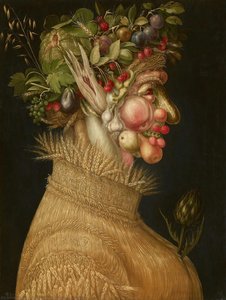
Giuseppe Arcimboldo’s “Winter,” painted circa 1563 and now residing within the Kunsthistorisches Museum in Vienna, isn’t merely a portrait; it’s an immersive allegory, a frozen tableau vivant constructed entirely from the bounty of nature. More than just a clever visual puzzle, this masterpiece embodies the Renaissance fascination with symbolism, classical mythology, and the cyclical rhythms of life and death – all rendered with a startlingly modern sensibility. Arcimboldo, already renowned for his inventive character portraits crafted from fruits, vegetables, and books, pushes the boundaries of representation here, transforming a human form into an evocative embodiment of winter’s stark beauty and inherent melancholy.

The central figure, often interpreted as a wizened old man or perhaps a spirit emerging from a rustic sack – rendered in rough, textured burlap – dominates the composition. His face is deeply etched with wrinkles, roots, and branches, a deliberate blurring of human and plant characteristics that speaks to the interconnectedness of all living things. The careful arrangement of elements—the vibrant oranges nestled beneath, the cascading vines and foliage framing his head—immediately evoke associations with fertility, abundance, and the promise of spring hidden within the heart of winter’s dormancy. The inclusion of these fruits isn't arbitrary; they are potent symbols of renewal and hope, subtly counterbalancing the somber tones of the overall scene.

A Mannerist Masterpiece: Technique and Composition

Arcimboldo’s skill lies not just in his imaginative subject matter but also in his meticulous execution. “Winter” is a testament to the artist's mastery of oil painting, utilizing a technique that builds up layers of texture with painstaking detail. The chiaroscuro – the dramatic interplay of light and shadow – is particularly striking, emphasizing the rough surfaces of the fruits and vegetables while simultaneously creating an atmosphere of profound depth and mystery. The perspective is subtly distorted, lending the image a dreamlike quality, as if peering into a world both familiar and unsettlingly strange. The composition itself is carefully balanced, drawing the eye to the central figure while allowing the surrounding elements to contribute to the overall narrative.

Notice the deliberate use of color – predominantly browns, greens, and ochre—that evokes the muted palette of a winter landscape. These earthy tones are punctuated by the vibrant oranges, creating a compelling contrast that draws attention to their symbolic significance. The background remains deliberately dark and undefined, serving only to isolate the subject and heighten its presence within the scene. The overall effect is one of controlled chaos, where disparate elements coalesce into a cohesive and profoundly moving whole.

Roots in Mythology and Renaissance Thought

To fully appreciate “Winter,” it’s crucial to understand the context in which Arcimboldo worked – the vibrant intellectual climate of the late 16th century. The painting draws heavily on classical mythology, particularly the figure of Vertumnus, the Roman god of fertility, change, and seasons. Vertumnus was often depicted as a shapeshifter, embodying both the destructive and generative forces of nature. Arcimboldo’s portrait clearly echoes this mythological archetype, suggesting that the central figure is not merely a representation of winter but also a manifestation of the cyclical processes of life, death, and rebirth.

Furthermore, the Renaissance fascination with allegory – the use of symbolic imagery to convey deeper meanings – played a significant role in Arcimboldo’s artistic practice. His portraits were often intended as visual riddles, challenging viewers to decipher their hidden messages. “Winter,” like many of his other works, invites contemplation on themes such as mortality, time, and the relationship between humanity and nature. The painting's ambiguity—the figure’s expression open to interpretation—further enhances its symbolic power.

A Timeless Resonance: Emotional Impact and Legacy

Despite its historical context, “Winter” continues to resonate with viewers today due to its arresting imagery and profound emotional impact. There is a palpable sense of melancholy woven into the fabric of the painting – a quiet acknowledgement of winter’s stark beauty and inherent sadness. Yet, amidst this somber mood, there's also an underlying current of hope, symbolized by the vibrant oranges and the promise of spring. Arcimboldo’s ability to evoke such complex emotions through seemingly simple objects is a testament to his artistic genius.

Reproductions of “Winter” offer a remarkable opportunity to experience this masterpiece firsthand, allowing us to appreciate Arcimboldo's extraordinary skill and imaginative vision. Whether displayed in a grand salon or a cozy corner, this painting serves as a timeless reminder of the beauty and mystery of the natural world – and the enduring power of art to capture its essence.

الأسئلة والأجوبة

ما هو الحجم والاتجاه الموصى بهما لطباعة "Winter"؟

بالنسبة لـ "Winter"، فإن إعداد الطباعة الموصى به هو بحجم Medium وبوضعية Portrait.

ما هو الأصل الوطني الذي يقف وراء Mannerism عمل "Winter"؟

تربط لوحة "Winter" بين حركة Mannerism وإيطاليا من خلال مسقط رأس مبدعها.

ما مدى شهرة "Winter" ضمن حركة Mannerism؟

تُصنف لوحة "Winter" على أنها Iconic ضمن أعمال Mannerism في الكتالوج.

More about this painting

معاينة الحجم الواقعي معاينة بالواقع المعزز التبديل إلى المطبوعات التحويل إلى الصورة الرقمية إرسال
عرض التفاصيل دليل الأعمال الفنية للطلاب أضف إلى المفضلة تحميل قطع مشابهة الأشعة السينية عرض شرائح متتابع Q&A الإحصائيات

In numbers

  • 29frames to choose from
  • standard sizes, in its own proportions
  • 5weeks to paint and deliver it
جوزيبي آركيمبولدو

جوزيبي آركيمبولدو

1527 - 1593, إيطاليا

Quick facts about جوزيبي آركيمبولدو

  • أعمال بارزة:
    • زهرة الحياة
    • الفصول الأربعة
    • فيرتومنيوس
    • المكتبدار
  • الاسم الكامل: جوزيبي أركيمبولدو
  • الجنسية: إيطالي
  • الحركة الفنية: المانيرية، السريالية
  • تاريخ الميلاد: 5 أبريل 1527
  • تاريخ الوفاة: 11 يوليو 1593
  • فنانون تأثروا به:
    • سالفادور دالي
    • السريالية
  • مكان الميلاد: ميلانو، إيطاليا

نبذة عن الفنان

نشأة جوزيبي أركيمبولدو وبداياته الفنية

جوزيبي أركيمبولدو، الاسم الذي يثير صورًا غريبة الأطوار ومدهشة، يُعد من أبرز الشخصيات الفريدة في فن عصر النهضة. ولد في ميلانو عام 1527، وعاش في فترة شهدت اضطرابات دينية وفكرية كبيرة، وشغفًا لا يشبع بالعالم الطبيعي. لم يُعرف أركيمبولدو في البداية إلا بأعماله التقليدية – اللوحات الجدارية التي تزين الكاتدرائيات والبورتريهات التي تلتزم بمعايير البلاط الراسخة – لكن إرثه الدائم يكمن في سلسلة من الرؤوس المركبة المصنوعة بالكامل من الأشياء المرتبة بدقة: الفواكه والخضروات والأزهار والكتب وحتى الآلات الموسيقية. لم تكن هذه مجرد تمارين لعب بصرية؛ بل كانت استعارات معقدة، مشبعة برموز resonated بعمق في الفكر النهضوي ولا تزال تأسر الجماهير حتى اليوم. كان والده، بيادجو أركيمبولدو، فنانًا أيضًا، ووفر لجوزيبي تدريبًا فنيًا مبكرًا وربما أثر على دخوله الأول في مجال تصميم النوافذ الزجاجية الملونة والجداريات في كاتدرائية ميلانو حوالي عام 1549. هذه التجربة التأسيسية صقلت مهاراته التقنية وعينه للتفاصيل – وهي صفات أصبحت سمات مميزة لإبداعاته غير التقليدية اللاحقة.

الخدمة البلاطية وصعود أسلوبه الفريد

شهد مسار أركيمبولدو تحولًا كبيرًا في عام 1562 عندما عُين رسامًا رسميًا لدى فرديناند الأول في بلاط هابسبورغ في فيينا. مثّل هذا بداية أكثر من عقدين يقضيهما كفنان متعدد المواهب لثلاثة حكام هابسبورغ متتاليين: ماكسيميليان الثاني وابنه رودولف الثاني. بالإضافة إلى رسم البورتريهات – على الرغم من أن هذه غالبًا ما عرضت غرابة طفيفة – شملت واجبات أركيمبولدو تصميم الأزياء وزخارف المهرجانات وتنظيم مجموعات الإمبراطورية. في هذا المحيط من الذوق الرفيع والفضول الفكري، بدأ أسلوبه المميز في الازدهار. الطلب البلاطي على الجدة والإبهار هيأ أرضًا خصبة للتجريب، مما سمح له بالانتقال من التصوير التقليدي إلى إنشاء "رؤوس مركبة" الشهيرة. لم تولد هذه من اندفاع مفاجئ ولكنها تطورت تدريجيًا، وبنيت على اهتمام عصر النهضة بالألغاز والألغاز واستكشاف المعاني الخفية في الأشياء العادية ظاهريًا. يمكن اكتشاف تأثير الفنانين السابقين الذين جربوا تأثيرات *trompe l'oeil* ووجهات النظر المشوهة، لكن أركيمبولدو قام بتجميع هذه العناصر في شيء فريد تمامًا – لغة بصرية فريدة تحدت المفاهيم التقليدية للتمثيل.

فك رموز الرمزية: أكثر مما تراه العين

إن اعتبار عمل أركيمبولدو مجرد نزوة غريبة الأطوار هو تجاهل عمقه الفكري العميق. تم اختيار كل كائن داخل صورته المركبة بعناية، وتحميله بمعاني رمزية تتعلق بشخصية الجالس أو مهنته أو مكانته الاجتماعية. على سبيل المثال، *أمين المكتبة* ليس مجرد وجه مصنوع من الكتب؛ بل هو نقد خفي للغطرسة العلمية – تعليق على أولئك الذين يجمعون المعرفة دون الانخراط حقًا مع محتواها. تمثل الذيول الحيوانية اللحية، مما يشير إلى المجلدات المهملة التي تتراكم بالغبار على الرفوف. وبالمثل، فإن صورته للمواسم – وخاصة *فيرتومنس*، التي تصور الإمبراطور رودولف الثاني كإله روما للحدائق والتغيير – غنية بالرمزية النباتية، مما يعكس رعاية الإمبراطور للعلم والتاريخ الطبيعي. لم يكن من المفترض فك رموز هذه على الفور؛ فقد صُممت لإثارة التأمل ودعوة المشاهدين إلى فك طبقات المعنى المخفية في الترتيب المرح ظاهريًا للأشياء. كان فعل بناء تشابه إنساني من المادة غير الحية بمثابة تأمل في الترابط بين كل شيء – انعكاس لمعتقد الأفلاطونية الجديدة في عصر النهضة في الانسجام الكامن في الكون.

الإرث وإعادة الاكتشاف: رائد السريالية

على الرغم من نجاحه خلال حياته، تضاءلت سمعة أركيمبولدو في القرون التي أعقبت وفاته عام 1593. غالبًا ما تم تخفيض عمله إلى مجال الفضول – وتقديره لمهارته التقنية ولكن تم رفضه باعتباره يفتقر إلى قيمة فنية جادة. لم يكن حتى القرن العشرين أن ظهر تقدير متجدد لفنه، مدفوعًا بصعود السريالية. رأى الفنانون مثل سلفادور دالي في أركيمبولدو روحًا مشابهة – رؤيويًا تجرأ على تحدي التصورات التقليدية واستكشاف اللاوعي من خلال التجميع غير المتوقع للصور. يمكن رؤية تأثير أركيمبولدو في تركيبات دالي الحالمة واهتمامه بالتحول والوهم. اليوم، يحتفل بأركيمبولدو كشخصية محورية في تاريخ الفن – رائد للسريالية التي تحدي استخدامها المبتكر للرمزية والتشويه المرح رؤى العالم ويستمر في إلهام الفنانين وإبهار الجماهير في جميع أنحاء العالم. توجد لوحاته في متاحف مرموقة مثل متحف كونستهيستوريشس في فيينا ومتحف اللوفر في باريس، مما يضمن استمرار رؤيته الفريدة في الرنين للأجيال القادمة. إرثه هو شهادة على القوة الدائمة للخيال وقدرة الفن على تغيير فهمنا للعالم من حولنا.

حقائق سريعة

  • Influences: Vertumnus
  • Notable elements: Fruit & foliage
  • Artist: Giuseppe Arcimboldo
  • Medium: Oil painting
  • Title: Winter

اختبار المعلومات الفنية

لكل سؤال إجابة صحيحة واحدة فقط.

سؤال 1:
What is the primary subject depicted in Giuseppe Arcimboldo’s ‘Winter’?
سؤال 2:
The style of ‘Winter’ is most closely associated with which artistic movement?
سؤال 3:
What technique does Arcimboldo primarily employ to create the figures in ‘Winter’?
سؤال 4:
The oranges included in the artwork are most likely symbolic of:
سؤال 5:
Giuseppe Arcimboldo was a court painter for which three Holy Roman Emperors?