معاينة الحجم الواقعي
 إرسال
إرسال مشاركة
 عرض التفاصيل
 دليل الأعمال الفنية للطلاب

 تحميل
تحميل
 قطع مشابهة
 الأشعة السينية
 عرض شرائح متتابع
 الإحصائيات
Nature studies


 اقرأ المزيد
طباعة جيلي / مطبوعات فنية
طباعة جيكلي أو كانفاس بجودة المتاحف، مع سرعة في التنفيذ وخيارات متنوعة للتشطيب. ( اطلب نسخة مرسومة يدويًا التحويل إلى الصورة الرقمية)




P118B E£10

P118H E£10

P118W E£10

P438Z E£10

P508JH E£12

P508YH E£12

P805H E£10

P805Z E£10

P919BZ E£10

P919G E£10

P919XJ E£10

P959ZH E£10

P968JZ E£12

W106C E£8

W218G E£10

W218JH E£8

W218Y E£10

W307PJ E£10

W316G E£10

W316PJ E£8

W316Y E£10

W398PJ E£8

W4111J E£10

W500HY E£15

W500JH E£15

W692G E£12

W849H E£8

W940BG E£15

W953PJ E£8




اختر من بين أحجامنا المُعدّة مسبقاً والتي تتوافق مع النسب الأصلية للعمل الفني.

أدخل العرض والارتفاع اللذين تحتاجهما، ليتناسب مع إطارك أو جدارك. يمكن قص المطبوعة فقط، ولا يمكن أبداً جعلها أكبر من الصورة الأصلية، لذا فإن أي مقاس بشكل مختلف سيؤدي إلى فقدان جزء من الصورة. سنرسل لك نموذجاً رقمياً تجريبياً لاعتماده قبل البدء في عملية الطباعة. الصورة المعروضة في هذه الصفحة لا توضح القص الفعلي — النموذج التجريبي فقط هو ما يظهر ذلك.
توصيل عالمي إلى خلال أسبوعين بدلاً من المدة القياسية البالغة 4/5 أسابيع. (23 أكتوبر)

شحن سريع ومجاني لجميع أنحاء العالم

قماش كتان فاخر

تأمين شامل على الشحن

ضمان استرداد الرسوم الجمركية

ضمان دقة مطابقة الألوان

سياسة الإرجاع خلال 100 يوم (في حالات العيوب فقط)

ضمان استرداد نقدي بنسبة 100%

عرض خصم الكميات
 خيار الزجاج متاح فقط للمقاسات التي تقل عن 110 سم

Nature studies
طباعة جيلي / مطبوعات فنية
مقاس النسخة المطبوعة
-


إجمالي السعر
E£ 4136
Giuseppe Arcimboldo: A Renaissance Visionary Reimagined
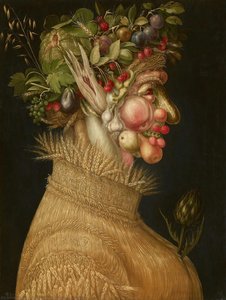
Giuseppe Arcimboldo (1527 – 1593), an Italian Mannerist painter, stands apart from his contemporaries not merely for his technical prowess but for a singular artistic concept—the creation of portrait heads entirely composed of meticulously arranged objects. This revolutionary approach challenged conventional artistic norms and cemented his place as one of the most inventive figures in Renaissance art history. Born in Milan during a period marked by intellectual ferment and religious upheaval, Arcimboldo’s career unfolded amidst the opulent courts of Europe, where he served as court painter to emperors Rudolf II and Maximilian II, demonstrating an unparalleled ability to capture the spirit of his time through visual symbolism.- The Composite Portrait: Arcimboldo's technique involved transforming recognizable human faces into fantastical representations using fruits, vegetables, flowers, fish, books, musical instruments—a deliberate departure from traditional portraiture that prioritized idealized beauty and anatomical accuracy.
- Mannerist Influence: His work embodies the core tenets of Mannerism, an artistic movement characterized by stylized forms, exaggerated proportions, and a preoccupation with illusionistic effects. Unlike the serene harmony championed by High Renaissance artists like Leonardo da Vinci and Raphael, Arcimboldo embraced discordance and theatricality to convey complex ideas.
- Symbolic Depth: Each element incorporated into Arcimboldo’s portraits carried significant symbolic weight, reflecting Renaissance humanist thought and astrological beliefs. For instance, “Vertumnus,” depicting Rudolf II as a head of intertwined plants and animals, embodies the Roman god of fertility and transformation—a deliberate allusion to Rudolf II's ambition to rule over all realms.
Technique and Materials: Watercolor Alchemy
Arcimboldo’s mastery lay not only in his conceptual vision but also in his meticulous execution. He primarily utilized watercolor paint on parchment, a medium known for its delicate luminosity and ability to achieve subtle tonal variations—qualities perfectly suited to capturing the ethereal beauty of his composite heads. The artist painstakingly glued together meticulously cut-out objects onto the parchment surface, creating an intricate mosaic that demanded extraordinary precision and patience. This painstaking process ensured that every detail contributed to the overall illusionistic effect, reinforcing Arcimboldo’s commitment to Mannerist principles.- Layering Techniques: Arcimboldo skillfully employed layering techniques—applying thin washes of watercolor over multiple layers—to build up depth and texture, enhancing the visual impact of his compositions.
- Color Palette: The artist favored muted palettes dominated by browns, blacks, creams, and whites, creating a sense of solemn grandeur and emphasizing the symbolic significance of each element.
- Precision Cutting & Gluing: Achieving the astonishing realism of Arcimboldo’s portraits required exceptional skill in cutting out objects with exacting accuracy and gluing them onto the parchment surface—a testament to his dedication to craftmanship.
Historical Context: Rudolf II's Court and Renaissance Curiosity
Arcimboldo’s artistic endeavors flourished during the reign of Rudolf II, Holy Roman Emperor (1576–1613), a ruler renowned for his patronage of arts and sciences—a period characterized by an unprecedented fascination with exotic cultures and intellectual exploration. Rudolf II’s court embraced Arcimboldo's unconventional style as a reflection of the broader Renaissance spirit—a desire to transcend conventional boundaries and engage in imaginative contemplation. The emperor recognized Arcimboldo’s genius, commissioning numerous portraits that served as visual emblems of his authority and embodying the humanist ideals prevalent at the time.- The Habsburg Court: Arcimboldo's work resonated deeply with Rudolf II and his court, who appreciated its intellectual complexity and artistic daring—a counterpoint to the prevailing aesthetic sensibilities of the era.
- Renaissance Symbolism: The artist’s use of symbolic imagery aligned seamlessly with Renaissance humanist thought, which emphasized the importance of reason and observation in understanding the natural world—a legacy that continues to inspire artists and scholars today.
- Influence on Later Artists: Arcimboldo's innovative technique and conceptual vision exerted a considerable influence on subsequent generations of painters, establishing him as a pivotal figure in the development of Mannerist art and shaping the trajectory of artistic expression for centuries to come.
Emotional Resonance: Beyond Representation – An Invitation to Wonder
Ultimately, Arcimboldo’s portraits transcend mere visual representation—they invite viewers into a realm of imaginative contemplation and evoke a profound sense of wonder. By transforming familiar objects into evocative symbols, Arcimboldo compels us to reconsider our perceptions of beauty and reality—challenging the conventions of portraiture while simultaneously celebrating the richness and complexity of the natural world. His work remains a testament to the enduring power of artistic innovation and its ability to capture the spirit of an era—a timeless masterpiece that continues to captivate audiences with its arresting visual impact and intellectual depth.الأسئلة والأجوبة
من أي بلد ينتمي عمل Mannerism بعنوان "Nature studies"؟
أُنجز العمل الذي ينتمي إلى مدرسة Mannerism بعنوان "Nature studies" على يد فنان وُلد في إيطاليا.
هل يستخدم "Nature studies" للفنان جوزيبي آركيمبولدو تباينات قوية أم تناغمات ناعمة؟
يُظهر التحليل اللوني لـ "Nature studies" للفنان جوزيبي آركيمبولدو تباينًا Statement وتناغمًا Strong Color Unity.
هل تُحفظ قطعة "Nature studies" في البلد الذي ينتمي إليه مبتكرها؟
لا - العمل الفني محفوظ خارج البلاد. وُلد جوزيبي آركيمبولدو في إيطاليا، بينما تُحفظ اللوحة الأصلية "Nature studies" في متحف في النمسا.
نبذة عن الفنان
نشأة جوزيبي أركيمبولدو وبداياته الفنية
جوزيبي أركيمبولدو، الاسم الذي يثير صورًا غريبة الأطوار ومدهشة، يُعد من أبرز الشخصيات الفريدة في فن عصر النهضة. ولد في ميلانو عام 1527، وعاش في فترة شهدت اضطرابات دينية وفكرية كبيرة، وشغفًا لا يشبع بالعالم الطبيعي. لم يُعرف أركيمبولدو في البداية إلا بأعماله التقليدية – اللوحات الجدارية التي تزين الكاتدرائيات والبورتريهات التي تلتزم بمعايير البلاط الراسخة – لكن إرثه الدائم يكمن في سلسلة من الرؤوس المركبة المصنوعة بالكامل من الأشياء المرتبة بدقة: الفواكه والخضروات والأزهار والكتب وحتى الآلات الموسيقية. لم تكن هذه مجرد تمارين لعب بصرية؛ بل كانت استعارات معقدة، مشبعة برموز resonated بعمق في الفكر النهضوي ولا تزال تأسر الجماهير حتى اليوم. كان والده، بيادجو أركيمبولدو، فنانًا أيضًا، ووفر لجوزيبي تدريبًا فنيًا مبكرًا وربما أثر على دخوله الأول في مجال تصميم النوافذ الزجاجية الملونة والجداريات في كاتدرائية ميلانو حوالي عام 1549. هذه التجربة التأسيسية صقلت مهاراته التقنية وعينه للتفاصيل – وهي صفات أصبحت سمات مميزة لإبداعاته غير التقليدية اللاحقة.الخدمة البلاطية وصعود أسلوبه الفريد
شهد مسار أركيمبولدو تحولًا كبيرًا في عام 1562 عندما عُين رسامًا رسميًا لدى فرديناند الأول في بلاط هابسبورغ في فيينا. مثّل هذا بداية أكثر من عقدين يقضيهما كفنان متعدد المواهب لثلاثة حكام هابسبورغ متتاليين: ماكسيميليان الثاني وابنه رودولف الثاني. بالإضافة إلى رسم البورتريهات – على الرغم من أن هذه غالبًا ما عرضت غرابة طفيفة – شملت واجبات أركيمبولدو تصميم الأزياء وزخارف المهرجانات وتنظيم مجموعات الإمبراطورية. في هذا المحيط من الذوق الرفيع والفضول الفكري، بدأ أسلوبه المميز في الازدهار. الطلب البلاطي على الجدة والإبهار هيأ أرضًا خصبة للتجريب، مما سمح له بالانتقال من التصوير التقليدي إلى إنشاء "رؤوس مركبة" الشهيرة. لم تولد هذه من اندفاع مفاجئ ولكنها تطورت تدريجيًا، وبنيت على اهتمام عصر النهضة بالألغاز والألغاز واستكشاف المعاني الخفية في الأشياء العادية ظاهريًا. يمكن اكتشاف تأثير الفنانين السابقين الذين جربوا تأثيرات *trompe l'oeil* ووجهات النظر المشوهة، لكن أركيمبولدو قام بتجميع هذه العناصر في شيء فريد تمامًا – لغة بصرية فريدة تحدت المفاهيم التقليدية للتمثيل.فك رموز الرمزية: أكثر مما تراه العين
إن اعتبار عمل أركيمبولدو مجرد نزوة غريبة الأطوار هو تجاهل عمقه الفكري العميق. تم اختيار كل كائن داخل صورته المركبة بعناية، وتحميله بمعاني رمزية تتعلق بشخصية الجالس أو مهنته أو مكانته الاجتماعية. على سبيل المثال، *أمين المكتبة* ليس مجرد وجه مصنوع من الكتب؛ بل هو نقد خفي للغطرسة العلمية – تعليق على أولئك الذين يجمعون المعرفة دون الانخراط حقًا مع محتواها. تمثل الذيول الحيوانية اللحية، مما يشير إلى المجلدات المهملة التي تتراكم بالغبار على الرفوف. وبالمثل، فإن صورته للمواسم – وخاصة *فيرتومنس*، التي تصور الإمبراطور رودولف الثاني كإله روما للحدائق والتغيير – غنية بالرمزية النباتية، مما يعكس رعاية الإمبراطور للعلم والتاريخ الطبيعي. لم يكن من المفترض فك رموز هذه على الفور؛ فقد صُممت لإثارة التأمل ودعوة المشاهدين إلى فك طبقات المعنى المخفية في الترتيب المرح ظاهريًا للأشياء. كان فعل بناء تشابه إنساني من المادة غير الحية بمثابة تأمل في الترابط بين كل شيء – انعكاس لمعتقد الأفلاطونية الجديدة في عصر النهضة في الانسجام الكامن في الكون.الإرث وإعادة الاكتشاف: رائد السريالية
على الرغم من نجاحه خلال حياته، تضاءلت سمعة أركيمبولدو في القرون التي أعقبت وفاته عام 1593. غالبًا ما تم تخفيض عمله إلى مجال الفضول – وتقديره لمهارته التقنية ولكن تم رفضه باعتباره يفتقر إلى قيمة فنية جادة. لم يكن حتى القرن العشرين أن ظهر تقدير متجدد لفنه، مدفوعًا بصعود السريالية. رأى الفنانون مثل سلفادور دالي في أركيمبولدو روحًا مشابهة – رؤيويًا تجرأ على تحدي التصورات التقليدية واستكشاف اللاوعي من خلال التجميع غير المتوقع للصور. يمكن رؤية تأثير أركيمبولدو في تركيبات دالي الحالمة واهتمامه بالتحول والوهم. اليوم، يحتفل بأركيمبولدو كشخصية محورية في تاريخ الفن – رائد للسريالية التي تحدي استخدامها المبتكر للرمزية والتشويه المرح رؤى العالم ويستمر في إلهام الفنانين وإبهار الجماهير في جميع أنحاء العالم. توجد لوحاته في متاحف مرموقة مثل متحف كونستهيستوريشس في فيينا ومتحف اللوفر في باريس، مما يضمن استمرار رؤيته الفريدة في الرنين للأجيال القادمة. إرثه هو شهادة على القوة الدائمة للخيال وقدرة الفن على تغيير فهمنا للعالم من حولنا.
جوزيبي آركيمبولدو
1527 - 1593 , إيطاليا
لمحة سريعة
- أعمال بارزة:
- زهرة الحياة
- الفصول الأربعة
- فيرتومنيوس
- المكتبدار
- الاسم الكامل: جوزيبي أركيمبولدو
- الجنسية: إيطالي
- الحركة الفنية: المانيرية، السريالية
- تاريخ الميلاد: 5 أبريل 1527
- تاريخ الوفاة: 11 يوليو 1593
- فنانون تأثروا به:
- سالفادور دالي
- السريالية
- مكان الميلاد: ميلانو، إيطاليا
مقالات ذات صلة

Ephemeral Visions: Exploring the Artistic Legacy & Nuances of Watercolor Painting
Explore the captivating world of watercolor painting! Discover its rich history, essential techniques, influential artists & collecting tips from art experts. A comprehensive guide for enthusiasts.

Ephemeral Visions: Exploring the History & Emotional Resonance of Watercolor Painting
Explore the captivating history of watercolor painting, from ancient techniques to modern masters like Kandinsky & Blake. Discover essential artists, collecting tips & the emotional power of this luminous medium. Expert insights for art enthusiasts.

Liquid Gold: Master the Bold & Fluid Power of Watercolor Art
Unlock the bold energy of watercolor art. From historical masterpieces to custom photo-to-watercolor transformations, discover how to master the fluid power of light and pigment for your modern space. Expertly curated, high-impact art for the contemporary collector.

Watercolor Wonders: 10 Masterpieces That Redefined Art History | OriginalUniqueArt
Journey through 10 legendary watercolor masterpieces by Sargent, Turner & Homer! Explore iconic landscapes, portraits & floral art that redefined history. Find museum-quality reproductions and curated decor ideas at OriginalUniqueArt.com.

Ephemeral Visions: Exploring the Artistic Legacy & Contemporary Practice of Watercolor Painting
Explore the captivating world of watercolor painting! Discover its rich history, essential techniques, influential artists & collecting tips. A comprehensive guide for art enthusiasts from OriginalUniqueArt.