معاينة الحجم الواقعي
 إرسال
إرسال مشاركة
 عرض التفاصيل
 دليل الأعمال الفنية للطلاب

 تحميل
تحميل
 قطع مشابهة
 الأشعة السينية
 عرض شرائح متتابع
 الإحصائيات
Nature studies (10)


 اقرأ المزيد
طباعة جيلي / مطبوعات فنية
طباعة جيكلي أو كانفاس بجودة المتاحف، مع سرعة في التنفيذ وخيارات متنوعة للتشطيب. ( اطلب نسخة مرسومة يدويًا التحويل إلى الصورة الرقمية)




P118B E£10

P118H E£10

P118W E£10

P438Z E£10

P508JH E£12

P508YH E£12

P805H E£10

P805Z E£10

P919BZ E£10

P919G E£10

P919XJ E£10

P959ZH E£10

P968JZ E£12

W106C E£8

W218G E£10

W218JH E£8

W218Y E£10

W307PJ E£10

W316G E£10

W316PJ E£8

W316Y E£10

W398PJ E£8

W4111J E£10

W500HY E£15

W500JH E£15

W692G E£12

W849H E£8

W940BG E£15

W953PJ E£8




اختر من بين أحجامنا المُعدّة مسبقاً والتي تتوافق مع النسب الأصلية للعمل الفني.

أدخل العرض والارتفاع اللذين تحتاجهما، ليتناسب مع إطارك أو جدارك. يمكن قص المطبوعة فقط، ولا يمكن أبداً جعلها أكبر من الصورة الأصلية، لذا فإن أي مقاس بشكل مختلف سيؤدي إلى فقدان جزء من الصورة. سنرسل لك نموذجاً رقمياً تجريبياً لاعتماده قبل البدء في عملية الطباعة. الصورة المعروضة في هذه الصفحة لا توضح القص الفعلي — النموذج التجريبي فقط هو ما يظهر ذلك.
توصيل عالمي إلى خلال أسبوعين بدلاً من المدة القياسية البالغة 4/5 أسابيع. (27 أكتوبر)

شحن سريع ومجاني لجميع أنحاء العالم

قماش كتان فاخر

تأمين شامل على الشحن

ضمان استرداد الرسوم الجمركية

ضمان دقة مطابقة الألوان

سياسة الإرجاع خلال 100 يوم (في حالات العيوب فقط)

ضمان استرداد نقدي بنسبة 100%

عرض خصم الكميات
 خيار الزجاج متاح فقط للمقاسات التي تقل عن 110 سم

Nature studies (10)
طباعة جيلي / مطبوعات فنية
مقاس النسخة المطبوعة
-


إجمالي السعر
E£ 4137
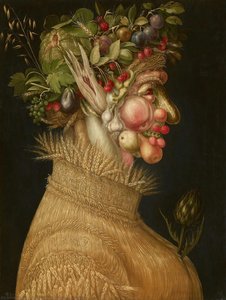
Giuseppe Arcimboldo’s “Nature Studies (10)” – A Renaissance Rhapsody of Form and Flora
Giuseppe Arcimboldo's "Nature Studies (10)," painted in 1578, isn’t merely a portrait; it’s an immersive theatrical tableau, a vibrant testament to the Renaissance fascination with symbolism, illusion, and the interconnectedness of all things. Housed within the Österreichische Nationalbibliothek in Vienna, this remarkable watercolor on parchment invites viewers into a meticulously constructed world where the boundaries between human and nature blur, creating a deeply affecting and intellectually stimulating experience. The painting’s immediate impact is one of joyous abundance – a riot of avian forms, each rendered with astonishing detail and imbued with distinct personalities. Arcimboldo masterfully employs a technique reminiscent of still life painting, yet elevates it to the level of allegory, transforming commonplace objects into profound visual statements.
A Symphony of Birds: Symbolism in Flight
The four birds depicted – a black heron, an egret, a crane, and a goose – are far more than decorative elements. Each species carries a carefully considered symbolic weight rooted in Renaissance thought. The heron, with its long, elegant beak, often represents wisdom and vigilance, qualities highly valued within the intellectual circles of the time. The white egret, embodying purity and grace, stands as a counterpoint to the heron’s more grounded nature. The crane, a symbol of longevity and fidelity, suggests an enduring connection between humanity and the natural world. Finally, the goose, traditionally associated with abundance and prosperity, anchors the composition with its robust presence. Arcimboldo's skill lies not just in his technical proficiency but in his ability to imbue these familiar creatures with layers of meaning, transforming a simple bird study into a complex meditation on human values.
The Mannerist Masterpiece: A World Reimagined
“Nature Studies (10)” firmly establishes Arcimboldo as a pivotal figure within the Mannerist movement. Mannerism, flourishing in Europe during the late 16th century, rejected the strict realism of the High Renaissance in favor of heightened emotion, dramatic compositions, and an embrace of illusionistic techniques. Arcimboldo’s work exemplifies this shift perfectly. He deliberately manipulates perspective and employs a flattened spatial arrangement to create a sense of theatricality, drawing the viewer into his constructed world. The painting's background, a simple expanse of white, serves only to amplify the vibrant colors and intricate details of the birds themselves, directing all attention towards their captivating forms. His approach aligns with the broader Renaissance interest in Neo-Platonism – the belief that beauty and truth could be found within the natural world—and his art reflects this philosophy through its celebration of organic forms and harmonious relationships.
Beyond Decoration: Arcimboldo’s Political and Personal Statements
While initially commissioned for the court of Rudolf II, Holy Roman Emperor, “Nature Studies (10)” transcends mere decorative function. Arcimboldo's portraits were often laden with political symbolism, reflecting the emperor’s power, wealth, and intellectual pursuits. The careful selection of each bird—its color, posture, and even its arrangement within the composition—served as a visual language, communicating complex ideas about governance, prosperity, and the relationship between humanity and nature. Furthermore, Arcimboldo's life itself was marked by intrigue and transformation; he served multiple emperors, constantly reinventing himself through his art. This fluidity of identity is mirrored in “Nature Studies (10),” where the boundaries between reality and illusion are deliberately blurred, inviting viewers to question their own perceptions and consider the multifaceted nature of human experience.
A Timeless Legacy: Reproduction and Inspiration
Today, "Nature Studies (10)" continues to captivate audiences with its ingenious artistry and profound symbolism. OriginalUniqueArt offers meticulously crafted reproductions that faithfully capture Arcimboldo’s original vision, allowing art lovers to bring this remarkable masterpiece into their homes or offices. Beyond its aesthetic appeal, the painting serves as a powerful reminder of the enduring relevance of nature study—a practice that encourages us to observe, appreciate, and understand the world around us with both our eyes and our minds. Consider how Arcimboldo’s innovative approach to portraiture has influenced countless artists throughout history, demonstrating his lasting impact on the evolution of visual art.
الأسئلة والأجوبة
ما هي النبرة العاطفية التي تصاحب أسلوب Mannerism في عمل "Nature studies (10)"؟
ضمن حركة Mannerism، تم تسجيل "Nature studies (10)" بنبرة Tranquil.
كيف يمكنني الحصول على نسخة مطبوعة من "Nature studies (10)" للفنان جوزيبي آركيمبولدو؟
تتوفر نسخة مطبوعة من "Nature studies (10)" عبر مطبوعة فنية فاخرة على قماش قطني أو ورق كانفاس أرشيفي. يمكن تقديم الطلبات من خلال صفحة مطبوعة فنية فاخرة، بالحجم الذي تختارونه.
أين يمكنني شراء نسخة مرسومة يدوياً من "Nature studies (10)" للفنان جوزيبي آركيمبولدو؟
تتوفر نسخة "Nature studies (10)" المرسومة يدوياً عبر نسخة زيتية مرسومة يدوياً على قماش الكتان. ويمكن تقديم الطلب من خلال صفحة نسخة زيتية مرسومة يدوياً، مع إمكانية اختيار أحجام مختلفة.
نبذة عن الفنان
نشأة جوزيبي أركيمبولدو وبداياته الفنية
جوزيبي أركيمبولدو، الاسم الذي يثير صورًا غريبة الأطوار ومدهشة، يُعد من أبرز الشخصيات الفريدة في فن عصر النهضة. ولد في ميلانو عام 1527، وعاش في فترة شهدت اضطرابات دينية وفكرية كبيرة، وشغفًا لا يشبع بالعالم الطبيعي. لم يُعرف أركيمبولدو في البداية إلا بأعماله التقليدية – اللوحات الجدارية التي تزين الكاتدرائيات والبورتريهات التي تلتزم بمعايير البلاط الراسخة – لكن إرثه الدائم يكمن في سلسلة من الرؤوس المركبة المصنوعة بالكامل من الأشياء المرتبة بدقة: الفواكه والخضروات والأزهار والكتب وحتى الآلات الموسيقية. لم تكن هذه مجرد تمارين لعب بصرية؛ بل كانت استعارات معقدة، مشبعة برموز resonated بعمق في الفكر النهضوي ولا تزال تأسر الجماهير حتى اليوم. كان والده، بيادجو أركيمبولدو، فنانًا أيضًا، ووفر لجوزيبي تدريبًا فنيًا مبكرًا وربما أثر على دخوله الأول في مجال تصميم النوافذ الزجاجية الملونة والجداريات في كاتدرائية ميلانو حوالي عام 1549. هذه التجربة التأسيسية صقلت مهاراته التقنية وعينه للتفاصيل – وهي صفات أصبحت سمات مميزة لإبداعاته غير التقليدية اللاحقة.الخدمة البلاطية وصعود أسلوبه الفريد
شهد مسار أركيمبولدو تحولًا كبيرًا في عام 1562 عندما عُين رسامًا رسميًا لدى فرديناند الأول في بلاط هابسبورغ في فيينا. مثّل هذا بداية أكثر من عقدين يقضيهما كفنان متعدد المواهب لثلاثة حكام هابسبورغ متتاليين: ماكسيميليان الثاني وابنه رودولف الثاني. بالإضافة إلى رسم البورتريهات – على الرغم من أن هذه غالبًا ما عرضت غرابة طفيفة – شملت واجبات أركيمبولدو تصميم الأزياء وزخارف المهرجانات وتنظيم مجموعات الإمبراطورية. في هذا المحيط من الذوق الرفيع والفضول الفكري، بدأ أسلوبه المميز في الازدهار. الطلب البلاطي على الجدة والإبهار هيأ أرضًا خصبة للتجريب، مما سمح له بالانتقال من التصوير التقليدي إلى إنشاء "رؤوس مركبة" الشهيرة. لم تولد هذه من اندفاع مفاجئ ولكنها تطورت تدريجيًا، وبنيت على اهتمام عصر النهضة بالألغاز والألغاز واستكشاف المعاني الخفية في الأشياء العادية ظاهريًا. يمكن اكتشاف تأثير الفنانين السابقين الذين جربوا تأثيرات *trompe l'oeil* ووجهات النظر المشوهة، لكن أركيمبولدو قام بتجميع هذه العناصر في شيء فريد تمامًا – لغة بصرية فريدة تحدت المفاهيم التقليدية للتمثيل.فك رموز الرمزية: أكثر مما تراه العين
إن اعتبار عمل أركيمبولدو مجرد نزوة غريبة الأطوار هو تجاهل عمقه الفكري العميق. تم اختيار كل كائن داخل صورته المركبة بعناية، وتحميله بمعاني رمزية تتعلق بشخصية الجالس أو مهنته أو مكانته الاجتماعية. على سبيل المثال، *أمين المكتبة* ليس مجرد وجه مصنوع من الكتب؛ بل هو نقد خفي للغطرسة العلمية – تعليق على أولئك الذين يجمعون المعرفة دون الانخراط حقًا مع محتواها. تمثل الذيول الحيوانية اللحية، مما يشير إلى المجلدات المهملة التي تتراكم بالغبار على الرفوف. وبالمثل، فإن صورته للمواسم – وخاصة *فيرتومنس*، التي تصور الإمبراطور رودولف الثاني كإله روما للحدائق والتغيير – غنية بالرمزية النباتية، مما يعكس رعاية الإمبراطور للعلم والتاريخ الطبيعي. لم يكن من المفترض فك رموز هذه على الفور؛ فقد صُممت لإثارة التأمل ودعوة المشاهدين إلى فك طبقات المعنى المخفية في الترتيب المرح ظاهريًا للأشياء. كان فعل بناء تشابه إنساني من المادة غير الحية بمثابة تأمل في الترابط بين كل شيء – انعكاس لمعتقد الأفلاطونية الجديدة في عصر النهضة في الانسجام الكامن في الكون.الإرث وإعادة الاكتشاف: رائد السريالية
على الرغم من نجاحه خلال حياته، تضاءلت سمعة أركيمبولدو في القرون التي أعقبت وفاته عام 1593. غالبًا ما تم تخفيض عمله إلى مجال الفضول – وتقديره لمهارته التقنية ولكن تم رفضه باعتباره يفتقر إلى قيمة فنية جادة. لم يكن حتى القرن العشرين أن ظهر تقدير متجدد لفنه، مدفوعًا بصعود السريالية. رأى الفنانون مثل سلفادور دالي في أركيمبولدو روحًا مشابهة – رؤيويًا تجرأ على تحدي التصورات التقليدية واستكشاف اللاوعي من خلال التجميع غير المتوقع للصور. يمكن رؤية تأثير أركيمبولدو في تركيبات دالي الحالمة واهتمامه بالتحول والوهم. اليوم، يحتفل بأركيمبولدو كشخصية محورية في تاريخ الفن – رائد للسريالية التي تحدي استخدامها المبتكر للرمزية والتشويه المرح رؤى العالم ويستمر في إلهام الفنانين وإبهار الجماهير في جميع أنحاء العالم. توجد لوحاته في متاحف مرموقة مثل متحف كونستهيستوريشس في فيينا ومتحف اللوفر في باريس، مما يضمن استمرار رؤيته الفريدة في الرنين للأجيال القادمة. إرثه هو شهادة على القوة الدائمة للخيال وقدرة الفن على تغيير فهمنا للعالم من حولنا.
جوزيبي آركيمبولدو
1527 - 1593 , إيطاليا
لمحة سريعة
- أعمال بارزة:
- زهرة الحياة
- الفصول الأربعة
- فيرتومنيوس
- المكتبدار
- الاسم الكامل: جوزيبي أركيمبولدو
- الجنسية: إيطالي
- الحركة الفنية: المانيرية، السريالية
- تاريخ الميلاد: 5 أبريل 1527
- تاريخ الوفاة: 11 يوليو 1593
- فنانون تأثروا به:
- سالفادور دالي
- السريالية
- مكان الميلاد: ميلانو، إيطاليا
مقالات ذات صلة

Watercolor Wonders: 10 Masterpieces That Redefined Art History | OriginalUniqueArt
Journey through 10 legendary watercolor masterpieces by Sargent, Turner & Homer! Explore iconic landscapes, portraits & floral art that redefined history. Find museum-quality reproductions and curated decor ideas at OriginalUniqueArt.com.

Ephemeral Visions: Exploring the Artistic Legacy & Contemporary Practice of Watercolor Painting
Explore the captivating world of watercolor painting! Discover its rich history, essential techniques, influential artists & collecting tips. A comprehensive guide for art enthusiasts from OriginalUniqueArt.

Ephemeral Visions: Exploring the History & Emotional Resonance of Watercolor Painting
Explore the captivating history of watercolor painting, from ancient techniques to modern masters like Kandinsky & Blake. Discover essential artists, collecting tips & the emotional power of this luminous medium. Expert insights for art enthusiasts.

Ephemeral Visions: Exploring the Artistic Legacy & Nuances of Watercolor Painting
Explore the captivating world of watercolor painting! Discover its rich history, essential techniques, influential artists & collecting tips from art experts. A comprehensive guide for enthusiasts.

Liquid Gold: Master the Bold & Fluid Power of Watercolor Art
Unlock the bold energy of watercolor art. From historical masterpieces to custom photo-to-watercolor transformations, discover how to master the fluid power of light and pigment for your modern space. Expertly curated, high-impact art for the contemporary collector.