
 معاينة الحجم الواقعي
 مشاركة
 مشاركة
 التفاصيل
 دليل
دليل

 تحميل الملف
 قطع مشابهة
 الأشعة السينية
 عرض شرائح
 الأسئلة والأجوبة
 الإحصائيات
Virgin with the Child

- 105.0 x 77.0 cm


 عرض المزيد
طباعة جيلي / مطبوعات فنية
طباعة جيكلي أو كانفاس بجودة المتاحف، مع سرعة في التنفيذ وخيارات متنوعة للتشطيب. ( شراء لوحة مرسومة يدويًا الانتقال إلى الصورة الرقمية)




P118B E£10

P118H E£10

P118W E£10

P438Z E£10

P508JH E£12

P508YH E£12

P805H E£10

P805Z E£10

P919BZ E£10

P919G E£10

P919XJ E£10

P959ZH E£10

P968JZ E£12

W106C E£8

W218G E£10

W218JH E£8

W218Y E£10

W307PJ E£10

W316G E£10

W316PJ E£8

W316Y E£10

W398PJ E£8

W4111J E£10

W500HY E£15

W500JH E£15

W692G E£12

W849H E£8

W940BG E£15

W953PJ E£8




اختر من بين أحجامنا المُعدّة مسبقاً والتي تتوافق مع النسب الأصلية للعمل الفني.

أدخل العرض والارتفاع المطلوبين ليتناسب المقاس مع إطارك أو جدارك. يرجى الملاحظة أن المطبوعة يمكن قصها فقط ولا يمكن تكبيرها لتتجاوز أبعاد الصورة الأصلية، لذا فإن اختيار مقاس بأبعاد مختلفة سيؤدي إلى فقدان جزء من الصورة. سنرسل لك نموذجاً رقمياً تجريبياً لاعتماده قبل البدء في عملية الطباعة. الصورة المعروضة في هذه الصفحة لا توضح شكل القص الفعلي — النموذج التجريبي فقط هو ما يظهر ذلك بدقة.
توصيل عالمي إلى خلال أسبوعين بدلاً من المدة القياسية البالغة 4/5 أسابيع. (5 نوفمبر)

شحن سريع ومجاني لجميع أنحاء العالم

قماش كتان عالي الجودة

تأمين شامل على الشحن

ضمان استرداد الرسوم الجمركية

ضمان مطابقة الألوان الحقيقية

سياسة الإرجاع خلال 100 يوم (في حالات العيوب فقط)

ضمان استرداد نقدي بنسبة 100%

خصم عند طلب كميات
 خيار الزجاج متاح فقط للمقاسات التي تقل عن 110 سم

Virgin with the Child
طباعة جيلي / مطبوعات فنية
مقاس النسخة المطبوعة
-


إجمالي السعر النهائي
E£ 4241
A Divine Encounter: Giulio Romano’s ‘Virgin with the Child’
Giulio Romano's “Virgin with the Child,” painted in Rome around 1520, is more than just a depiction of Mary and infant Jesus; it’s a profound exploration of faith, power, and the nascent complexities of Mannerism. Emerging from the shadow of Raphael’s High Renaissance legacy, Romano boldly pushed beyond idealized beauty, embracing a style characterized by dramatic contrasts, unsettling perspectives, and an intense psychological depth – hallmarks that would define the era of Mannerism. This particular work, housed within a 105 x 77 cm canvas, offers a captivating glimpse into this pivotal moment in art history, showcasing Romano’s evolving artistic voice and his masterful command of color, form, and narrative.
The painting immediately draws the eye to the central figures. Mary, rendered with a subtle yet commanding presence, is not presented as a serene Madonna but rather as a woman imbued with authority and a quiet strength. Her blue dress, rich in texture and subtly shimmering, contrasts dramatically with the gold of her crown – a visual declaration of her divine status while simultaneously hinting at worldly power. The infant Jesus, equally captivating, wears his own miniature crown, mirroring his mother’s adornment and suggesting an immediate equality within their sacred bond. The composition is carefully orchestrated; the figures are not simply placed within a space but actively engaged in a dynamic interaction, creating a sense of movement and narrative tension.
Mannerist Innovation: Style and Technique
Romano’s style in “Virgin with the Child” is distinctly Mannerist. He departs from the balanced compositions and harmonious colors of Raphael, favoring instead elongated figures, distorted perspectives, and an almost theatrical use of light and shadow. Notice how the background recedes sharply, creating a sense of spatial ambiguity – a technique known as *sprezzatura*, intended to evoke a feeling of surprise and disorientation. The artist employs a sophisticated layering of pigments, utilizing glazes and scumbles to build up texture and create a luminous quality that is both ethereal and intensely realistic. The use of gold leaf, particularly in the crown and details of the clothing, adds to the painting’s opulence and reinforces its symbolic weight.
Technically, Romano demonstrates a remarkable understanding of anatomy and drapery – skills honed during his apprenticeship with Raphael. However, he deliberately manipulates these elements to achieve a desired expressive effect. The folds of Mary's dress are not simply decorative; they seem to flow and ripple with an inner energy, mirroring the emotional intensity of the scene. Similarly, the infant Jesus’s pose is subtly unsettling, hinting at a vulnerability beneath his angelic appearance.
Historical Context: Rome in Transition
The creation of “Virgin with the Child” coincides with a period of immense upheaval and transformation in Rome. The Sack of 1527 had shattered the city's artistic and political stability, scattering its artists and patrons. Raphael’s untimely death further compounded this crisis, leaving a void that Romano was uniquely positioned to fill. He inherited not only the responsibility for completing unfinished commissions but also the daunting task of redefining the visual language of High Renaissance art. This painting can be viewed as a deliberate assertion of Romano's artistic independence – a bold departure from his master’s style while retaining a deep respect for his legacy.
The presence of the two secondary figures in the background adds another layer of complexity to the scene. Their identities remain ambiguous, perhaps representing the theological or political forces that shaped Mary’s life and role within the Christian narrative. The small object on the ground – resembling a book or scroll – could symbolize divine revelation or the transmission of sacred knowledge. These subtle details invite viewers to engage in a deeper interpretation of the work, moving beyond a simple representation of a religious subject.
Symbolism and Emotional Resonance
Beyond its technical brilliance, “Virgin with the Child” is rich in symbolic meaning. The crown worn by both Mary and Jesus represents their divine authority and connection to God. The blue color associated with Mary often symbolizes purity, loyalty, and truth – qualities essential to her role as the Mother of God. The painting’s overall effect is one of profound emotional resonance. It evokes a sense of reverence, mystery, and perhaps even a touch of melancholy—a recognition of both the beauty and the challenges inherent in faith. This reproduction captures that same evocative power, offering a stunning addition to any art collection or interior space.
الأسئلة والأجوبة
ماذا يصور "Virgin with the Child" للفنان جوليو رومانو، وما هو الطابع الذي ينقله؟
تجمع لوحة "Virgin with the Child" للفنان جوليو رومانو بين virgin mary, child jesus, renaissance, halo, crown, religious, composition, romano وأجواء Elegant.
هل ألوان "Virgin with the Child" زاهية أم خافتة؟
تتميز ألوان "Virgin with the Child" للفنان جوليو رومانو بتشبع بمستوى Muted مع حدة تبلغ Monochromatic.
إلى أي مرحلة من مسيرة جوليو رومانو المهنية تنتمي لوحة "Virgin with the Child"، بالنظر إلى تاريخ إنتاجها؟
بما أنها تعود إلى عام 1520، فإن لوحة "Virgin with the Child" تنتمي إلى Mature Period الخاص بـ جوليو رومانو.
السيرة الذاتية للفنان
بداية رومانية وتلمذة تحت إشراف معلم بارز
جوليو رومانو، وُلد جوليو بيبي حوالي عام 1499 في روما، وبرز خلال فترة من النشاط الفني الهائل. التفاصيل المحيطة بحياته المبكرة لا تزال غامضة إلى حد ما، ولكن من المعروف أنه دخل بسرعة في مدار رافائيل، ربما أشهر رسامي عصر النهضة العليا. أثبتت هذه التلمذة أنها محورية، حيث شكلت مهاراته التقنية ليس فقط بل وضعت الأساس لاستكشافاته الأسلوبية المستقبلية. لم يكن مجرد مساعد في الاستوديو؛ سرعان ما أصبح جوليو متعاونًا لا غنى عنه، وساهم في مشاريع مهمة مثل زخرفة غرف الفاتيكان – تلك الغرف الرائعة التي طلبتها الباباوات يوليوس الثاني وليو العاشر. يمكن تحديد يده في لوحة *الحريق في بورغو* الضخمة، حيث ساعد رافائيل في تصوير مشهد درامي للتدخل المعجزة. بعد وفاة رافائيل المفاجئة عام 1520، ورث جوليو مسؤولية إكمال العديد من التكليفات غير المكتملة، بما في ذلك زخرفة فيلا ماداما الكبيرة للكاردينال جوليانو دي ميديشي. هذا التعرض المبكر للمشاريع واسعة النطاق ومتطلبات الرعاية الأرستقراطية غرس فيه ثقة وطموحًا سيعرفان مسيرته اللاحقة.ميلاد المانييرية: الابتعاد عن الانسجام الكلاسيكي
بينما كان جوليو رومانو متجذرًا بعمق في التقاليد النهضوية، سرعان ما انحرف مساره الفني عن التركيز السائد على التوازن والانسجام الكلاسيكي. أصبح شخصية رئيسية في تطوير المانييرية – وهو أسلوب يتميز بالاصطناعية والأناقة وغالبًا ما يكون هناك تشويهات مزعجة للشكل. متأثرًا بشدة بشخصيات ميشيلانجيلو القوية وتكويناته الديناميكية، بالإضافة إلى مناخ أوسع من التجارب الفنية، بدأ جوليو في تبني عدم التماثل والتوتر والكثافة العاطفية في عمله. لم يكن هذا رفضًا للمثل العليا للنهضة بقدر ما كان استكشافًا متعمدًا لحدودها، وتجاوز قيود الواقعية لخلق أعمال كانت أكثر تعبيرًا وإثارة للتفكير. قام بشكل متزايد بتعديل خطط رافائيل، وحقن حساسية جديدة في الفن الروماني—بيان للمانييرية على نطاق واسع. يتضح هذا التحول بوضوح في رسوماته، التي تظهر حرية ملحوظة في الخط وميلًا للتشويه المنظوري الدرامي.سيد مانتوا: بالاتزو تي والابتكار المعماري
في عام 1524، قبل جوليو دعوة فيديريكو غونزاغا، دوق مانتوفا، ليصبح رسام البلاط ومعماره. مثّل هذا نقطة تحول في حياته المهنية، ووفر له حرية إبداعية وموارد غير مسبوقة. أصبح بشكل أساسي مسؤولاً عن جميع الأنشطة الفنية داخل الدوقية، والإشراف ليس فقط على اللوحات والجداريات ولكن أيضًا على المشاريع المعمارية وتصميمات الحدائق وحتى الإنتاجات المسرحية. يعتبر إنجازه الأكثر شهرة خلال هذه الفترة بلا شك بالاتزو تي، وهي فيلا ضاحية غير عادية تقف بمثابة شهادة على عبقريته المبتكرة. تتميز الديكورات الداخلية للقصر بجداريات وهمية مذهلة من حيث التعقيد والعمق النفسي. *Sala dei Giganti* (قاعة العمالقة)، على سبيل المثال، تصور معركة فوضوية بين الآلهة والعمالقة، وتغمر المشاهد في دوامة من الشخصيات والشظايا المعمارية. يخلق هذا التلاعب الماهر بالمساحة والمنظور تجربة غامرة هي مثيرة للإعجاب والمزعجة على حد سواء. بالإضافة إلى بالاتزو تي، قام جوليو أيضًا بتجديدات كبيرة في قصر مانتوفا الكاثدرائية الدوقية، تاركًا بصمة لا تمحى على المشهد الحضري للمدينة.الإرث والتأثير الدائم
توفي جوليو رومانو في مانتوفا عام 1546، وترك وراءه إرثًا امتد إلى ما هو أبعد من حدود إيطاليا. كانت رسوماته موضع تقدير كبير من قبل هواة الجمع، وكانت النقوش المستندة إلى أعماله – وخاصة تلك التي قام بها ماركانتونيو رايموندي – لعبت دورًا حاسمًا في نشر الأساليب الفنية الإيطالية في جميع أنحاء أوروبا. كان مشهورًا جدًا بعد وفاته لدرجة أنه الفنان "الحديث" الوحيد الذي ذكره ويليام شكسبير في مسرحية—وهو دليل على شهرته الواسعة. يمكن رؤية تأثيره في أعمال العديد من الفنانين اللاحقين، الذين تبنوا تكويناته الديناميكية وشخصياته الممدودة واستخدامه التعبيري للون. في حين أن المانييرية مهدت الطريق لاحقًا لحركات أسلوبية أخرى، إلا أن مساهمات جوليو رومانو تظل ضرورية لفهم تطور الفن الغربي. إنه يمثل لحظة محورية—انتقال من المثل العليا المتناغمة لعصر النهضة العليا إلى الجمالية الأكثر تعقيدًا وشحنة عاطفية في أواخر القرن السادس عشر. لا يزال عمله يأسر المشاهدين ويتحدىهم اليوم، ويذكرنا بقوة الفن في عكس فهمنا للعالم وتشكيله.
جوليو رومانو
1499 - 1546 , إيطاليا
حقائق سريعة
- أعمال بارزة:
- حريق بورغو
- قصر تيه
- فيلا ماداما
- الاسم الكامل: جوليو رومانو
- الجنسية: إيطالي
- الحركة الفنية: المانيرية
- الفنانون المؤثرون:
- رافائيل
- مايكل أنجلو
- الفنانون المتأثرون: ['فنانو المانيرية']
- تاريخ الميلاد: حوالي 1499
- تاريخ الوفاة: 1 نوفمبر 1546
- مكان الميلاد: روما، إيطاليا
مقالات ذات صلة

Divine Grace: An Art Historian's Journey Through Iconic Masterpieces of the Virgin Mary
Explore the profound beauty of Marian iconography through an art historian's lens. Discover iconic masterpieces by Raphael and Renaissance masters, celebrating the divine grace and timeless elegance of the Virgin Mary in classical fine art.

Italian Renaissance Art: A Procurement Guide to Timeless Masterpieces for High-End Hotel Interiors
A professional procurement guide for hotel designers seeking Italian Renaissance masterpieces. Discover how to utilize chiaroscuro, custom oil reproductions, and large-scale murals to elevate hospitality interiors with timeless, high-impact classical art.

أروع 25 لوحة لفرا أنجليكو: تحف فنية لتزيين منزلك بإشراق سماوي
اكتشف روعة 25 لوحة لفرا أنجليكو، فنان عصر النهضة الإيطالي. استكشف قصصًا فنية وتقنيات زيتية آسرة وألوانًا سماوية. احصل على نسخ فاخرة لتزيين منزلك بجمال خالد. اكتشف جميع الروائع على OriginalUniqueArt.com
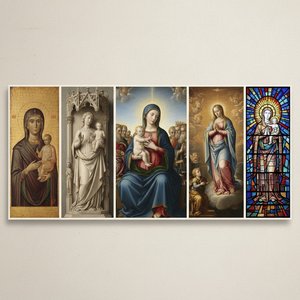
Divine Grace: A Journey Through the Most Iconic Depictions of the Virgin Mary in Art History
Embark on a profound journey through art history with our exploration of the most iconic depictions of the Virgin Mary. Discover the divine grace, symbolism, and masterful techniques found in Renaissance masterpieces and sacred iconography.
Giulio Romano: A Master of Mannerism & the Palazzo Te Legacy
Explore the revolutionary art of Giulio Romano, master of Mannerism & architect of Palazzo Te. Discover his influence, investment potential, and stunning frescoes – a guide for discerning collectors.
