

 معاينة الحجم الواقعي
 إرسال
إرسال مشاركة
 عرض التفاصيل
 دليل الأعمال الفنية للطلاب

 تحميل
تحميل
 قطع مشابهة
 الأشعة السينية
 عرض شرائح متتابع
 الإحصائيات
Façade and courtyard view


 اقرأ المزيد
طباعة جيلي / مطبوعات فنية
طباعة جيكلي أو كانفاس بجودة المتاحف، مع سرعة في التنفيذ وخيارات متنوعة للتشطيب. ( اطلب نسخة مرسومة يدويًا التحويل إلى الصورة الرقمية)




P118B E£10

P118H E£10

P118W E£10

P438Z E£10

P508JH E£12

P508YH E£12

P805H E£10

P805Z E£10

P919BZ E£10

P919G E£10

P919XJ E£10

P959ZH E£10

P968JZ E£12

W106C E£8

W218G E£10

W218JH E£8

W218Y E£10

W307PJ E£10

W316G E£10

W316PJ E£8

W316Y E£10

W398PJ E£8

W4111J E£10

W500HY E£15

W500JH E£15

W692G E£12

W849H E£8

W940BG E£15

W953PJ E£8




اختر من بين أحجامنا المُعدّة مسبقاً والتي تتوافق مع النسب الأصلية للعمل الفني.

يمكنك إدخال أبعاد خاصة لتناسب إطاراً أو مساحة معينة. وفي حال عدم تطابق الحجم المختار مع نسب الصورة الأصلية، سنقوم إما بقص العمل الفني أو تمديد الصورة باستخدام حافة معكوسة أو لون مصمت. وسيتم إرسال نموذج تجريبي رقمي لاعتمادك قبل بدء عملية الإنتاج.
يرجى ملاحظة أن المعاينة على الشاشة لا تعكس عملية القص أو التمديد الفعلية؛ حيث سيوضح النموذج التجريبي فقط التكوين النهائي بدقة.
وعلى الرغم من توفر أحجام مخصصة، إلا أننا نوصي باختيار أبعاد من القائمة المحددة مسبقاً للحفاظ على النسب الأصلية.
توصيل عالمي إلى خلال أسبوعين بدلاً من المدة القياسية البالغة 4/5 أسابيع. (11 أكتوبر)

شحن سريع ومجاني لجميع أنحاء العالم

قماش كتان فاخر

تأمين شامل على الشحن

ضمان استرداد الرسوم الجمركية

ضمان دقة مطابقة الألوان

سياسة الإرجاع خلال 100 يوم (في حالات العيوب فقط)

ضمان استرداد نقدي بنسبة 100%

عرض خصم الكميات
 خيار الزجاج متاح فقط للمقاسات التي تقل عن 110 سم

Façade and courtyard view
طباعة جيلي / مطبوعات فنية
مقاس النسخة المطبوعة
-


إجمالي السعر
E£ 4107
A Frozen Moment of Renaissance Grandeur: Exploring Giulio Romano’s “Façade and Courtyard View”
Giulio Romano's "Façade and Courtyard View," painted in 1526, isn’t merely a depiction of architecture; it’s a meticulously crafted illusion, a testament to the burgeoning Mannerist style that challenged the established harmony of the High Renaissance. This remarkable work, now available as a stunning reproduction, offers a captivating glimpse into the world of Federico II Gonzaga and his court in Mantua – a realm where art, architecture, and theatrical spectacle converged with breathtaking ambition. The image itself presents a carefully constructed dialogue between two perspectives: a monochrome, almost ghostly view of an older building alongside a vibrant, color-infused representation of its restored state. This juxtaposition immediately invites contemplation on the passage of time, the nature of preservation, and the enduring power of artistic vision.
The original painting, housed in the Palazzo Te, Mantua, was conceived as part of a larger decorative program for the villa’s expansive grounds. Romano, having been summoned to Mantua by Federico Gonzaga after his time with Raphael in Rome, quickly established himself as the court's principal artist and architect. The palazzo itself—a sprawling complex of interconnected buildings, gardens, and fountains—became a showcase for Romano’s innovative style, blending classical influences with a distinctly Mannerist sensibility. “Façade and Courtyard View” captures this spirit perfectly, demonstrating Romano’s mastery of illusionistic painting and his willingness to push the boundaries of artistic convention.
Mannerism: A Dance of Distortion and Drama
To understand "Façade and Courtyard View," one must grasp the essence of Mannerism. Emerging in the wake of Raphael’s death, it rejected the balanced proportions and serene idealism of the High Renaissance in favor of a more subjective, emotionally charged approach. Mannerist artists sought to create works that were unsettling, ambiguous, and often deliberately distorted – a deliberate departure from the classical ideals of beauty and harmony. Romano embraced this aesthetic with gusto, employing techniques such as elongated figures, exaggerated poses, vibrant colors, and complex spatial arrangements. The painting’s monochrome top image immediately establishes this sense of unease, hinting at decay and neglect, while the color rendition offers a stark contrast – a carefully staged restoration that attempts to recapture a lost grandeur.
Notice how Romano utilizes *trompe-l'oeil* techniques—the art of creating an illusion of three-dimensionality on a two-dimensional surface. The rusticated masonry, with its rough, uneven texture, contrasts sharply with the smooth, polished surfaces of the pilasters and windows. This deliberate juxtaposition creates a dynamic visual tension, drawing the viewer’s eye to specific details and inviting them to question what is real and what is merely an illusion. The subtle shifts in perspective between the two images further enhance this effect, suggesting that we are witnessing not just a building but also a carefully constructed narrative.
Symbolism and the Gonzaga Court
The Palazzo Te itself was designed as a lavish pleasure palace for Federico II Gonzaga, reflecting his wealth, power, and refined taste. The “Façade and Courtyard View” is therefore deeply intertwined with the symbolism of the Gonzaga court. The building’s elaborate decoration—including frescoes depicting mythological scenes, allegorical figures, and portraits of Federico’s ancestors—served to reinforce his authority and celebrate his lineage. The choice of a monochrome image for the older façade suggests a sense of loss and decline, while the color rendition of the restored building symbolizes the Gonzaga family's continued patronage of the arts and their commitment to preserving the legacy of Mantua.
The inclusion of both images—the weathered facade and its vibrant restoration—is particularly significant. It speaks to the cyclical nature of time, the impermanence of beauty, and the enduring human desire to recapture the past. It’s a poignant reminder that art, like memory, can be both cherished and reconstructed.
Bringing Romano's Vision Home
A high-quality reproduction of “Façade and Courtyard View” offers a unique opportunity to bring this extraordinary work into your own space. Whether adorning a formal dining room or a study, this image will serve as a constant source of inspiration—a reminder of the power of artistic vision, the beauty of Mannerist style, and the enduring legacy of Giulio Romano. It’s more than just a painting; it's a portal to a bygone era, a testament to the artistry and ambition of the Gonzaga court.
الأسئلة والأجوبة
أين يمكنني شراء نسخة مطبوعة من "Façade and courtyard view" للفنان جوليو رومانو؟
للحصول على نسخة مطبوعة من "Façade and courtyard view" للفنان جوليو رومانو، ما عليك سوى طلبها عبر هذه الصفحة: مطبوعة فنية فاخرة على قماش قطني أو ورق كانفاس أرشيفي.
ما هي الزاوية الأنسب في المنزل لوضع نسخة من "Façade and courtyard view"؟
يُنصح بوضع "Façade and courtyard view" للفنان جوليو رومانو في Living Room. يعتمد هذا الاقتراح على موضوع العمل وألوانه وأجوائه العامة.
أين يمكنني مشاهدة معاينة لـ "Façade and courtyard view"؟
يمكنك معاينة "Façade and courtyard view" للفنان جوليو رومانو عبر صفحة معاينة الخاصة بالعمل الفني.
من الذي أبدع "Façade and courtyard view"؟
الفنان الذي أبدع عمل "Façade and courtyard view" هو جوليو رومانو. العمل مُدرج تحت اسم جوليو رومانو.
في أي عام تم إبداع "Façade and courtyard view" للفنان جوليو رومانو؟
يعود تاريخ إبداع "Façade and courtyard view" للفنان جوليو رومانو إلى عام 1526.
كم كان عمر جوليو رومانو عندما أُبدع العمل "Façade and courtyard view"؟
أبدع جوليو رومانو لوحة "Façade and courtyard view" وهو في سن 27. وُلد الفنان في 1499 ويعود تاريخ هذا العمل إلى 1526.
هل تُعد "Façade and courtyard view" نموذجاً لما اعتاد جوليو رومانو على إبداعه عادةً؟
يصور "Façade and courtyard view" موضوعات architecture, palazzo te, giulio romano, renaissance, fresco, italy, mantua, mannerism، بينما تتمثل الثيمات المسجلة لـ جوليو رومانو في raphael’s influence, mannerist style, gonzaga court, lavish patronage, roman antiquity, classical motifs, palazzo te, architectural design. وتُظهر المقارنة بينهما مدى ارتباط هذا العمل بالموضوعات المعتادة للفنان.
نبذة عن الفنان
بداية رومانية وتلمذة تحت إشراف معلم بارز
جوليو رومانو، وُلد جوليو بيبي حوالي عام 1499 في روما، وبرز خلال فترة من النشاط الفني الهائل. التفاصيل المحيطة بحياته المبكرة لا تزال غامضة إلى حد ما، ولكن من المعروف أنه دخل بسرعة في مدار رافائيل، ربما أشهر رسامي عصر النهضة العليا. أثبتت هذه التلمذة أنها محورية، حيث شكلت مهاراته التقنية ليس فقط بل وضعت الأساس لاستكشافاته الأسلوبية المستقبلية. لم يكن مجرد مساعد في الاستوديو؛ سرعان ما أصبح جوليو متعاونًا لا غنى عنه، وساهم في مشاريع مهمة مثل زخرفة غرف الفاتيكان – تلك الغرف الرائعة التي طلبتها الباباوات يوليوس الثاني وليو العاشر. يمكن تحديد يده في لوحة *الحريق في بورغو* الضخمة، حيث ساعد رافائيل في تصوير مشهد درامي للتدخل المعجزة. بعد وفاة رافائيل المفاجئة عام 1520، ورث جوليو مسؤولية إكمال العديد من التكليفات غير المكتملة، بما في ذلك زخرفة فيلا ماداما الكبيرة للكاردينال جوليانو دي ميديشي. هذا التعرض المبكر للمشاريع واسعة النطاق ومتطلبات الرعاية الأرستقراطية غرس فيه ثقة وطموحًا سيعرفان مسيرته اللاحقة.ميلاد المانييرية: الابتعاد عن الانسجام الكلاسيكي
بينما كان جوليو رومانو متجذرًا بعمق في التقاليد النهضوية، سرعان ما انحرف مساره الفني عن التركيز السائد على التوازن والانسجام الكلاسيكي. أصبح شخصية رئيسية في تطوير المانييرية – وهو أسلوب يتميز بالاصطناعية والأناقة وغالبًا ما يكون هناك تشويهات مزعجة للشكل. متأثرًا بشدة بشخصيات ميشيلانجيلو القوية وتكويناته الديناميكية، بالإضافة إلى مناخ أوسع من التجارب الفنية، بدأ جوليو في تبني عدم التماثل والتوتر والكثافة العاطفية في عمله. لم يكن هذا رفضًا للمثل العليا للنهضة بقدر ما كان استكشافًا متعمدًا لحدودها، وتجاوز قيود الواقعية لخلق أعمال كانت أكثر تعبيرًا وإثارة للتفكير. قام بشكل متزايد بتعديل خطط رافائيل، وحقن حساسية جديدة في الفن الروماني—بيان للمانييرية على نطاق واسع. يتضح هذا التحول بوضوح في رسوماته، التي تظهر حرية ملحوظة في الخط وميلًا للتشويه المنظوري الدرامي.سيد مانتوا: بالاتزو تي والابتكار المعماري
في عام 1524، قبل جوليو دعوة فيديريكو غونزاغا، دوق مانتوفا، ليصبح رسام البلاط ومعماره. مثّل هذا نقطة تحول في حياته المهنية، ووفر له حرية إبداعية وموارد غير مسبوقة. أصبح بشكل أساسي مسؤولاً عن جميع الأنشطة الفنية داخل الدوقية، والإشراف ليس فقط على اللوحات والجداريات ولكن أيضًا على المشاريع المعمارية وتصميمات الحدائق وحتى الإنتاجات المسرحية. يعتبر إنجازه الأكثر شهرة خلال هذه الفترة بلا شك بالاتزو تي، وهي فيلا ضاحية غير عادية تقف بمثابة شهادة على عبقريته المبتكرة. تتميز الديكورات الداخلية للقصر بجداريات وهمية مذهلة من حيث التعقيد والعمق النفسي. *Sala dei Giganti* (قاعة العمالقة)، على سبيل المثال، تصور معركة فوضوية بين الآلهة والعمالقة، وتغمر المشاهد في دوامة من الشخصيات والشظايا المعمارية. يخلق هذا التلاعب الماهر بالمساحة والمنظور تجربة غامرة هي مثيرة للإعجاب والمزعجة على حد سواء. بالإضافة إلى بالاتزو تي، قام جوليو أيضًا بتجديدات كبيرة في قصر مانتوفا الكاثدرائية الدوقية، تاركًا بصمة لا تمحى على المشهد الحضري للمدينة.الإرث والتأثير الدائم
توفي جوليو رومانو في مانتوفا عام 1546، وترك وراءه إرثًا امتد إلى ما هو أبعد من حدود إيطاليا. كانت رسوماته موضع تقدير كبير من قبل هواة الجمع، وكانت النقوش المستندة إلى أعماله – وخاصة تلك التي قام بها ماركانتونيو رايموندي – لعبت دورًا حاسمًا في نشر الأساليب الفنية الإيطالية في جميع أنحاء أوروبا. كان مشهورًا جدًا بعد وفاته لدرجة أنه الفنان "الحديث" الوحيد الذي ذكره ويليام شكسبير في مسرحية—وهو دليل على شهرته الواسعة. يمكن رؤية تأثيره في أعمال العديد من الفنانين اللاحقين، الذين تبنوا تكويناته الديناميكية وشخصياته الممدودة واستخدامه التعبيري للون. في حين أن المانييرية مهدت الطريق لاحقًا لحركات أسلوبية أخرى، إلا أن مساهمات جوليو رومانو تظل ضرورية لفهم تطور الفن الغربي. إنه يمثل لحظة محورية—انتقال من المثل العليا المتناغمة لعصر النهضة العليا إلى الجمالية الأكثر تعقيدًا وشحنة عاطفية في أواخر القرن السادس عشر. لا يزال عمله يأسر المشاهدين ويتحدىهم اليوم، ويذكرنا بقوة الفن في عكس فهمنا للعالم وتشكيله.
جوليو رومانو
1499 - 1546 , إيطاليا
لمحة سريعة
- أعمال بارزة:
- حريق بورغو
- قصر تيه
- فيلا ماداما
- الاسم الكامل: جوليو رومانو
- الجنسية: إيطالي
- الحركة الفنية: المانيرية
- الفنانون المؤثرون:
- رافائيل
- مايكل أنجلو
- الفنانون المتأثرون: ['فنانو المانيرية']
- تاريخ الميلاد: حوالي 1499
- تاريخ الوفاة: 1 نوفمبر 1546
- مكان الميلاد: روما، إيطاليا
مقالات ذات صلة
قوة الذكريات الحية: الفريسكات الداخلية وتأثيرها العاطفي على المساحات المعيشية
اكتشف قوة الفريسكو وتأثيره العاطفي على المساحات المعيشية. دليل شامل لتاريخ هذا الفن العريق وتقنياته، مع روائع عصر النهضة ونصائح للاستثمار في الأعمال الفنية الراقية.

The Enduring Legacy of Fresco Painting: Techniques, History & Contemporary Relevance
Explore the rich history & enduring artistry of fresco painting – from Giotto to Michelangelo! Discover techniques, conservation efforts, & modern applications. Learn how OriginalUniqueArt brings this timeless art form to your home.

The Enduring Legacy of Fresco: Technique, History & Artistic Expression Across Cultures
Explore the rich history & enduring legacy of fresco painting! Discover ancient techniques, Giotto's masterpieces, and modern applications. Expert insights for art lovers & professionals.

الفريسكو كإرث عائلي: الحفاظ على التراث من خلال فن الجدار
اكتشف فن الفريسكو العريق وتاريخه الغني مع OriginalUniqueArt. خبراء في الحفاظ على التراث، وتقديم أعمال فنية فاخرة مخصصة لتصميم منزلك. جودة عالية وموثوقية تضمن إرثًا دائمًا.
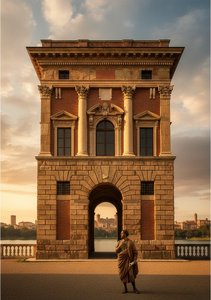
Giulio Romano: A Master of Mannerism & the Palazzo Te Legacy
Explore the revolutionary art of Giulio Romano, master of Mannerism & architect of Palazzo Te. Discover his influence, investment potential, and stunning frescoes – a guide for discerning collectors.
