Italian Renaissance · 1550
Pietà (جوليو كلوفيو, 1550)
أبدع جوليو كلوفيو (1498–1578) في Pietà. يعود تاريخها إلى 1550. تنتمي إلى حركة Italian Renaissance. صُنعت من Manuscript. تُحفظ في معرض أوفيزي في فلورنسا, إيطاليا. أبعادها 368 × 257 cm
- 1550
- Manuscript
- 368 × 257 cm
- معرض أوفيزي, فلورنسا

 معاينة الحجم الواقعي

 لوحة زيتية مرسومة يدوياً
 مشاركة
 مشاركة
 ورقة الحقائق


 تحميل الملف
 قطع مشابهة
 الأشعة السينية
 عرض شرائح
 الأسئلة والأجوبة

 الإحصائيات
Pietà باختصار
- العنوان
- Pietà
- الفنان
- جوليو كلوفيو (1498–1578)
- تاريخ ميلاد الفنان
- غريژاني, كرواتيا
- التاريخ
- 1550
- الوسيط الفني
- Manuscript
- الأبعاد
- 368 × 257 cm
- أين يمكن مشاهدتها
- معرض أوفيزي, فلورنسا, إيطاليا
- الحركة
- Italian Renaissance
- الحقبة
- Renaissance
- الموضوع
- virgin mary, jesus christ, religious iconography, renaissance art, classical composition, emotional depth
ماذا يصور Pietà؟
A Testament to Sorrow and Divine Grace
In the quiet, hallowed corridors of art history, few images resonate with the profound emotional gravity found in Giulio Clovio’s Pietà. Created around 1550, this masterpiece serves as a breathtaking bridge between the fading echoes of the Gothic tradition and the luminous dawn of the High Renaissance. The scene captures the quintessential moment of Christian sorrow: the Virgin Mary cradling the lifeless body of Jesus Christ following his crucifixion. It is not merely a depiction of death, but a profound meditation on compassion—the very meaning of the word Pietà. Through Clovio’s masterful hand, the heavy weight of mortality is balanced by an ethereal sense of divine grace, inviting the viewer into a space of deep, contemplative mourning.
The composition is a masterclass in Renaissance balance and narrative depth. At the heart of the work, Mary sits as a pillar of strength and grief, her blue cloak—a color traditionally symbolizing her heavenly connection—draped with a weight that mirrors her sorrow. The figure of Christ, depicted with a serene, almost peaceful countenance despite his recent agony, rests heavily in her lap, creating a poignant focal point that draws the eye through its sheer vulnerability. Surrounding this central tragedy, celestial beings and saints emerge from the shadows; angels with active, reaching gestures and observers in prayerful poses create a sense of a cosmic event unfolding. This layering of figures ensures that the viewer’s gaze wanders through a complex web of devotion, from the intimate touch of a mother to the collective mourning of the heavens.
Technique and the Radiance of Light
What truly distinguishes Clovio’s work is his unparalleled ability to manipulate light and color, a skill honed during his time as one of history's greatest manuscript illuminators. Though this piece possesses the scale and grandeur of a monumental painting, it retains the meticulous, jewel-like precision of a miniature. Clovio employed a sophisticated technique of layering translucent glazes over gold leaf, a method that allows light to penetrate the surface and reflect back, creating an inner luminosity that seems to emanate from within the figures themselves. The use of ultramarine blue, derived from the precious stone lapis lazuli, provides a depth of color that is both regal and somber, anchoring the composition in a palette of earth tones and celestial blues.
The interplay of light and shadow—chiaroscuro—is used here not just for anatomical realism, but to direct the emotional narrative. Light strikes Mary’s face from the side, carving her features out of the darkness and highlighting the subtle lines of grief and devotion. This dramatic contrast creates a sculptural quality, giving the figures a tangible presence that commands the room. For the discerning collector or interior designer, such a work offers more than mere decoration; it provides a focal point of immense character. A high-quality reproduction of this Pietà brings with it an atmosphere of timelessness and intellectual depth, making it an exquisite addition to a curated space that values historical resonance and the profound beauty of the human spirit.
أي متحف يضم Pietà؟
معرض أوفيزي
فلورنسا, إيطاليا
تاريخ وأصول معرض أوفيزي يقع معرض أوفيزي في مدينة فلورنسا الإيطالية الساحرة، حيث تأسست هذه المؤسسة العريقة في عام 1560، وهي الفترة التي صمم فيها جورجيو فازاري هذا الصرح في الأصل ليكون مقراً للقضاة والمسؤولين الفلورنسيين. وقد استغرقت عملية بناء هذا الهيكل المعماري ما بين عامي 1560 و1580، حيث صُممت هذه المكاتب الإدارية لتكون مركزاً يجمع شتات اللجان والوكالات المختلفة التابعة لحكومة المدينة. وعلى مر عدة قرون، شهد المبنى تحولاً تاريخياً من كونه مقراً للسلطة والحكم إلى فضاء عام متاح للجميع؛ ففي عام 1769، فُتحت أبوابه رسمياً أمام الجمهور، ليتوج مساره التاريخي ويتحول إلى متحف رسمي في عام 1865.
 استمتع بـ 'ولادة فينوس' لساندرو بوتيتشيلي! تحفة فنية من عصر النهضة تعرض الجمال والأناقة الكلاسيكية. امتلك نسخة طبق الأصل مذهلة من هذه التحفة الفنية الشهيرة - الأناقة الخالدة في انتظارك.
ولادة فينوس
artworks_database
/en/art/sandro-botticelli-the-birth-ساندرو بوتيتشيلي, 1485
 ساندرو بوتيتشيلي
: شاعر الجمال في عصر النهضة
فلورنسا
إيطاليا
1445
1510
203 × 314 سم
غاليريا ديغللو افيزي، فلورنسا
تمبرا على لوح خشبي
النهضة المبكرة
الشخصية المركزية فينوس
الفن الإيطالي النهضوي
أ allegorical mythologic
الربيعساندرو بوتيتشيلي, 1482
 أفروديت في أوربينوتيتيان, 1538
صور عالية الدقة لـ Pietà

جوليو كلوفيو, Pietà (1550), معرض أوفيزي. ملك عام
أسئلة وإجابات حول Pietà
في أي متحف يُعرض العمل الأصلي "Pietà"؟
تُعرض لوحة "Pietà" للفنان جوليو كلوفيو في معرض أوفيزي, فلورنسا, إيطاليا. ويشير وصف المتحف إلى العمل الأصلي، وليس إلى النسخ المطبوعة.
في أي عام أُبدع العمل "Pietà" للفنان جوليو كلوفيو؟
يعود تاريخ "Pietà" إلى عام 1550، وهو ما يضع العمل ضمن المسيرة المهنية لـ جوليو كلوفيو وفي سياق حقبته الزمنية.
ما هي التقنية المستخدمة في تنفيذ "Pietà" للفنان جوليو كلوفيو؟
تعتمد التقنية المستخدمة في "Pietà" للفنان جوليو كلوفيو على Manuscript، وتهدف النسخ المطبوعة إلى محاكاة مظهر هذه التقنية.
ما هي أبعاد العمل الأصلي "Pietà"؟
تبلغ أبعاد العمل الأصلي "Pietà" للفنان جوليو كلوفيو 368 x 257 cm.
ماذا يصور "Pietà"؟
تُصور "Pietà" للفنان جوليو كلوفيو: virgin mary, jesus christ, religious iconography, renaissance art, classical composition, emotional depth, medieval influence.
هل العمل "Pietà" ضمن الملكية العامة؟
حالة حقوق الطبع والنشر لـ "Pietà" للفنان جوليو كلوفيو: العمل يقع ضمن ملك عام - انتهت مدة حماية حقوق الطبع والنشر الخاصة به، وهو ما يحدد مدى إمكانية إعادة إنتاج الصورة بحرية.
من هو الفنان الذي يُنسب إليه العمل "Pietà"؟
الفنان الذي أبدع عمل "Pietà" هو جوليو كلوفيو، والعمل مُدرج تحت اسم جوليو كلوفيو.
إلى أي حركة فنية ينتمي العمل "Pietà" للفنان جوليو كلوفيو؟
تنتمي لوحة "Pietà" للفنان جوليو كلوفيو إلى حركة Italian Renaissance الفنية، ويضع هذا التصنيف العمل ضمن سياق مجموعة من الفنانين والأعمال الفنية ذات الصلة.
إلى أي مرحلة من مسيرة جوليو كلوفيو الفنية تنتمي لوحة "Pietà"؟
تندرج لوحة "Pietà" ضمن مرحلة Mature Period من مسيرة جوليو كلوفيو المهنية، وهي مرحلة تتيح مقارنة هذا العمل بأعمال الفنان الأخرى.
عن الفنان، جوليو كلوفيو

1498–1578, كرواتيا
جوليو كلوفيو
منارة كرواتية في عصر النهضة الإيطالي يبرز جوليو كلوفيو، الذي ولد باسم يوراي جولي جليوفيتش عام 1498 وسط التلال المتموجة في غريجاني بكرواتيا، كشخصية محورية جسرت الهوة بين تقاليد التذهيب القوطية المتأخرة وعصر النهضة العالي المزدهر. ورغم أن جذوره تمتد إلى مملكة كرواتيا، إلا أن العبقرية الفنية لكلوفيو قد تفتقت أزهارها حقاً في إيطاليا، مما أكسبه شهرة واسعة باعتباره بلا منازع أعظم المذهبين في عصره، وآخر الأستاذة الكبار في سلالة فنية تمتد لعدة قرون. إن قصته هي قصة موهبة استثنائية، ورعاية فنية حصيفة، وتفانٍ لا يتزعزع في تحويل فن المنمنمات إلى شكل فني بالغ الرقي والجمال. لا تزال السنوات الأولى من حياة كلوفيو محاطة ببعض الغموض؛ إذ يُعتقد أنه قد تلقى تدريبه الفني الأولي داخل الدوائر الرهبانية بالقرب من رييكا، ولكن بحلول سن الثامنة عشرة، قاده طموحه إلى إيطاليا.
وأيضاً لـ جوليو كلوفيو
 The Rape of Ganymede
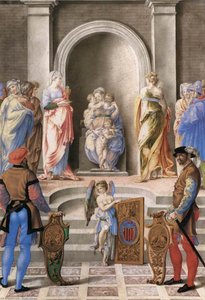 The Three Theological Virtues
 Holy Family with Santa Isabel and San Juanito1556
 Pages from the Farnese Hours1538
مقالات حول Pietà
 Masterpieces of Giotto: The Top 25 Essential Artworks of the Renaissance PioneerExplore Giotto's greatest masterpieces and his role in the Renaissance. Discover the full collection online at OriginalUniqueArt.com.
 Mastering Color and Light: The Timeless Brilliance of Titian's Venetian MasterpiecesExplore the luminous mastery of Titian. Discover how the Venetian master revolutionized color and light through breathtaking Renaissance te…
 Michelangelo Buonarroti: A Renaissance Titan – Life, Works & Enduring LegacyExplore the life, works & enduring legacy of Michelangelo Buonarroti, a Renaissance titan. Discover his iconic sculptures, frescoes, and ar…