

 معاينة الحجم الحقيقي
 مشاركة
 مشاركة
 التفاصيل

 تحميل الملف
 قطع مشابهة
 الأشعة السينية
 عرض شرائح
 الإحصائيات
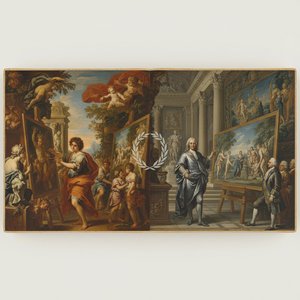
Lady with lapdog

 عرض المزيد
نسخة زيتية مصنوعة يدوياً
لوحة زيتية مرسومة يدوياً على الكانفاس بالمقاس والإطار الذي تفضله، تُنفذ حسب الطلب على أيدي فنانينا. ( التحويل إلى المطبوعات الانتقال إلى الصورة الرقمية)




































اختر من بين أحجامنا المُعدّة مسبقًا والتي تتطابق مع النسب الأصلية للعمل الفني.

يمكنك إدخال أبعادك الخاصة لتناسب إطارًا معينًا أو مساحة محددة. وإذا لم يتطابق الحجم الذي اخترته مع نسب الصورة الأصلية، فسنقوم إما بقص العمل الفني أو توسيع اللوحة بإضافة عناصر مرسومة يدويًا. سيتم إرسال نموذج رقمي إليك للموافقة عليه قبل بدء الإنتاج.
يرجى ملاحظة أن المعاينة على الشاشة لا تعكس عملية القص أو التوسيع الفعلية؛ حيث إن النموذج الرقمي وحده هو الذي سيوضح التكوين النهائي بدقة.
وعلى الرغم من توفر أحجام مخصصة، إلا أننا نوصي باختيار أبعاد من القائمة المحددة مسبقًا للحفاظ على النسب الأصلية للعمل الفني.
بعد إتمام الطلب، سيرسل فريق OriginalUniqueArt.com بريداً إلكترونياً للعميل لطلب التعليمات وتزويده بمعاينة تجريبية (mockup).
توصيل عالمي إلى خلال 3 إلى 4 أسابيع بدلاً من المدة المعتادة البالغة 5 أسابيع. (14 سبتمبر). جودة لا تهاون فيها.

شحن سريع ومجاني لجميع أنحاء العالم

قماش كتان عالي الجودة

تأمين شحن شامل

ضمان استرداد الرسوم الجمركية

ضمان مطابقة الألوان الحقيقية

سياسة الإرجاع خلال 100 يوم (في حالات العيوب فقط)

ضمان استرداد نقدي بنسبة 100%

خصم عند طلب عدة قطع
 خيار الزجاج متاح فقط للمقاسات التي تقل عن 110 سم

Lady with lapdog
خامة إعادة الإنتاج
مقاس النسخة المطبوعة
-


السعر الإجمالي النهائي
$ 300
السيرة الذاتية للفنان
The Florentine Master of Mannerist Drama
Girolamo Macchietti stands as a luminous figure within the vibrant, often turbulent landscape of late 16th-century Florence. A painter whose brush captured the very essence of the Mannerist transition, his life and work reflect the sophisticated evolution from High Renaissance stability to the heightened emotionality and complex compositions that would eventually pave the way for the Baroque era. Born in Florence around 1535 or 1541, Macchietti emerged from a rich artistic lineage, receiving his formative training under the meticulous Michele Tosini. This early education provided him with a foundation of realism and a mastery of color that he would later infuse with the characteristic artifice and psychological depth defining the Mannerist style.
The trajectory of Macchietti’s career was irrevocably shaped by his proximity to the giants of his age, most notably Giorgio Vasari. During the transformative years between 1556 and 1562, Macchietti served as a vital assistant in Vasari's monumental task of decorating the Palazzo Vecchio. Working within the Salone dei Cinquecenti alongside Mirabello Cavalori, he was immersed in a world of grand-scale fresco painting and complex allegorical narratives. This period of intense collaboration did more than merely hone his technical proficiency; it integrated him into the very heart of Florentine civic identity, exposing him to the grandeur and political symbolism that would permeate his later religious and mythological commissions.
A Legacy of Myth and Devotion
As Macchietti’s individual voice matured, his oeuvre began to showcase a remarkable ability to navigate both the sacred and the profane. His participation in the decoration of Francesco I Medici’s prestigious studiolo remains one of his most celebrated achievements. In works such as Jason and Medea (1570) and The Baths of Pozzuoli (1572), he demonstrated a masterful command over composition, using bold colors and dramatic lighting to breathe life into classical legends. These canvases are not merely illustrations of myth but are profound explorations of human passion and tension, rendered with the elongated forms and sophisticated elegance typical of the Florentine school.
Beyond the mythological realms of the Medici court, Macchietti’s spiritual devotion found expression in powerful altarpieces that anchored the religious life of Florence. His Martyrdom of Saint Lawrence for Santa Maria Novella serves as a testament to his ability to evoke profound piety through dramatic movement and light. Whether painting the celestial glory of the Apotheosis of San Lorenzo for the Empoli Cathedral or more intimate religious scenes, he maintained a consistent focus on the psychological weight of his subjects. His later travels, including a significant period in Rome and a two-year sojourn in Spain between 1587 and 1589, further expanded his artistic horizons, though much of his most enduring impact remains rooted in the Florentine tradition.
The historical significance of Girolamo Macchietti lies in his role as a bridge between eras. His work embodies the following characteristics:
- Stylistic Fluidity: The seamless integration of Tosini’s realism with Vasari’s grand Mannerist vision.
- Narrative Complexity: An ability to weave intricate mythological and biblical stories into cohesive, emotionally resonant visual experiences.
- Technical Mastery: A sophisticated use of color, light, and composition that anticipated the dramatic intensity of the coming Baroque period.
Today, as we look upon his surviving works, from the striking Portrait of Lorenzo de' Medici to his evocative religious panels, we witness the hand of an artist who was both a student of tradition and a pioneer of change. Macchietti’s legacy is etched into the very walls of Florence, reminding us of a time when art was a profound dialogue between classical antiquity, religious fervor, and the burgeoning complexity of the modern soul.

Girolamo Macchietti
1535 - 1592 , Italy
حقائق سريعة
- Artistic Movement Or Style: Mannerist
- Artists Or Movements Influenced By This Artist: ['Giorgio Vasari']
- Artists Who Influenced This Artist: ['Michele di Ridolfo']
- Date Of Birth: ca. 1535/1541
- Date Of Death: 1592
- Full Name: Girolamo di Francesco di Mariotto Macchietti
- Nationality: Italian
- Notable Artworks:
- Baths at Pozzuoli
- Portrait of Lorenzo de’ Medici
- Allegorical
- Place Of Birth: Florence, Italy
مقالات ذات صلة
Simon Vouet: A Baroque Master's Journey from Italian Influence to French Classicism
Explore the life & art of Simon Vouet, a pivotal French Baroque painter who introduced Italian styles to France. Discover his masterpieces and lasting influence on 17th-century art.

أعلى 10 روائع باروكية رسمت مسار الفن وجمالية الديكور | OriginalUniqueArt
اكتشف روائع عصر الباروك! استكشف 10 لوحات فنية خالدة مع كارافاجيو، رامبرانت وغيرهم. تاريخ الفن، أسلوب باروكي مذهل، و ديكور منزلي فاخر. تسوق إعادة إنتاج فني عالي الجودة على OriginalUniqueArt.com

Italian Baroque Unlocked: High-Drama Art That Hits Hard
Dive into the high-drama world of Italian Baroque art. Discover how chiaroscuro, intense emotion, and theatrical lighting redefined aesthetics. Explore the visceral power of the Counter-Reformation through a modern lens with expert insights from OriginalUniqueArt.com.

The Visceral Stage: Exploring Dramatic Narratives & Emotional Intensity in Baroque Art
Explore the dramatic world of Baroque art! Discover iconic masters like Caravaggio & Rembrandt, their techniques, and the movement's lasting impact. Expert insights for collectors & enthusiasts at OriginalUniqueArt.

دراما الباروك: إحياء الفخامة والعاطفة في الدواخل المعاصرة
اكتشف سحر الباروك! دليل شامل حول الحركة الفنية، عناصرها الجمالية، وكيفية دمج فخامتها وعاطفتها في الدواخل المعاصرة. نصائح من خبراء OriginalUniqueArt لإضفاء لمسة باروكية على منزلك.