
 معاينة الحجم الواقعي
 إرسال
إرسال مشاركة
 عرض التفاصيل
 دليل الأعمال الفنية للطلاب

 تحميل
تحميل
 قطع مشابهة
 الأشعة السينية
 عرض شرائح متتابع
 الإحصائيات
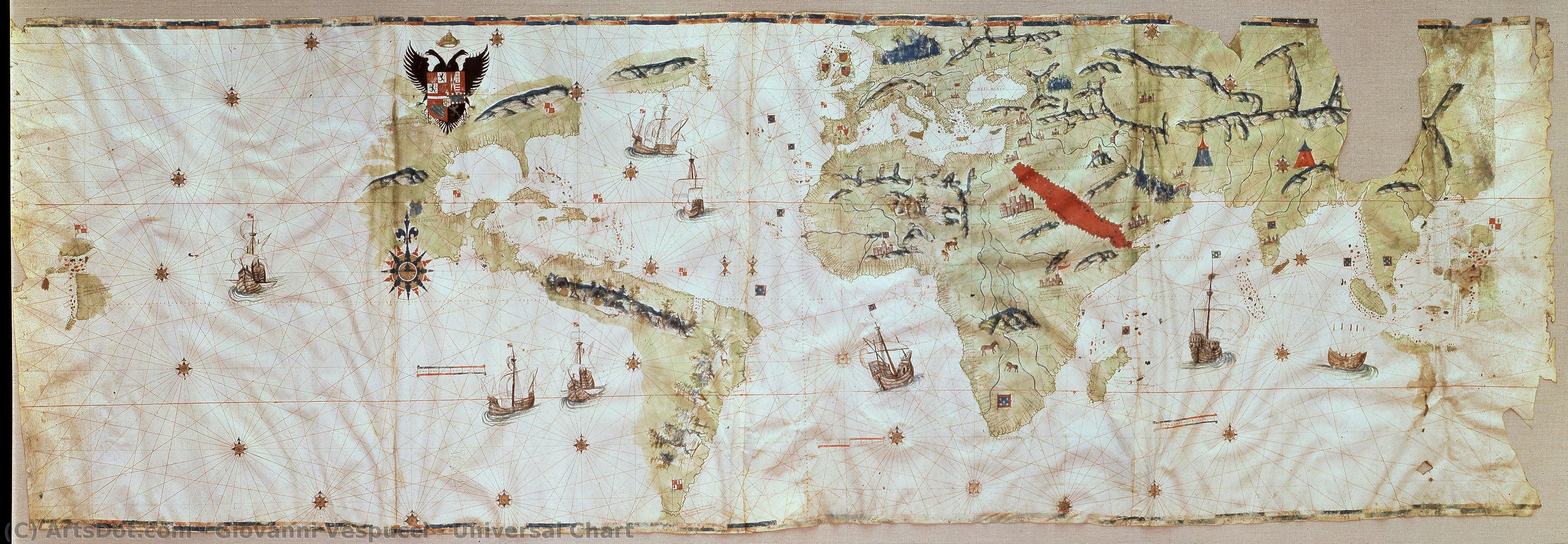
Universal Chart

 اقرأ المزيد
إن العمل الفني المعروض في هذه الصفحة محمي بموجب قوانين حقوق الطبع والنشر، مما يعني أنه لا يحق لنا قانوناً إنشاء أو بيع نسخ مطابقة له. وتُطبق هذه الحماية بموجب الاتفاقيات الدولية مثل الـ اتفاقية برن ووفقاً للقوانين الوطنية، بما في ذلك تلك المنصوص عليها في قانون حقوق الطبع والنشر في الولايات المتحدة - الباب 17.
تتوافق هذه الطريقة تماماً مع لوائح حقوق النشر لأنها لا تتضمن نسخ أو تكرار العمل الفني المحمي، بل هي إعادة تفسير إبداعية؛ أي أنها لوحة جديدة مستوحاة من الأصل ولكنها ليست مطابقة له.
طباعة جيلي / مطبوعات فنية
طباعة جيكلي أو كانفاس بجودة المتاحف، مع سرعة في التنفيذ وخيارات متنوعة للتشطيب. ( اطلب نسخة مرسومة يدويًا التحويل إلى الصورة الرقمية)




































اختر من بين أحجامنا المُعدّة مسبقاً والتي تتوافق مع النسب الأصلية للعمل الفني.

أدخل العرض والارتفاع اللذين تحتاجهما، ليتناسب مع إطارك أو جدارك. يمكن قص المطبوعة فقط، ولا يمكن أبداً جعلها أكبر من الصورة الأصلية، لذا فإن أي مقاس بشكل مختلف سيؤدي إلى فقدان جزء من الصورة. سنرسل لك نموذجاً رقمياً تجريبياً لاعتماده قبل البدء في عملية الطباعة. الصورة المعروضة في هذه الصفحة لا توضح القص الفعلي — النموذج التجريبي فقط هو ما يظهر ذلك.
توصيل عالمي إلى خلال أسبوعين بدلاً من المدة القياسية البالغة 4/5 أسابيع. (25 أكتوبر)

شحن سريع ومجاني لجميع أنحاء العالم

قماش كتان فاخر

تأمين شامل على الشحن

ضمان استرداد الرسوم الجمركية

ضمان دقة مطابقة الألوان

سياسة الإرجاع خلال 100 يوم (في حالات العيوب فقط)

ضمان استرداد نقدي بنسبة 100%

عرض خصم الكميات
 خيار الزجاج متاح فقط للمقاسات التي تقل عن 110 سم

Universal Chart
طباعة جيلي / مطبوعات فنية
مقاس النسخة المطبوعة
-


إجمالي السعر
E£ 4140
الأسئلة والأجوبة
هل تبدو ألوان "Universal Chart" قوية أم هادئة؟
تتميز شدة ألوان "Universal Chart" بأنها Balanced. وتصف الشدة مدى قوة ووضوح الألوان.
ما مدى التناغم بين ألوان "Universal Chart"؟
تُظهر لوحة "Universal Chart" للفنان Giovanni Vespucci تناغماً لونياً Strong Color Unity.
أي متحف يضم العمل الأصلي "Universal Chart"؟
تُعرض لوحة "Universal Chart" للفنان Giovanni Vespucci في المتحف البحري, مدريد, إسبانيا. ويشير بيان المتحف إلى العمل الأصلي، وليس إلى النسخ المطبوعة.
نبذة عن الفنان
A Cartographer’s Vision: The Life and Legacy of Giovanni Vespucci
Giovanni Vespucci, born in Florence around 1487, remains a figure shrouded in some historical ambiguity, yet his contributions to the burgeoning field of cartography during the Age of Exploration are undeniable. While often overshadowed by the fame of his uncle, Amerigo Vespucci – for whom the Americas are named – Giovanni carved out his own significant role as an Italo-Spanish geographer and cosmographer. His life unfolded against a backdrop of intense maritime discovery, shifting geopolitical landscapes, and a thirst for knowledge that propelled European exploration to unprecedented heights. Giovanni’s early education in Florence, likely under the tutelage of humanist scholars, provided him with a strong foundation in geography, astronomy, and Latin – skills crucial for his future endeavors. He eventually settled in Seville, Castile (Spain), where his uncle held the prestigious position of pilot major for the House of Indies, an institution responsible for overseeing Spain’s colonial affairs. This familial connection proved pivotal, opening doors to employment as a cartographer within the same organization following Amerigo's death.From Apprentice to Cosmographer: A Career Defined by Maps
Giovanni Vespucci’s career blossomed in Seville during a period of intense mapmaking activity. He wasn’t merely copying existing charts; he actively engaged in creating new representations of the world, informed by the latest discoveries and striving for greater accuracy. Two manuscript maps signed by him have survived to this day: a portolan chart from 1520 and a larger nautical-style planisphere dated 1526. Portolan charts were renowned for their meticulous depiction of coastlines, derived from compass bearings and careful observation – they served as essential navigational tools for sailors. Vespucci’s skill lay in updating these traditional forms with the new geographical information flooding in from voyages across the Atlantic and beyond. Beyond these surviving manuscripts, a world map published around 1524 is attributed to him, existing in several variations. This map, created using a polar azimuthal equidistant projection, demonstrates his willingness to experiment with different cartographic techniques and present a comprehensive view of the known world. His work wasn’t simply about charting landmasses; it was an attempt to synthesize disparate information into a coherent and usable form for explorers, merchants, and policymakers alike.The Badajoz Meeting: A Cosmographer at the Forefront of Geopolitical Debate
In 1524, Giovanni Vespucci found himself thrust into a high-stakes diplomatic arena. He was summoned as an expert to participate in a board meeting held in Badajoz, Spain, tasked with resolving territorial disputes between Spain and Portugal. This gathering brought together some of the most prominent cartographers, navigators, and cosmographers of the era – figures like Hernando Colón (son of Christopher Columbus), Sebastián Caboto, Juan Sebastián Elcano, and Diego Ribeiro. Vespucci’s presence at this meeting underscores his standing within the Spanish court as a respected authority on geographical matters. The discussions centered around clarifying boundaries in the newly discovered lands, a complex undertaking fraught with political implications. His role was to provide expert analysis and contribute to a resolution that would define the respective spheres of influence for both Iberian powers. This event highlights not only his technical expertise but also his ability to navigate the intricate world of international diplomacy.Influences and Techniques: Bridging Tradition and Innovation
Giovanni Vespucci’s cartographic style was deeply rooted in the traditions of the portolan chart, emphasizing accuracy in coastal depictions and reliance on empirical observation. However, he wasn't a mere imitator. He skillfully integrated new discoveries – particularly those made by his uncle Amerigo and other explorers – into his maps, expanding the known world beyond its medieval confines. His experimentation with different map projections, such as the polar azimuthal equidistant projection, demonstrates a willingness to embrace innovation and explore alternative ways of representing geographical data. The influence of Renaissance humanism is also evident in his work, reflected in his meticulous attention to detail, his desire for clarity and comprehensiveness, and his commitment to synthesizing knowledge from diverse sources. He drew upon classical texts, contemporary accounts, and the latest navigational reports to create maps that were both aesthetically pleasing and scientifically informative.Historical Significance: Shaping European Understanding of the World
Giovanni Vespucci’s legacy lies in his contribution to shaping European understanding of the world during a pivotal period of exploration and colonization. His maps weren't simply geographical representations; they were instruments of power, influencing trade routes, colonial ambitions, and geopolitical strategies. By updating existing charts with new discoveries and experimenting with innovative techniques, he played a crucial role in disseminating knowledge about the Americas and other newly encountered lands. While his name may not be as widely recognized as that of his uncle, Giovanni Vespucci’s work stands as a testament to the skill and dedication of the cartographers who painstakingly charted the course of exploration and helped define the modern world map. His maps served as vital tools for navigators, merchants, and policymakers, leaving an indelible mark on the history of European expansion and global interaction.
Giovanni Vespucci
1484 - , Italy
لمحة سريعة
- Full Name: Giovanni Vespucci
- Nationality: Italian-Spanish
- Date Of Birth: 1484
- Date Of Death: After 1527
- Place Of Birth: Florence, Italy
- Notable Artworks:
- Portolan Chart
- Universal Chart
- Artistic Movement Or Style: Cartography, Cosmography