

 معاينة الحجم الحقيقي
 مشاركة
 مشاركة
 التفاصيل

 تحميل الملف
 قطع مشابهة
 الأشعة السينية
 عرض شرائح
 الإحصائيات
Wooden base for a tabletop
 Baroque
 1711
1711 81.0 x 81.0 cm
 Liechtenstein Museum
 عرض المزيد
نسخة زيتية مصنوعة يدوياً
لوحة زيتية مرسومة يدوياً على الكانفاس بالمقاس والإطار الذي تفضله، تُنفذ حسب الطلب على أيدي فنانينا. ( التحويل إلى المطبوعات الانتقال إلى الصورة الرقمية)




P118B $10

P118H $10

P118W $10

P438Z $10

P508JH $12

P508YH $12

P805H $10

P805Z $10

P919BZ $10

P919G $10

P919XJ $10

P959ZH $10

P968JZ $12

W106C $8

W218G $10

W218JH $8

W218Y $10

W307PJ $10

W316G $10

W316PJ $8

W316Y $10

W398PJ $8

W4111J $10

W500HY $15

W500JH $15

W692G $12

W849H $8

W940BG $15

W953PJ $8




اختر من بين أحجامنا المُعدّة مسبقًا والتي تتطابق مع النسب الأصلية للعمل الفني.

يمكنك إدخال أبعادك الخاصة لتناسب إطارًا معينًا أو مساحة محددة. وإذا لم يتطابق الحجم الذي اخترته مع نسب الصورة الأصلية، فسنقوم إما بقص العمل الفني أو توسيع اللوحة بإضافة عناصر مرسومة يدويًا. سيتم إرسال نموذج رقمي إليك للموافقة عليه قبل بدء الإنتاج.
يرجى ملاحظة أن المعاينة على الشاشة لا تعكس عملية القص أو التوسيع الفعلية؛ حيث إن النموذج الرقمي وحده هو الذي سيوضح التكوين النهائي بدقة.
وعلى الرغم من توفر أحجام مخصصة، إلا أننا نوصي باختيار أبعاد من القائمة المحددة مسبقًا للحفاظ على النسب الأصلية للعمل الفني.
بعد إتمام الطلب، سيرسل فريق OriginalUniqueArt.com بريداً إلكترونياً للعميل لطلب التعليمات وتزويده بمعاينة تجريبية (mockup).
توصيل عالمي إلى خلال 3 إلى 4 أسابيع بدلاً من المدة المعتادة البالغة 5 أسابيع. (9 سبتمبر). جودة لا تهاون فيها.

شحن سريع ومجاني لجميع أنحاء العالم

قماش كتان عالي الجودة

تأمين شحن شامل

ضمان استرداد الرسوم الجمركية

ضمان مطابقة الألوان الحقيقية

سياسة الإرجاع خلال 100 يوم (في حالات العيوب فقط)

ضمان استرداد نقدي بنسبة 100%

خصم عند طلب عدة قطع
 خيار الزجاج متاح فقط للمقاسات التي تقل عن 110 سم

Wooden base for a tabletop
خامة إعادة الإنتاج
مقاس النسخة المطبوعة
-


السعر الإجمالي النهائي
$ 300
A Glimpse into Venetian Opulence: The Tabletop Base by Giovanni Giuliani
This exquisitely crafted wooden base, dating to 1711, offers a captivating window into the lavish world of early 18th-century Venice. Created by the skilled hand of Giovanni Giuliani, a master known for his allegorical and mythological depictions, this piece transcends mere furniture; it is a sculptural statement designed to elevate any space with its dramatic presence. The base’s rich, gold-toned wood immediately evokes a sense of luxury, while the intricate carvings speak to the dedication and artistry prevalent during the Baroque period. It's important to note that this is *only* the base – originally paired with a mosaic or marble tabletop, completing the opulent vision.Baroque Flourishes & Masterful Technique
The style of this tabletop base is firmly rooted in the Baroque aesthetic, transitioning towards the Rococo’s more playful curves. Characterized by its exuberant ornamentation and dynamic forms, the design features swirling motifs, deeply carved details, and a sense of theatricality. Giuliani's technique demonstrates exceptional skill in wood carving and likely gilding – the application of gold leaf to create the luminous surface. The meticulous attention paid to every detail suggests this piece was commissioned for a discerning patron, perhaps a noble family or wealthy merchant seeking to display their status and refined taste. The level of craftsmanship points towards a workshop environment with highly trained artisans.Symbolism & Historical Context
Giovanni Giuliani’s artistic focus often centered around classical mythology and allegorical themes, as evidenced by his other works featuring figures like Hercules and Cleopatra. While the base itself doesn't directly depict these narratives, it was undoubtedly designed to support a tabletop *that* would have carried such imagery. The mosaic or marble surface above would likely have featured scenes from Ovid’s Metamorphoses, classical myths, or allegories representing virtues or philosophical concepts – common decorative motifs in Baroque interiors. Created during the height of Venice's artistic and economic power, this piece reflects a period of great cultural flourishing, where art was integral to daily life and used to project wealth and sophistication.Emotional Resonance & Interior Design
Beyond its historical significance and technical brilliance, this tabletop base possesses an undeniable emotional impact. The sheer scale and intricacy inspire awe and admiration, while the warm gold tones create a sense of inviting grandeur. Imagine this piece as the centerpiece of a dining room or salon, supporting a stunning marble top and becoming a focal point for conversation and artistic appreciation. Its ornate design lends itself beautifully to both traditional and eclectic interiors, adding a touch of Venetian romance and timeless elegance. A reproduction of this base would serve not only as a decorative element but also as a testament to the enduring power of Baroque artistry.السيرة الذاتية للفنان
The Venetian Bridge Between Baroque and the Rising Classical
Giovanni Giuliani (1664-1744) stands as a compelling figure in the late Baroque artistic landscape of Venice and, surprisingly, Vienna. Often overshadowed by his more flamboyant contemporaries, Giuliani’s work represents a subtle yet significant shift—a move away from the overtly dramatic gestures of the earlier Baroque towards a refined elegance that foreshadowed the burgeoning Classical style. His career, spanning nearly eight decades, reveals an artist deeply rooted in Venetian tradition while simultaneously adapting to and influencing the artistic currents of Central Europe. His legacy is not defined by grand, sweeping narratives, but rather by his meticulous execution, his ability to imbue seemingly simple subjects with a quiet dignity, and his crucial role as a transitional figure between two distinct aesthetic periods.
Born into a family marked by both opportunity and hardship—his father a convicted criminal—Giuliani’s early life instilled within him a pragmatic sensibility that informed his artistic practice. He received his initial training in Venice, the undisputed heart of the Baroque, where he likely honed his skills under the primacy of established masters. The Venetian tradition, with its emphasis on rich color, dynamic composition, and theatricality, undoubtedly shaped his early style. However, Giuliani’s career trajectory took an unexpected turn when he relocated to Vienna in 1689. This move proved pivotal, as it placed him within the orbit of the Habsburg court—a center increasingly receptive to the cooler, more restrained aesthetics emerging from Italy.
A Mastery of Form and Material
Giuliani's work during his Viennese period is particularly noteworthy for its versatility and technical sophistication. While he continued to draw upon Venetian influences—particularly in his depictions of religious figures—he adapted them to suit the tastes of the Austrian aristocracy. His talent extended far beyond the canvas, reaching into the realms of sculpture and decorative arts, where he could manipulate various media to achieve a sense of opulent craftsmanship. This versatility is evident in several key areas of his output:
- Sculptural Studies: His bronze studies, such as the refined Hercules Enthroned, serve as masterful examples of how he bridged eras, utilizing classical subject matter to convey a sense of timeless strength and poise.
- Decorative Arts: Giuliani demonstrated an extraordinary ability to integrate art into the very fabric of luxury living. A notable example is his 1711 creation, a wooden base for a tabletop, which utilized intricately gilded wood and mosaic details to showcase the height of Venetian-inspired luxury.
- Allegorical Themes: His repertoire frequently explored mythological and allegorical figures, including iconic characters like Cleopatra and Hercules, imbuing these classical archetypes with a new, more restrained grace.
Historical Significance and Artistic Legacy
The historical importance of Giovanni Giuliani lies in his role as an artistic conduit. By transporting the warmth and richness of Venetian technique to the more formal atmosphere of the Habsburg court, he helped facilitate a stylistic evolution. He did not merely replicate the past; he refined it. His ability to move away from the heavy, often overwhelming drama of the high Baroque toward a more controlled, elegant aesthetic provided a foundation for the Classical movements that would follow.
Through his work in both sculpture and decorative design, Giuliani left an indelible mark on the aesthetic landscape of Central Europe. He remains a vital subject for those studying the transition of European art, representing a moment when the theatricality of the 17th century began to yield to the clarity and order of the 18th. His life's work serves as a testament to the power of adaptation, proving that an artist can remain true to their cultural roots while profoundly shaping the artistic destiny of a new home.

giovanni giuliani
1664 - 1744 , Italy
حقائق سريعة
- Artistic Movement Or Style: Late Baroque
- Artists Or Movements Influenced By This Artist: ['Georg Raphael Donner']
- Artists Who Influenced This Artist: ['Andreas Faistenberger']
- Date Of Birth: 1664, Venice, Italy
- Date Of Death: 1744, Heiligenkreuz
- Full Name: Giovanni Giuliani
- Nationality: Italian
- Notable Artworks:
- Saint Andrew
- Allegory of the African Continent
- Halbfigur, Holz vollrund geschnitzt
- Place Of Birth: Venice, Italy
مقالات ذات صلة

The Rococo Aesthetic: Opulence, Rebellion & the Pursuit of Pleasure in 18th-Century Art
Explore the opulent world of Rococo art! Discover its origins, key artists like Watteau & Boucher, and lasting influence on design. Expert insights for collectors & enthusiasts.

أفضل 10 روائع تحدد حركة الروكوكو الفني: سحر وجماليات لا تُضاهى | OriginalUniqueArt
اكتشف روائع الروكوكو! استكشف 10 لوحات فنية خالدة تحدد هذا الطراز الفني الساحر. تعرف على الفنانين، الأساليب، وجماليات عصر الروكوكو. احصل على نسخ فنية عالية الجودة وديكورات منزلية مستوحاة من روائع تاريخية. استكشف المجموعة الكاملة على OriginalUniqueArt.com
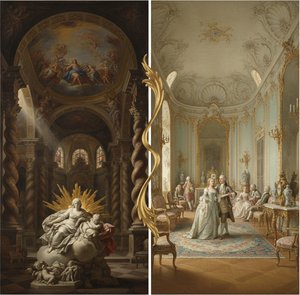
From Grandeur to Grace: Exploring the Evolution of Baroque & Rococo Art
Explore the captivating evolution from Baroque's drama to Rococo's grace! Discover key artists, characteristics & lasting influence of these art movements with expert insights at OriginalUniqueArt.

دراما الباروك: إحياء الفخامة والعاطفة في الدواخل المعاصرة
اكتشف سحر الباروك! دليل شامل حول الحركة الفنية، عناصرها الجمالية، وكيفية دمج فخامتها وعاطفتها في الدواخل المعاصرة. نصائح من خبراء OriginalUniqueArt لإضفاء لمسة باروكية على منزلك.

Baroque vs. Rococo: A Definitive Guide to the Drama of Grandeur and the Elegance of Grace
Explore the profound differences between Baroque drama and Rococo elegance. Our expert guide delves into art history, chiaroscuro, and the evolution of European masterpieces for collectors and enthusiasts seeking deep historical context.