
 معاينة الحجم الواقعي
 إرسال
إرسال مشاركة
 عرض التفاصيل
 دليل الأعمال الفنية للطلاب

 تحميل
تحميل
 قطع مشابهة
 الأشعة السينية
 عرض شرائح متتابع
 Q&A
Q&A الإحصائيات
St Ansanus Baptizing

- 31.0 x 32.0 cm


 اقرأ المزيد
طباعة جيلي / مطبوعات فنية
طباعة جيكلي أو كانفاس بجودة المتاحف، مع سرعة في التنفيذ وخيارات متنوعة للتشطيب. ( اطلب نسخة مرسومة يدويًا التحويل إلى الصورة الرقمية)




P118B E£10

P118H E£10

P118W E£10

P438Z E£10

P508JH E£12

P508YH E£12

P805H E£10

P805Z E£10

P919BZ E£10

P919G E£10

P919XJ E£10

P959ZH E£10

P968JZ E£12

W106C E£8

W218G E£10

W218JH E£8

W218Y E£10

W307PJ E£10

W316G E£10

W316PJ E£8

W316Y E£10

W398PJ E£8

W4111J E£10

W500HY E£15

W500JH E£15

W692G E£12

W849H E£8

W940BG E£15

W953PJ E£8




اختر من بين أحجامنا المُعدّة مسبقاً والتي تتوافق مع النسب الأصلية للعمل الفني.

أدخل العرض والارتفاع اللذين تحتاجهما، ليتناسب مع إطارك أو جدارك. يمكن قص المطبوعة فقط، ولا يمكن أبداً جعلها أكبر من الصورة الأصلية، لذا فإن أي مقاس بشكل مختلف سيؤدي إلى فقدان جزء من الصورة. سنرسل لك نموذجاً رقمياً تجريبياً لاعتماده قبل البدء في عملية الطباعة. الصورة المعروضة في هذه الصفحة لا توضح القص الفعلي — النموذج التجريبي فقط هو ما يظهر ذلك.
توصيل عالمي إلى خلال أسبوعين بدلاً من المدة القياسية البالغة 4/5 أسابيع. (1 نوفمبر)

شحن سريع ومجاني لجميع أنحاء العالم

قماش كتان فاخر

تأمين شامل على الشحن

ضمان استرداد الرسوم الجمركية

ضمان دقة مطابقة الألوان

سياسة الإرجاع خلال 100 يوم (في حالات العيوب فقط)

ضمان استرداد نقدي بنسبة 100%

عرض خصم الكميات
 خيار الزجاج متاح فقط للمقاسات التي تقل عن 110 سم

St Ansanus Baptizing
طباعة جيلي / مطبوعات فنية
مقاس النسخة المطبوعة
-


إجمالي السعر
E£ 4178
A Moment of Grace: Giovanni di Paolo's "St Ansanus Baptizing"
Giovanni di Paolo’s “St Ansanus Baptizing,” painted in Siena around 1440, is more than just a depiction of a religious ritual; it’s a window into the soul of early fifteenth-century Italy. This intimate scene, measuring 31 x 32 cm, captures a pivotal moment – the baptism – with a quiet solemnity that speaks volumes about faith and community. The painting immediately draws the eye to St. Ansanus himself, positioned on the left, his posture radiating authority as he prepares to pour water over those being cleansed in the river. His presence is both deliberate and compassionate, embodying the spiritual significance of this sacrament.
- Subject Matter: The central theme revolves around the baptism of individuals, a cornerstone of Christian belief representing purification and entry into the faith.
- Composition: Di Paolo masterfully employs a pyramidal composition, directing the viewer’s gaze towards St. Ansanus while subtly incorporating other figures within the scene.
- Setting: The outdoor setting, complete with a simple wooden chair, adds to the realism and reinforces the sense of a genuine, unadorned ceremony.
A Glimpse into Giovanni di Paolo’s Unique Style
Giovanni di Paolo was a singular voice within the burgeoning artistic landscape of Siena during this period. While other artists were embracing the revolutionary naturalism championed by Masaccio and Donatello, Di Paolo remained firmly rooted in the traditions of Gothic art, particularly its emphasis on lyrical beauty and symbolic richness. His work is characterized by an almost dreamlike quality, achieved through a meticulous attention to detail and a vibrant palette—a hallmark of his training as a manuscript illuminator. The use of rich blues, reds, and golds, typical of Sienese painting at the time, contributes significantly to the painting’s luminous effect.
The artist's technique is notable for its delicate rendering of fabrics and textures, evident in the flowing robes of the figures and the shimmering surface of the water. This meticulous approach, combined with a slightly stylized representation of human forms, creates an atmosphere that is both realistic and imbued with spiritual significance.
Symbolism and Context
Baptism held profound symbolic weight within the medieval Christian world. The immersion in water represented cleansing from sin and rebirth into Christ. In “St Ansanus Baptizing,” each figure participating in the ceremony carries a specific meaning – representing the faithful receiving God’s grace. St. Ansanus, as a prominent bishop, symbolizes spiritual guidance and authority. The scene reflects the importance of community rituals within the religious life of the time, emphasizing shared faith and devotion.
Painted around 1440, this work sits squarely within the late Gothic period, a transitional moment in Italian art history. It demonstrates the continued influence of medieval artistic conventions while hinting at the emerging Renaissance interest in naturalism and human emotion – a subtle foreshadowing of the dramatic shifts to come.
Emotional Impact & Reproduction
“St Ansanus Baptizing” evokes a powerful sense of serenity and reverence. The painting’s quiet intensity invites contemplation on themes of faith, purity, and renewal. OriginalUniqueArt offers a meticulously crafted hand-painted reproduction of this captivating artwork, allowing you to bring its beauty and historical significance into your home or office. Our skilled artisans faithfully recreate Di Paolo's unique style, ensuring that every detail – from the shimmering fabrics to the nuanced expressions of the figures – is reproduced with exceptional accuracy. This reproduction provides a tangible connection to a pivotal moment in art history, offering an unparalleled opportunity for artistic appreciation and contemplation.
الأسئلة والأجوبة
ما هي التقنية والأسلوب اللذان يميزان "St Ansanus Baptizing" للفنان جوفاني دي باولو؟
تُنفذ لوحة "St Ansanus Baptizing" باستخدام Oil On Canvas، وبأسلوب Early Gothic.
هل تُعد "St Ansanus Baptizing" للفنان جوفاني دي باولو من بين الأعمال الفنية المرغوبة ضمن حركة Early Gothic؟
تُصنف "St Ansanus Baptizing" للفنان جوفاني دي باولو ضمن فئة Recognized وتنتمي إلى حركة Early Gothic.
ما هي الغرفة التي يُنصح بوضع "St Ansanus Baptizing" للفنان جوفاني دي باولو فيها، بالنظر إلى ألوانه؟
بفضل لوحة ألوانه التي تتميز بـ Dark، يُنصح بوضع "St Ansanus Baptizing" للفنان جوفاني دي باولو في Dining Room؛ حيث تُعد الألوان أحد الأسباب وراء هذا الاقتراح.
نبذة عن الفنان
رسام الأحلام السييني
يبرز جيوفاني دي باولو، الذي ولد في سيينا حوالي عام 1403، كشخصية ساحرة وغامضة بعض الشيء ضمن مشهد فن عصر النهضة الإيطالي المبكر. وبينما طغت عليه أسماء معاصرة مثل ماساتشو ودوناتيلو الذين ناصروا واقعية جديدة، شق جيوفاني لنفسه مساراً فريداً، محافظاً على الكثافة الغنائية للتقاليد القوطية بينما امتص ببراعة الحساسيات الناشئة لعصر النهضة. وتكشف حياته، رغم أنها موثقة في شذرات متفرقة، عن فنان متجذر بعمق في المجتمع الفني في سيينا، حيث عمل في البداية كمزين للمخطوطات لصالح الرهبنة الدومينيكية منذ عام 1的に تقريباً. وقد صقل هذا التدريب المبكر اهتمامه الدقيق بالتفاصيل وتطبيقه المتقن للألوان، وهي مهارات أصبحت لاحقاً سمات مميزة لأسلوبه المتفرد. ويُعتقد أنه قد تلقى تعليماته التكوينية من أساتذة سيينا الراسخين مثل تاديو دي بارتولو أو مارتينو دي بارتولوميو، وإن كانت الطبيعة الدقيقة لهذه التلمذة لا تزال محل نقاش بين العلماء.عناق التقاليد القوطية والتأثيرات الناشئة
تطورت المسيرة الفنية لجيوفاني دي باولو على خلفية من التيارات الجمالية المتغيرة؛ فمدينة سيينا، التي كانت يوماً مركزاً فنياً رائداً، بدأت تتراجع تدريجياً أمام الابتكارات المزدهرة لعصر النهضة في فلورنسا. ومع ذلك، ظل جيوفاني مرتبطاً بثبات بالتراث القوطي الغني لمدينته. وتظهر أعماله المبكرة بوضوح هذا الولاء، حيث تعكس الشخصيات المستطيلة، والأنماط الزخرفية، والتفضيل لمجموعات لونية زاهية وصادمة أحياناً، الاتفاقات الأسلوبية لأسلافه. ومع ذلك، وفي حوالي عام 1420، وصلت لحظة محورية مع زيارة جينتيلي دا فابريانو إلى سيينا، وهو اللقاء الذي أثر بعمق في رؤية جيوفاني الفنية؛ إذ تبنى بحماس عناصر من أسلوب جينتيلي، وخاصة دمج التفاصيل الواقعية — مثل النباتات المزهرة الرقيقة والمناظر الطبيعية المرسومة بدقة — ضمن المشاهد الدينية. وقد شكل هذا تحولاً عن التصوير الأكثر تقشفاً الذي فضله رسامو سيينا الأوائل، مما ضخ في أعماله حساً جديداً من الملاحظة والدقة. لكن جيوفاني لم يكتفِ بمجرد التقليد، بل دمج هذه التأثيرات في شيء يخصه وحده، مبتكراً تكوينات تمتلك غالباً جودة أثيرية تشبه الأحلام، وهي السمة التي تميزه عن غيره.روائع الرؤية السريالية
تتميز أعمال جيوفاني دي باولو بتنوع ملحوـظ، حيث تشمل لوحات المذابح، واللوحات الخشبية، والمخطوطات المزينة ببراعة فائقة. وتظهر أشهر أعماله قدرة مذهلة على تحويل الروايات الدينية التقليدية إلى تجارب بصرية آسرة. وتعد لوحة معجزة القديس نيكولاس التولنتيني، التي رسمت حوالي عام 1455، نموذجاً مثالياً لأسلوبه السريالي؛ إذ تصور اللوحة مشهداً طبيعياً خيالياً تسكنه شخصيات مستطيلة ومغمور بأجواء من عالم آخر، فهي ليست مجرد تصوير لمعجزة، بل هي استحضار للنشوة الروحية والتدخل الإلهي. ولا تقل عنها روعة تلك السلسلة المشتتة التي تصور مشاهد من حياة القديسة كاترينا السيينية، والموزعة الآن في متاحف مختلفة، حيث تستعرض هذه اللوحات براعته في الرسم القصصي والتجسيد التعبيري، ملتقطة تقوى القديسة وقوتها الفكرية وتجاربها الصوفية بحساسية فائقة. وإلى جانب هذه الأعمال الأيقونية، تكشف مخطوطات جيوفاني المزينة — وخاصة تلك التي توضح الكوميديا الإلهية لدانتي — عن تمكن بارع من التفاصيل والألوان النابضة، مما يبرهن على تعدد مواهبه كفنان عبر وسائط مختلفة. كما تعد لوحته *المسيح في بستان جثسيماني* (حوالي 1430) مثالاً مقنعاً آخر على مهارته السردية الدرامية ولوحة ألوانه الغنية.إرث أعيد اكتشافه
بعد وفاة جيوفاني دي باولو في سيينا عام 1482، تلاشت شهرته تدريجياً ودخلت في غياهب النسيان النسبي. ولعدة قرون، تم تجاهله إلى حد كبير من قبل مؤرخي الفن، حيث طغت عليه الشخصيات الأكثر احتفاءً في عصر النهضة. ومع ذلك، خلال القرن العشرين، بدأ يظهر تقدير متجدد لرؤيته الفنية الفريدة؛ إذ أدرك العلماء أنه شخصية محورية في مدرسة سيينا، جسرت الفجوة بين الفن القوطي المتأخر وعصر النهضة المبكر. إن رغبته في التجريب بالشكل واللون، مقترنة بجمالياته الحالمة المميزة، جعلته متميزاً عن معاصريه. وهو يُعرف الآن ليس فقط كتابع للتقاليد، بل كمبتكر استبق جوانب معينة من الأسلوب "المانيري" (Mannerism) بل واستشرف الاتجاهات التعبيرية لفن القرن العشرين. تكمن إرث جيوفاني دي باولو في قدرته على ابتكار أعمال متجذرة بعمق في الروحانية العصور الوسطى ومتطلعة للمستقبل بشكل مذهل في حساسيتها الفنية — وهو ما يعد شهادة على القوة الخالدة للرؤية الأصلية الحقيقية.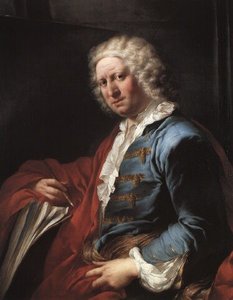
جوفاني دي باولو
1403 - 1482 , إيطاليا
لمحة سريعة
- Artistic Movement Or Style: القوطية وعصر النهضة
- Artists Or Movements Influenced By This Artist:
- المانيرية
- التعبيرية
- Artists Who Influenced This Artist:
- تاديو دي بارتولو
- مارتينو دي بارتولوميو
- جينتيلي دا فابريانو
- Date Of Birth: حوالي 1403
- Date Of Death: 1482
- Full Name: جيوفاني دي باولو دي غراتسيا
- Nationality: إيطالي
- Notable Artworks:
- معجزة القديس نيكولاس
- سلسلة القديسة كاترينا
- المسيح في البستان
- الميلاد
- الصلب
- Place Of Birth: سيينا، إيطاليا
مقالات ذات صلة

Giclée Prints Explained: The Ultimate Guide to Museum-Quality Art Reproductions
Master the nuances of Giclée printing with our expert guide. Discover how pigment-based inks and museum-grade substrates create fade-resistant, high-fidelity art reproductions designed for discerning collectors seeking unparalleled quality and longevity.

Giclée Prints: Archival Quality & Aesthetic Nuances for the Discerning Collector
Explore the world of giclée prints with OriginalUniqueArt. Learn about archival quality, aesthetic nuances & investment potential. Expert guidance for discerning art collectors seeking museum-quality reproductions and lasting value.
إعادة إحياء الروائع الفنية: دليل شامل لتقنيات النسخ باليد على القماش والورق
احصل على نسخ فنية يدوية عالية الجودة من روائع اللوحات الكلاسيكية. فريقنا من الفنانين المحترفين يضمن دقة وأصالة لا مثيل لهما. OriginalUniqueArt: جودة، ثقة، وجمال يدوم.

أروع 25 لوحة فنية في بينالي فينيسيا: تحف فنية تزين منزلك
اكتشف أروع 25 لوحة فنية في بينالي فينيسيا! رحلة عبر تاريخ الفن الإيطالي، روائع تجريدية وواقعية من أشهر الرسامين. ديكور فاخر ولوحات زيتية عالية الجودة على OriginalUniqueArt.com

أفضل 25 لوحة لجوتو دي بوندوني: تحف فنية لتزيين منزلك بأناقة
اكتشف أروع 25 لوحة لجوتو دي بوندوني، رائد فن عصر النهضة. استكشف قصصًا فنية خالدة وتقنيات فريدة وألوانًا آسرة. احصل على نسخ عالية الجودة لتزيين منزلك بأناقة رفيعة على OriginalUniqueArt.com